22 September 2026
The ECHR held a hearing on ten Ukrainian children from temporarily occupied Crimea
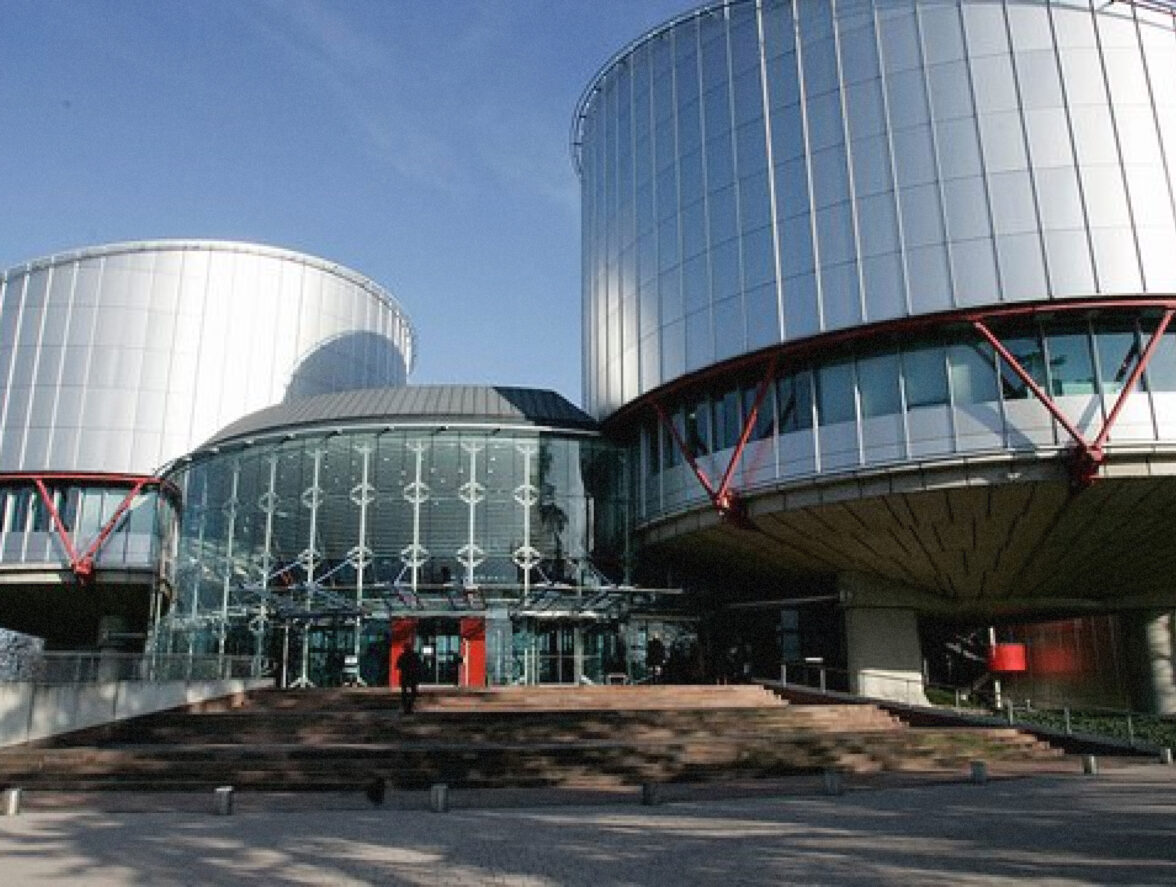
On 22 September, the European Court of Human Rights held a hearing in the case Ukrainian Helsinki Human Rights Union on behalf of ten Ukrainian children v. Russia (№ 6719/23). This concerns ten Ukrainian children who were staying in state childcare institutions in Crimea when Russia occupied the peninsula in 2014.
The Ukrainian Helsinki Human Rights Union (UHHRU) has lodged an application with the European Court of Human Rights (ECHR) on behalf of the children, who were born between 2009 and 2013 and were between one and five years old at the time of the occupation. According to the applicants, after the beginning of occupation, the children were forcibly imposed with Russian citizenship and included in Russian adoption and family placement systems. Their current locations remain unknown despite repeated requests by the Ukrainian authorities. UHHRU considers that these circumstances may indicate the enforced disappearance of the children.
According to UHHRU, there is information indicating that some of the children were transferred to Russia and placed in Russian institutions or families. Human rights defenders emphasize that the case concerns not only the unlawful transfer of children, but also the forced alteration of their citizenship and social identity.
The case raises issues concerning possible violations of Article 5 of the European Convention on Human Rights — the right to liberty and security — as well as Article 8, concerning the right to respect for private and family life. The Court has also raised an issue under Article 38 of the Convention in connection with Russia’s failure to provide information about the children’s whereabouts.
The holding of the hearing in this case is of particular procedural significance. Most cases before the ECtHR are considered on the basis of written submissions, while oral hearings in Chamber cases are relatively rare. Prior to the hearing, the parties had already completed two rounds of written observations.
Ahead of the hearing, Thórdís Kolbrún Reykfjörð Gylfadóttir, Special Envoy of Council of Europe Secretary General on the situation of children of Ukraine, highlighted the need to keep the issue of Ukrainian children at the center of the international agenda and to establish the whereabouts of every child.
According to UHHRU, this is currently the only individual application to the ECHR concerning the unlawful transfer of children from Crimea. Human rights defenders also point out that practices involving the forced imposition of Russian citizenship, the transfer of children, and their placement with Russian families have been used in temporarily occupied Crimea since 2014.
The Court did not issue a judgment following today’s hearing. It will now consider the admissibility and merits of the case, with a ruling to be delivered at a later date.
The Mission of the President of Ukraine in the Autonomous Republic of Crimea has consistently emphasized that the forced change of citizenship, the transfer of children, and attempts to alter their Ukrainian identity are part of Russia’s systematic policy in the temporarily occupied territories. Establishing the fate of the children, returning them to Ukraine, and holding those responsible to account remain important components of protecting the rights of Ukrainian citizens under occupation.