25 October 2024
#10yearsofResistance: Zevri Abseitov
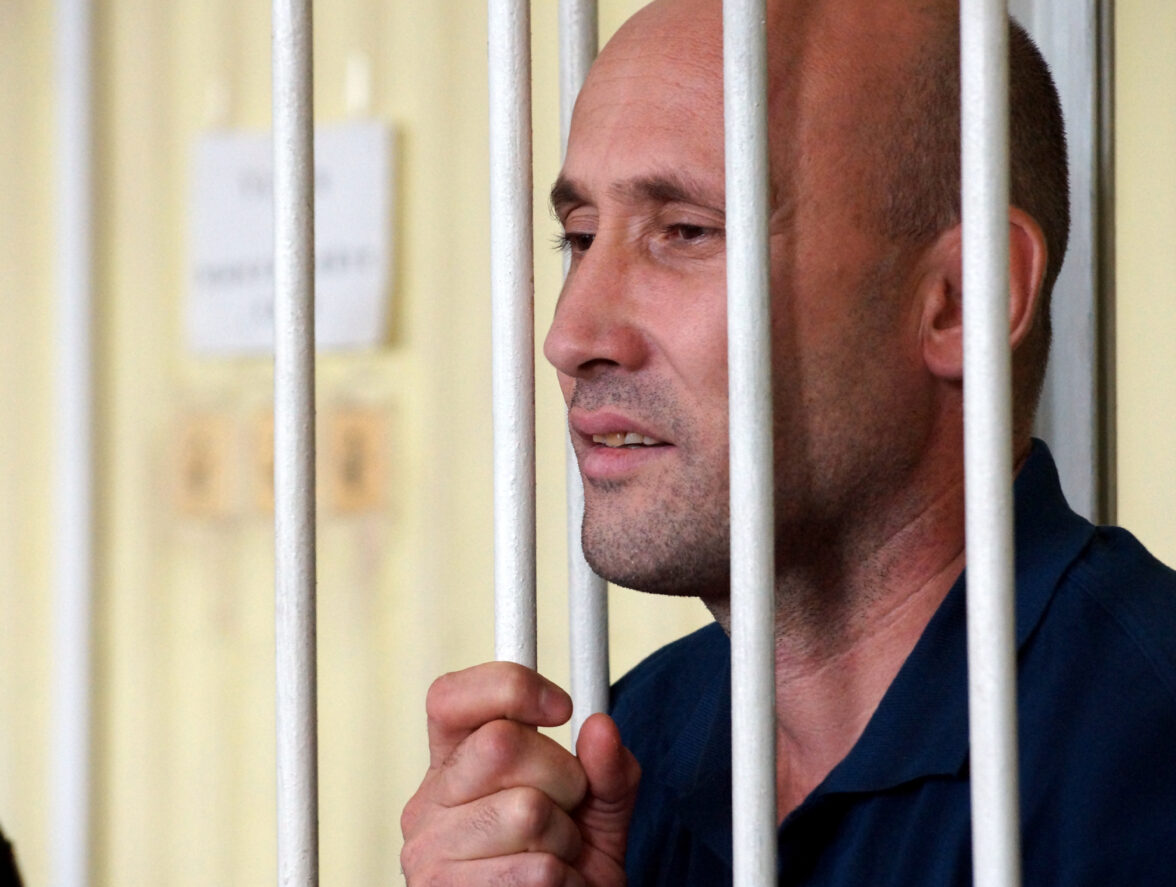
Today, we tell the story of Zevri Abseitov, a Crimean Tatar unlawfully sentenced to 9 years in a maximum security prison.
Life before the detention
Zevri Serdarovych Abseitov was born on August 12, 1975, in Uzbekistan, where his family had been deported by the Soviet totalitarian regime in 1944. In 1993, his family returned to Crimea, settling in the Bilohirsk district. Upon returning, he enrolled in the dentistry program at Simferopol Medical University. By day, he studied, in his free time, he worked part-time to support his retired parents. After graduation, Zevri opened his own dental practice.
What did the occupiers come up with?
On May 12, 2016, Russian security forces conducted raids in Bakhchysarai, detaining Zevri Abseitov along with three other Crimean Tatars. The trial lasted over two years, during which he was held in Simferopol’s pre-trial detention center. Finally, on December 24, 2018, a court in Rostov-on-Don sentenced Zevri to nine years in a maximum security prison.
Why was Zevri Abseitov actually detained?
Like many other Crimean Tatars, Zevri Abseitov became a target of the occupation administration due to his ethnic background and national identity. His detention was part of a broader campaign of repression against the Crimean Tatar people by the occupying forces to suppress any forms of resistance and dissent. Zevri, like others, was accused of terrorism based on fabricated evidence—an ongoing strategy used by the occupier in Crimea to persecute the Indigenous population.
Where is Zevri Abseitov now?
On July 11, 2019, the Supreme Court of the Russian Federation in Moscow reviewed Zevri’s lawyers’ appeal, reducing his unlawful sentence by three months. On the night of September 1-2, 2019, Zevri Abseitov was transferred to Penal Colony No. 1 in Stavropol Krai, Russia. Upon arrival, he was unlawfully placed in a punitive isolation cell for three weeks.
Abseitov has been deprived of adequate medical care, worsening his health, which had already significantly declined due to years of imprisonment. He suffers from hypertension, kidney issues, and stomach and joint problems. His health continues to deteriorate due to the inadequate conditions and lack of medical attention in detention.