15 May 2025
May 15 2025 — Vyshyvanka Day
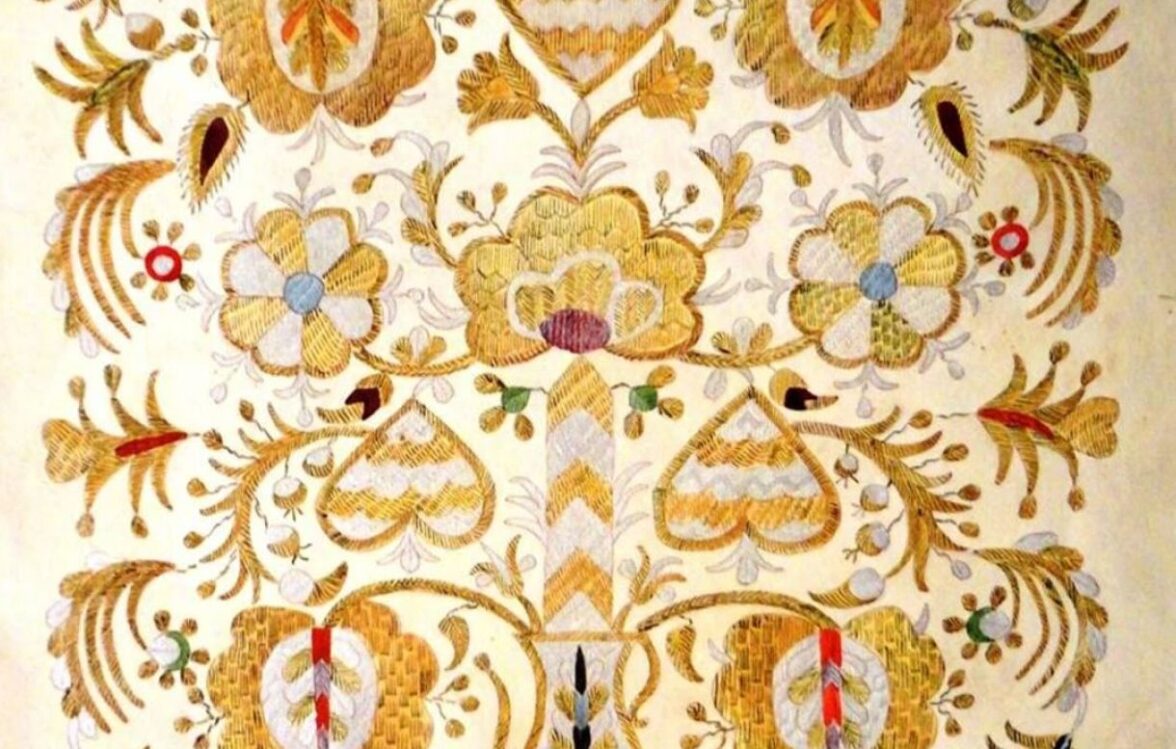
Every year, on the third Thursday of May, Ukrainians around the world wear vyshyvanka to honor their roots, history, and cultural heritage. The holiday, launched in 2006 by students of Chernivtsi University, quickly gained international recognition, as the Ukrainian vyshyvanka has long crossed geographic borders, spreading among ethnic Ukrainian communities worldwide. In recent years — especially since the start of Russia’s full-scale invasion — the Ukrainian people have experienced profound transformations across all spheres of life, including mass emigration. At the same time, this period has witnessed a remarkable expansion of Ukrainian culture and influence abroad. In this context, the vyshyvanka has become a symbol of resistance, resilience, and cultural strength, uniting Ukrainians no matter where they are.
Crimea has always been rich in national traditions. Until 2014, Vyshyvanka Day was marked annually on the peninsula with flash mobs, exhibitions, and public events celebrating and promoting Ukrainian embroidery. However, after the occupation, the vyshyvanka transformed into a symbol of resistance and a gesture of self-identification. People continued to wear embroidered shirts despite threats, affirming their loyalty to Ukrainian culture. Today, embroidery traditions remain a powerful marker of memory and resilience.
One of the most renowned masters of Ukrainian embroidery who brought wide recognition to the art form on the Crimean Peninsula was Vira Roik. Born in the Poltava region, she mastered over 300 traditional embroidery techniques and dedicated her entire life to the development of this art, organizing more than 140 solo exhibitions. Her embroidered towels, rich with traditional ornamental motifs, became true symbols of Ukrainian culture in Crimea.
An equally significant cultural role is played by the traditional Crimean Tatar ornament örnek — a unique visual code that conveys the centuries-old history and philosophy of the Crimean Tatar people. In 2021, örnek was officially inscribed on UNESCO’s Representative List of the Intangible Cultural Heritage of Humanity, becoming an important element in protecting Crimean Tatar identity from Russian cultural appropriation. Like the Ukrainian vyshyvanka, örnek is widely used in daily life, adorning clothing, household items, and jewelry, with its motifs passed down through generations.
The history of the Ukrainian vyshyvanka is inseparably linked to the struggle for freedom. During the Soviet era, particularly in the 1970s and 1980s, the vyshyvanka was banned, yet it remained a symbol of faith for Ukrainians held in labor camps, and later for dissidents, who preserved it as a testament to the nation’s aspiration for independence.
Today, in the midst of war, Vyshyvanka Day has become not only a cultural celebration, but also a gesture of solidarity with Ukrainian soldiers. Charity embroidery fairs are organized to raise funds for the needs of the Armed Forces of Ukraine, and the day itself reminds the world that Ukrainians are a free people, defending their history and future.
Vyshyvanka Day stands as a living expression of national identity and unity, where history, culture, and the unbreakable spirit of the Ukrainian people intertwine. Crimea, as an inseparable part of Ukraine, preserves the patterns of memory — both Ukrainian and Crimean Tatar symbols — that speak of roots, resistance, and the enduring power of identity.