18 May 2026
18 May — Day of Remembrance of the Victims of the Genocide of the Crimean Tatar People
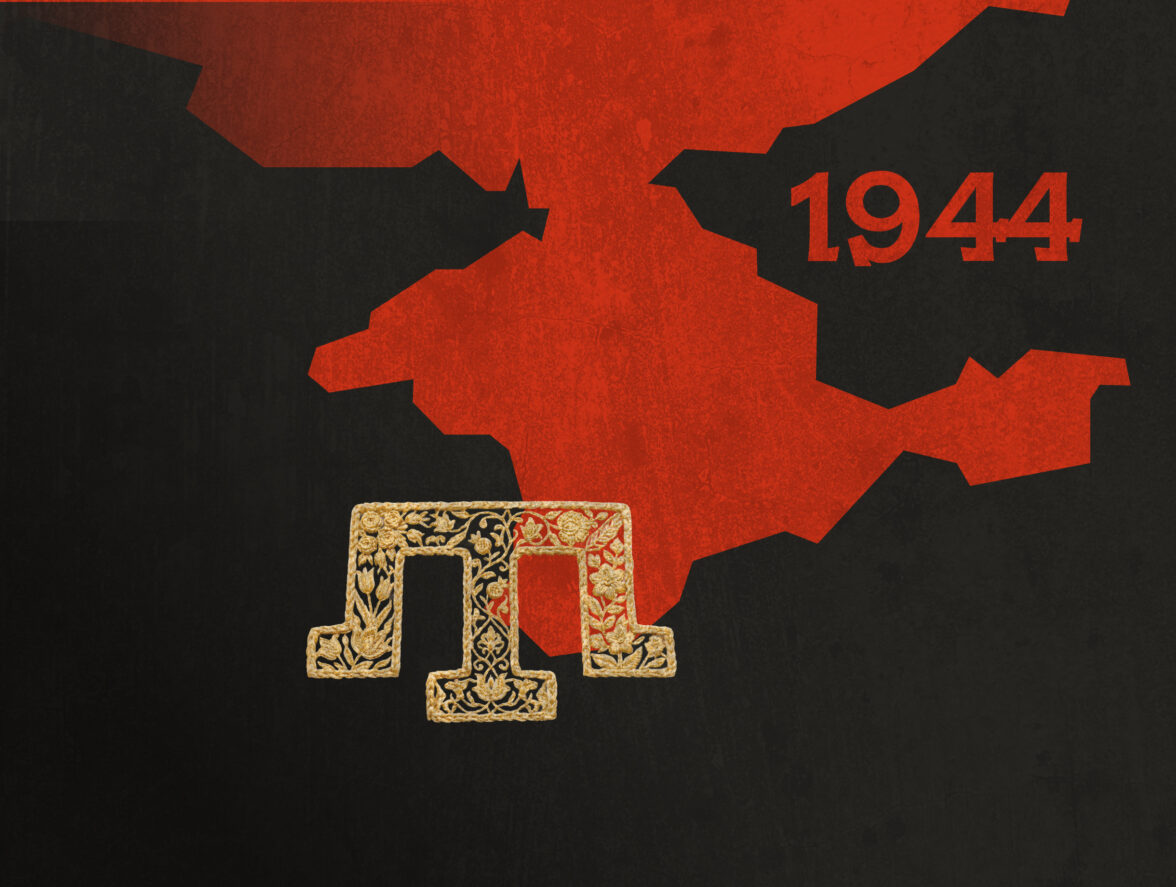
On this day, we remember one of the most tragic chapters in the history of Crimea and Ukraine. In 1944, the Soviet totalitarian regime carried out the forced deportation of the Crimean Tatar people from their historical homeland. Over a few days, more than 200,000 people were forcibly taken to Uzbekistan, Kazakhstan, the Urals, Siberia, and other remote regions of the Soviet Union. People were woken in the middle of the night, given mere minutes to pack, and transported under guard in freight cars into the unknown.
For thousands of families, this journey became their last. Exhaustion, hunger, thirst, disease, and the lack of medical assistance claimed the lives of many people during the transport and in the first years of exile. The regime also attempted to destroy the very memory of their presence in Crimea.
The deportation aimed to break the Crimean Tatar people as a community and erase them from the history of the peninsula. For example, the Soviet authorities:
- destroyed 640 elementary school libraries, 221 secondary school libraries, and 360 reading rooms;
- demolished 861 Crimean Tatar schools;
- confiscated 80,000 houses from Crimean Tatars;
- razed 2,400 cemeteries to the ground and destroyed tombstones, shrines, and other sites.
Despite this, the Crimean Tatar people preserved their language, culture, traditions, and sense of dignity. In their places of exile, people continued to raise their children with love for their native land, passing on the memory of Crimea and the belief in returning home.
Today, under the conditions of the temporary occupation of Crimea, Russia is once again applying repressive practices against the Crimean Tatar people. Illegal searches, arrests, and the persecution of activists, journalists, and human rights defenders demonstrate attempts to suppress any voice of freedom on the peninsula.
Commemorating the victims of the genocide of the Crimean Tatar people, we remember those who did not survive the deportation and those who preserved the people during the most difficult times. Their resilience has become part of Ukraine’s history and an example of how, even after the greatest tragedies, a people can preserve themselves, their culture, and their right to a future.