06 January 2026
1993: Simferopol Sees Adoption of Documents to Join UNPO
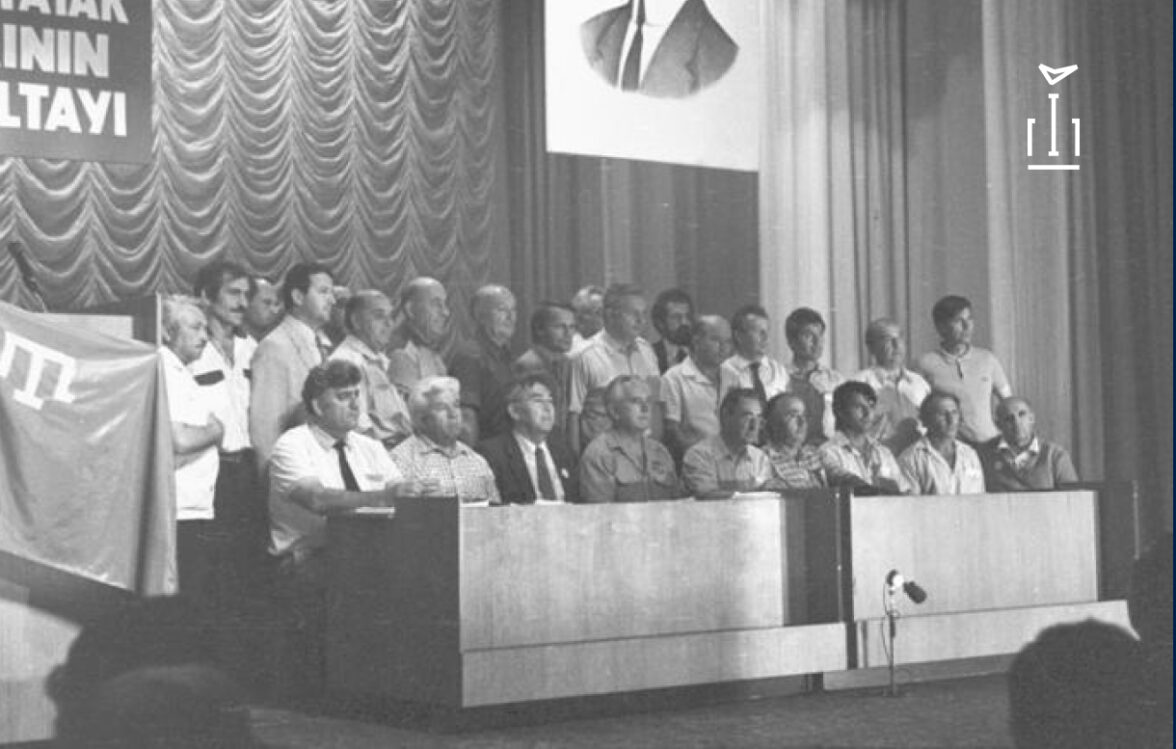
In 1993, during the Kurultai session in Simferopol, a package of documents was adopted that consolidated the Crimean Tatar national movement’s course towards strengthening its international presence and joining the Unrepresented Nations and Peoples Organization (UNPO). This step was a crucial component of the long-term struggle to restore the rights of the Indigenous people of Crimea and place the Crimean issue firmly on the international agenda.
Accession to the UNPO was a strategic move by the Mejlis of the Crimean Tatar people, aimed at institutionalising the struggle for Indigenous rights globally. This decision strengthened the international standing of the Crimean Tatars, enabling them to articulate demands not only within Ukraine but on global platforms, while drawing attention to repatriation and the restoration of rights after decades of deportation. Choosing the UNPO as a platform also underscored the movement’s commitment to democracy and nonviolent resistance. The decision, adopted by the highest representative body — the Kurultai — demonstrated the people’s unity in their aspiration for self-determination within an independent Ukraine.
During that period, Crimean Tatar leaders clearly articulated that without international solidarity, attention, and recognition, the path to justice would be longer and harder. Consequently, participation in international platforms was seen as a tool to speak to the world without intermediaries — on behalf of a people deprived of their voice for decades.
“We have chosen the path of nonviolent struggle for our rights, and joining the Unrepresented Nations and Peoples Organization is our message to the world. The Crimean Tatar people is not a national minority; it is a subject of international law whose voice must be heard in the civilised community.” — Mustafa Dzhemiliev, speech during the Kurultai, 1993
Today, under the temporary occupation of Crimea by the Russian Federation, this historical experience resonates particularly strongly. International advocacy remains a key area for protecting human rights, supporting Ukrainian citizens under occupation, and affirming the unwavering position: Crimea is Ukraine, and the rights of the Indigenous Crimean Tatar people are an integral part of the future deoccupation and reintegration of the peninsula.