20 February 2026
20 February – The Official Start Date of the Occupation of Crimea and Russia’s War Against Ukraine
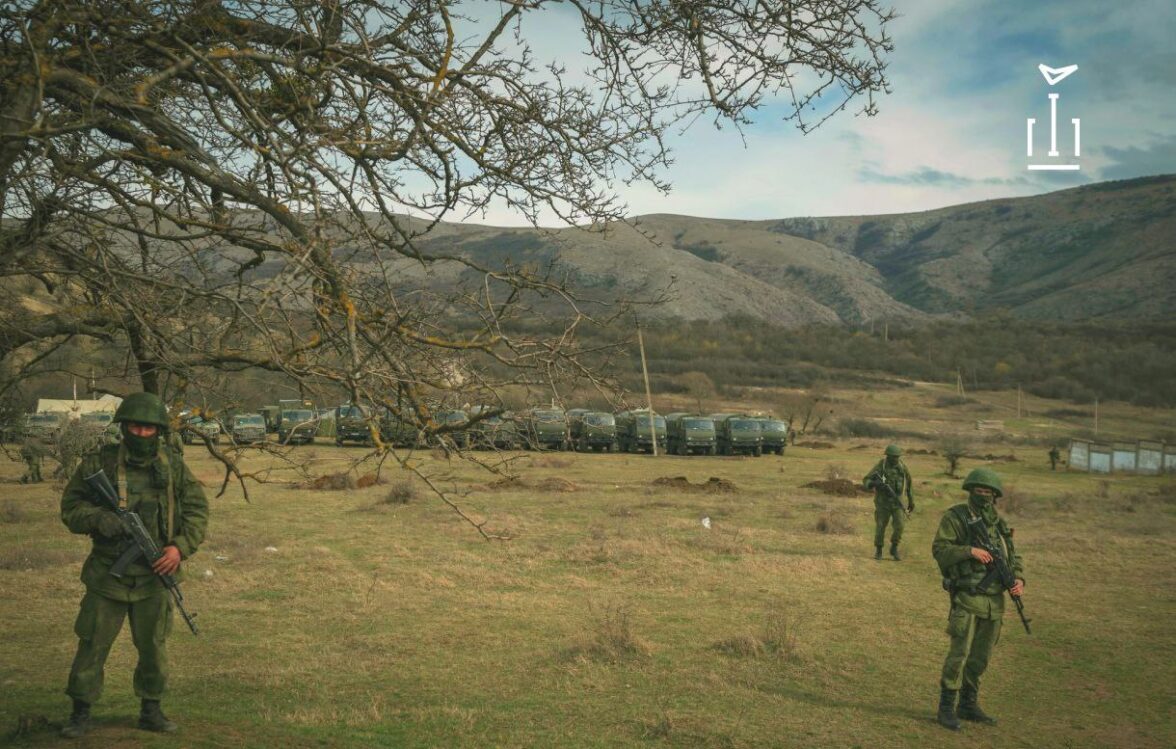
Russia began the occupation of Crimea exactly 12 years ago. It was on 20 February 2014 that Russian soldiers without insignia appeared on the Ukrainian peninsula. They blocked Ukrainian military units and established control over strategic facilities.
Since then, residents of the peninsula have suffered daily from repression by the occupiers. This includes illegal abductions, groundless searches, and denial of access to lawyers. Over the years, the repression has reached an even greater scale – today, the Russian occupation authorities can arrest a person for a post on social media, participation in a peaceful rally, or even for practising their religion. As of today, at least 284 individuals in temporarily occupied Crimea have been subject to a policy of judicial persecution for political reasons and for resisting the occupation. 159 of them are Crimean Tatars.
Throughout the years of occupation, Russia has tried to legitimise its invasion. To this end, back in 2014, the occupiers held a so-called referendum, through which they sought to show that the residents of Crimea allegedly wanted to “join” Russia. In reality, this “referendum” is illegal and violates international norms. The results of that sham referendum were not recognised by any international body — neither the UN, nor the European Union, nor the Council of Europe. At that time, partial sanctions were imposed on Russia.
However, the world did not provide a tough response to the occupation of Crimea — there were no actions that would genuinely force the aggressor to retreat. This sense of impunity only emboldened Russia to escalate further. First — the war in eastern Ukraine. Then, the full-scale invasion in 2022. By appeasing the aggression in 2014, the world faced a much larger war today.
History shows that Russia’s demands and promises are not a reliable basis for security, as it systematically violates its own obligations. Therefore, no negotiation process can call into question the territorial integrity of Ukraine or allow for the legitimisation of the occupation. Concessions to the aggressor do not bring peace and do not prevent military escalation — they encourage a new, larger-scale phase of violence.
Crimea is Ukraine!