23 August 2024
August 23 is the European Day of Remembrance for Victims of Stalinism and Nazism
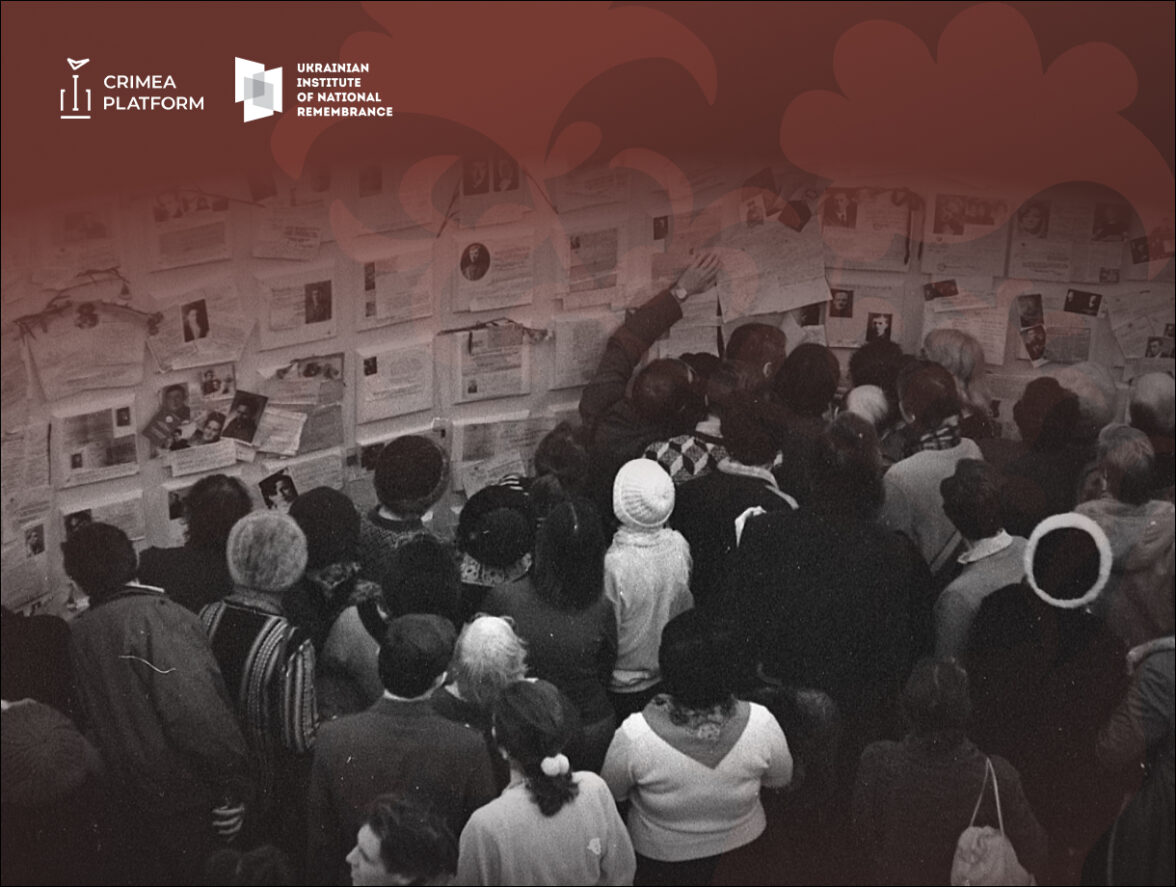
August 23 is the annual European Day of Remembrance for Victims of Stalinism and Nazism, also known as Black Ribbon Day. On this day, European countries and other states honor the memory of the victims of the brutal totalitarian regimes of Stalinism and National Socialism, which left a bloody trail in world history.
“It is important to remember the people who actively opposed totalitarian rule and who should be perceived by the people of Europe as heroes of the totalitarian era for their dedication, loyalty to ideals, honor, and courage. Victims do not care which regime imprisoned, tortured, or killed them. Without truth and memory, there can be no reconciliation,” reads the European Parliament resolution of 2 April 2009 on European conscience and totalitarianism.
This official day aims to preserve the memory of the victims of mass deportations, genocides, and exterminations, as well as to promote democratic values to strengthen peace and stability in Europe. It is one of the two official memorial days of the European Union and Europe Day on May 9.
Remembrance Day was established at the end of the Cold War amid European protests against the Soviet occupation. It was initiated by activists in the Baltic States and Eastern Europe who sought to draw attention to the cruelty of totalitarian regimes—Nazi Germany and the Soviet Union. The memory of the crimes of Nazism was deeply engraved in the European consciousness. Still, the crimes of the Soviet Union were not condemned adequately for a long time due to the status of the USSR as a victorious country in World War II.
The establishment of this commemorative day has drawn sharp criticism from Russia, which seeks to erase the horrific crimes of the Soviet regime from world memory and direct all condemnation at the Hitler regime.
The date of August 23 was not chosen by chance: it was on this day in 1939 that Nazi Germany and the Soviet Union signed a non-aggression agreement known as the Molotov-Ribbentrop Pact. This agreement marked the beginning of a criminal conspiracy that divided Eastern Europe into “spheres of influence” between the two totalitarian powers. The terms of the pact paved the way for aggression, war, mass repression, and crimes against humanity that left millions dead and lives shattered.
Both regimes actively practiced genocidal policies, targeted extermination of groups for the sake of subjugation or conquest, xenophobia, and repression. These actions accompanied the occupation of countries and attempts to assimilate or erase the memory of whole nations.
The crimes of totalitarian regimes have left a deep mark on the memory of all of Europe, but for Ukraine, this trauma is excruciating. The systematic destruction of national identity, the identity of Indigenous peoples, mass repression, the Holodomor, genocide, and war crimes are deeply rooted in the national memory of Ukraine and have become a great tragedy. It is difficult to give an exact number of those who died and suffered from these criminal acts, but the count goes into millions of Ukrainians.
Today, the European Day of Remembrance for Victims of Stalinism and Nazism remains an essential reminder of the terrible consequences of totalitarian rule. It is a significant day today when the Russian state seeks to restore the “greatness” of the Soviet state and uses the same tools to achieve this goal. Russia is fighting against the identity of the nations of Ukraine, destroying historical memory and culture. This day is a reminder of the price nations have paid and continue to pay to preserve freedom and democracy.