24 May 2025
May 24 — The Day of Ervin Ibrahimov’s Abduction
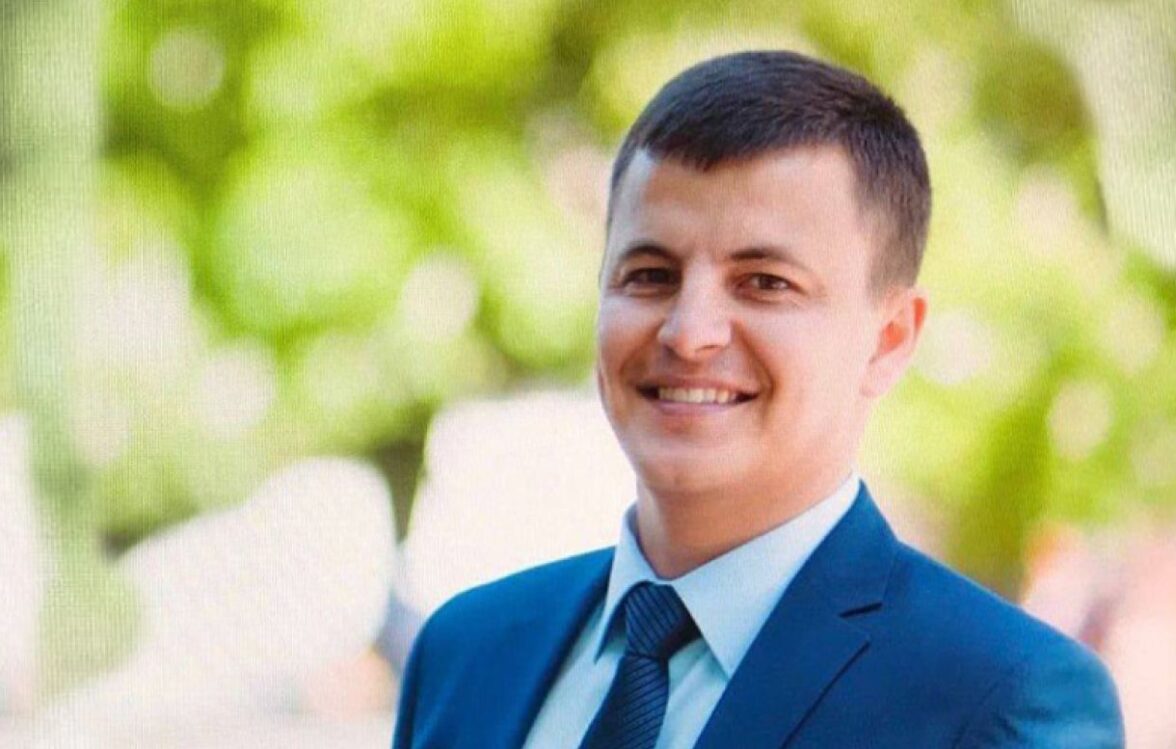
On the night of May 24–25, 2016, in the city of Bakhchysarai, located in the temporarily occupied territory of Crimea, Ukrainian citizen Ervin Ibrahimov — a member of the Executive Board of the World Congress of Crimean Tatars and a prominent activist — was abducted.
According to footage from surveillance cameras installed near a local shop, unidentified individuals dressed in the uniform of the occupation’s road patrol service stopped Ervin Ibrahimov’s vehicle and forcibly placed him into a minibus. The vehicle then departed in an unknown direction, reportedly through a wooded area toward the Bakhchysarai Reservoir. Since that time, Ervin Ibrahimov has not been heard from, and his whereabouts and state of health remain unknown. Some time later, his personal documents —including his passport, employment record book, and driver’s license — were found in Bakhchysarai.
Since the time of the abduction, a number of actions have been undertaken at both national and international levels. Ukrainian citizens, human rights defenders, representatives of the Mejlis, and international organizations have repeatedly appealed to the Russian side, demanding information regarding the fate of Ervin Ibrahimov. A complaint was submitted to the European Court of Human Rights, and appeals were also initiated to the United Nations. However, no official response has been received from the Russian Federation.
The disappearance of Ervin Ibrahimov bears the hallmarks of an enforced disappearance with a political motive. This crime, like numerous other cases of abduction and detention in the occupied territories, is part of a deliberate strategy to suppress the Crimean Tatar people, target civic activism, and stifle public expressions of support for Ukraine.
Since 2014, and especially following the full-scale invasion by the Russian Federation in 2022, enforced disappearances have become one of the primary tools used to intimidate the local population in occupied Crimea. The exact number of missing persons remains unknown; however, preliminary estimates suggest that around 60 individuals have disappeared. The most intense wave of such crimes occurred during the early months of the occupation: at least 20 cases were documented in the spring of 2014 alone.
According to international law, enforced disappearance is defined as the arrest, detention, abduction, or any form of deprivation of liberty by state agents or individuals acting with the authorization, support, or acquiescence of the state, followed by a refusal to acknowledge the deprivation of liberty or to disclose the fate or whereabouts of the disappeared person. Such a crime leaves the individual without any legal protection.
On the ninth anniversary of Ervin Ibrahimov’s disappearance, the Ukrainian state once again calls on the international community to intensify pressure on the Russian Federation to secure the release of all unlawfully detained individuals, ensure accountability for those responsible, and achieve the de-occupation of Crimea as the only path toward restoring justice and the rule of law.