03 March 2025
Atlantic Council Publishes Article on Resistance Movements in Crimea
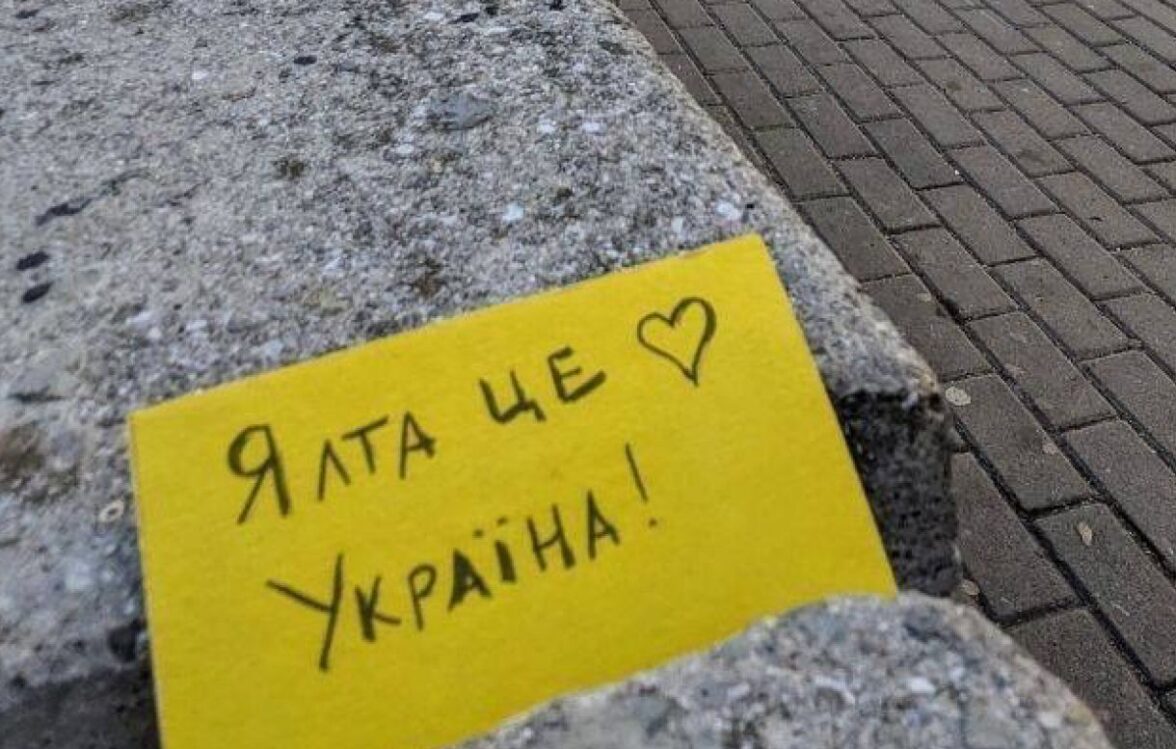
The Atlantic Council analytical center has dedicated an article to the Ukrainian resistance movement operating in the temporarily occupied territories, particularly in Crimea. The publication analyzes the evolution of Crimean partisan initiatives and civil resistance over the past eleven years of Russian aggression, as well as their impact on weakening the occupation regime.
In the article “How Ukraine’s Shadow Army Fights Back Against the Russian Occupation,” Atlantic Council analysts emphasize that the Ukrainian resistance movement remains active in all regions seized by Russia, despite harsh countermeasures implemented by the occupying administration and the widespread system of repression. The resistance effort involves both organized partisan groups and civic initiatives conducting an information war against the occupying administration.
Crimea has been a center of resistance since 2014, with significant growth in resistance activities following the full-scale invasion in 2022. The article highlights the civil resistance movements Yellow Ribbon and Zla Mavka, which express the pro-Ukrainian stance of Crimean residents through symbolic actions, posters, graffiti, and other forms of non-violent resistance.
The authors of the article pay particular attention to the Crimean Tatar underground movement ATESH, a partisan organization operating in Crimea and other occupied regions. The group’s name is derived from the Crimean Tatar word for “fire,” symbolizing the struggle of the Crimean Tatars for the liberation of their homeland. According to Mustafa Dzhemilev, the leader of the Crimean Tatar people, the ATESH movement remains deeply clandestine but has the potential to expand significantly if Ukrainian forces advance toward Crimea.
The Crimean resistance movement encompasses not only partisan operations but also intelligence gathering, sabotage against Russian military targets, and psychological pressure on the occupiers. The article underscores that Ukraine’s struggle extends beyond the battlefield, with resistance movements playing a crucial role in undermining the occupation regime.
Assessing the overall impact of the resistance movement on the morale of Russian occupying forces and their collaborators remains challenging. However, numerous confirmed attacks on military personnel, officials, strategic sites, and infrastructure have been documented by multiple sources. Partisan groups also provide critical intelligence to the Armed Forces of Ukraine, ranging from data on Russian troop movements to the locations of air defense systems. This intelligence has enabled precision strikes on high-value targets and contributed to the success of large-scale military operations.
The full article is available at: How Ukraine’s Shadow Army Fights Back Against the Russian Occupation – Atlantic Council.