26 June 2026
Birthday of Crimean Tatar activist Emir-Usein Kuku, who is being held in Russian captivity for 10 years
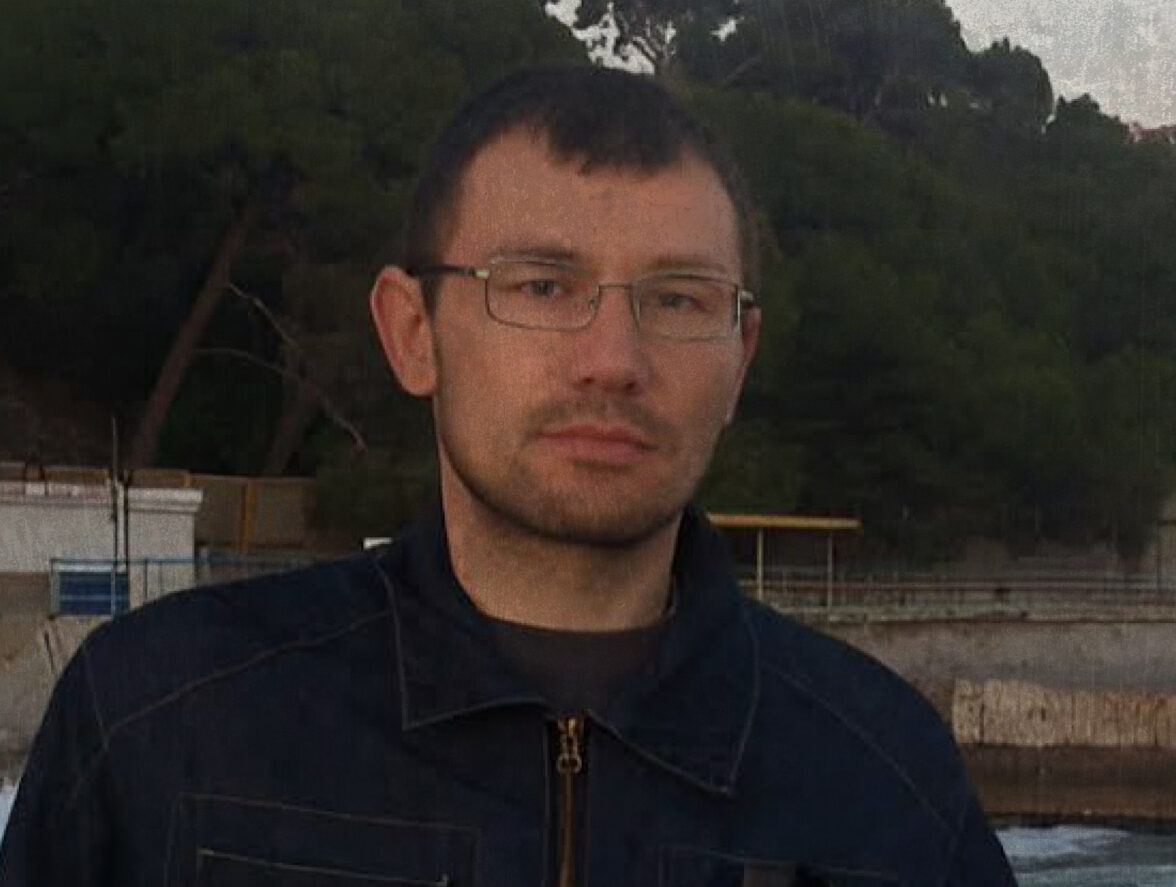
On June 26, Emir-Usein Kuku turns 50. It is the tenth year that the Crimean Tatar activist has been spending his birthday in prison.
Emir-Usein was born in 1976 in Novorossiysk, Krasnodar Krai, into the family of Kemal Kuku, a veteran of the Crimean Tatar national movement. His family was deported to the east in 1944 and was only able to return to Crimea, to their native village of Koreiz, in 1993, when Emir-Usein was 17 years old. This became possible after the ban on the return of Crimean Tatars to their historic homeland was lifted in 1989.
After earning a degree in economics in 2001, Kuku became actively involved in the Crimean Tatar community. He served as deputy chairman of the Eren Evliya Muslim community in Koreiz, helped organize religious holidays, and collected old photographs of Crimea, household items, coins, and other historically valuable artifacts. In this way, he contributed to the preservation of the peninsula’s cultural heritage and traditions.
Emir-Usein was a member of the Crimean Human Rights Contact Group and the Crimean human rights movement, where he promoted the protection of Crimean Tatar rights and tolerance.
In April 2015, he was abducted by Russian security forces: his home was searched, after which he was taken for questioning, where he was brutally beaten and later released. In less than a year, another search took place, Kuku was detained and charged with involvement in the Islamic political party Hizb ut-Tahrir. In November 2019, a final “court hearing” took place in Rostov-on-Don, following which he was sentenced to 12 years in a maximum-security prison.
According to the political prisoner’s wife, Meryem Kuku, his health has deteriorated significantly due to his imprisonment; he underwent intestinal surgery, but was never told which part of his intestine was operated on. In addition, he is unable to stand, so when he calls his loved ones, he does so while squatting. The political prisoner has a tumor in his popliteal fossa, as well as problems with his vision, heart, and kidneys. His wife emphasizes that Emir-Usein has been denied proper medical care for years, causing his condition to worsen.
This case is yet another example of the systematic persecution of Crimean Tatar activists in Crimea after the occupation. It underscores the importance of protecting human rights and calls for the release of political prisoners.