18 November 2025
Fourth Panel Discussion “Mercenaries or human trafficking victims? Engagement of foreign fighters in the Russian army” within the Third International Conference “Crimea Global”
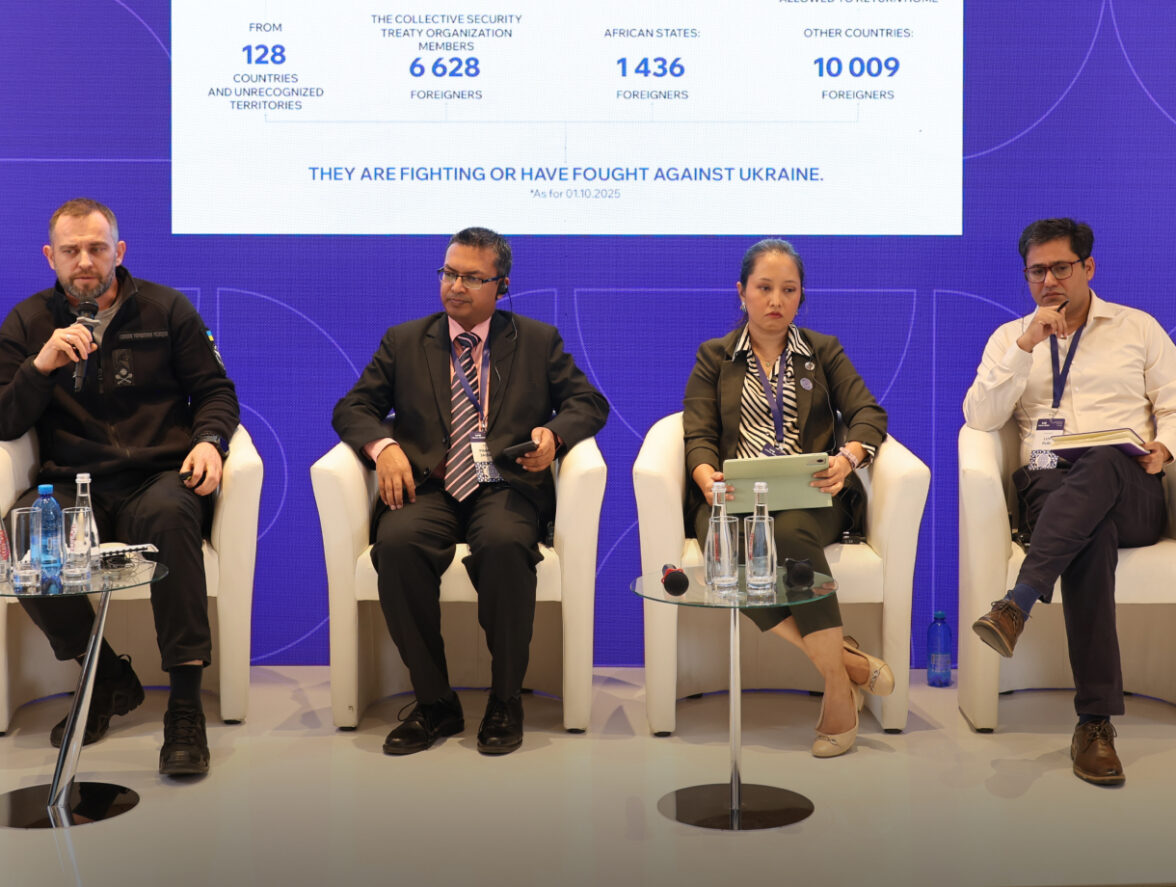
On 18 November, during the second day of the Third International Conference “Crimea Global. Understanding Ukraine through the South,” the fourth panel discussion — “Mercenaries or Victims of Human Trafficking? How Russia Recruits Foreign Fighters into Its Army” — took place.
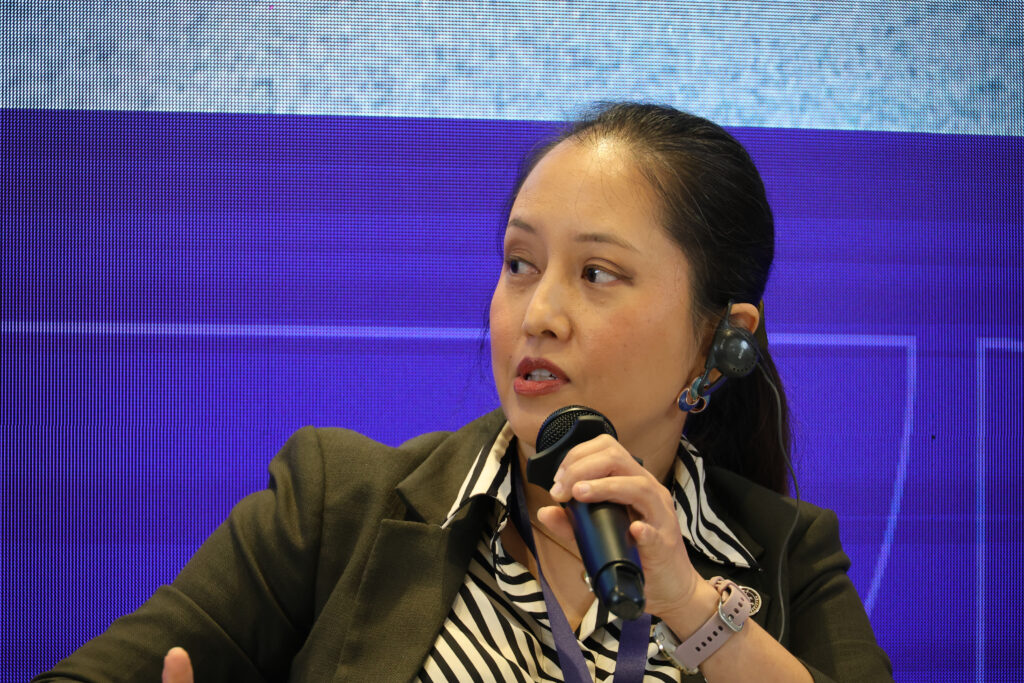
The discussion brought together Brigadier General and Secretary of the Coordination Headquarters for the Treatment of Prisoners of War Dmytro Usov; Director of Research at the Institute of International Cooperation and Engagement (Nepal) Dr. Pramod Jaiswal; journalist at Standard Group PLC Wellington Nyongesa; Senior Research Fellow at Verve Research Munira Mustaffa; and columnist, author, analyst, and expert on politics, conflict, and international relations in South Asia Luv Puri.
The session was moderated by Truth Hounds researcher and Head of Board of the Media Initiative for Human Rights, Maria Tomak.
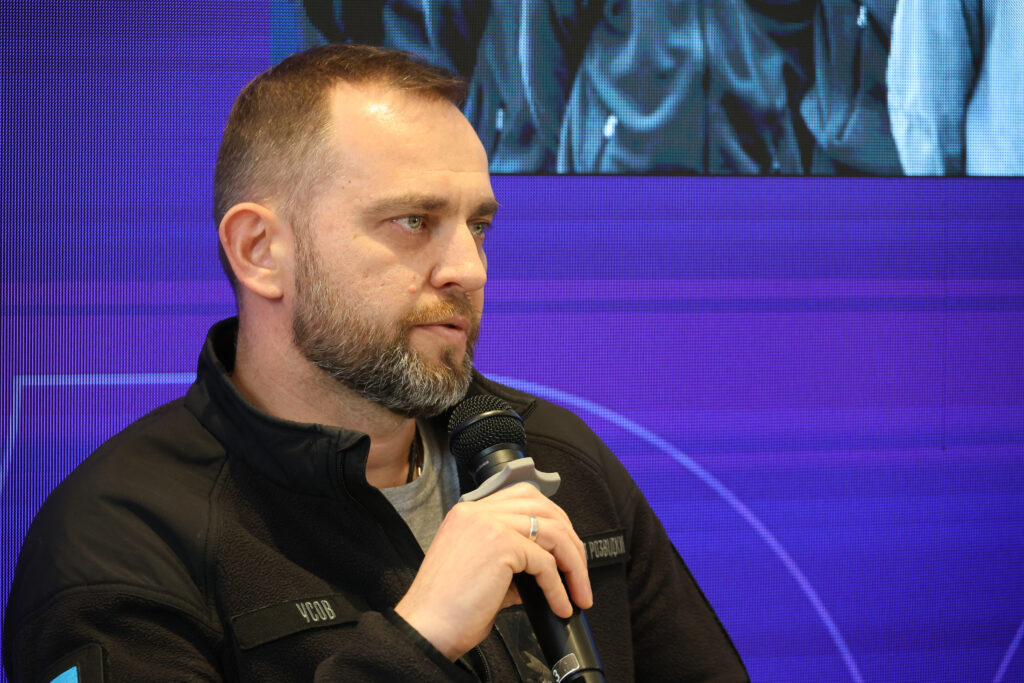
Dmytro Usov outlined current trends in the recruitment of foreign nationals into the Russian army, noting that most of those signing military contracts are citizens of CSTO member states and African countries, with fewer coming from elsewhere. He emphasized that key motives for foreigners include financial incentives, ideological alignment, or coercion by Russian occupation forces. He also presented the Ukrainian project “I Want to Live,” which facilitates the voluntary surrender of Russian military personnel.
“From 2022 to 2025, Russia forcibly mobilized more than 46,000 people from the occupied territories of Ukraine. The Russian Federation is doing everything possible to destroy as many of our citizens as it can — this is a war of conquest against Ukraine.”
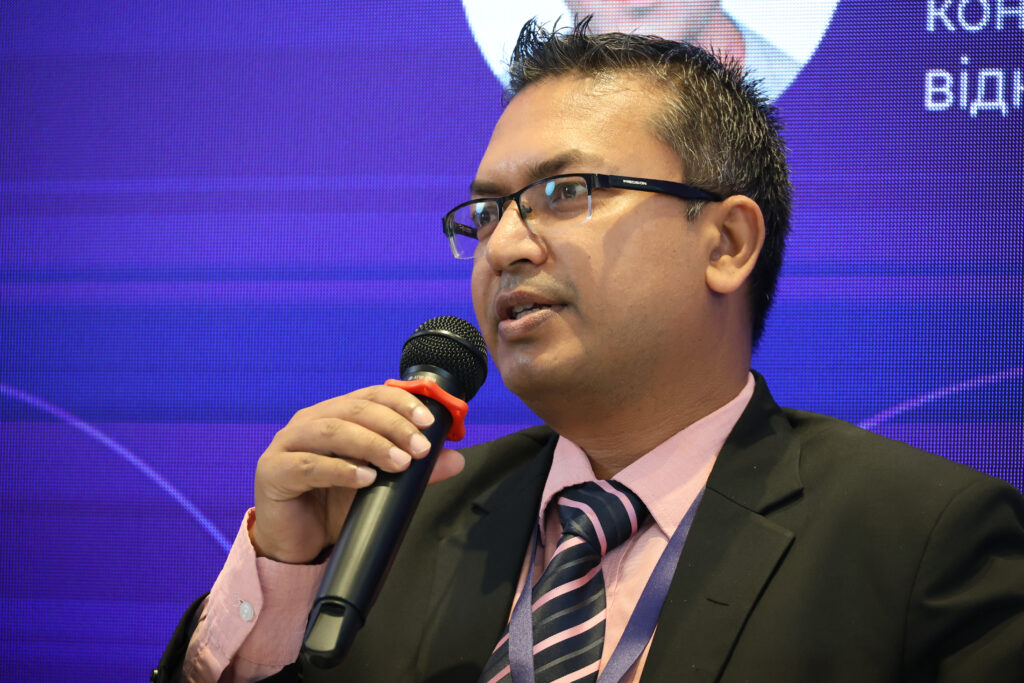
Dr. Pramod Jaiswal stressed that Kathmandu continues to support Ukraine at the highest political level, yet Russia persists in recruiting Nepali men for its war. He underscored that Moscow uses all foreign recruits as expendable shields — they receive only two weeks of training, and their bodies are often abandoned on the battlefield.
“Russia offers desirable contract terms — visas, substantial payments, insurance. Many men become victims of human trafficking: once they arrive in Russia, they are promised good jobs but are instead deceived and forced into military service. Until August 2023, only two or three Nepali citizens had joined Russia’s armed forces. But in 2024, this number rose sharply — now we record around 200 Nepali men per month falling prey to Russian recruitment schemes.”
Wellington Nyongesa noted that Russia employs Kenyan citizens at its defense production facilities — including drone assembly plants — and continues to recruit Kenyan men for the war against Ukraine, often through employment agencies. He added that the Kenyan government is currently seeking dialogue with Ukrainian authorities to develop a mechanism for securing the release of Kenyan citizens held in Russian captivity.
Munira Mustaffa emphasized that Russia compensates for its manpower shortage by recruiting foreign volunteers willing to sign contracts with the Russian military. She stressed that governments are unable to protect their citizens once they join the Russian army because Russia’s recruitment model is built on systematic fraud and deception.
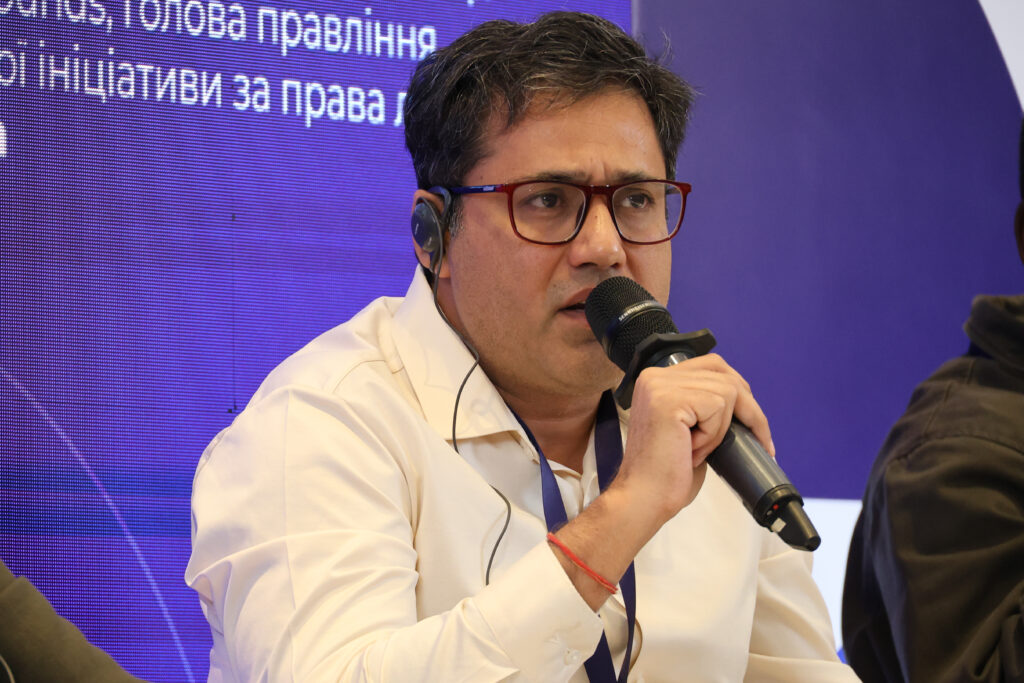
Luv Puri highlighted that the participation of Indian citizens in foreign wars has no legal basis and is neither supported by Indian society nor by the state. He noted that the primary drivers of Indians joining the Russian Armed Forces are poverty and economic migration — individuals seeking “quick money” become victims of manipulation. He also underscored that although Asian diplomacy often relies on non-public mechanisms, India’s position on this issue remains firmly aligned with Ukraine.
“When Russia launched its aggression, India stood with Ukraine, so the news that Ukrainian forces had captured an Indian national came as a shock — his mother was devastated, and the story dominated media coverage. Legally, everything is clear: Indian citizens are prohibited from fighting in foreign armies. This is not a matter of interstate relations but a social problem driven by economic vulnerability.”