12 November 2025
Ten Years Since Ukraine Recognized the Deportation of Crimean Tatars as Genocide
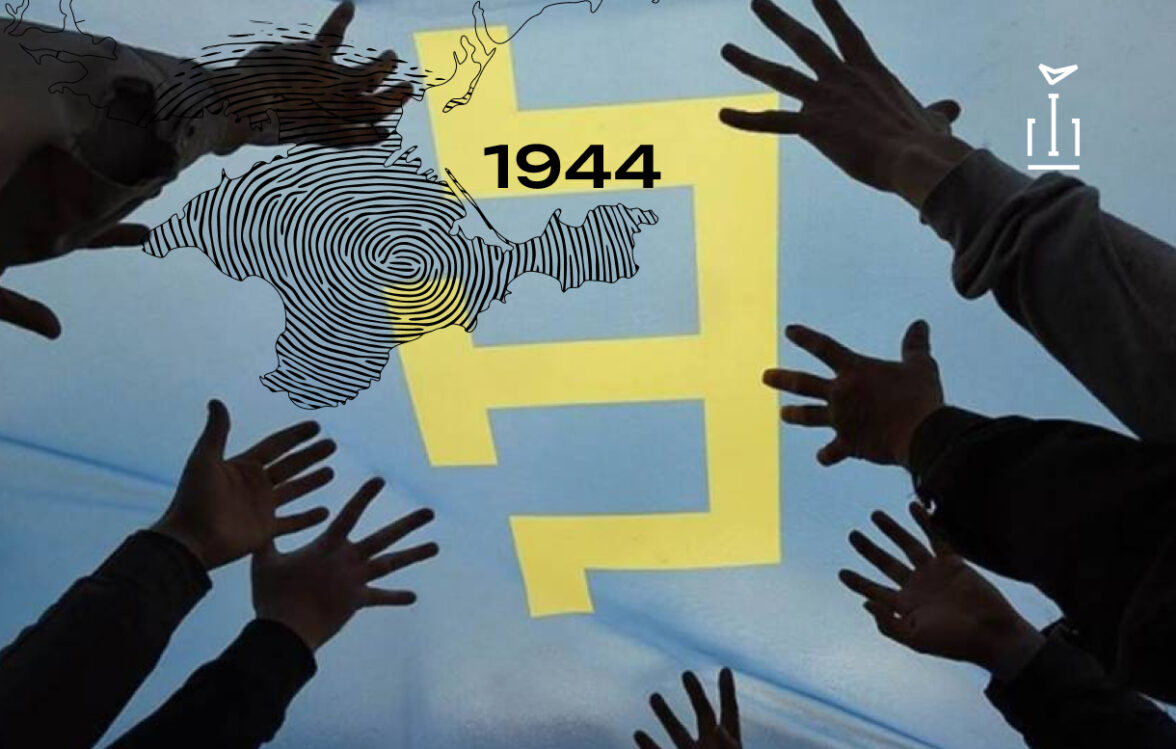
In 2025, Ukraine marks the tenth anniversary of the Verkhovna Rada’s Resolution recognizing the 1944 deportation of the Crimean Tatar people as an act of genocide.
On May 18, 1944, under the order of Soviet dictator Joseph Stalin, a mass deportation of the Crimean Tatars took place. Within several days, nearly the entire indigenous population of Crimea—around 200,000 people, mostly women, children, and older people—was forcibly removed to remote areas of Central Asia and Siberia. The expulsion, known as Sürgün(“exile”), led to mass deaths: in the first years of deportation, more than 46% of those displaced perished. This crime aimed to destroy the Crimean Tatar people as a community and to erase their cultural and historical presence in Crimea.
Only in 1989 did the Soviet authorities admit the criminal nature of the deportation, formally condemn Stalin’s actions, and lift the ban on returning. However, no genuine rehabilitation, restoration of rights, or compensation followed. After Ukraine regained independence, the long process of repatriation began, but the question of historical justice remained unresolved.
It was not until November 12, 2015, that the Verkhovna Rada of Ukraine adopted Resolution No. 792-VIII “On the Recognition of the Genocide of the Crimean Tatar People”, officially declaring the 1944 deportation an act of genocide. The same year, May 18 was proclaimed the Day of Remembrance for the Victims of the Genocide of the Crimean Tatar People. This decision represented an act of historical justice and state recognition of the tragedy of Ukraine’s indigenous people. It also gained special significance as it was adopted after Russia’s occupation of Crimea.
Since the occupation of Crimea by Russia in 2014, the Crimean Tatars have once again become victims of persecution. The occupying authorities banned the Mejlis of the Crimean Tatar People, labelling it an extremist organization, and continue to repress activists, journalists, and community leaders through raids, unlawful arrests, and coercion. Fundamental rights—such as the right to education in the native language, freedom of religion, and cultural expression—are being violated. Even commemorative events on May 18 are prohibited under threat of punishment, continuing Russia’s genocidal and ethnically repressive policies that began in 1944.
These actions aim to erase Crimean Tatar identity and sever the people’s connection to their homeland. The occupation of Crimea is not only a violation of Ukraine’s territorial integrity but also a grave crime against human rights, targeting the indigenous population of the peninsula. Therefore, the restoration of Ukraine’s sovereignty over Crimea is inseparable from the restoration of justice for the Crimean Tatar people.
Since the adoption of the 2015 Resolution, Ukraine has actively promoted international recognition of the Crimean Tatar deportation as an act of genocide. The first countries to support Ukraine were Latvia (May 2019) and Lithuania (June 2019). In 2022, the House of Commons of Canada unanimously recognized the deportation as an act of genocide against the Crimean Tatar people. During 2024–2025, the parliaments of Poland, Estonia, the Czech Republic, and the Netherlands adopted similar decisions, with the latter even urging the European Union to issue a joint recognition. In 2024, Crimean Tatar activists, with the support of the Ukrainian government, initiated a petition to the German Bundestag calling for such recognition.
Today, Ukraine honors the victims of the genocide of the Crimean Tatar people not only as a memory of the past but also as part of a shared struggle for the future—a free, de-occupied Crimea where human rights, including those of indigenous peoples, are fully restored. The memory of the 1944 genocide and the ongoing repressions under occupation are two chapters of the same story, reminding the world that the fight for human rights, freedom, and truth continues. Ukraine and the international community stand together in defense of those who have paid the highest price for the right to call their homeland home.