01 November 2025
Crimea Days in Ivano-Frankivsk Region: Partnership, Culture, and Memory as a Path to Reintegration
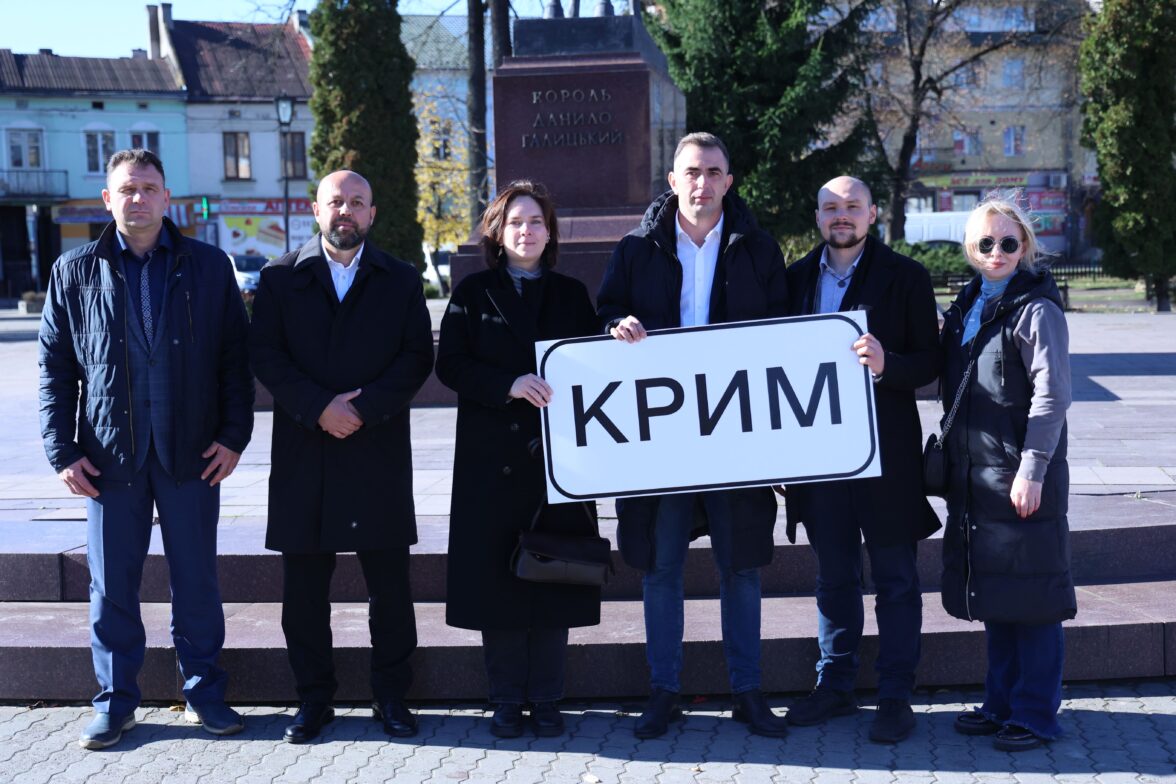
On October 30–31, the Ivano-Frankivsk region hosted Crimea Days — a series of events aimed at strengthening interregional cooperation, promoting cultural dialogue, and advancing the state policy of de-occupation and reintegration of the temporarily occupied territories. The initiative was organized by the Mission of the President of Ukraine in the Autonomous Republic of Crimea / Office of Crimea Platform in cooperation with the Ivano-Frankivsk Regional State (Military) Administration, local communities, and educational and cultural institutions.
October 30
The Office and the Ivano-Frankivsk Regional Administration signed a Memorandum of Cooperation
During her working visit to Ivano-Frankivsk, Permanent Representative Olga Kuryshko and Head of the Ivano-Frankivsk Regional State Administration Svitlana Onyshchuk signed a Memorandum of Cooperation and Partnership.
The document provides for joint efforts to implement the state policy of de-occupation and reintegration, develop joint cultural, educational, and communication initiatives, and strengthen community cooperation within the national project “Shoulder to Shoulder: United Communities.”
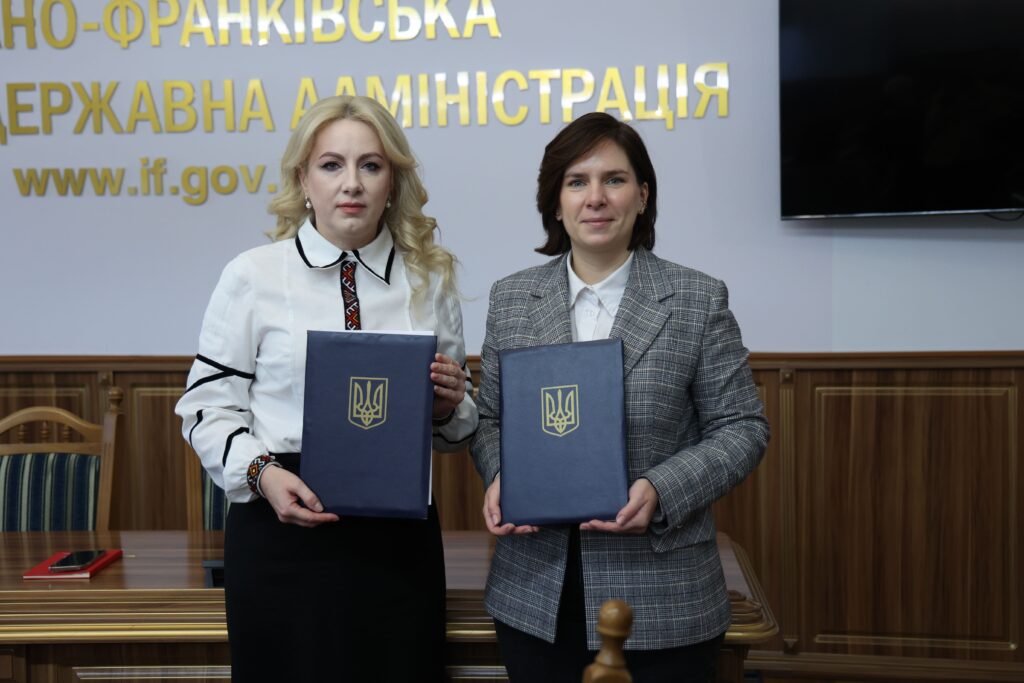
Both sides reaffirmed their shared position condemning the occupation and militarization of Crimea and Russia’s armed aggression against Ukraine. The Memorandum aims to promote the integration of Crimean issues into regional life, foster cultural exchanges, support Ukraine’s Indigenous peoples, and build human capacity for the future recovery of de-occupied territories.
Meeting at Vasyl Stefanyk Carpathian National University
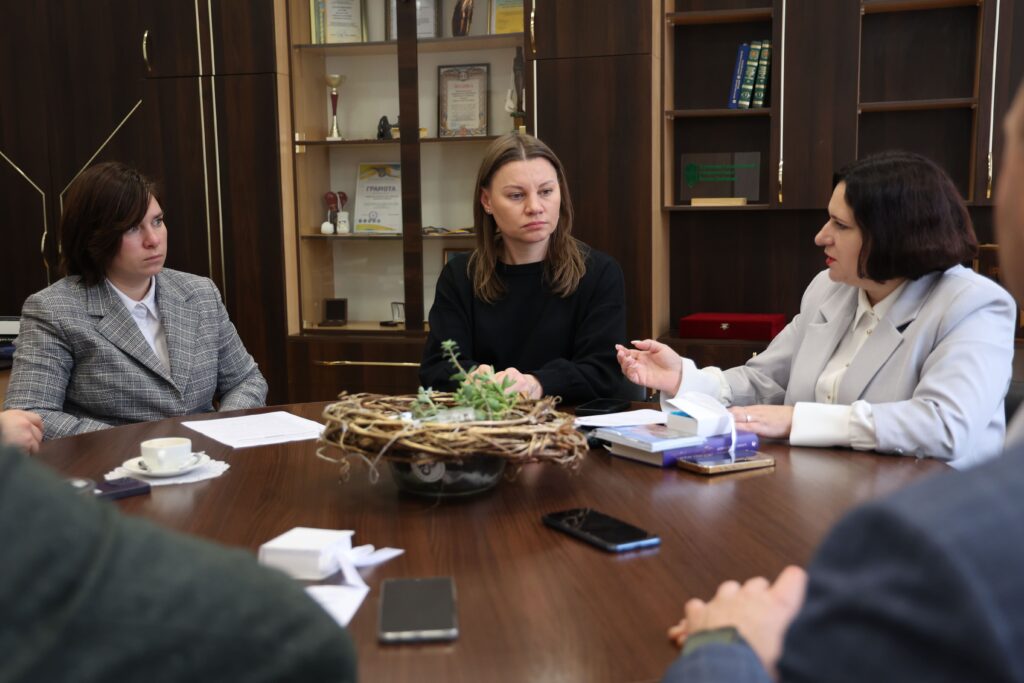
During the visit, Ms. Kuryshko met with the university’s leadership and faculty. The discussion focused on integrating Crimean topics into academic programs, research, and student initiatives. The Permanent Representative emphasized the key role of universities in shaping public consciousness and preparing professionals who will contribute to Crimea’s recovery and reintegration.
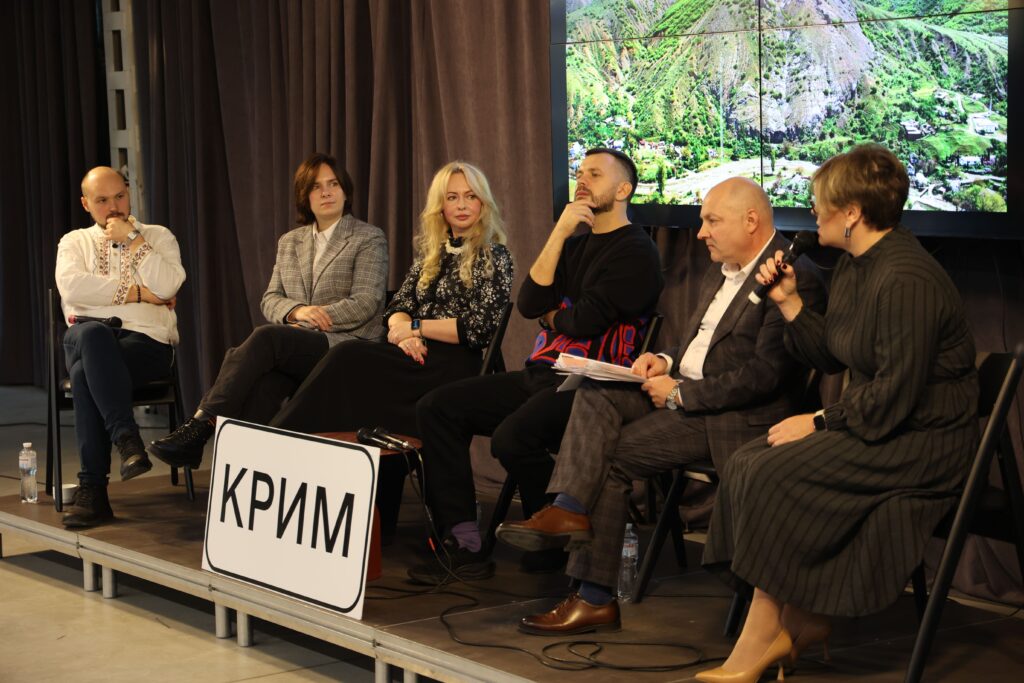
Panel Discussion: “Unity through Culture: Crimea and the Path to Reintegration”
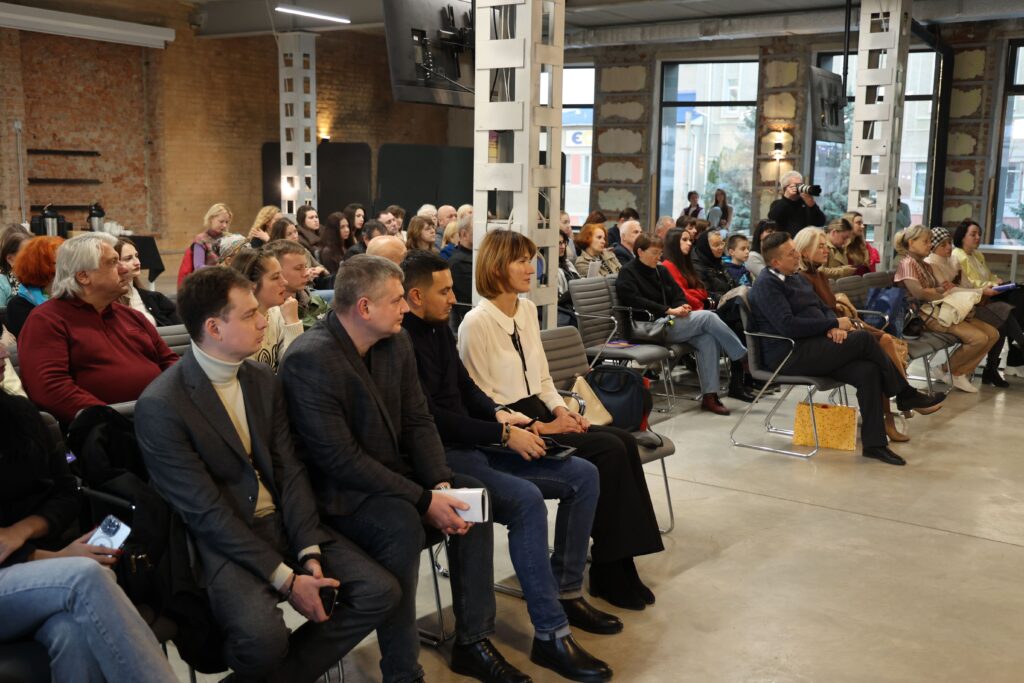
A key event of the first day was a panel discussion at the Promprylad. Renovation space, bringing together government representatives and civil society experts.
Participants included Permanent Representative Olga Kuryshko, Mariyana Tomyn (Head of the Shoulder to Shoulder project), Yuriy Fyliuk (co-founder of Teple Misto and Urban Space 100), Liubomyr Kharuk (Acting Director of the Ivano-Frankivsk Regional State Archive), and Oksana Hliebushkina (Executive Director of Nova Heneratsiia NGO). The discussion was moderated by Yevhen Bondarenko, Head of the Office’s Information Department.
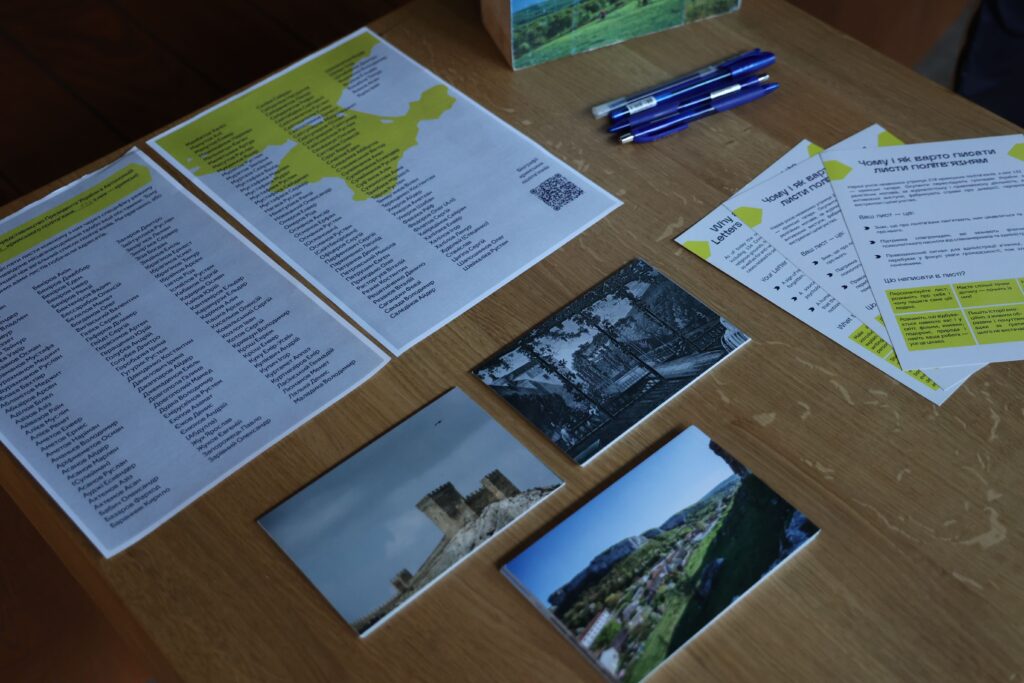
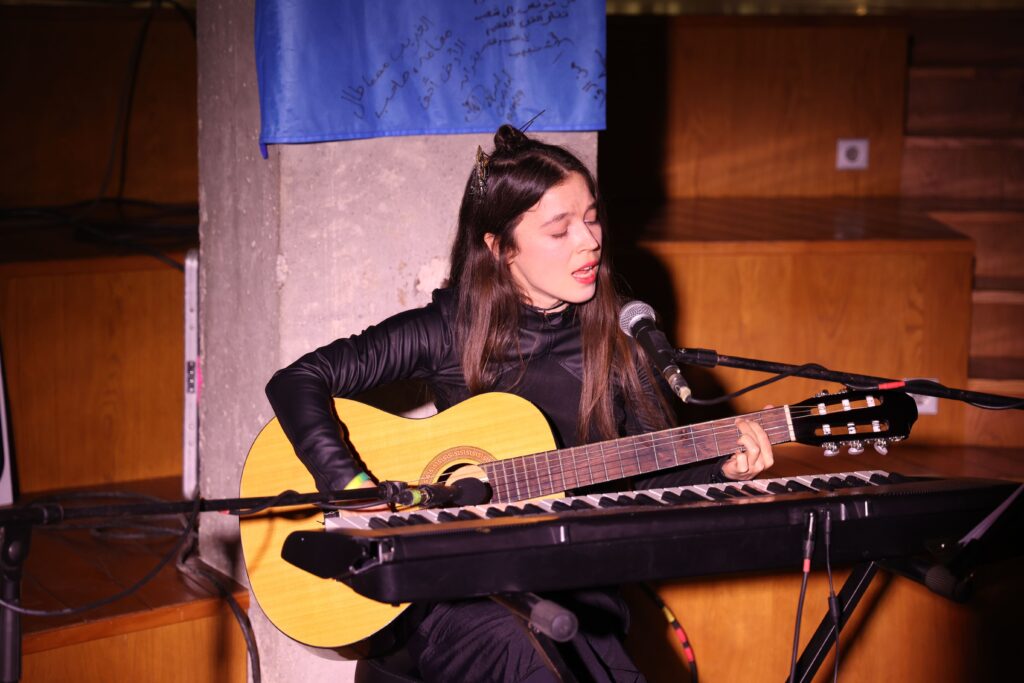
The program also included the “Letters to Free Crimea” initiative, a performance by Crimean Tatar artist Aziza Eskender, and a presentation of Crimean Tatar cuisine at the Foodoteka food market.
The program also included the “Letters to Free Crimea” initiative, a performance by Crimean Tatar artist Aziza Eskender, and a presentation of Crimean Tatar cuisine at the Foodoteka food market.
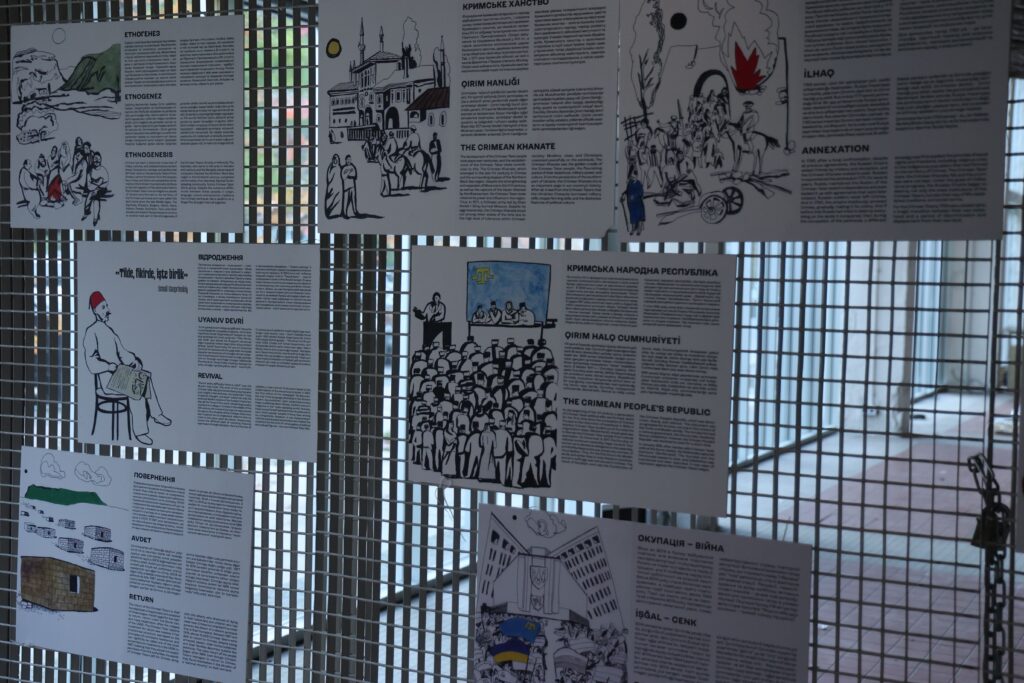
As part of the partnership with Promprylad, an exhibition titled “Chronology of Events: Crimea” by artist Anton Logovis is running from October 30 to November 6, exploring the visual history of the Crimean Tatar people from their ethnogenesis to the present.
October 31
Meeting with the Mayor of Halych
On October 31, the Permanent Representative visited Halych, where she met with Mayor Oleh Kantor as part of the Shoulder to Shoulder: United Communities pilot project. The meeting focused on fostering intercommunity partnerships, preserving the culture of Ukraine’s Indigenous peoples, and maintaining cultural memory at the local level.
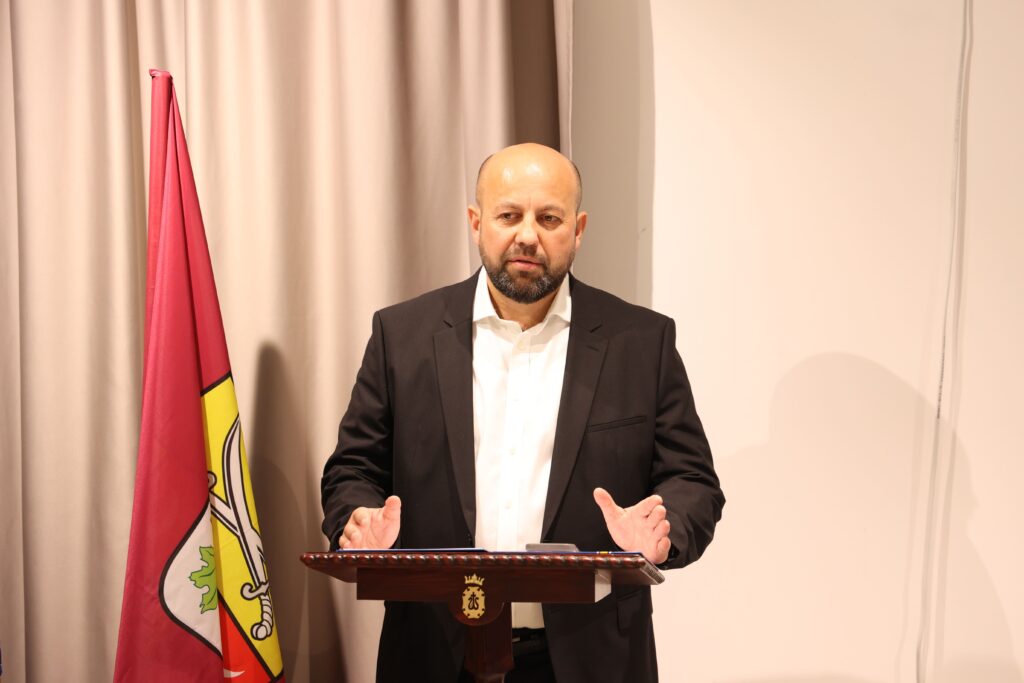
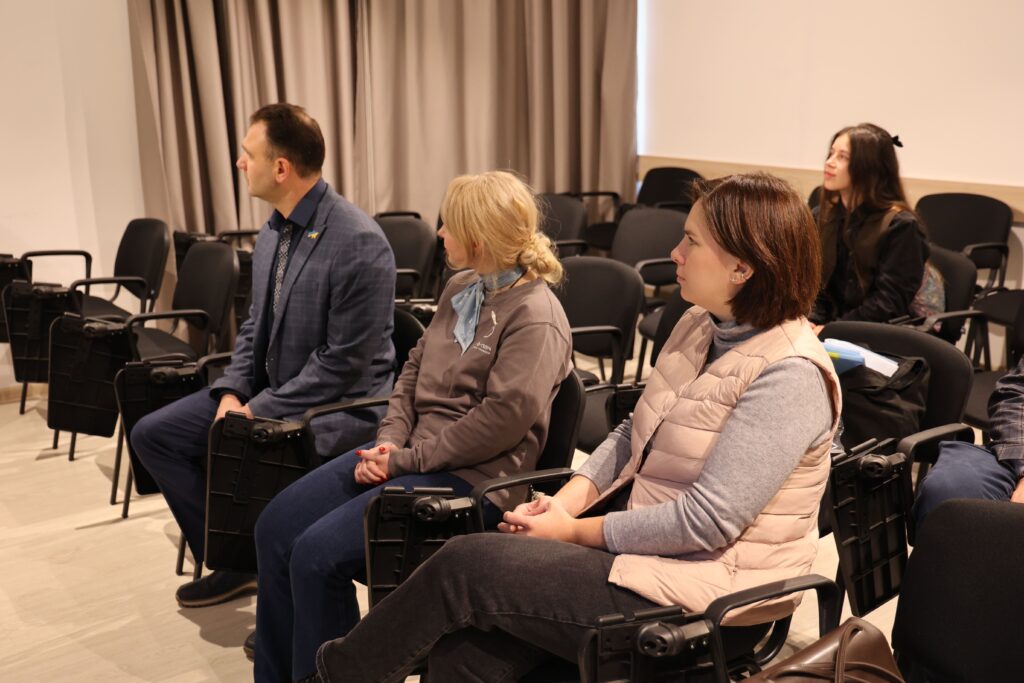
Ms. Kuryshko also expressed gratitude to Ihor Kashavtsev, Deputy Mayor of Chuhuiv, for his efforts to preserve the memory of the Karaim people.
Honoring the Memory of the Karaims of Halych
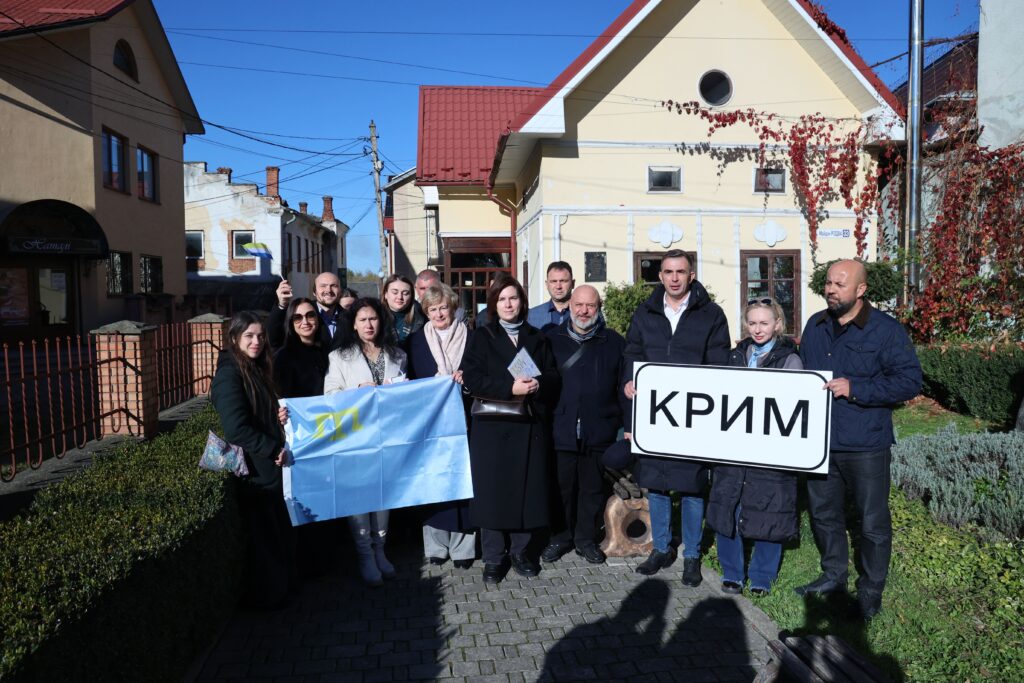
The same day, the Office’s team participated in a ceremony honoring the memory of the Karaims at the 17th–18th-century Karaim Cemetery — one of the oldest witnesses to Crimea’s multicultural heritage.
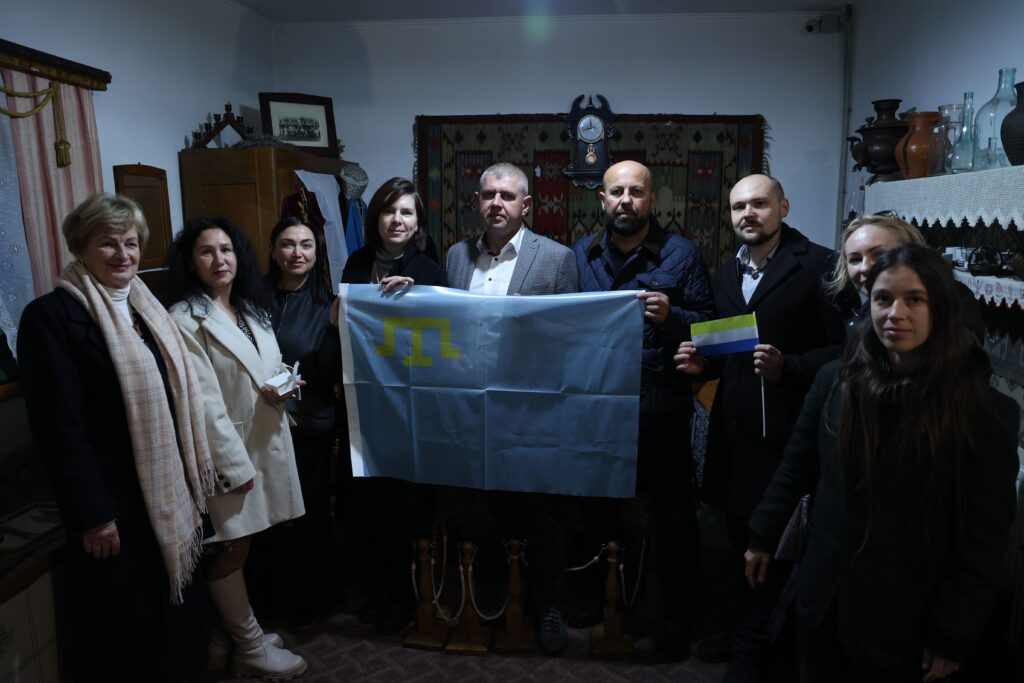
Participants included Permanent Representative Olga Kuryshko, Yevhen Bondarenko, Yana Novalenko (Chief Consultant of the Reintegration Department), Oleh Kantor, Mariyana Tomyn, Volodymyr Oliinyk (Director General of the Ancient Halych National Reserve), Karaim serviceman Andriy Oleinikov, Ms. Nataliya (daughter of the oldest Karaim in Halych), and artist Aziza Eskender.
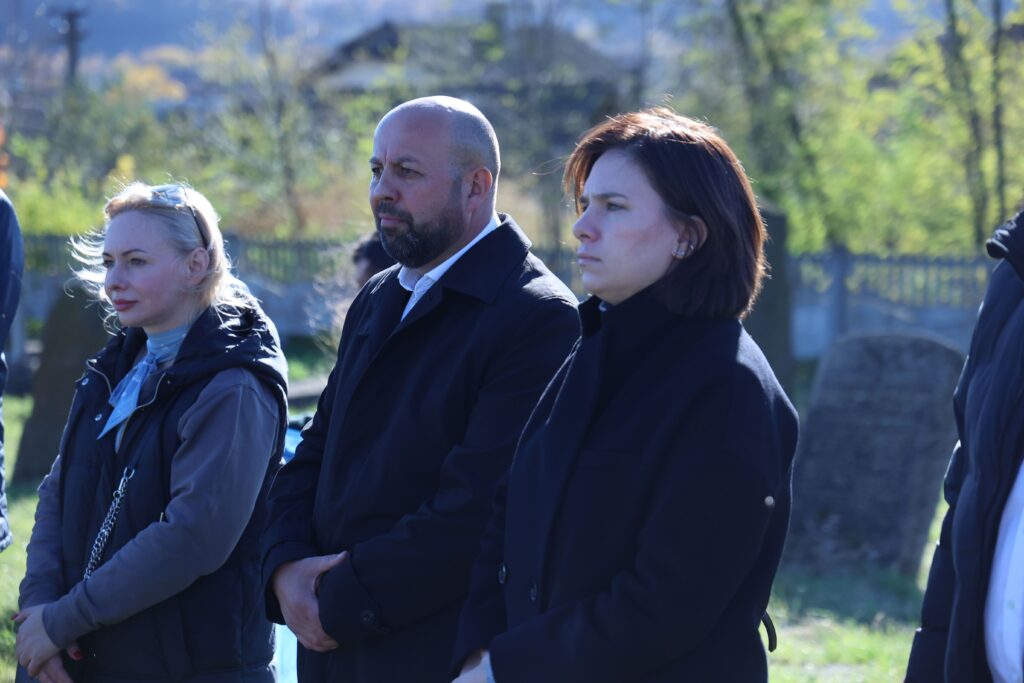
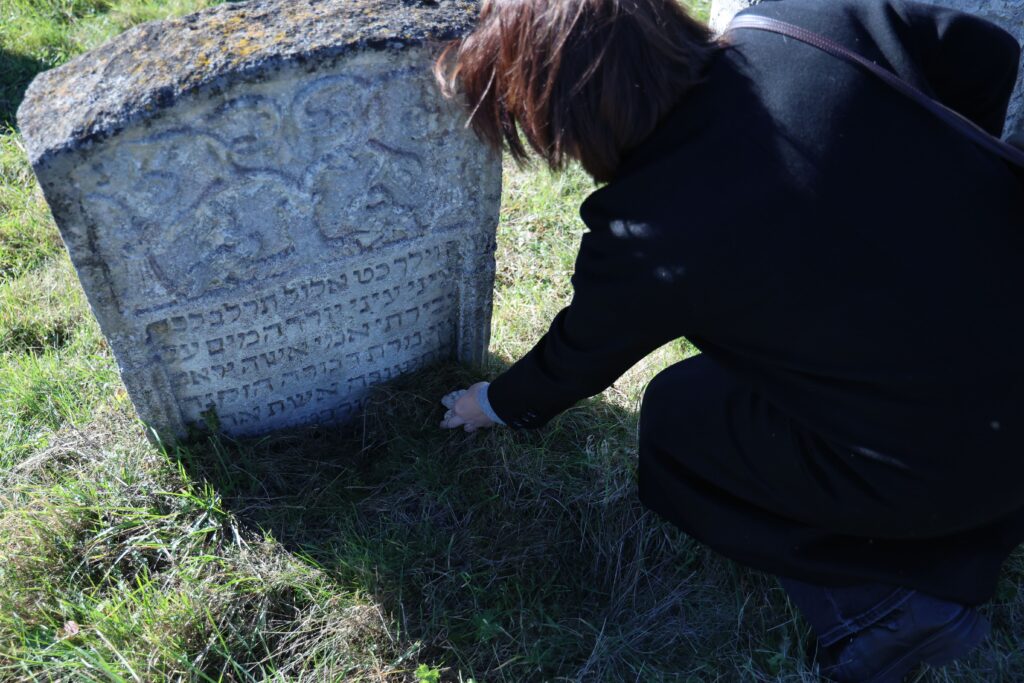
Alexander Dziuba, the only Karaim spiritual leader in Ukraine, led a prayer. The ceremony served as a reminder of the shared history of the peoples who have shaped Crimea’s cultural and spiritual diversity over centuries.
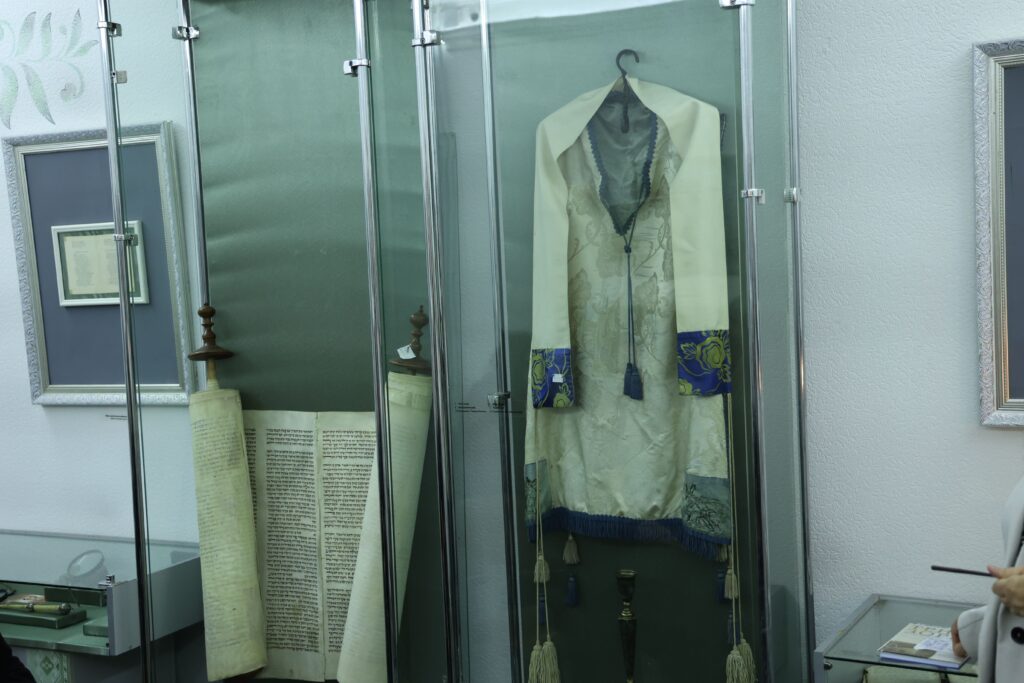
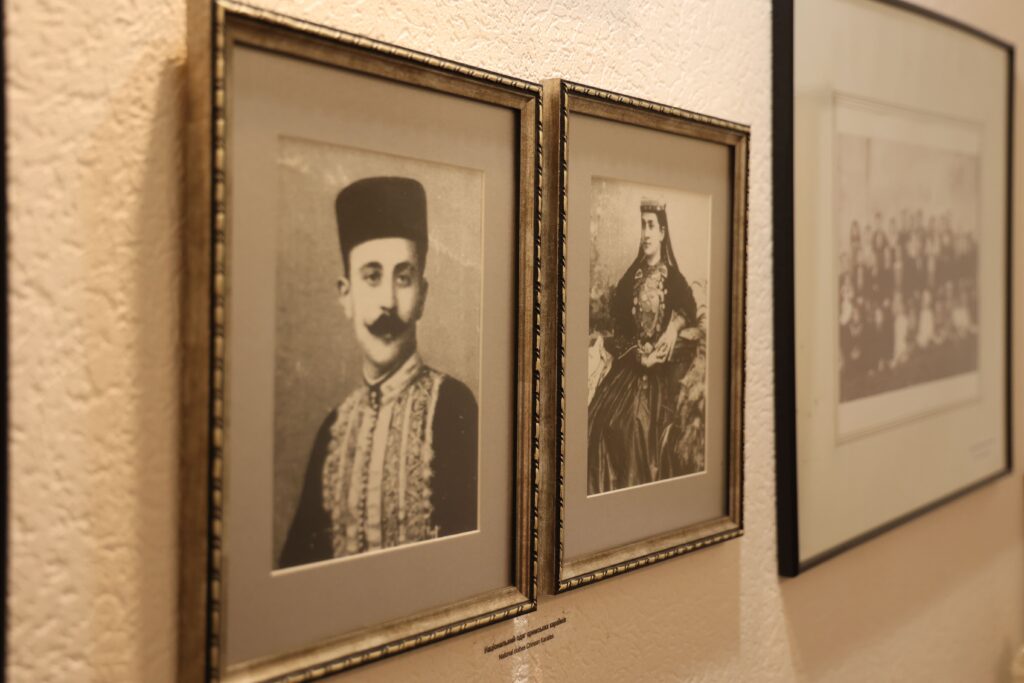
After the ceremony, the delegation visited the Museum of Karaim History and Culture, where the book “Three Stars: Selected Works of Volyn Karaims” (translated by Volodymyr Shabarovsky) was presented. The edition commemorates the 150th anniversary of Oleksandr Mardkovych, a prominent scholar and promoter of the Karaim language.
Exhibition Opening at the Ancient Halych National Reserve
As part of Crimea Days, the Office, together with the national project Shoulder to Shoulder: United Communities, opened an exhibition dedicated to Crimea at the Ancient Halych gallery. The exhibition runs until November 30.
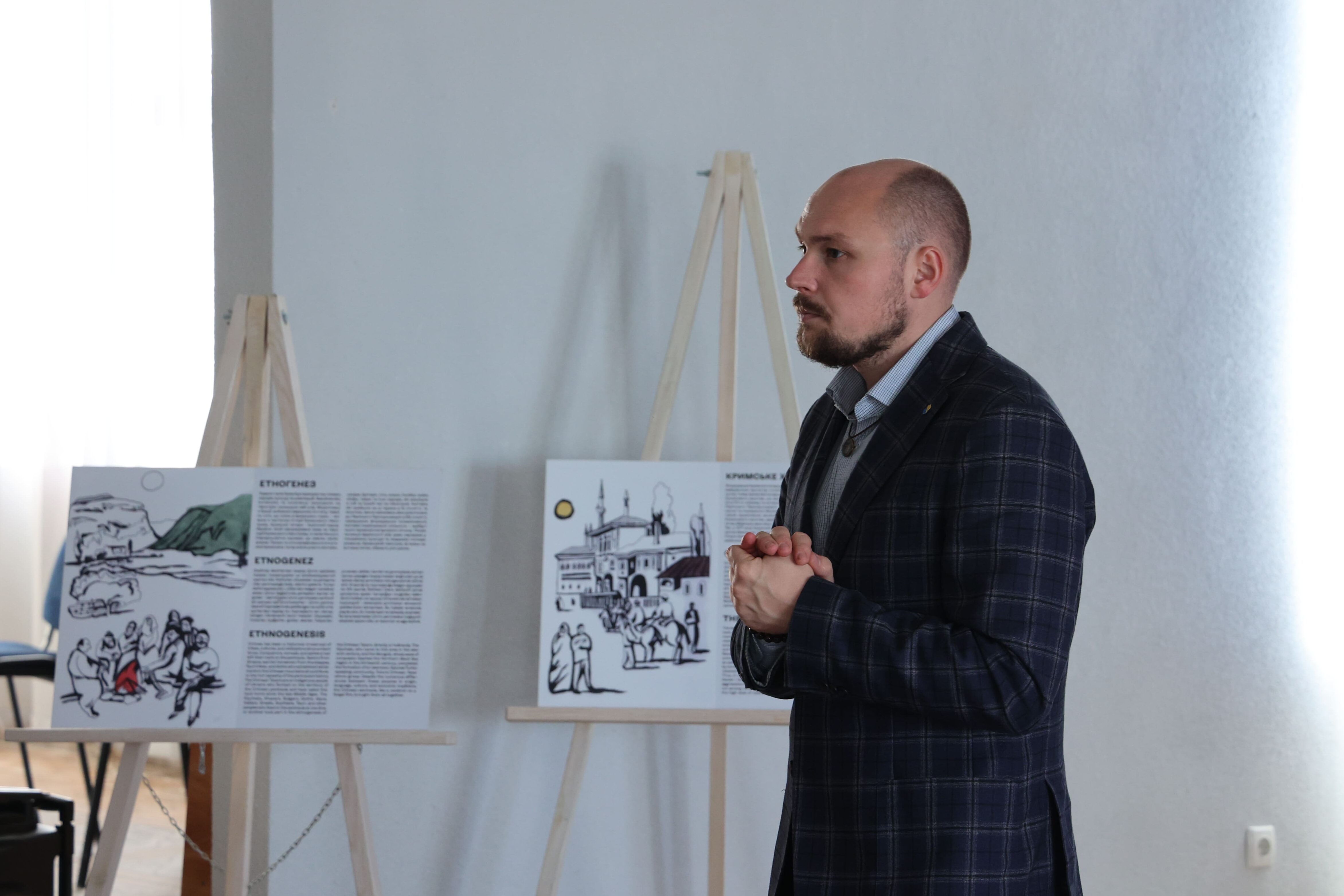
It features two parts: a series by Alevtyna Kakhidze on Crimean political prisoners and the cycle “Chronology of Events: Crimea” by Anton Logov, dedicated to the history of the Crimean Tatar people. During the opening, the Museum of Karaim History and Culture presented a traditional Karaim women’s folk dance.
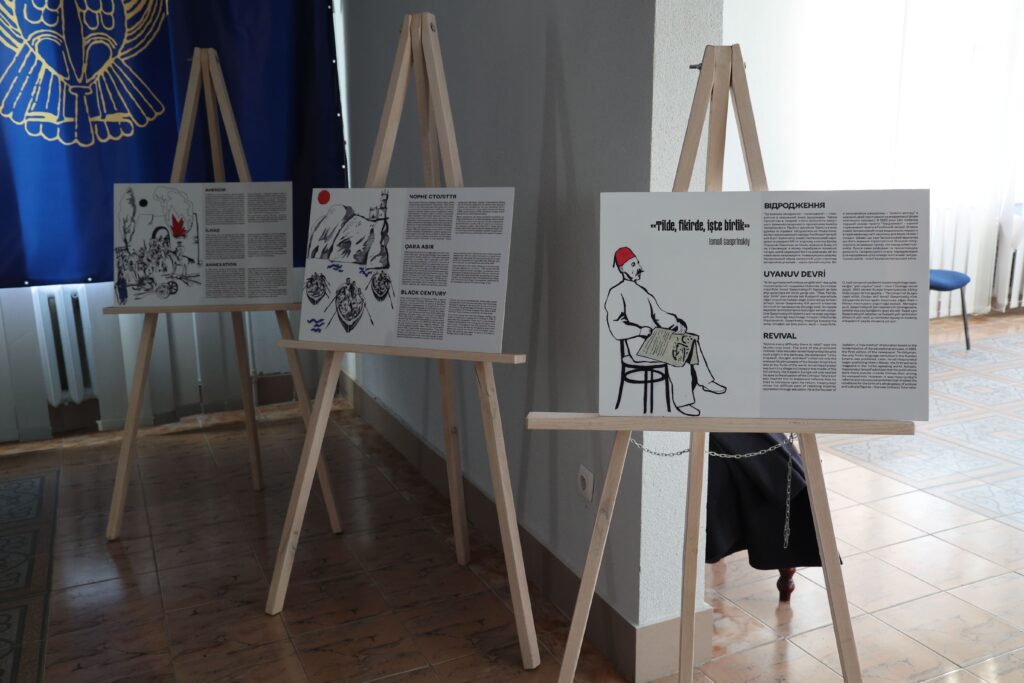
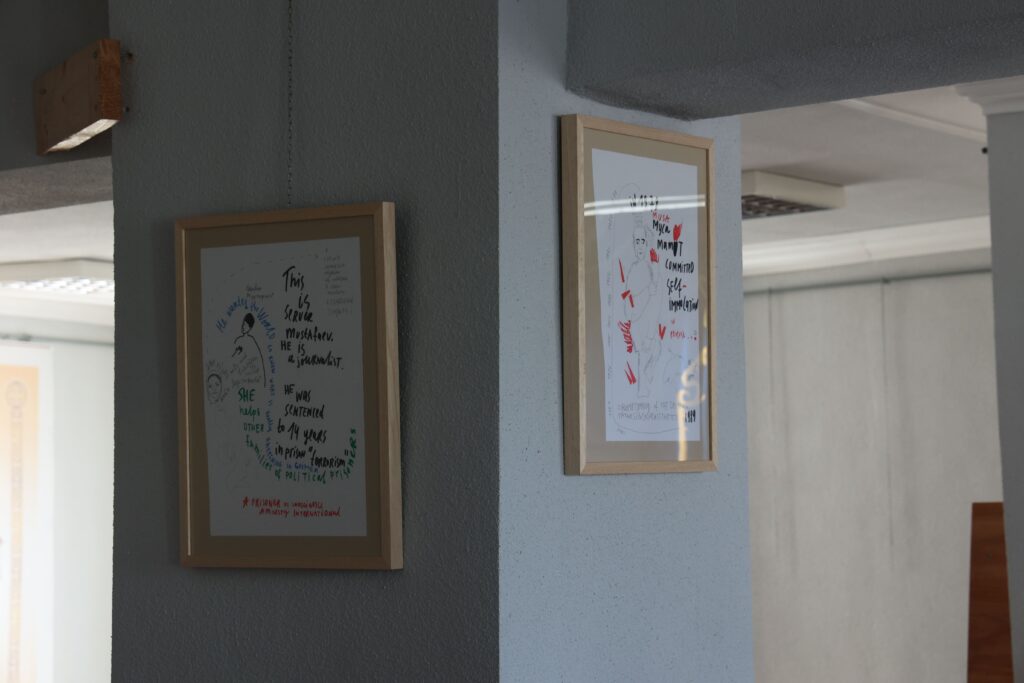
The Mission / Office of the Crimea Platform expresses sincere gratitude to the Ancient Halych National Reserve for its support, cooperation, and for providing a guided tour of Halych Castle to the delegation.
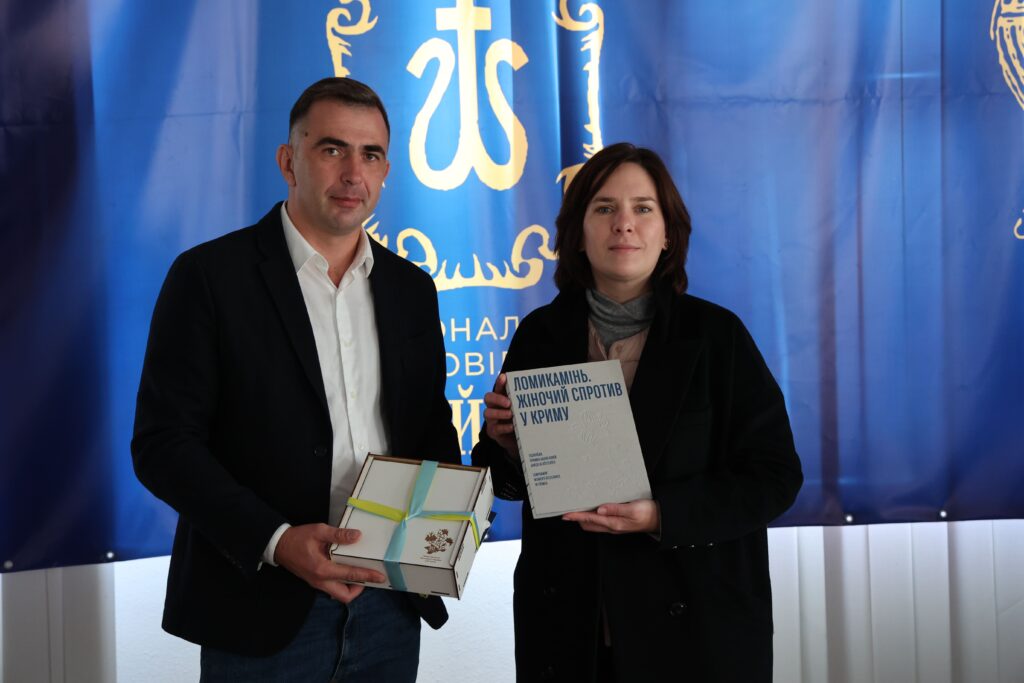
ДCrimea Days in Ivano-Frankivsk Region demonstrated the vitality of partnerships between regions, cultural communities, and state institutions. Through dialogue, memory, and joint action, a shared space of unity is being built — one that brings the de-occupation of Crimea closer.