05 June 2025
Marking World Environment Day: Environmental Threats under Russia’s Occupation of Crimea
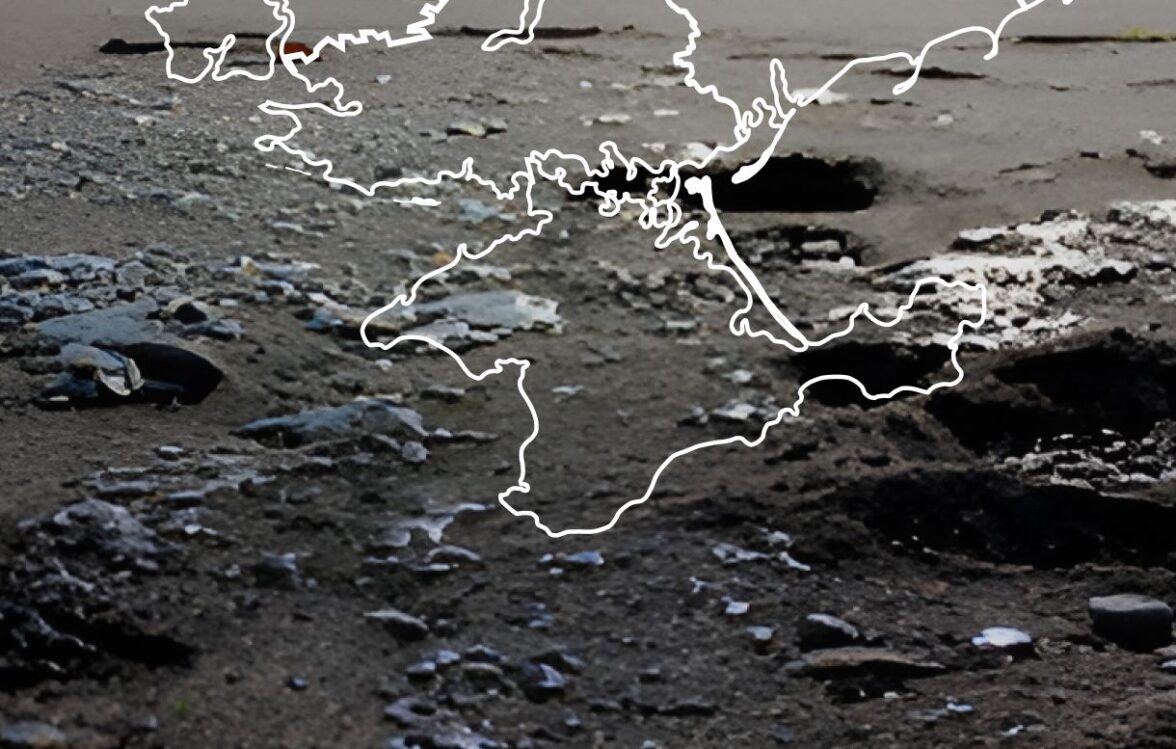
On World Environment Day, as the international community reflects on the importance of environmental protection, Ukraine draws urgent attention to the ongoing ecological devastation in temporarily occupied Crimea. Since the onset of occupation, the region has witnessed systematic environmental degradation, exacerbated by militarization and disregard for ecological standards.
One of the most catastrophic incidents occurred on December 15, 2024, when two aging Russian oil tankers, VOLGONEFT-212 and VOLGONEFT-239, both constructed in the late 1960s and early 1970s, broke apart during a storm in the southern Kerch Strait. This disaster resulted in the spillage of approximately 2,400 to 3,700 tons of M-100 fuel oil—a heavy petroleum product that solidifies at temperatures above 25°C and is denser than water, causing it to sink or remain suspended in the water column, complicating cleanup efforts. The spill contaminated roughly 500 kilometers of the Black Sea coastline, including areas from the Taman Peninsula to Sevastopol and the village of Popivka. The Kerch Peninsula, particularly around Cape Takil, the Yeni-Kale Fortress, and the city of Kerch, suffered significant pollution. The affected zones encompass protected areas like the Ayuv Dağ Nature Reserve and regions identified by international scientific bodies as critical habitats for marine mammals. The spill poses a severe threat to the unique bottlenose dolphin subpopulation and the migratory routes of the Azov subspecies of the harbor porpoise (Phocoena phocoena relicta), which traverse the Kerch Strait—a vital ecological corridor now obstructed by the construction of the Kerch Bridge and the presence of Russian naval vessels.
Beyond this incident, the occupation has led to widespread environmental harm. Illegal construction projects, including the so-called “Crimean Bridge” and the “Tavrida” highway, have disrupted natural landscapes and encroached upon protected ecosystems. The destruction of wastewater treatment facilities along the coast has degraded water quality in the Black and Azov Seas, posing health risks to local communities. Since 2022, the Russian occupying forces have intensified the militarization of the peninsula, erecting fortifications and conducting military exercises in coastal areas without regard for environmental consequences. These activities have led to soil erosion, habitat loss, and a decline in biodiversity.
A particularly egregious example is the transformation of the Opuk Nature Reserve into a military training ground. From April 1 to December 31, 2025, the area is subjected to daily live-fire exercises, tactical drills, and the operation of military vehicles and aircraft, all involving the use of explosives. Established by Ukraine in 1998, the Opuk Reserve encompasses unique geological features, including Cape Opuk, Mount Opuk, and the adjacent Koiashske Salt Lake, as well as marine areas now entirely removed from environmental protection regimes.
Marine life, particularly cetaceans and other aquatic organisms, is suffering due to acoustic, chemical, and physical pollution. These disturbances disrupt migration patterns, cause disorientation, reduce populations, and lead to mass extinction. The natural resilience of marine ecosystems is overwhelmed by the scale of militarization and pollution.
The occupation has also resulted in the loss of legal protections for unique flora and fauna. Species once safeguarded under Ukrainian law are no longer protected, especially those not listed in the Russian Federation’s Red Data Book. Research by the NGO CrimeaSOS indicates that only species recognized by both Ukrainian and Russian conservation lists retain some level of protection, leaving many endemic species vulnerable to extinction.
Waste management has deteriorated, with outdated landfills and unauthorized dumps becoming commonplace. The occupying authorities’ attempts to address the issue through the construction of waste incineration plants introduce new risks, including air pollution from toxic emissions and potential technological failures.
On this World Environment Day, Ukraine urges the international community to enhance environmental monitoring of the occupied territories, particularly Crimea, and to initiate independent investigations into the extensive ecological damage resulting from the Russian Federation’s military activities. Protecting the environment in occupied regions is not only a matter of ecological concern but also a critical component of upholding international law and human rights.