17 November 2025
Second Panel Discussion “The ‘Black Mirror’ Series We Live In” at the Third International Conference “Crimea Global”
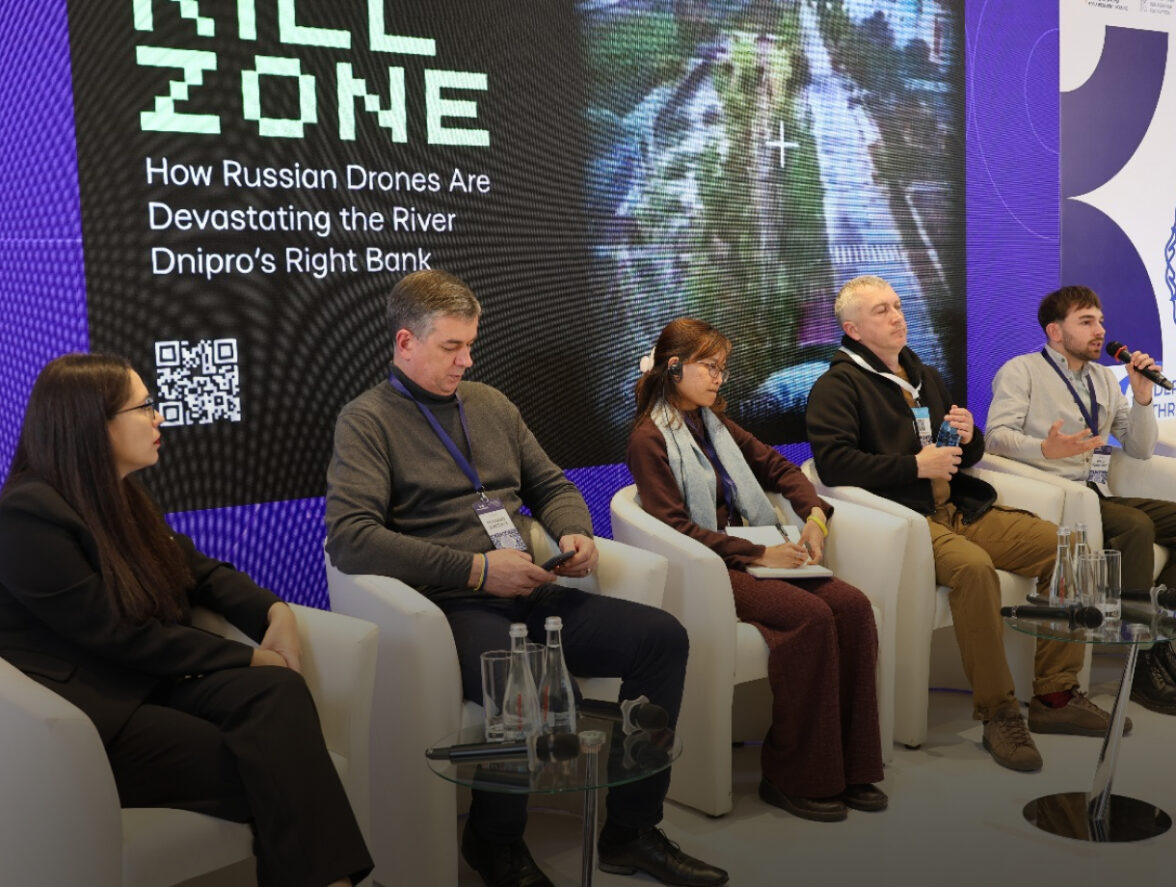
As part of the Third International Conference “Crimea Global. Understanding Ukraine through the South,” the second panel discussion, “The ‘Black Mirror’ Series We Live In: ‘Drone Safari’ and Other Modern Means of Waging War Against Civilians,” took place. The discussion focused on how authoritarian regimes use new technologies against peaceful citizens.
The panel brought together: Serhii Ivashchenko, head of the Antonivka administrative district; Mykhailo Lynetskyy, First Deputy Head of the Kherson City Military Administration; Vitalii Poberezhnyi, researcher at Truth Hounds; and Su Mon Thant, Senior Analyst on the Asia-Pacific Region at ACLED.
The discussion was moderated by Hanna Shelest, Director of the Security Studies Program at the Foreign Policy Council “Ukrainian Prism.”
Mykhailo Lynetskyy emphasized that in 2025 Russia significantly intensified its attacks, including drone strikes, artillery fire and other types of weaponry. Compared to 2024, their number tripled, leading to a substantial increase in the number of those killed and injured. He underscored that the majority of victims suffered from drone attacks, including children, and reported that more than 1,500 people were injured from the beginning of the year to October.
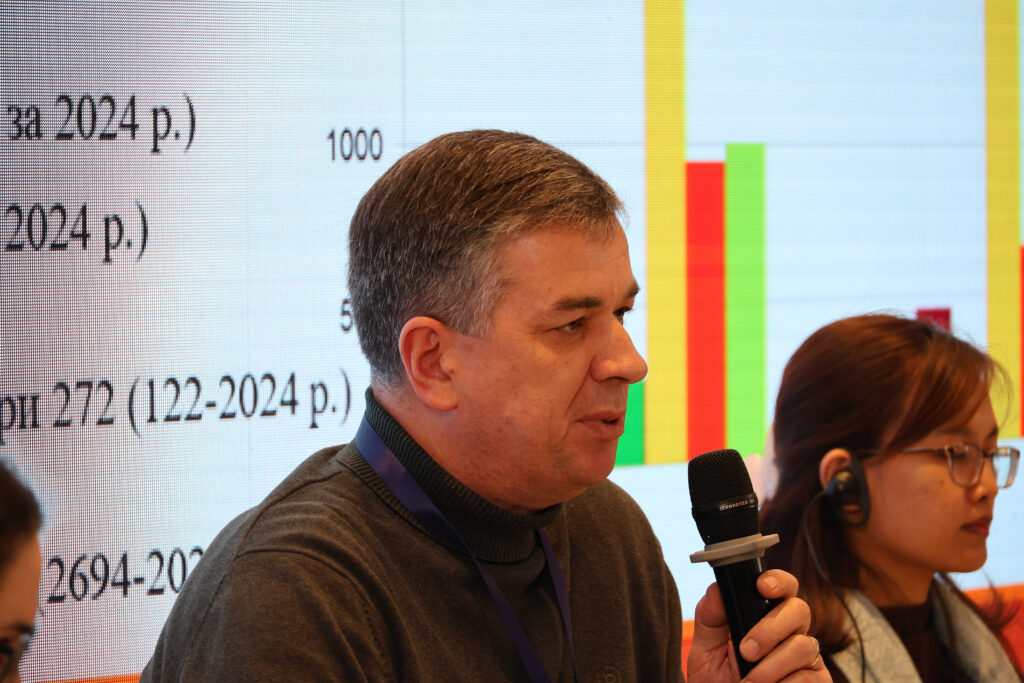
“Every Russian soldier, every drone operator who knowingly participates in attacks against civilians is a war criminal. And for many years we will continue appealing to the international community so that everyone who deliberately directs their weapon of death at police officers, paramedics, utility workers or gatherings of elderly people at humanitarian aid distribution points faces fair and unavoidable punishment.”
Serhii Ivashchenko noted that the village of Antonivka in the Kherson district, located just 2 kilometers from the front line, suffers daily from dozens of drones attacking civilian homes and killing residents. He added that the occupiers also wage war against civilians in the territories they have captured, installing surveillance cameras, wiretapping phones, blocking messaging apps and confiscating mobile devices to extract information. This turns the temporarily occupied territories into an actual exclusion zone, where everyday life is filled with fear, restrictions on freedom and constant threats to life.
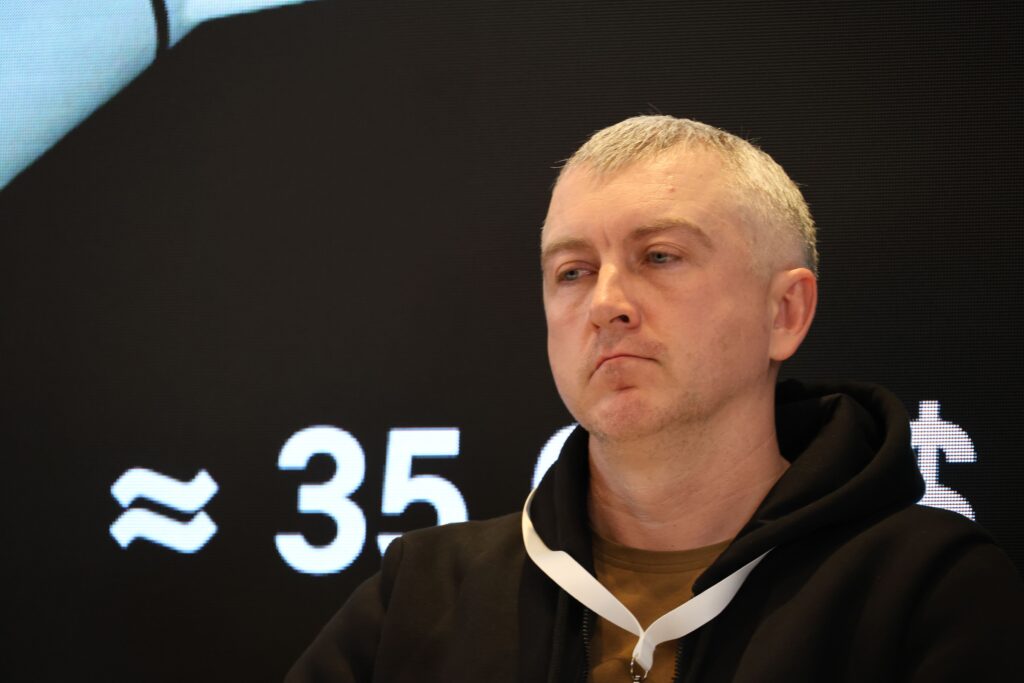
During his presentation, Vitalii Poberezhnyi introduced the Truth Hounds report “Kill Zone: How Russian Drones Devastate the Right Bank of the Dnipro,” stressing that Russia systematically terrorizes civilians using cheap and precise FPV drones that are easy to produce and operate until impact. He also noted that the number of killed and injured is growing, UAV attacks exceed artillery strikes, and the targeted hits on civilians and service workers show the deliberate nature of these attacks, as confirmed by UN monitoring and local councils.
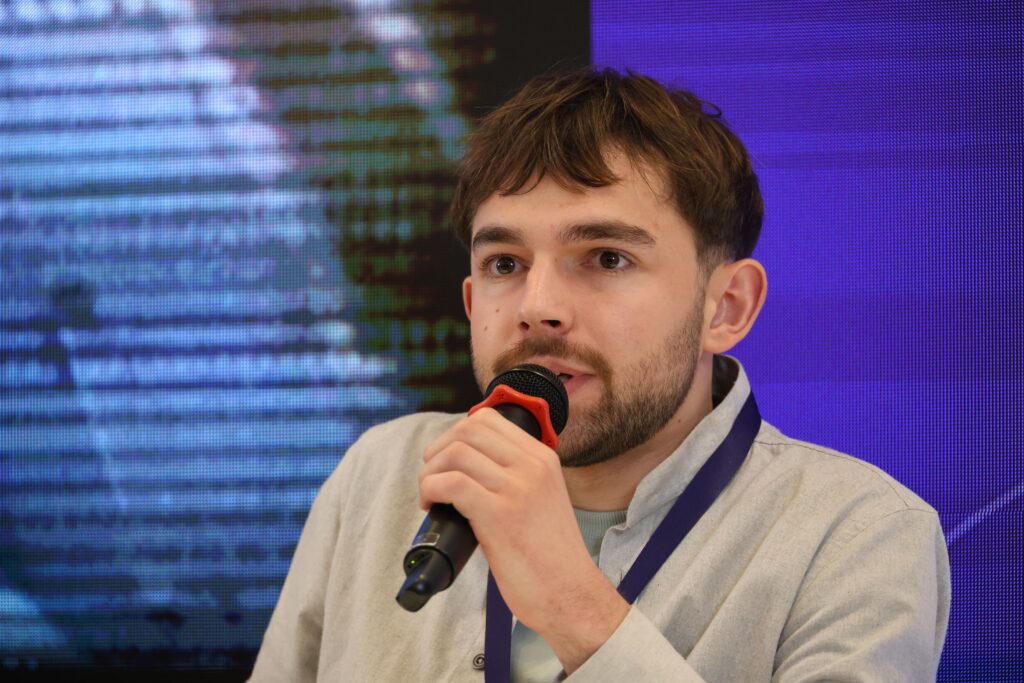
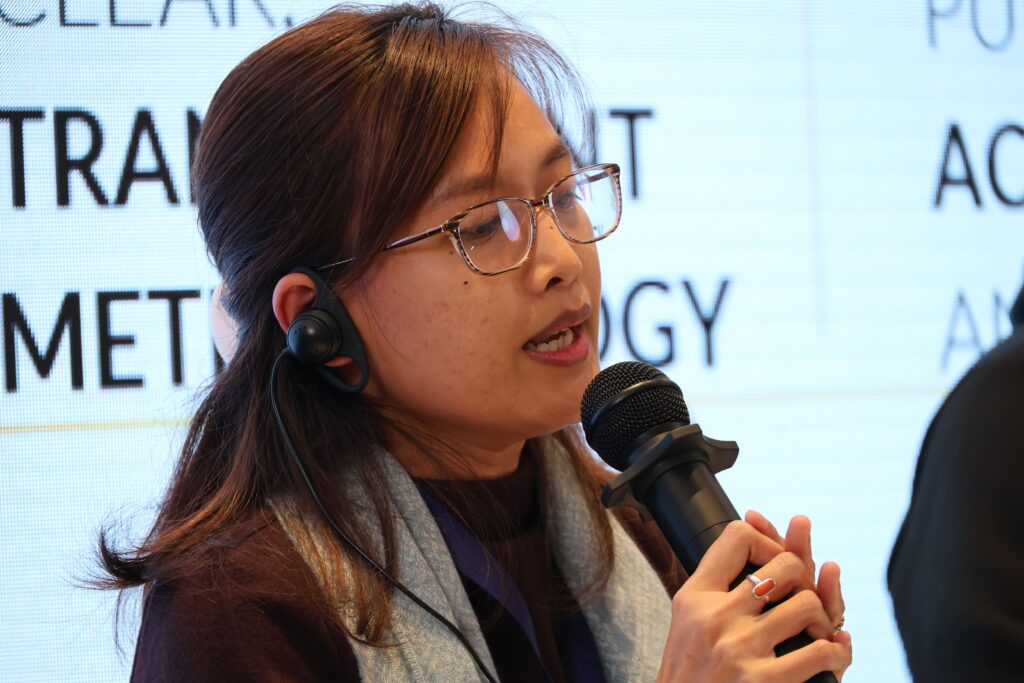
Su Mon Thant highlighted new challenges for the Southeast Asian region due to the rapid development of technology, noting that Myanmar actively uses drones and is currently a leader in this segment because of the civil war that has been ongoing since 2021.
Additionally, Assaad al-Achi, President of the Syrian Center for Media and Freedom of Expression, delivered a special address to the panel. He shared the experience of rebuilding the country after the fall of Bashar al-Assad’s regime. He emphasized that Ukraine and Syria have many common grounds for cooperation, not only because of a shared enemy, but also because of similar challenges in rebuilding the state, society, and economy after war.