10 February 2025
The Second Death Anniversary of Dzhemil Hafarov: Russia Kills Crimean Political Prisoners
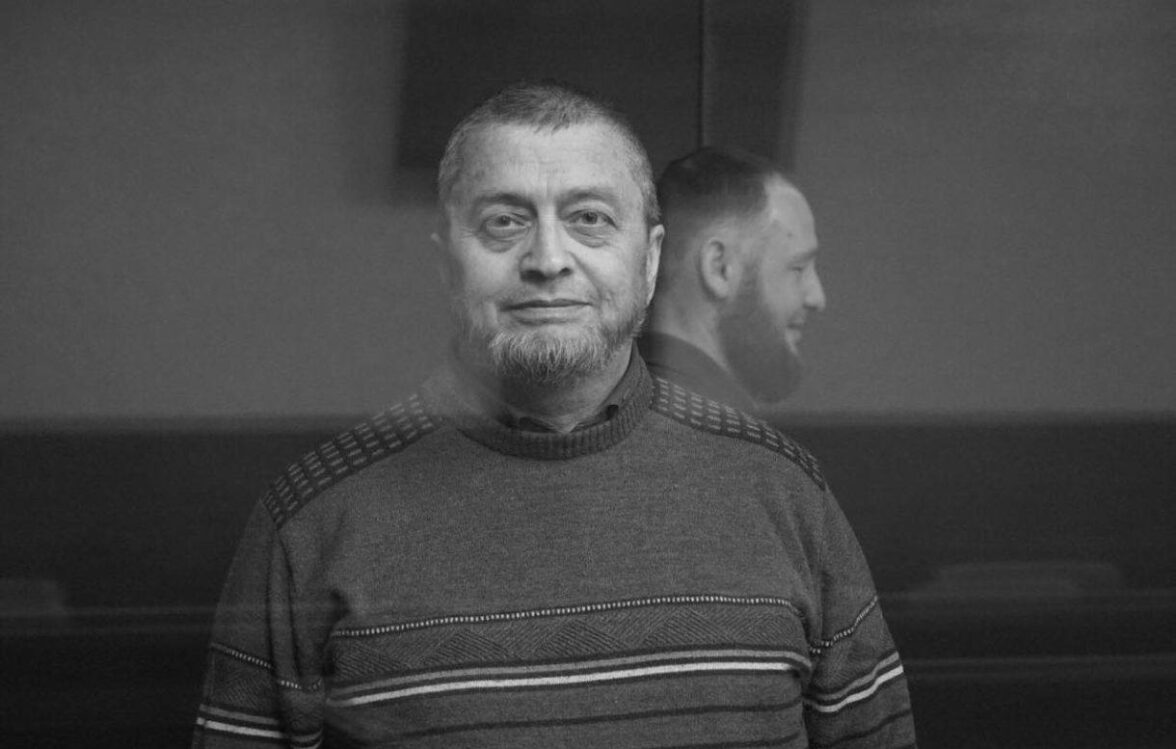
On February 10, two years will have passed since the death of Crimean political prisoner Dzhemil Hafarov, a 60-year-old Crimean Tatar, who died in the Novocherkassk Pre-trial Detention Center of the Russian Federation due to the denial of necessary medical care.
Russian security forces arrested him on March 27, 2019, following a search of his home in temporarily occupied Crimea. Despite his critical health condition—Dzhemil Hafarov had a Group II disability and suffered from chronic heart and kidney disease—the occupation administration unlawfully sentenced him to 13 years in prison. Despite numerous requests for medical examinations and official complaints regarding inhumane treatment, the Russian Federation refused to provide him with proper medical assistance.
On February 10, 2023, he died in his cell. The forensic medical examination concluded that the cause of death was cardiovascular failure caused by atherosclerotic heart disease. This was the second recorded death of a Crimean political prisoner in Russian prisons. Just three days earlier, on February 7, 2023, 61-year-old Kostiantyn Shyrinh died in a penal colony in the Orenburg region.
The death of Dzhemil Hafarov is yet another confirmation that the denial of medical care is one of the methods used to eliminate political prisoners in Russian prisons. Detention conditions, physical and psychological pressure exacerbate chronic diseases, leading to severe medical complications that the Russian prison administration deliberately ignores.
As of today, 218 Ukrainian citizens remain unlawfully imprisoned in Russia, 132 of whom are representatives of the Crimean Tatar people. They face fabricated charges, including “terrorism,” “extremism,” and “state treason.” Many had severe health conditions even before imprisonment, while others developed illnesses due to torture, unsanitary conditions, and lack of access to medical care.
The lives of each of these prisoners are at risk, and the case of Dzhemil Hafarov is only one of many. Only the de-occupation of Crimea will ensure the freedom of those unlawfully imprisoned and restore peaceful life free from oppression and repression on the peninsula.