14 August 2026
Faces of Resistance: Second Anniversary of Oksana Senezhuk’s Detention
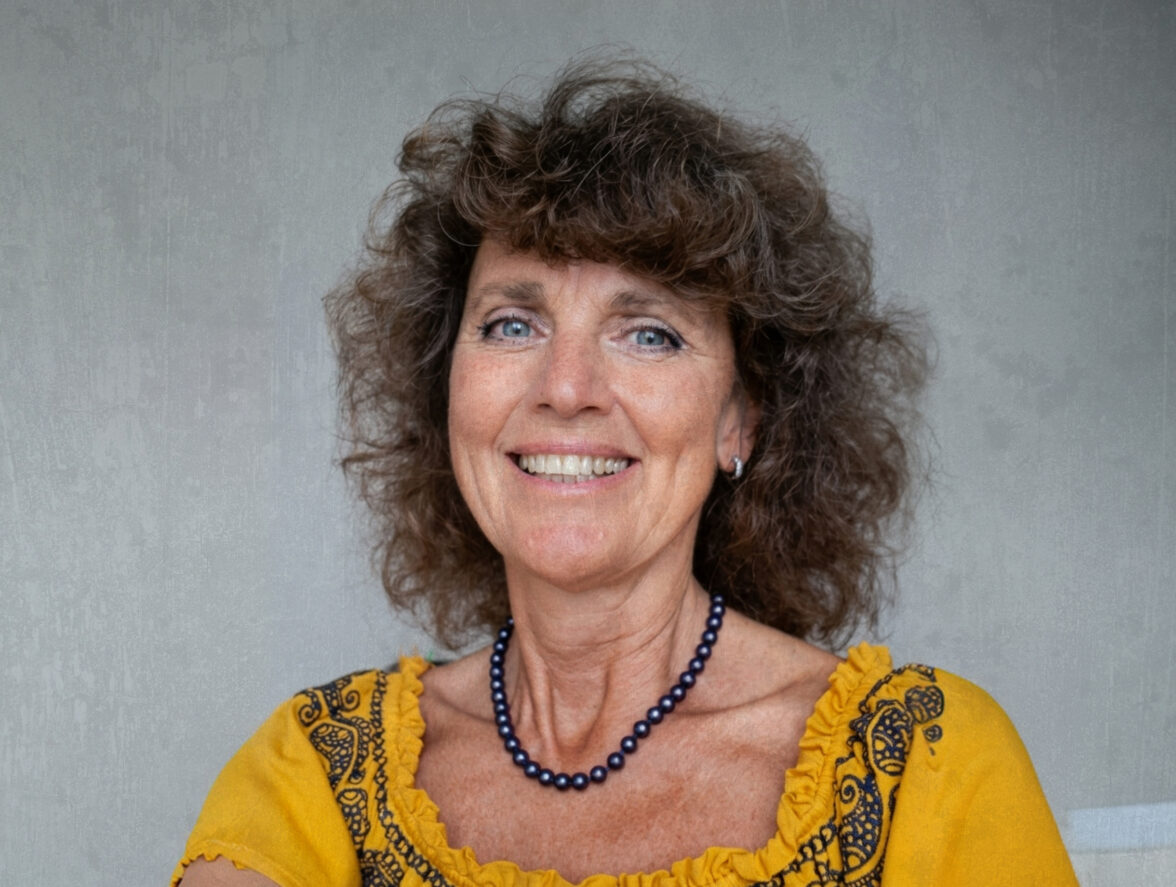
Life before detention:
Oksana Senezhuk was born on October 27, 1966. She is a philologist by profession, she worked in the Sevastopol City Administration before the occupation of Crimea.
Oksana participated in the Orange Revolution and the Euromaidan. She received various awards for her professional activities and active civic stance.
After the occupation of Crimea, Oksana did not leave the peninsula. She continued to work, eventually becoming a chief specialist at the Research Institute of Urban Planning and Architecture. She had a job, a family, a home, and a life she had spent years building.
Persecution:
And then the occupation knocked on the door of her own home. On August 14, 2024, what started as an ordinary day for Oksana ended with a search of her house. Russian security forces detained her in temporarily occupied Sevastopol and accused her of “high treason”.
According to the occupation security forces, she allegedly transmitted photographs of Black Sea Fleet ships to Ukrainian intelligence.
The occupation “court” in Sevastopol sentenced Oksana Senezhuk to 15 years in a strict-regime penal colony.
Behind bars:
In July 2024, she was transferred to Women’s Penal Colony No. 7 in Ulan-Ude, Buryatia, Russia almost 7,000 kilometers away from home. The woman’s health has seriously deteriorated. Due to constant distress, her elderly mother also fell ill and was hospitalized. The request not to send the woman far away because of her old relatives was completely ignored.
Today marks two years since Oksana’s unlawful detention.
Two years without freedom. Two years since an ordinary morning at home for Oksana was replaced by prison bars and interrogations.
This unlawful sentence is yet another example of Russia persecuting Ukrainian citizens in temporarily occupied territories for their pro-Ukrainian views and activities.
Oksana must be released, and the unlawful sentence must be overturned.