26 February 2025
HARDtalk What Can Be Done to Make Crimea’s Issue Resonate Louder? An Outside Perspective
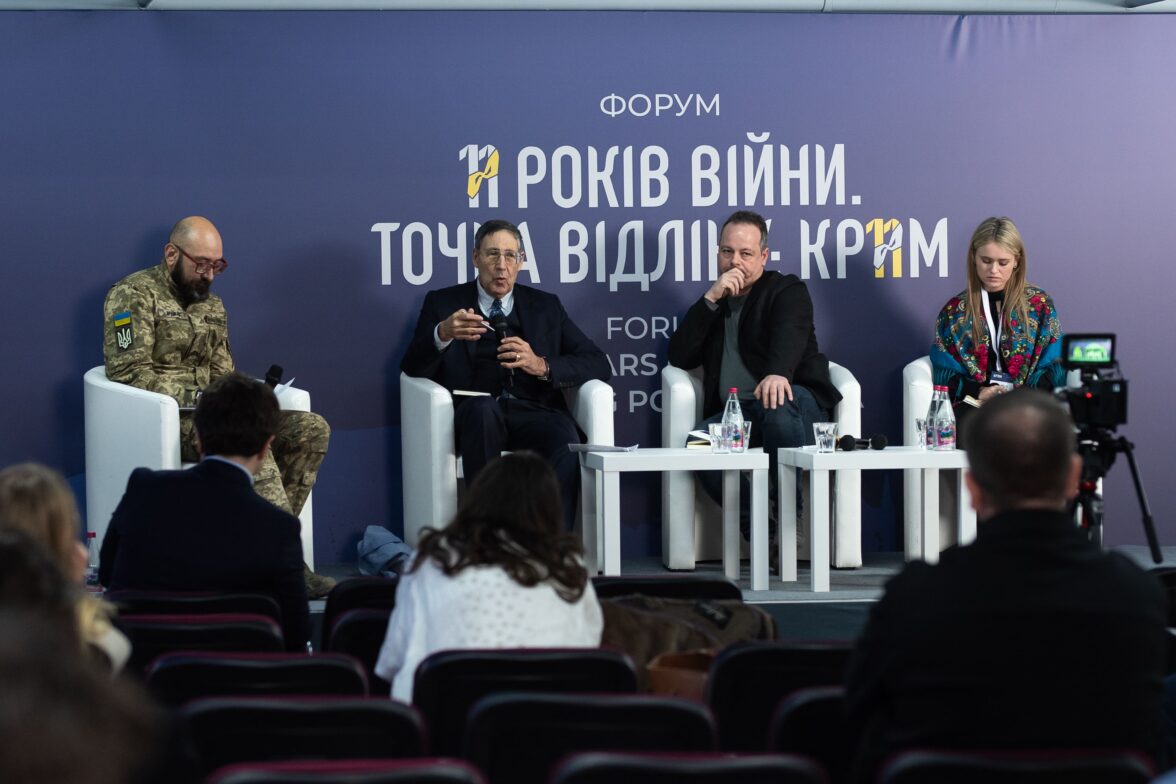
As part of the 11 Years of War. Starting Point: Crimea Forum, the HARDtalk What Can Be Done to Make Crimea’s Issue Resonate Louder? An Outside Perspective discussion took place.
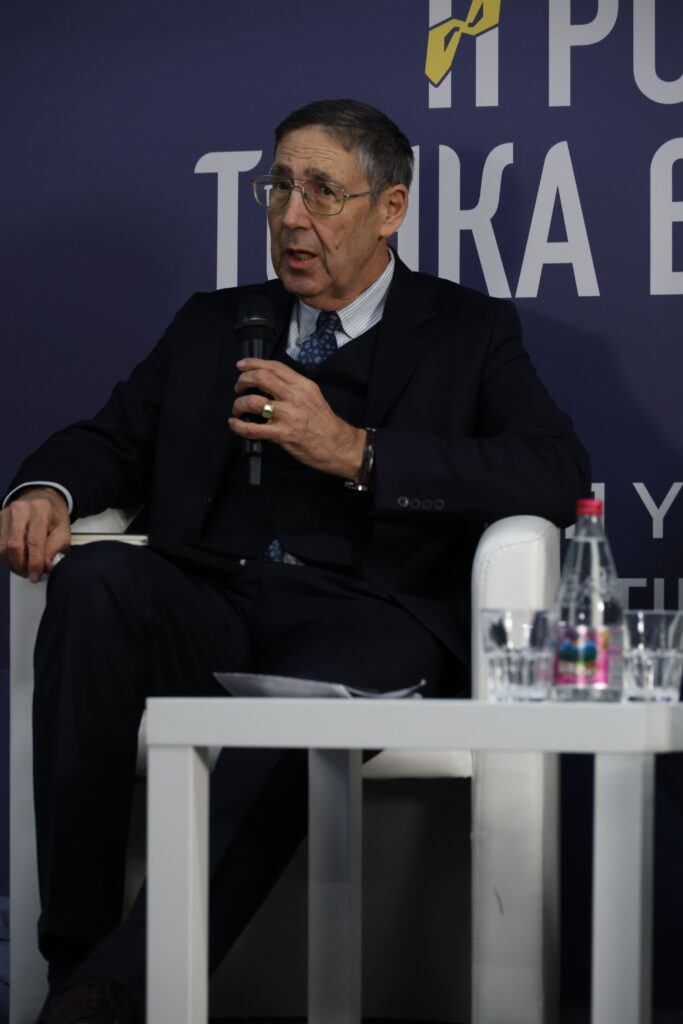
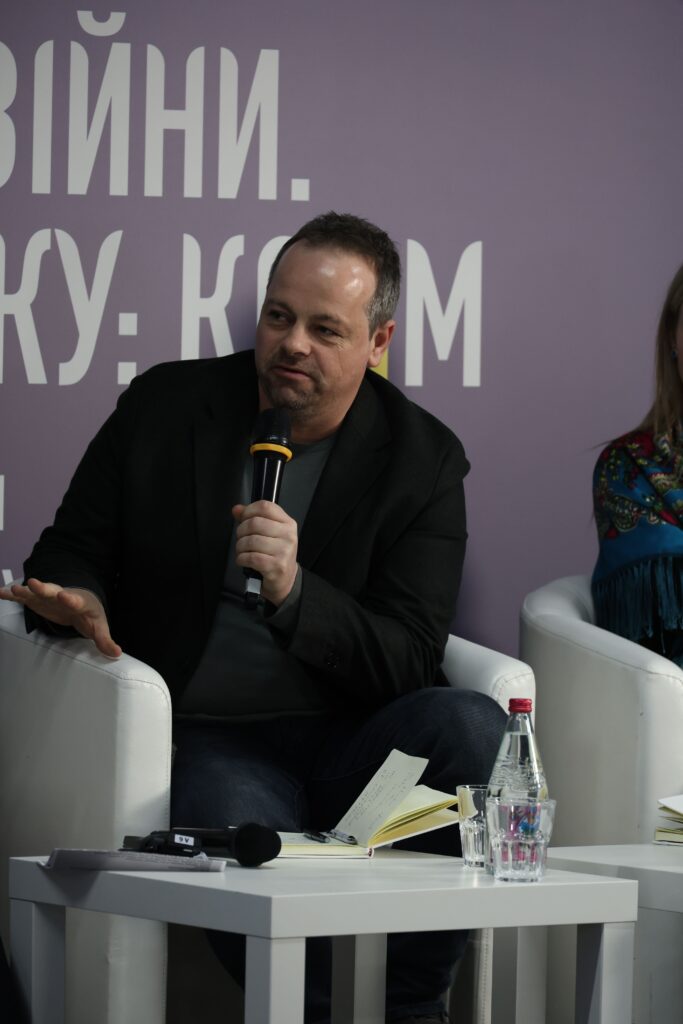
The discussion featured Senior Director of the Atlantic Council’s Eurasia Center, Ambassador Extraordinary and Plenipotentiary of the United States to Ukraine (2003-2006) John E.Herbst; Senior Correspondent in Ukraine for Libération, France, and media development expert Stéphane Siohan; author and academic at King’s College London Jade McGlynn; professor at Kobe Gakuin University, Honorary Consul of Ukraine in Kobe (Japan) Yoshihiko Okabe (online).
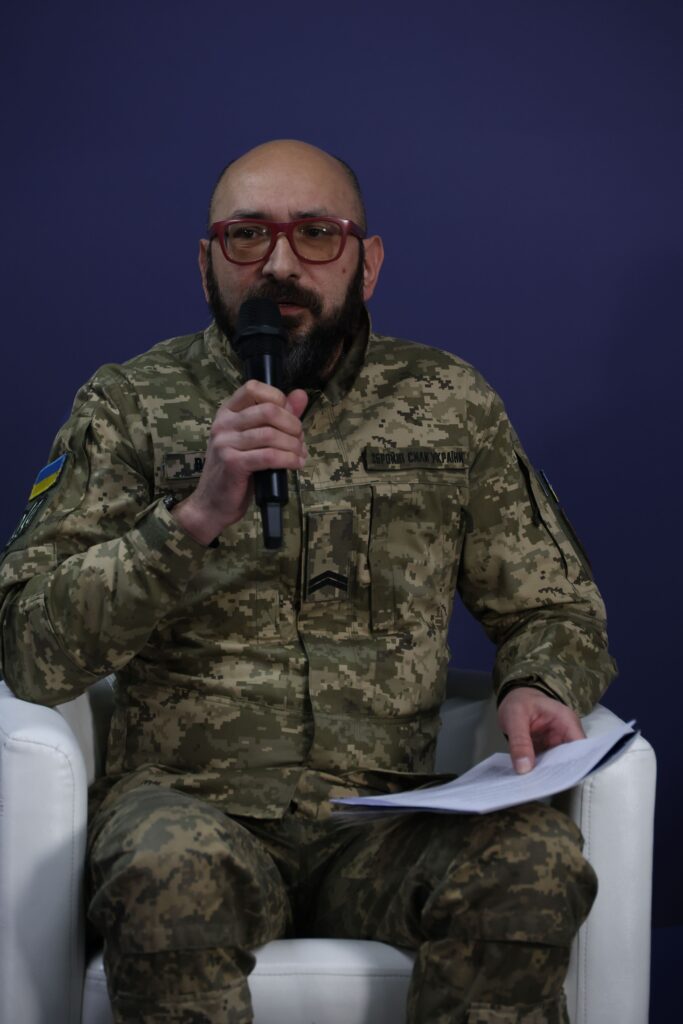
The discussion was moderated by a representative of the Armed Forces of Ukraine, press attaché of Cultural Forces, and a staff member of UN, EU, and OSCE missions (2005-2022) Valéry Shyrokov.
John Herbst commented on the current changes in the U.S. foreign policy, emphasizing that the issue of Crimea remains central to the broader geopolitical struggle. He stressed that any peace agreement must ensure the continued international recognition of Crimea as Ukrainian territory and prevent Russia from using the temporarily occupied region to strengthen its strategic positions.
Stéphane Siohan emphasized that since 2014, coverage of Crimea has mostly been carried out by correspondents based in Moscow. In conclusion, he highlighted the growing pace of discussions in France and Europe regarding further steps in supporting Ukraine, particularly amid Russia’s nuclear threats and the issue of direct military involvement.
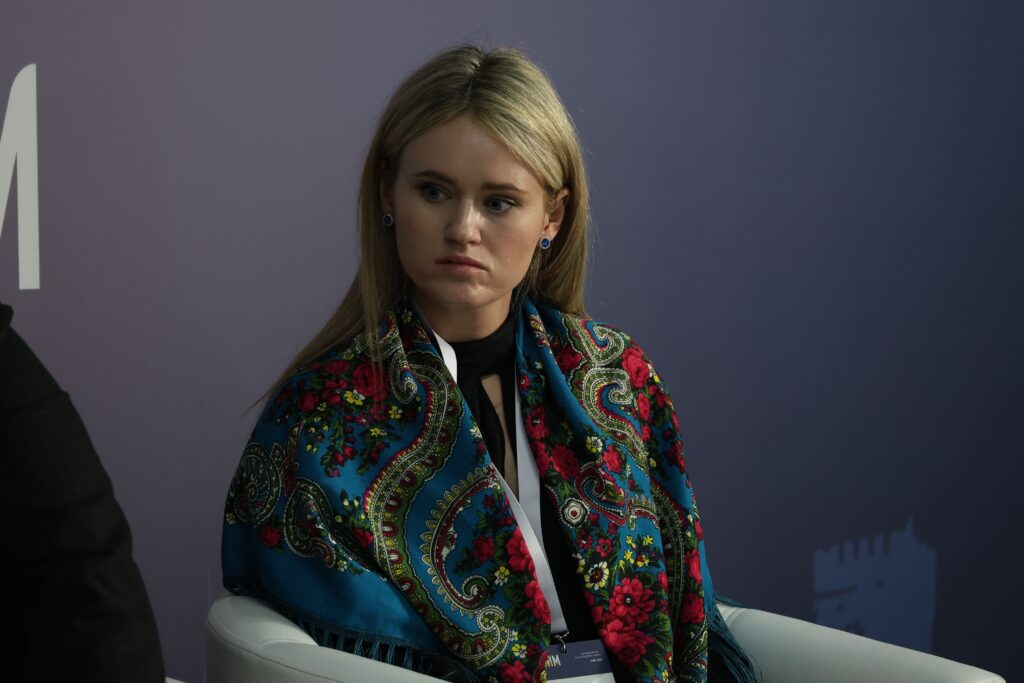
Jade McGlynn noted that senior academics resist change, as many of them trained in Russia, making it partly a generational issue.
“Eastern Europe, as a region, has been studied through the lens of how Russia perceives it. This is changing—though slowly,” remarked Jade McGlynn.
Okabe Yoshihiko emphasized that Ukraine and Japan share a common experience, as both have suffered from Russian aggression and occupation. He noted that this provides a foundation for cooperation between the two countries. Regarding assistance, it was mentioned that Japan supports Ukraine and has provided aid, including military assistance for the first time since World War II. According to the professor, Ukraine and Japan could collaborate in the field of naval forces.