25 October 2024
Art Projects at the Third Parliamentary Summit of the Crimea Platform
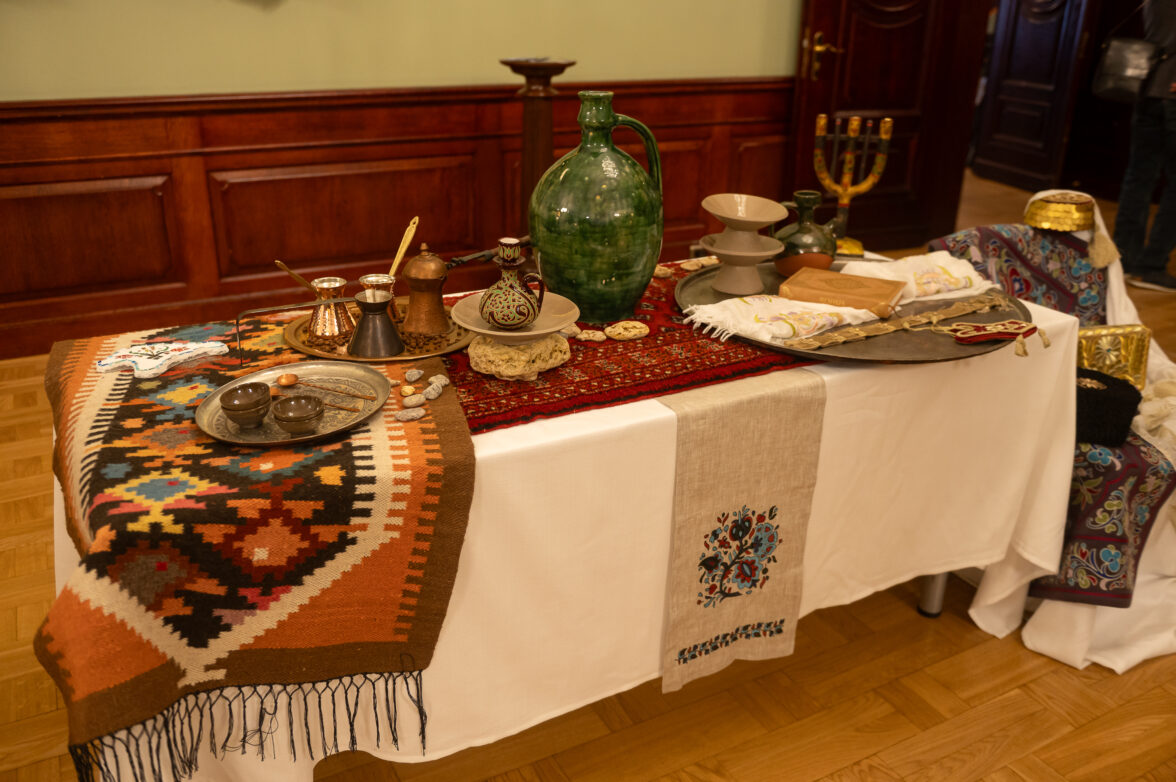
On October 23-24 in Riga, within the framework of the Third Parliamentary Summit of the Crimea Platform, a series of artistic works and exhibits were presented under the exhibition titled “QIRIM İÇÜN / FOR CRIMEA.” The cultural component of the Summit aims to raise global awareness of Crimea’s rich culture, the Indigenous Peoples of Ukraine, and the resistance of Ukrainian citizens against Russian occupiers.
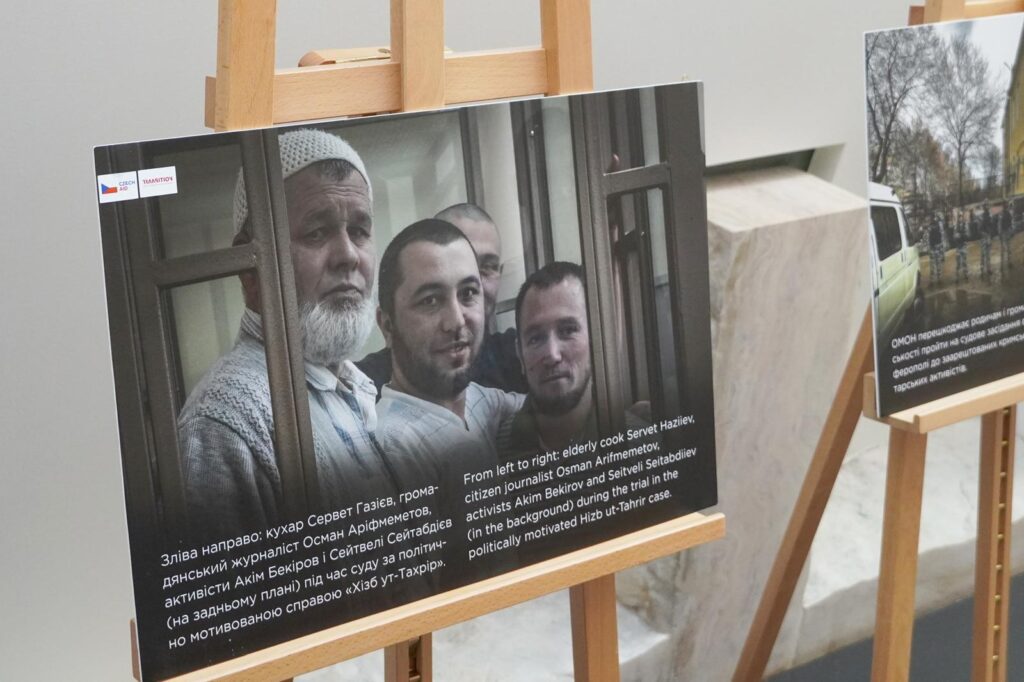
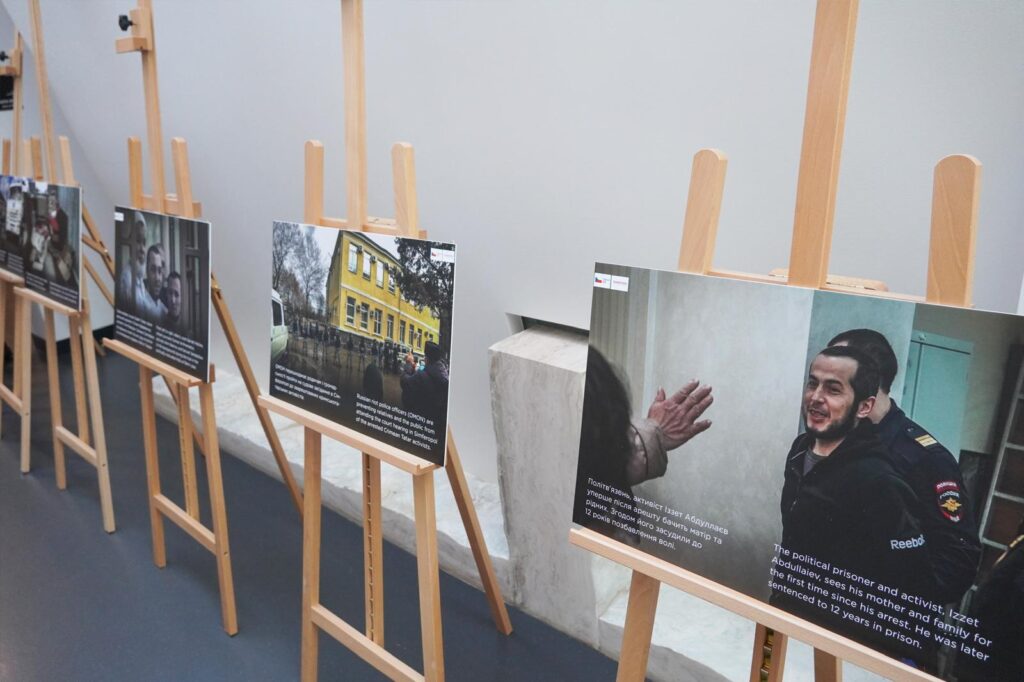
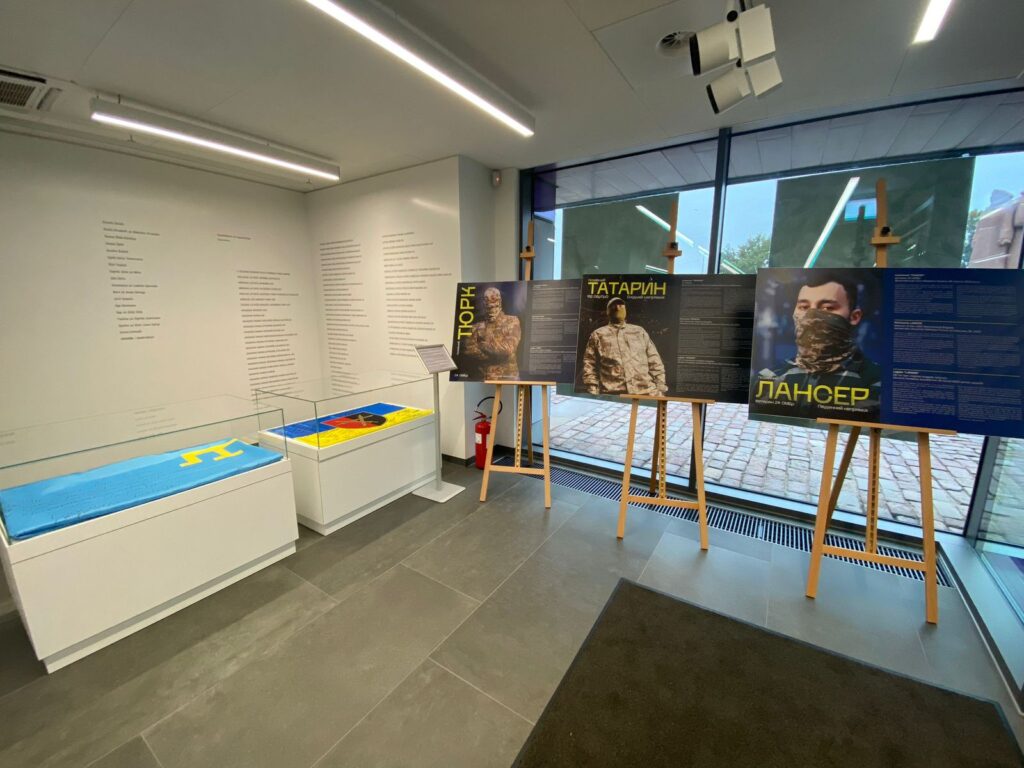
During a side event of the Third Parliamentary Summit of the Crimea Platform, “The Deportation of the Crimean Tatar People in 1944: From Recognition of Genocide to the Restoration of Crimean Tatar Rights within the Ukrainian State,” the photo exhibition Crime through the Eyes of Citizen Journalists: 10 Years in Captivity by the ZMINA Human Rights Center was presented at the Latvian Museum of Occupation. It highlights the repression of journalists on the temporarily occupied territory of Crimea, most of whom are Crimean Tatars.
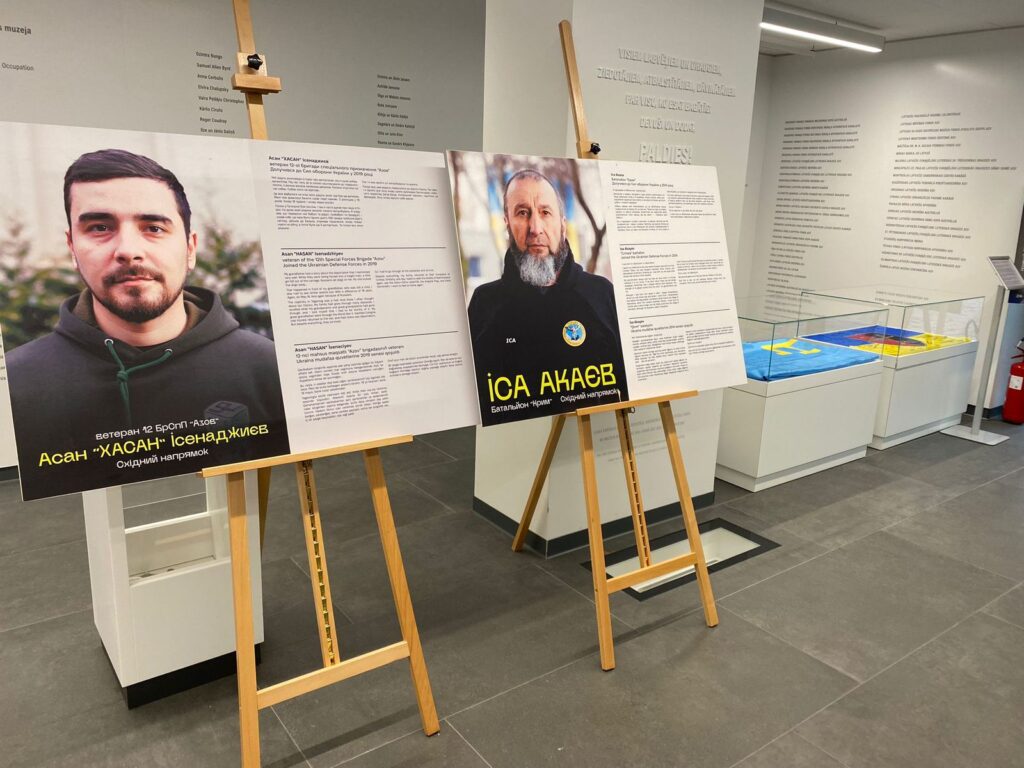
The exhibit also included the photo project Qarşılıq / Resistance, which features portraits of Crimean Tatar soldiers and their motivation to fight for the liberation of all occupied territories and Ukraine’s victory.
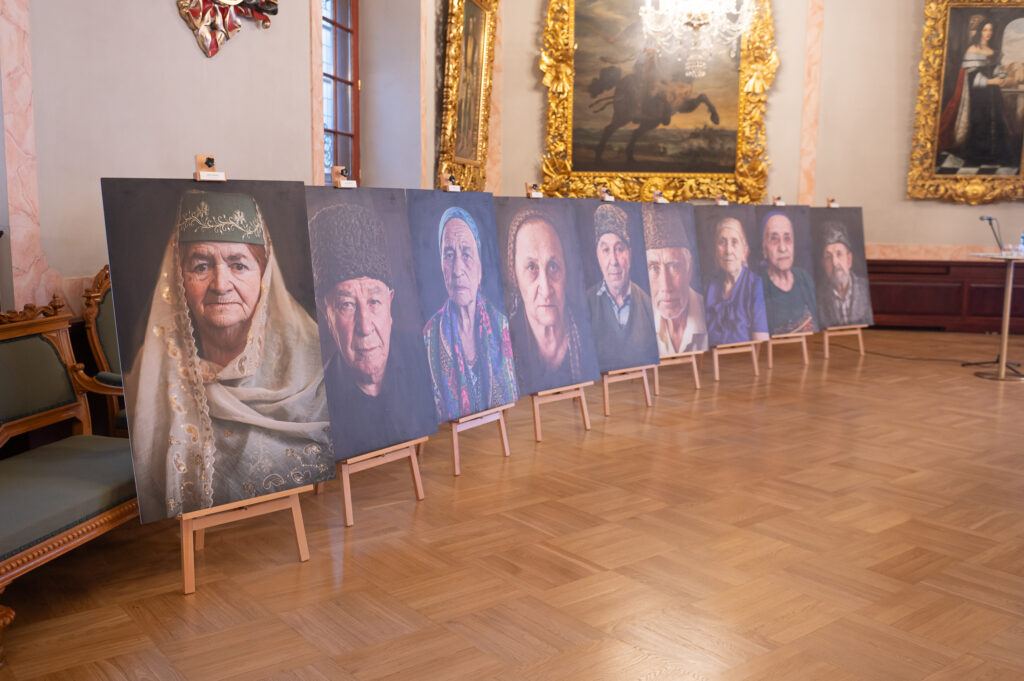
At the House of Blackheads, where the documentary film by Ukrainian director Akim Halimov The True Story of Crimea was screened, the art projects titled “Faces of Deportation” and “Hight Price to Pay / Ağır sınavlarğa baqmadan” were showcased.
Faces of Deportation is a photo project by Crimean Tatar artist Zarema Yaliboylu, which tells the story of Crimean Tatars who survived the 1944 deportation and returned to their homeland. Through photographs, the artist seeks to portray her people, whose rich culture and history have been subjected to destruction for centuries through the rewriting of historical facts, the demolition of architectural landmarks, and the suppression of linguistic and cultural traditions.
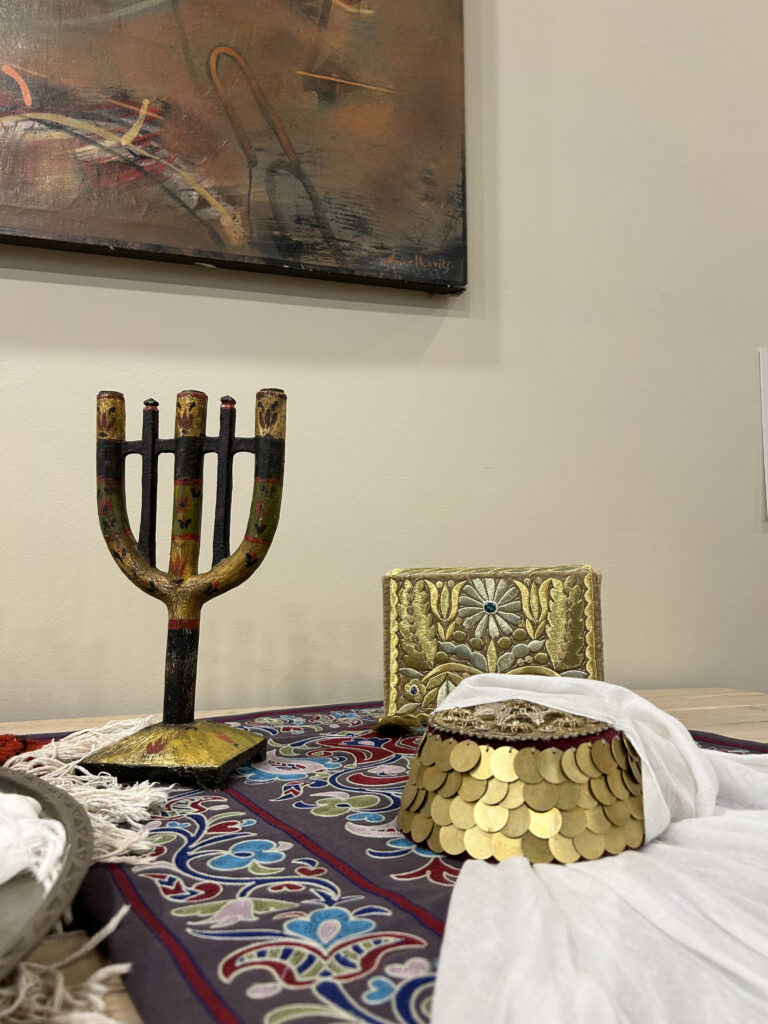
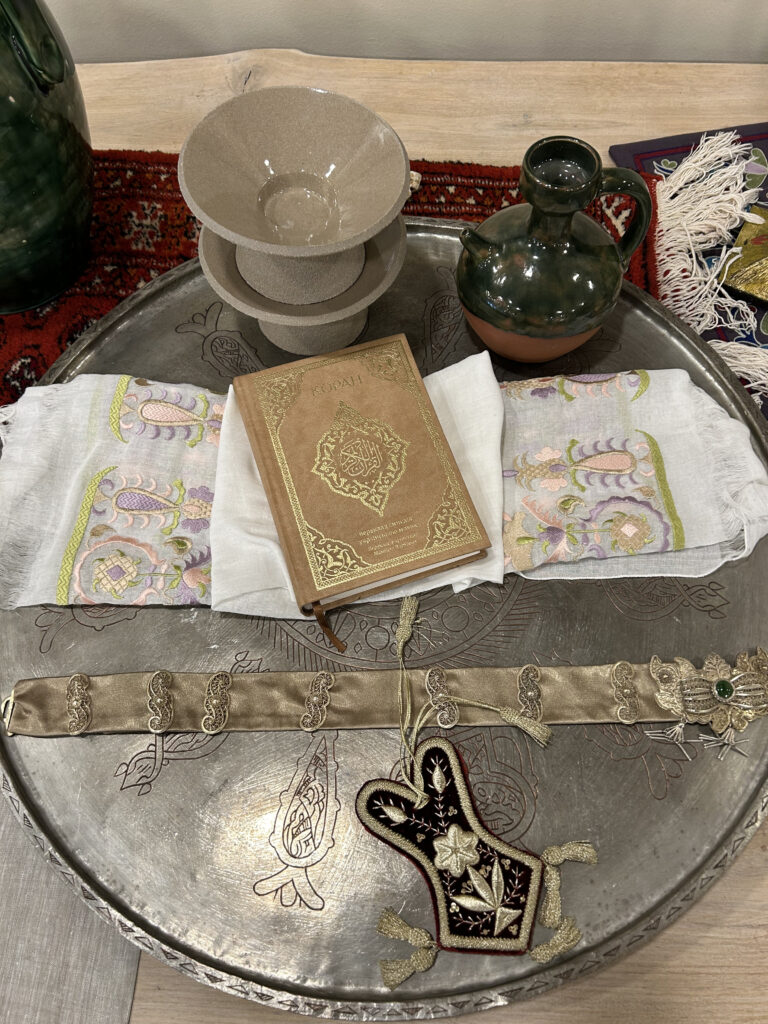
The installation Hight Price to Pay/ Ağır sınavlarğa baqmadan reflects the return of Crimean Tatars to their homeland after years of exile. The exhibit demonstrates the connection between cultural heritage and the daily life of the Crimean Tatars through household items, authentic clothing, and traditional crafts. It aims to convey not only material heritage but also preserve intangible memories of life before deportation—memories of the peaceful, ordinary life that Soviet authorities took from the Crimean Tatars, and that modern Russia continues to take today.
The installation features works and materials from the state enterprise Crimean House, the Crimean Tatar restaurant Musafir, Crimean Tatar ceramicist and curator of the Yol/Path project Rustem Skibin, the Crimean Tatar ceramics workshop Aqyar, the linen textile brand Ptashatam, and the traditional wooden candlestick workshop Triytsya Collections.
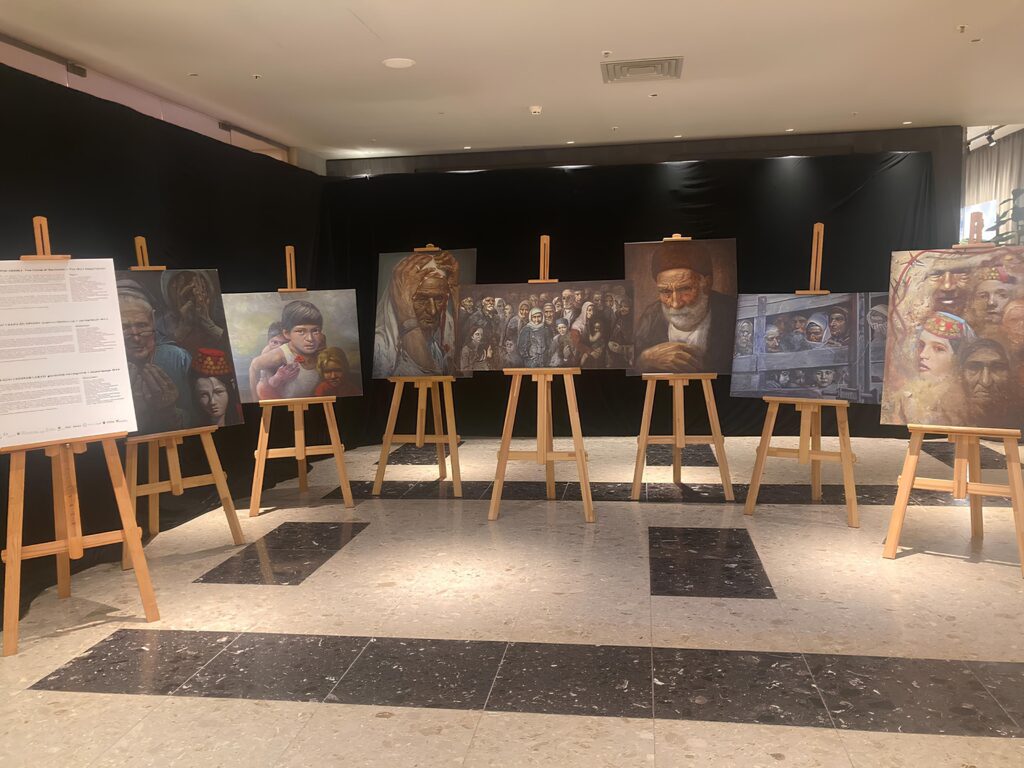
The project QIRIM İÇÜN / FOR CRIMEA, which consists of two parts, aims to demonstrate historical parallels between the modern Russian occupation of Crimea and the tragic events of the 1944 deportation of Crimean Tatars. Today, Russia continues its repressive policies aimed at eradicating Crimean Tatar identity and cultural heritage.
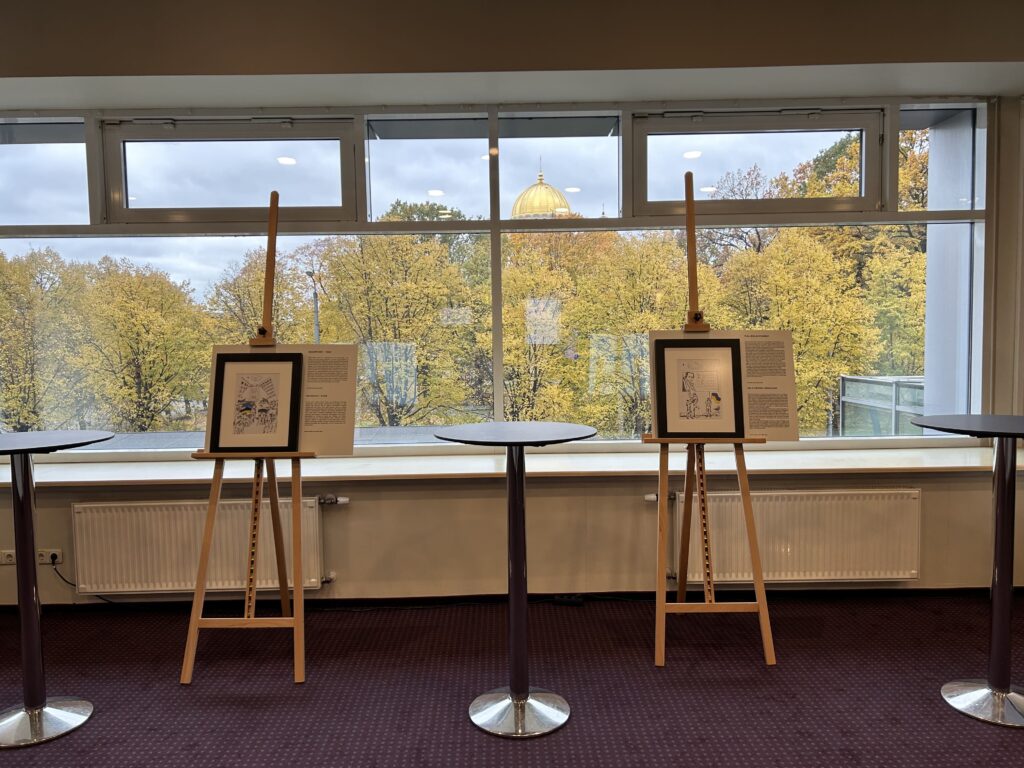
The first part of the exhibition, QIRIM İÇÜN / FOR CRIMEA: The Crime of Genocide – The 1944 Deportation, focuses on one of the most tragic episodes in Crimean Tatar history—the 1944 deportation when Soviet authorities forcibly relocated nearly 200,000 Crimean Tatars to Central Asia and the Ural Mountains, where tens of thousands perished. The exhibit features works by Crimean Tatar artist Rustem Eminov, who has made the deportation of his people a central theme of his art. He is one of the first artists to address this topic and has created a comprehensive artistic panorama of the Crimean Tatar tragedy.
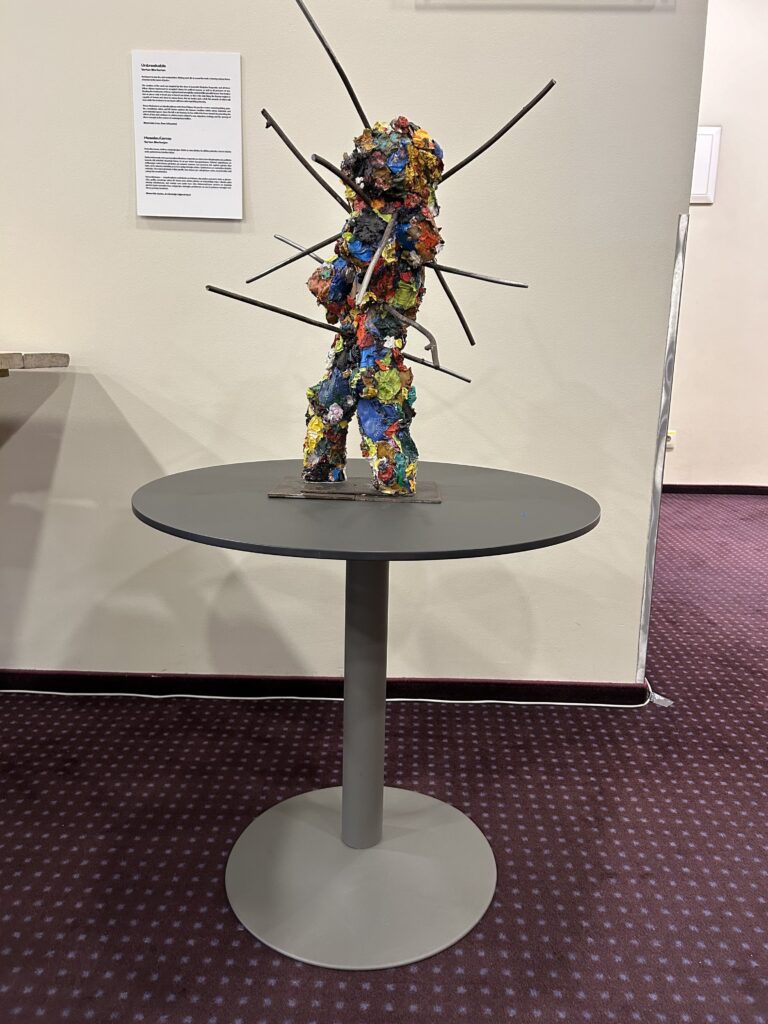
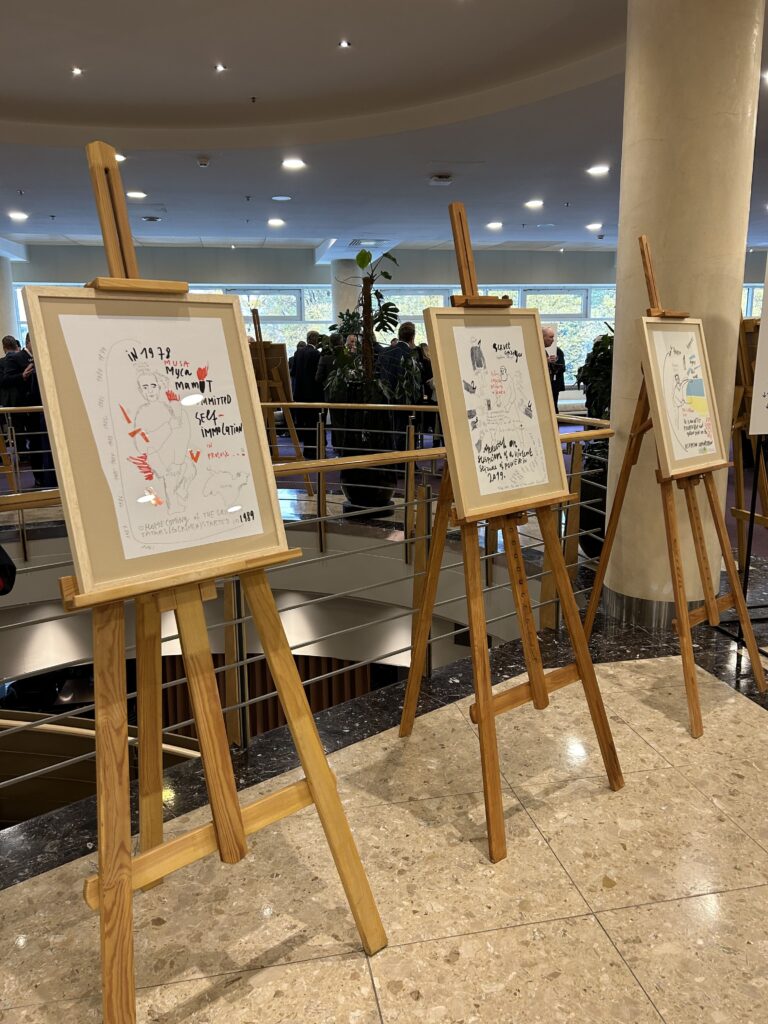
QIRIM İÇÜN / FOR CRIMEA: Resistance Goes On is a section of the exhibition that highlights the ongoing resistance of Crimean Tatars to Russian imperialist policies. It includes sketches by Anton Logov illustrating important stages in the history of the Crimean Tatars, from ethnogenesis to the present. The exhibit also features works by Alevtina Kakhidze that tell the stories of Crimean political prisoners unlawfully imprisoned by Russia, the sculpture Unbreakable by Vartan Markarian, and a series of stories about military personnel and veterans from Ukraine’s Idigenous Peoples titled Qarşılıq / Resistance.”
The Third Parliamentary Summit of the Crimea Platform aims to strengthen global support for Ukraine’s sovereignty and territorial integrity while raising awareness of the consequences of Russian aggression and the numerous violations of international law. The projects presented at the exhibition serve as an important platform for calling on the international community to recognize the deportation of the Crimean Tatar people as an act of genocide and to highlight modern decolonization narratives.
The exhibitions were organized in collaboration with the Mission/Office of the Crimea Platform, the Verkhovna Rada of Ukraine, the Embassy of Ukraine in Latvia, the British Embassy Kyiv, the media initiative Crimea Daily, the state enterprise Crimean House, the Ukrainian Institute, TRO Media, the ZMINA Human Rights Center, the Crimean Tatar restaurant Musafir, and the Partnership Fund for a Resilient Ukraine.
#Crimea #CrimeaPlatform #CrimeaIsUkraine #CrimeaRiga2024