28 March 2025
An Analytical Article on the Shadow of Water Exhibition Was Published on the Medium Platform in the Context of the Crimea Platform
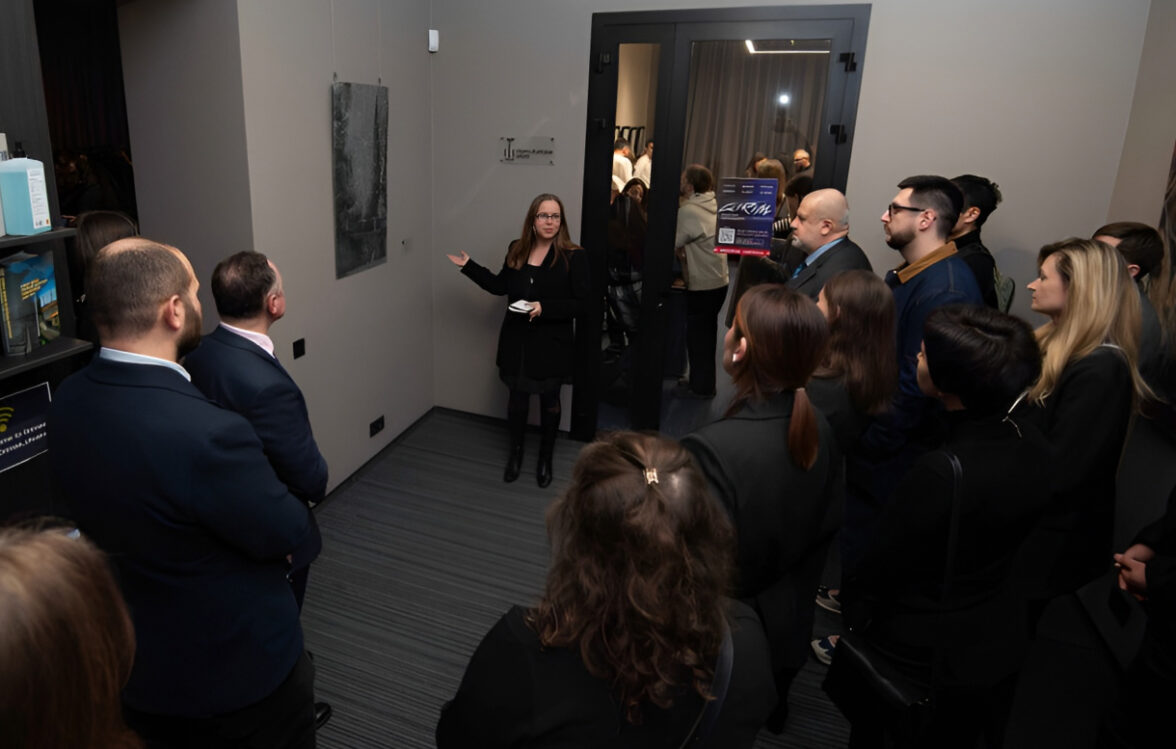
An analytical column by Polish art historian and critic Mateusz Wszelaki, titled Cień wody w Krymskiej Platformie: Pamięć, opór i przetrwanie w obliczu okupacji (Shadow of Water within the Crimea Platform: Memory, Resistance and Survival under Occupation), has been published on the Medium platform. In his article, the author reflects on the exhibition Shadow of Water, organized by the Representation of the President of Ukraine in the Autonomous Republic of Crimea / Crimea Platform Office, in cooperation with the media initiative Crimea Daily. Through the prism of contemporary art, the article examines not only the aesthetic but also the political and moral dimensions of the occupation of Crimea.
Wszelaki emphasizes that the central framework of the exhibition is the Crimea Platform, an international initiative launched by Ukraine in 2021. Its objectives include de-occupying the peninsula, protecting human rights, preventing militarization, and continuing political and sanctions-based pressure on the Russian Federation. The platform brings together nearly 60 participating states and international organizations, including the European Union, NATO, and the United Nations.
“In the current geopolitical context, against the backdrop of the full-scale Russian invasion of Ukraine, the Crimea Platform is acquiring particular significance as a tool for building international support for Ukraine and strengthening pressure on Moscow. As a key element of the conflict, Crimea remains a central focus of Ukrainian policy,” the author notes.
Against the background of a challenging international climate — including declining attention to Crimea, war fatigue, and wavering solidarity — Wszelaki underlines that the issue of Crimea remains a litmus test for the value-based unity of the European community. Ukraine’s struggle for the peninsula, for its return not only as a territory but also as a symbol, is framed as a broader European test of consistency and integrity.
According to the author, the Shadow of Water exhibition is a visual testimony to the experience of exile, loss of home, and ruptured identity. The participating artists transform personal trauma into a universal language that reaches audiences far beyond Ukraine’s borders.
“Ukraine’s struggle for freedom and territorial integrity is not only a matter of sovereignty but also the defense of values that bind the European community,” Wszelaki adds.
He concludes that today, Ukraine faces a complex challenge of rebuilding its physical infrastructure and wounded identity. In this regard, exhibitions such as Shadow of Water are more than cultural events; they are part of a broader policy of memory, cultural diplomacy, and narrative reintegration of the peninsula.
“Ukraine, despite the support of its allies, faces the difficult task of rebuilding the country not only materially but also in terms of identity. The Crimea Platform is a valuable instrument in this regard, combining diplomatic and cultural efforts to bring Crimea back onto the map of Ukraine not only politically but also symbolically. I am convinced that the coming months will be a time of intense challenges both for Ukraine and us Europeans,” — Mateusz Wszelaki concludes.