22 November 2024
The Presentation of the Film Children of War Took Place in the Framework of the Second International Conference Crimea Global
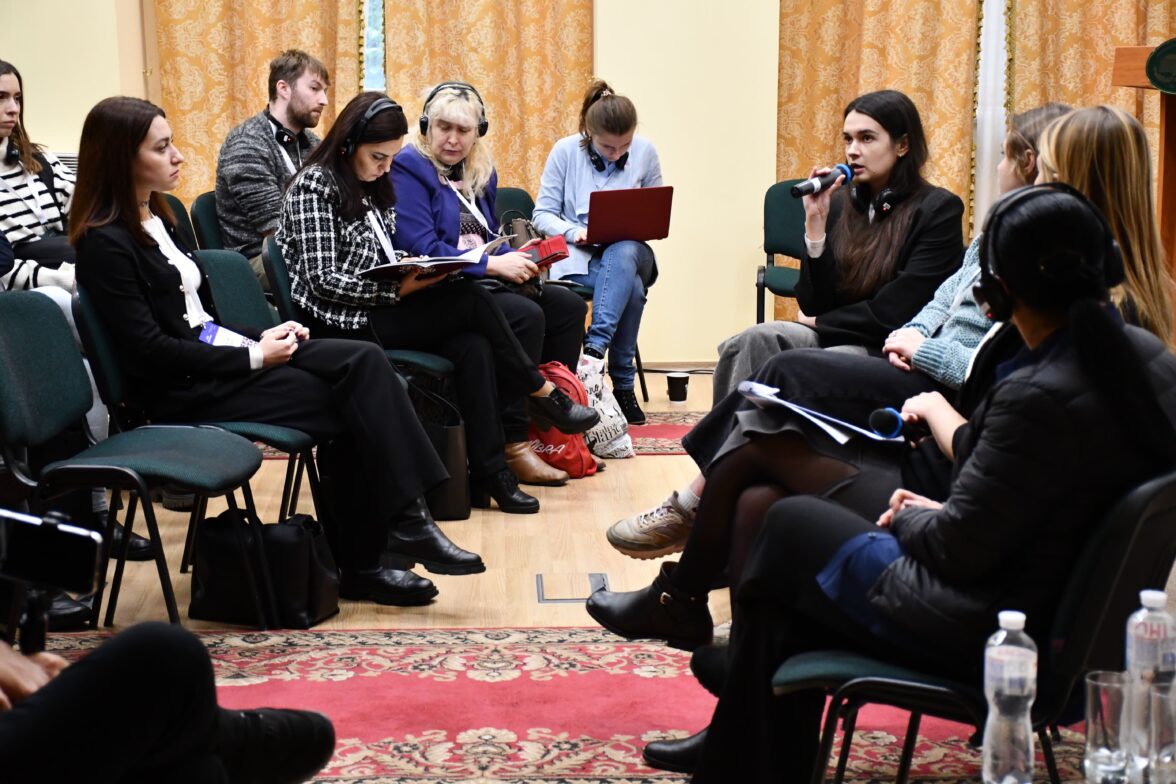
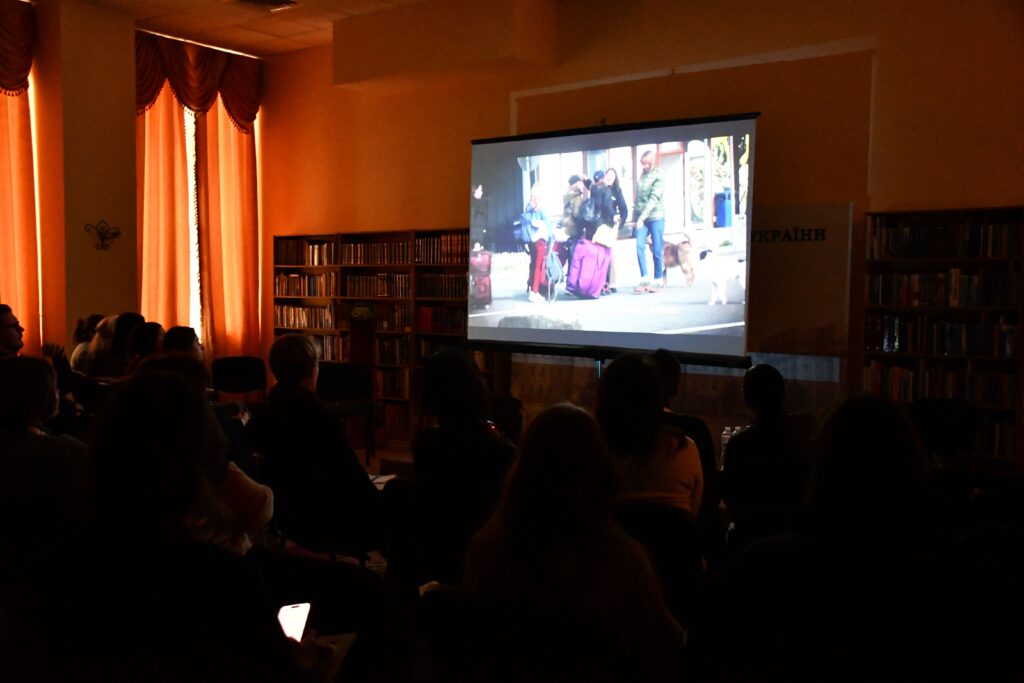
The documentary The Children of War was presented during the Second International Conference Crimea Global: Understanding Ukraine through the South. The film was created by Hannia Novell, a Mexican journalist at TV AZTECA and documentary producer. This special event, organized in cooperation with the Human Rights Center ZMINA, included the film screening and a discussion with the film’s author.
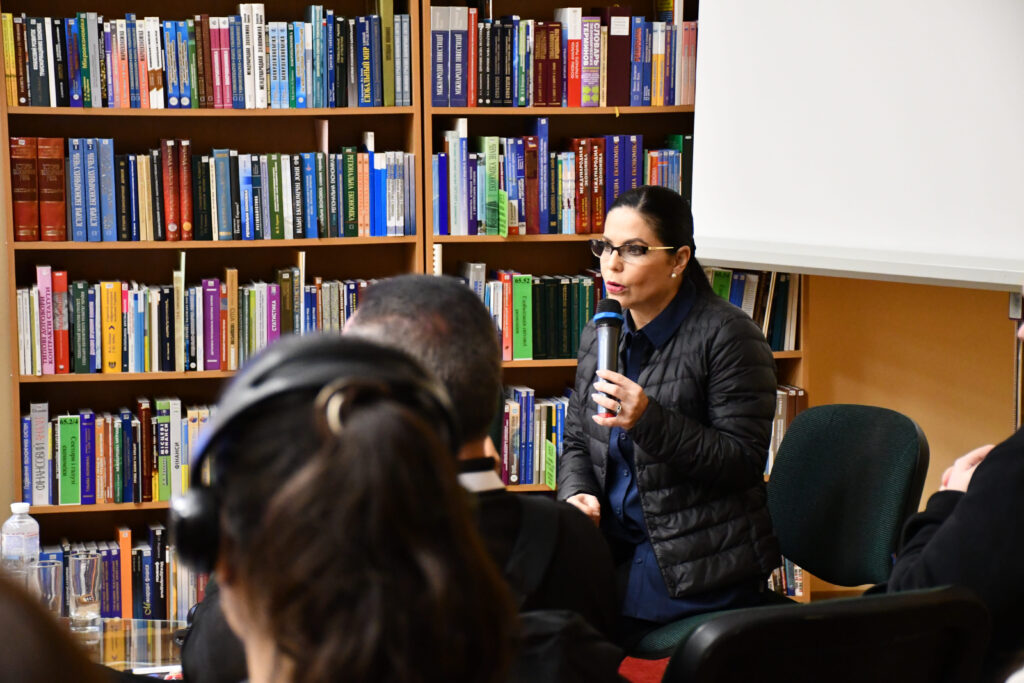
The discussion featured Olesia Bida, a journalist at The Kyiv Independent, and Alyona Savchuk, a journalist who documented realities in occupied Crimea in 2016–2018. Tetiana Zhukova, International Advocacy Manager at the Human Rights Center ZMINA, moderated the event.
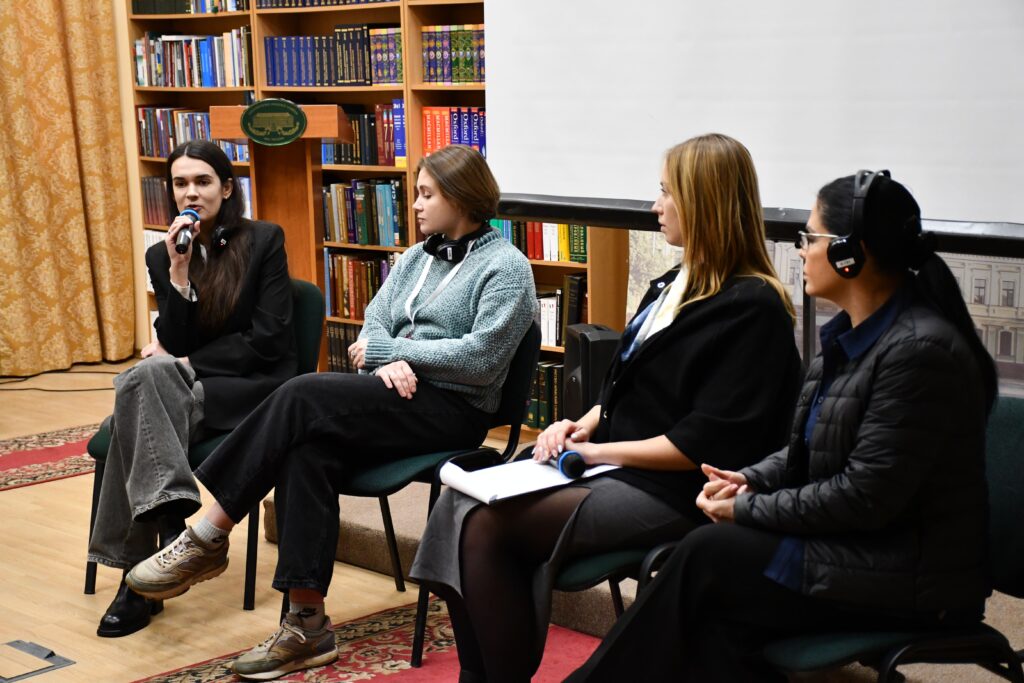
The film portrays the lives of children living through war and sheds light on the crimes committed by Russia, including the deportation and militarization of minors from occupied territories. One of the central stories in the documentary is about Kostia, a boy from Kherson. He was illegally transported to Anapa, Russia, under the guise of being evacuated for his safety. There, he was pressured to renounce his homeland. Thanks to international pressure and the efforts of Ukrainian organizations, Kostia was returned home. His story exemplifies the struggle for children’s rights and exposes the crimes Russia commits during the war.
A central theme of the film is the process of bringing children back home, highlighting the efforts of Ukrainian state agencies and human rights organizations, such as Save Ukraine. These organizations work to document cases of deportation, locate abducted children, and secure their return to Ukraine. In the film, Save Ukraine founder Mykola Kuleba emphasizes that forced adoption, relocation, and changes to children’s citizenship and identity are severe violations of international law, particularly the Fourth Geneva Convention. This issue is particularly urgent for young children, who may not remember their Ukrainian origins due to age, complicating efforts to return them. Such actions are part of Russia’s policy aimed at erasing Ukrainian identity, constituting a severe crime against the Ukrainian people.
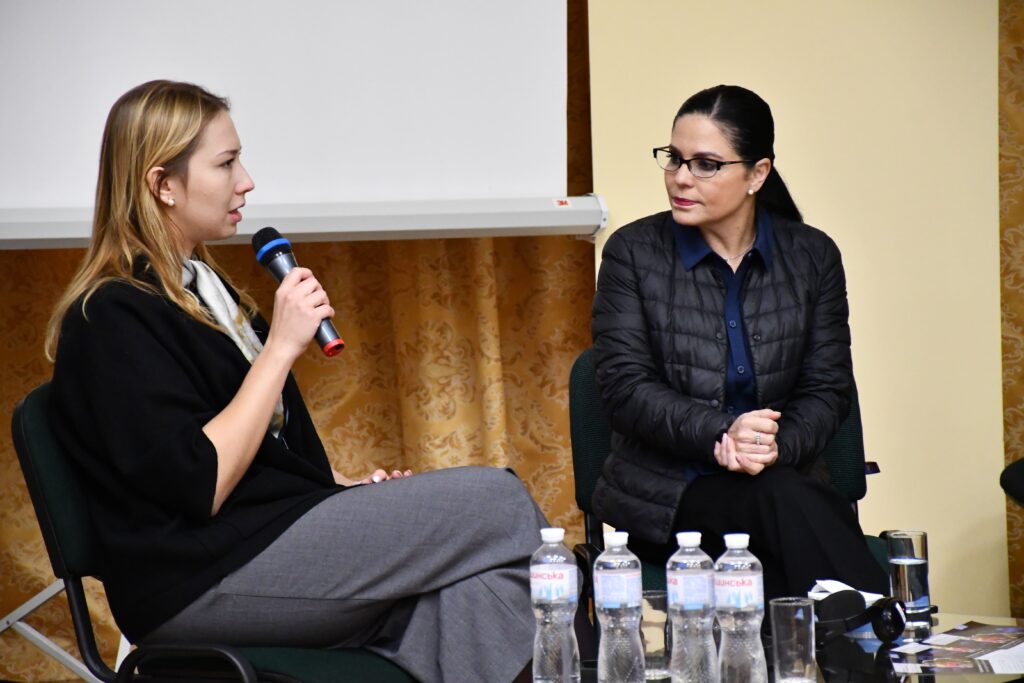
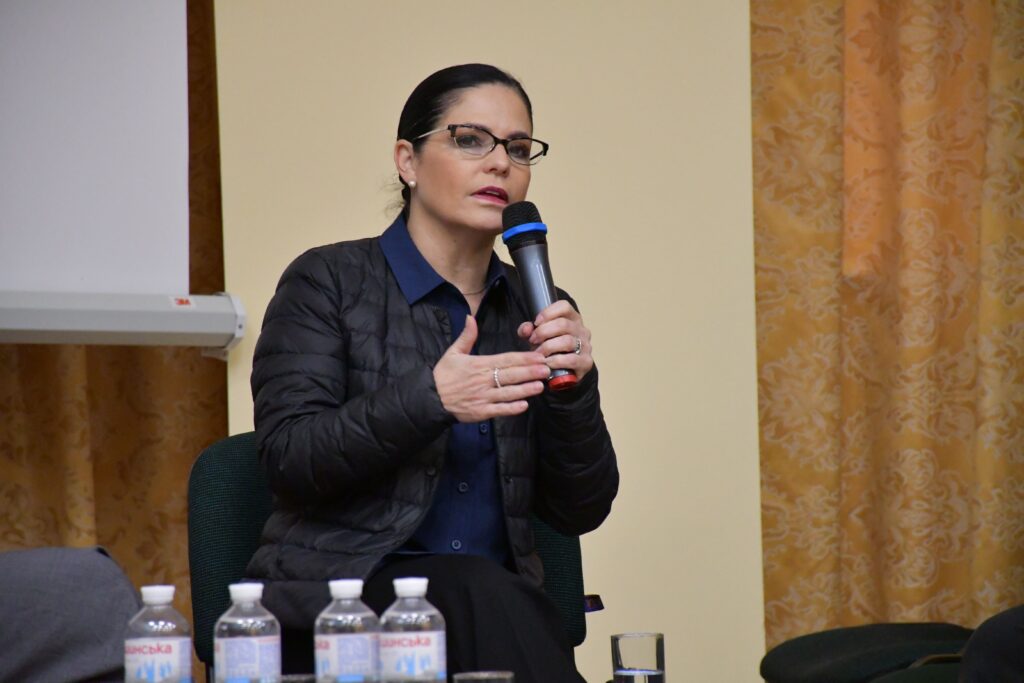
During the post-screening discussion, Hannia Novell, the director of The Children of War, noted that little is known in her home country about the horrors of Russian aggression against Ukraine. “In Mexico, people are distant from Ukraine’s problems. We face our challenges—child murders, femicide, violations of women’s rights, corruption. The war in Ukraine seems far away to Mexicans. But this does not mean we should not talk about events in other countries. I want the voices of Ukrainians to be heard in Mexico. As documentary filmmakers and journalists, we must create stories that evoke emotions and provoke reactions.”
Reflecting on forced deportations, indoctrination, and the militarization of Ukrainian children by Russia, Hannia Novell stated:
“Without a happy childhood, we have no future. Children want to play games; they want to be with their parents. Our work as documentarians and journalists is dangerous, but we must take risks to tell the stories of these children. We must finish this fight for their sake.”
Olesia Bida, a journalist for The Kyiv Independent, shared insights of her work on the documentary Uprooted, which investigates the abduction of Ukrainian children. The investigation uncovered over 20 such cases, with most affected children coming from Donetsk. Not all of these children were orphans. Journalists could locate some children and provide this information to organizations and volunteers working on their return. However, due to the risk of children being relocated by the Russian side, specific stories remain undisclosed.
The film Uprooted was screened in the United States, where it resonated with audiences. Olesia Bida recalled the reactions of American viewers: “Children’s stories are the ones that evoke a response from the audience. Americans who knew nothing about Ukraine came to us with questions, asking how they could help return Ukrainian children.”
Alyona Savchuk, a journalist who documented life in occupied Crimea from 2016–2018, discussed the repression in occupied Crimea and the persecution of independent journalists. She noted that professional independent media in occupied Crimea have been destroyed by the FSB, which prosecutes activists and journalists, accusing them of terrorism by fabricating cases such as Hizb ut-Tahrir. Changes in the leadership of Crimea’s FSB have only intensified the policy of silencing dissent. Many journalists attempting to report the truth remain imprisoned. Alyona Savchuk highlighted the importance of initiatives like Letters to a Free Crimea, which aim to support political prisoners and bring their stories to light.
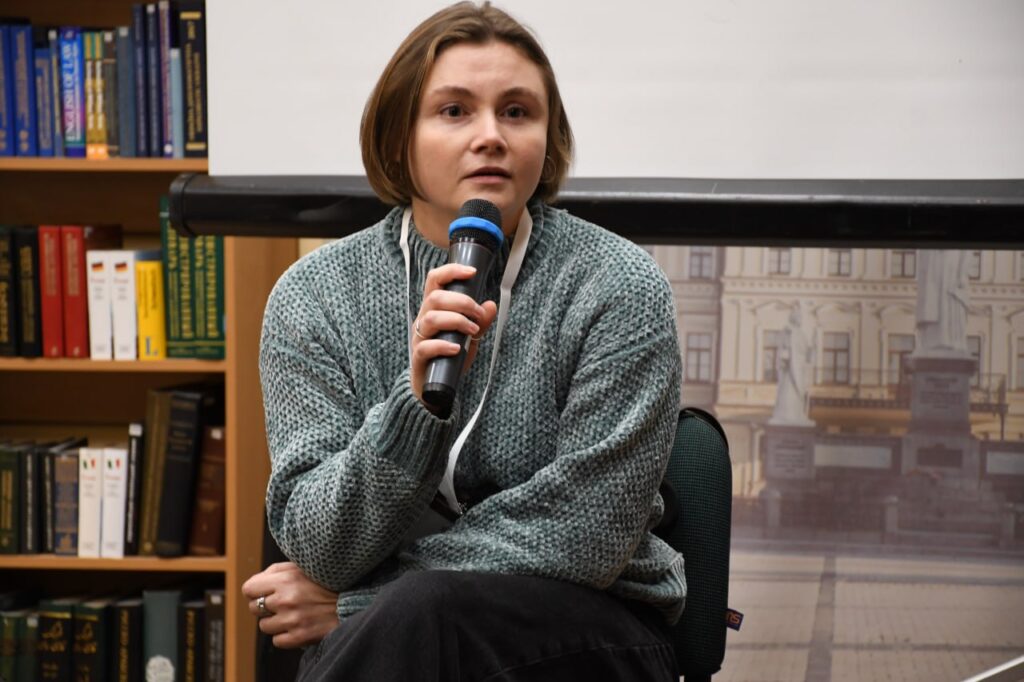
The journalist emphasized that the international audience often dismisses Ukrainian journalists, accusing them of bias due to their nationality.
“Accusations of bias against Ukrainian media professionals are unfounded. Listening to the aggressor and justifying their war crimes is unacceptable. This is not a matter of dialogue between two sides, but an act of unprovoked aggression against Ukrainian citizens, which demands decisive condemnation and action from the international community,” Alyona Savchuk stressed.
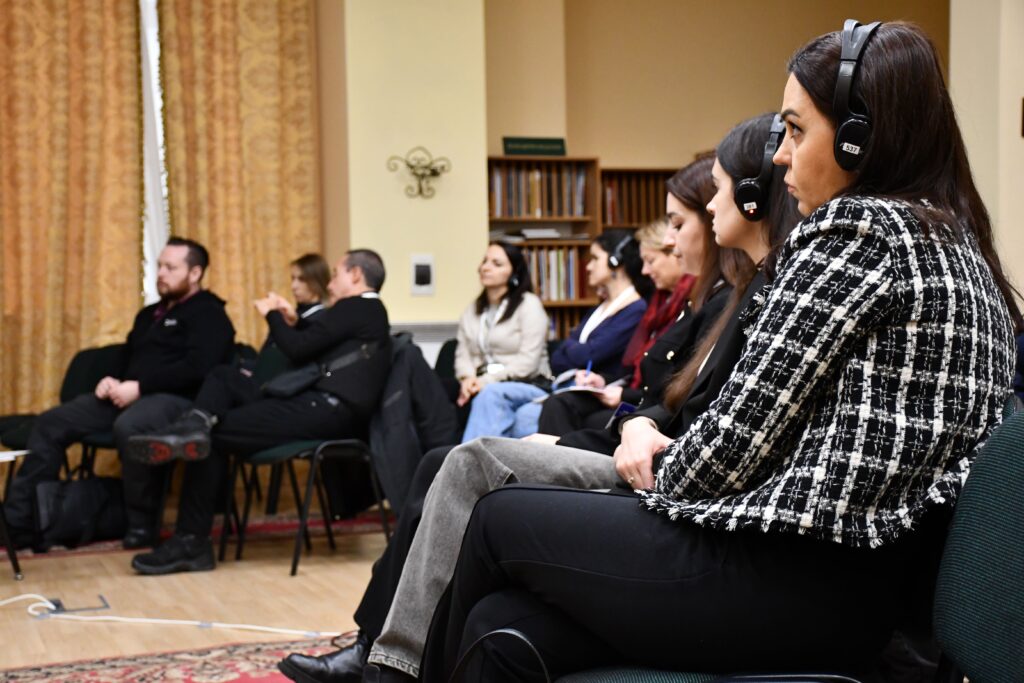
After the discussion, participants agreed that international cooperation is crucial in exposing war crimes. Sharing personal stories of the victims is particularly important, as it fosters empathy among global audiences and helps process the trauma of war, repression, and forced displacement.
#CrimeaGlobal #CrimeaIsUkraine