14 January 2025
Nariman Dzhelyal Spoke at the UN Security Council About Torture in Russian Prisons and Repression in Occupied Crimea
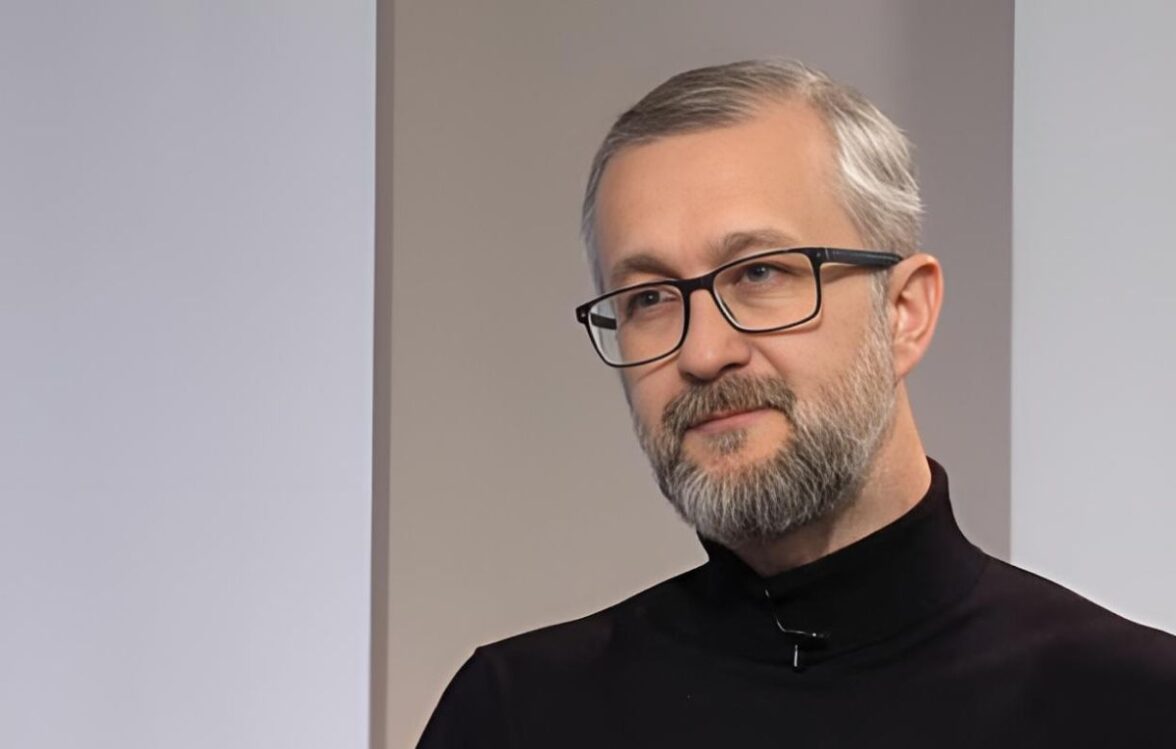
On January 13, Nariman Dzhelyal, First Deputy Chairman of the Mejlis of the Crimean Tatar People and former political prisoner, spoke at a United Nations Security Council meeting under the Arria formula. The meeting was dedicated to discussing Russia’s crimes against Ukrainian prisoners of war and civilians. In his speech, Dzhelyal described the atrocities faced by unlawfully detained Ukrainian citizens in Russian prisons. He called on the international community to take more decisive action to protect human rights and end repression in occupied territory.
Nariman Dzhelyal shared his personal experience of being held in Russian detention, where he endured both physical and psychological abuse:
“In one of the prisons, we were forbidden to sit on the bed. We had to sit on a bench or walk, which caused my legs to swell. In another prison, I had to lie on the cold floor because I had a fever, but the doctor never came. It was not allowed even to lie on the bed without his permission.”
Dzhelyal also spoke about the torture suffered by other Kremlin detainees. He provided examples of individuals detained with him in September 2021: Aisan Akhtemov, Aziz Akhtemov, Shevket Useinov, and Eldar Odamanov. These individuals were brutally beaten, tortured with electric shocks, and threatened with the murder of their children to coerce confessions to fabricated charges.
He recounted stories of other prisoners who the Russian penal system had victimized:
“In prison, I met a Ukrainian from the Kherson region. He told me that the occupiers tortured his wife to force him to confess to a crime. Another Ukrainian said that he and other prisoners were regularly beaten and then taken for mock executions. The guards would shoot near their heads and laugh. For them, it was entertainment.”
Dzhelyal highlighted the critical health conditions of many political prisoners from Crimea. He named individuals such as Rustem Huhurik, Iryna Danylovych, Halyna Dovhopola, Amet Suleimanov, Tofik Abdulhaziiev, and Teimur Abdullaiev, who are often denied basic medical care, putting their lives at significant risk.
According to Dzhelyal, human rights defenders have documented at least 218 political prisoners from Crimea, 132 of whom are Crimean Tatars. He stressed that this reflects Russia’s systematic repressive policies against the indigenous people of the occupied peninsula.
Dzhelyal emphasized that thousands of Ukrainian citizens in occupied Crimea have become victims of political repression. Unlawful mobilization has forced many to flee their homes, which for the small Crimean Tatar population constitutes a humanitarian catastrophe. The situation has created an atmosphere of fear and mistrust, compelling many residents of Crimea to seek safety through escape.
In concluding his address, Nariman Dzhelyal appealed to the members of the UN Security Council to strengthen their support for Ukraine:
“I am convinced you understand that the international community cannot ignore such a situation. However, implementing international humanitarian law is impossible without real mechanisms to hold this party accountable. Ukraine and the Crimean Tatars need your support; they want freedom and security. Support Ukraine,” he urged.