05 December 2025
The Face of Resistance: The Story of Crimean Tatar Activist Emil Dzhemadenov
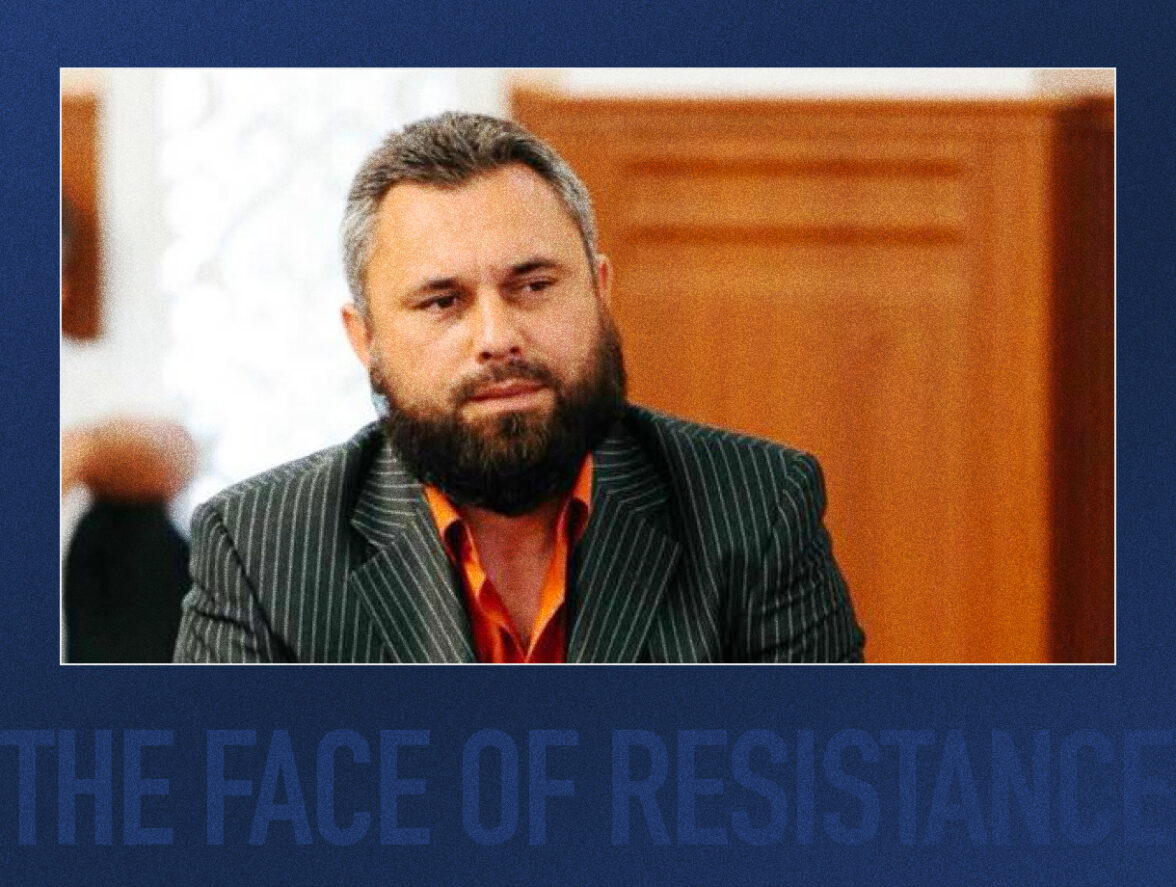
Life Before Detention
Emil Enverovych Dzhemadenov was born on 19 August 1980 in the city of Samarkand, Uzbekistan. He spent part of his childhood there before his family later returned to Crimea. On the peninsula, he completed secondary school and subsequently enrolled at one of the universities in Türkiye, majoring in Hotel Management.
After returning from Türkiye, Emil Dzhemadenov obtained both a Bachelor’s and a Master’s degree in Political Science from the Tavriya Humanitarian and Environmental Institute. Prior to the occupation of Crimea, he conducted political research and spoke at conferences. After Russia seized the peninsula, he worked as a bank courier and cash handler.
Persecution
On 12 October 2016, officers of the occupying security forces conducted another wave of illegal searches in the homes of the Dzhemadenov family and other Crimean Tatars in the Simferopol district. On that day, five men were detained: Emil Dzhemadenov, Rustem Ismailov, Aider Saledinov, and brothers Teymur and Uzeir Abdullaiev.
During the search of Emil Dzhemadenov’s home, security officers seized his phone, a translation of the Qur’an, and several religious brochures. In addition, his lawyer was denied access to the search site for several hours.
In 2018, Dzhemadenov and the other detainees were transferred to Remand Prison No. 5 in Rostov-on-Don, Russian Federation.
Behind Bars
On 18 June 2019, a Russian court sentenced Emil Dzhemadenov to 12 years in a maximum-security penal colony. Later, his sentence was reduced by six months.
A year later, Emil Dzhemadenov, together with Aider Saledinov and Rustem Ismailov, was transferred from the detention center in Rostov-on-Don to the Republic of Bashkortostan. He remains imprisoned there to this day.
During his imprisonment in 2021, Dzhemadenov was three times placed on “preventive registers” for alleged “inclination toward extremist ideology, attacks on staff, and violations of internal prison regulations.”
In July 2025, Emil Dzhemadenov’s wife reported that doctors had diagnosed him with an inguinal hernia. Emil also complained of severe dental problems due to the lack of proper nutrition, as well as stomach pain caused by a chronic ulcer.