18 November 2025
Fifth Panel Discussion “Girl Power. Women Against Violence and Oppression Worldwide” within the Third International Conference “Crimea Global”
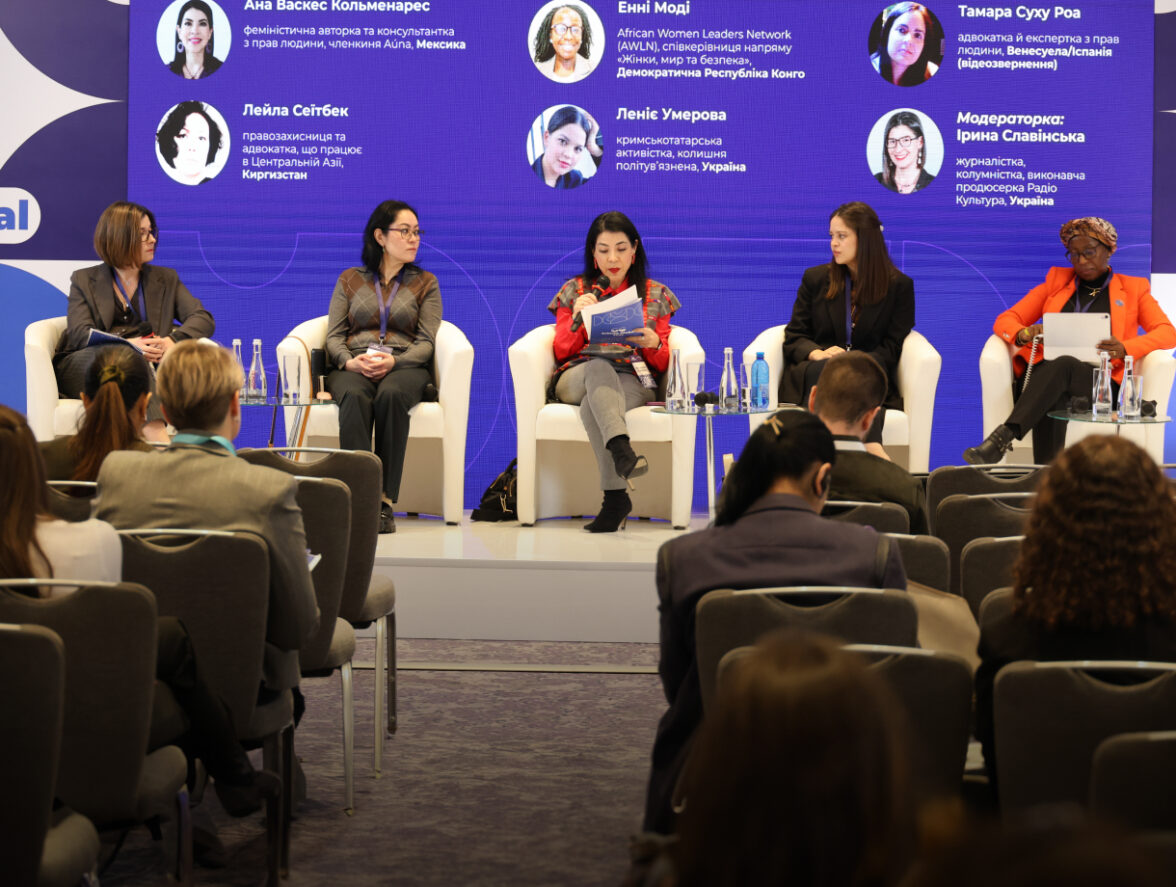
On 18 November, as part of the Third International Conference “Crimea Global. Understanding Ukraine through the South,” the fifth panel discussion, Girl Power: Women Against Violence and Oppression Worldwide, was held.
The panel featured feminist author and human rights consultant, Aúna member Ana Vásquez Colmenares; Co-Lead of the “Women, Peace and Security” program at the African Women Leaders Network (AWLN) Anny Modi; human rights lawyer and expert Tamara Sujú Roa; human rights defender and lawyer Leila Seiitbek; and Crimean Tatar activist and former political prisoner Leniie Umerova.
The discussion was moderated by journalist, columnist, and executive producer at Radio Kultura, Iryna Slavinska.
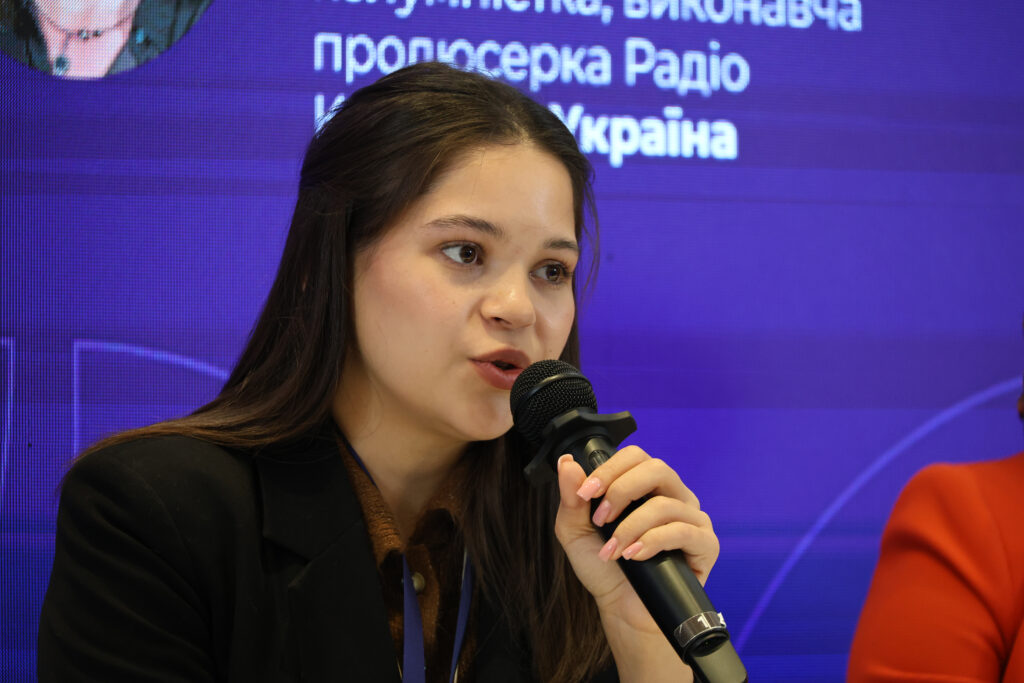
As part of the panel, a social awareness video was presented featuring the stories of women who survived Russian captivity, occupation, and sexual violence. One of the protagonists of the video was Crimean Tatar activist and former political prisoner Leniie Umerova.
In her address, Leniie Umerova shared that she had been abducted and arrested by Russian authorities while attempting to travel to Crimea to see her ailing father. According to her, it was only after nearly six months of imprisonment that Russians informed her she was accused of espionage, after which she was transferred to one of Russia’s most restrictive prisons, where she ultimately spent 18 months.
“Russia exerts pressure on you every single day. Every day they demonstratively arrest people, imprison them, and present it in a way meant to intimidate everyone and remind you that tomorrow you could be the one behind bars,” Umerova emphasized.
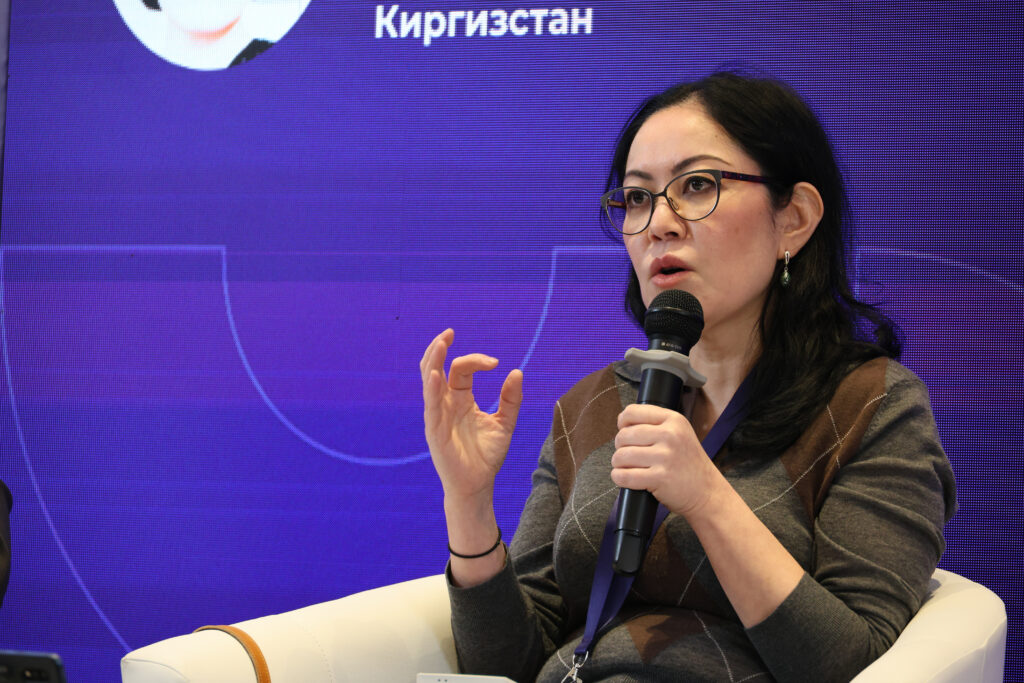
Human rights defender and lawyer Leila Seiitbek highlighted the scale of political pressure Russia exerts on Kyrgyzstan, stressing that due to its significantly smaller population, the country would not be able to defend itself against potential aggression. She noted that Russia is using Kyrgyzstan to recruit young people into its army and launder money through cryptocurrency platforms.
“Russia promises its allies permanent political power, impunity, and international support. Over the past few years, the authorities in my country have shut down civil society organizations, and journalists have been forced to flee or imprisoned — several of my colleagues ended up behind bars on accusations of attempting a so-called coup d’état and engaging in terrorist activities.”
In her remarks, Anny Modi drew attention to the parallels between the situation in eastern Democratic Republic of the Congo, temporarily occupied Crimea, and other occupied territories of Ukraine, where women suffer from violence and persecution by armed groups. She stressed that women in these regions continue to engage in humanitarian response and resistance to human rights violations despite grave risks to their lives and health.
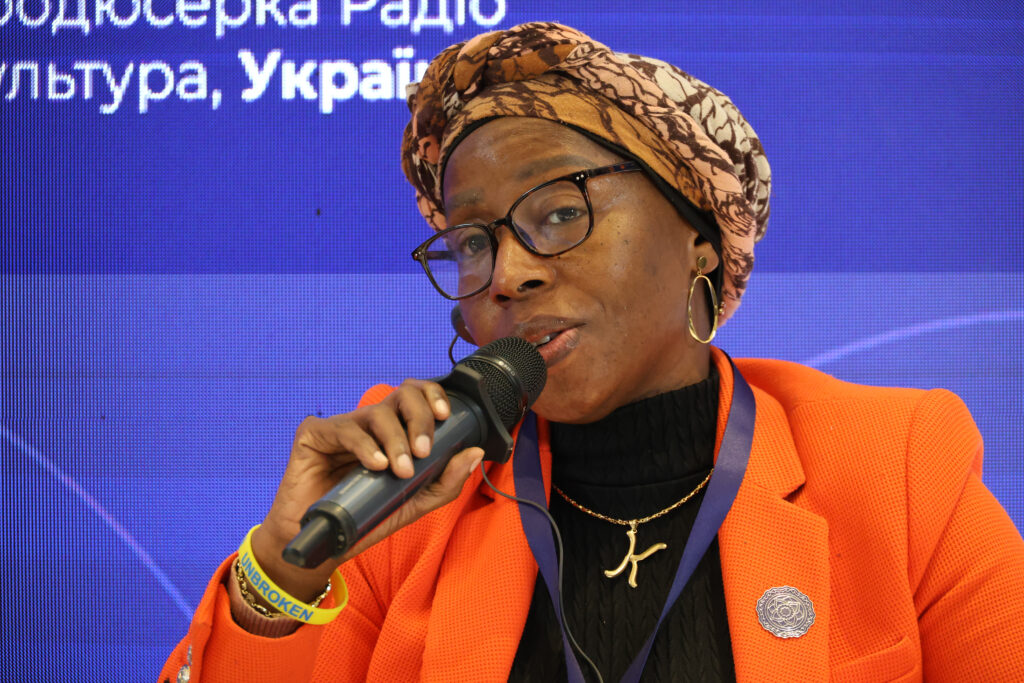
Tamara Sujú Roa noted that despite repression across authoritarian regimes worldwide, women survive by supporting one another. She also spoke about the international advocacy campaign she led in support of political prisoners around the world, aimed at preventing the disappearance and torture of unlawfully persecuted individuals.
“Supporting one another is essential for women’s survival under authoritarian regimes and for resisting them day by day. Women can support each other by building communication networks, using modern technologies, and organizing joint events and conferences — and in such conditions, a woman becomes a bridge that carries forward knowledge and memory that authoritarian regimes seek to erase.”
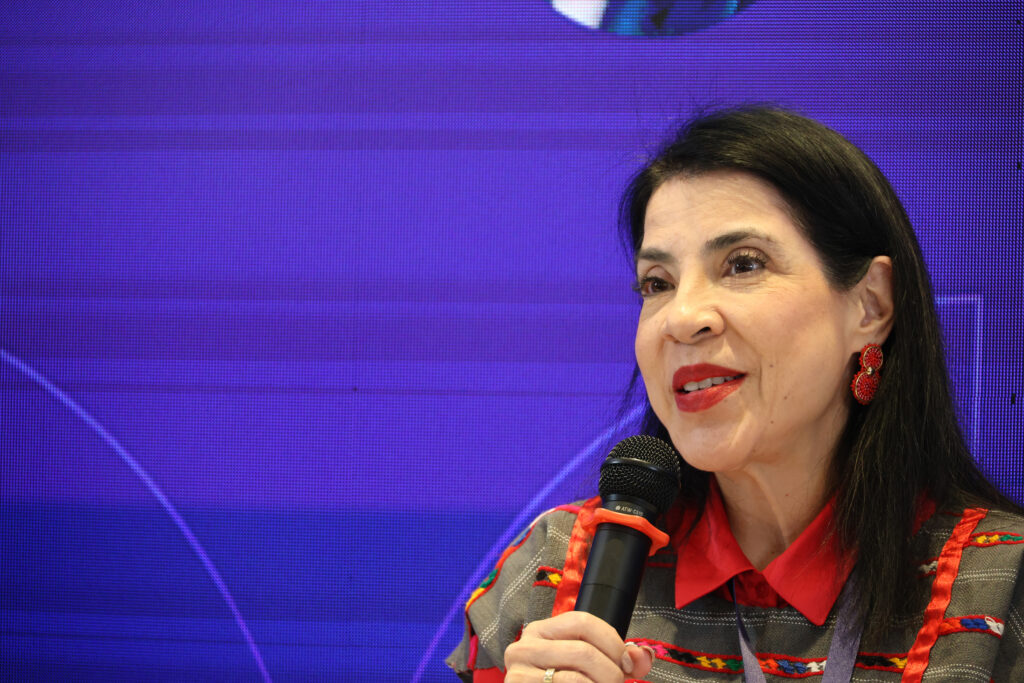
In her address, Ana Vásquez Colmenares emphasized that femicide is not merely the killing of women, but a political signal that the state tolerates violence and fails to protect their lives. She noted that although forms of violence differ across regions — from Latin America to Central Asia and Russian-occupied Crimea — the underlying logic remains the same: control, fear, and subjugation. She shared that in Ukraine she witnessed a unique infrastructure of care — from Lviv’s UNBROKEN center to women-led initiatives in frontline cities that document war crimes, support families, and rebuild communities.
“The courage of Ukrainian women is not abstract. It is organized, practical, and collective — and the world must know this. And not only about the tragedy; the world must recognize the exceptional leadership of Ukrainian women.”