28 August 2025
The panel discussion “The Trophy Economy and Russia’s Colonial Policy in the Occupied Territories of Crimea, Eastern and Southern Ukraine”
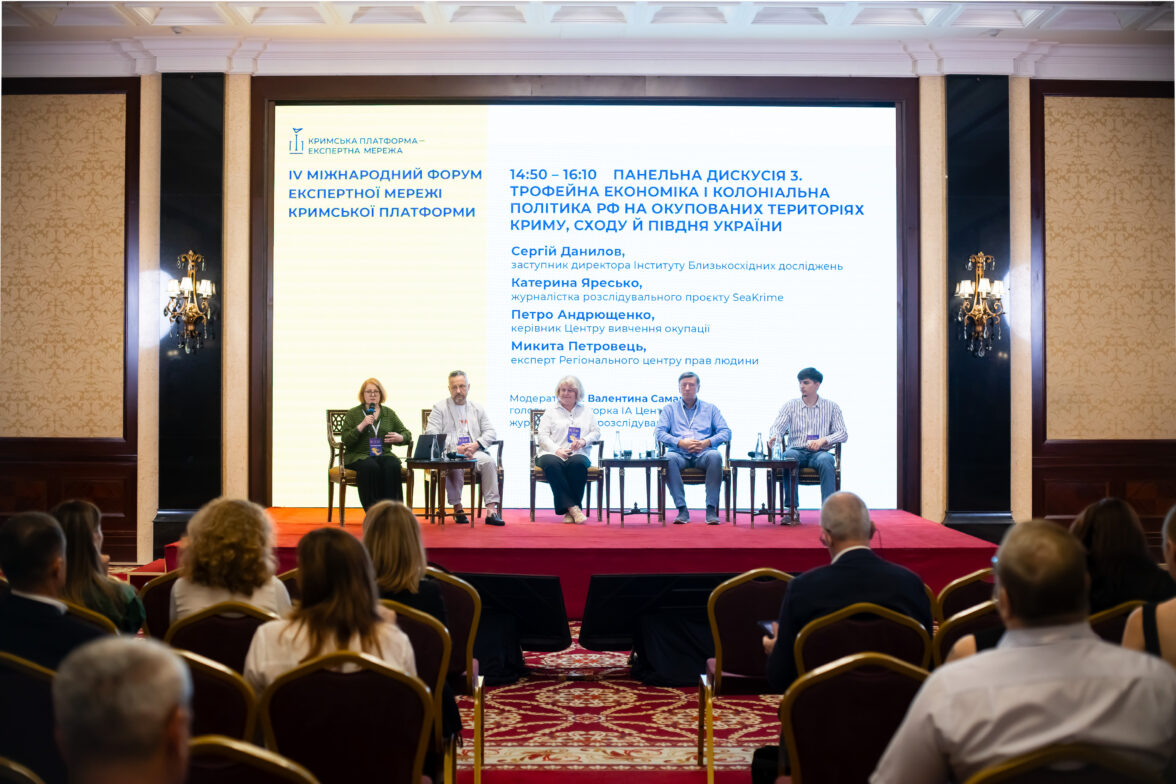
As part of the Fourth International Forum of the Expert Network of the International Crimea Platform, a panel discussion was held on “Trophy Economy and Russia’s Colonial Policy in the Occupied Territories.”
During the discussion, experts and law enforcement representatives outlined the problem of systemic looting of Ukrainian resources as a direct consequence of the occupation. Under the guise of “nationalization,” Russia is in fact carrying out the expropriation of assets, the removal of grain, ore, coal, and other raw materials, which constitutes an international crime. The stolen resources generate profits for the Russian state and businesses, fueling further aggression, while the civilian population in the occupied territories suffers from a humanitarian crisis.
On the occupied territories, the population is treated by the aggressor as a resource. Russia seeks to keep people in place in order to “re-make” them into Russians. When in 2022 the flow of those fleeing to government-controlled Ukraine grew significantly, Russia employed every means possible to obstruct their departure.
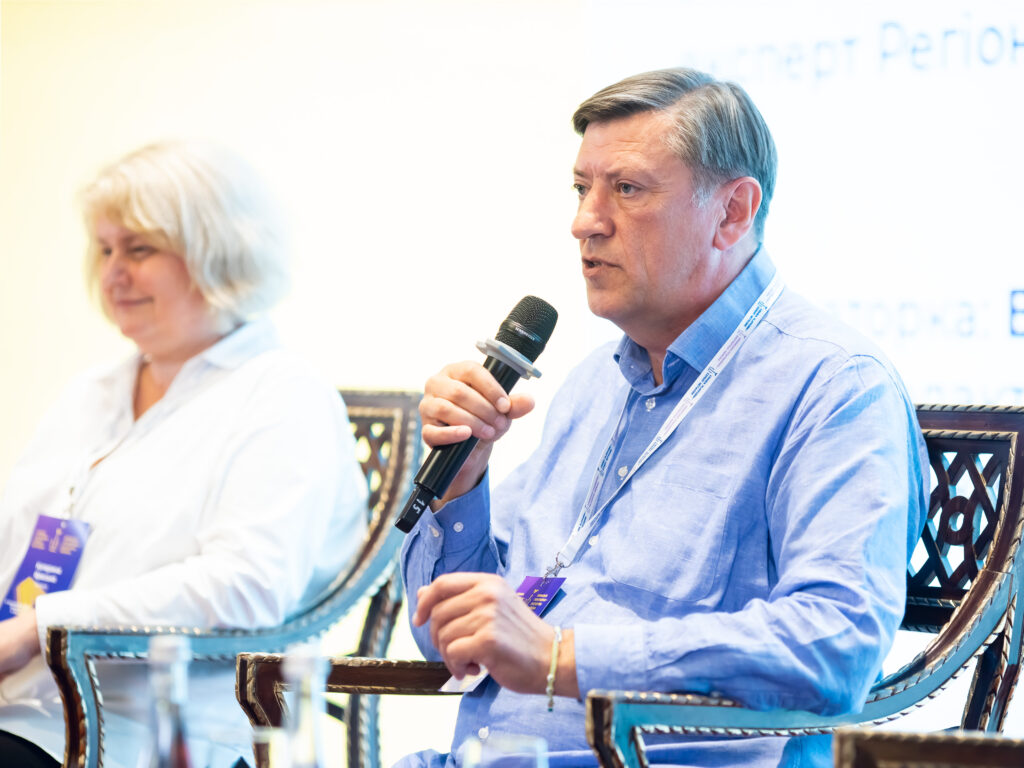
“In the occupied territories, Russia uses children as a way to blackmail parents. The aggressor deliberately undermines parental authority. Children are raised in the spirit of fascism, where the ‘father’ is Putin. To blackmail the local population, the occupiers also use housing as leverage, threatening that apartments will be nationalized,” explained Serhiy Danylov, Deputy Director of the Institute of Middle East Studies.
At the same time, the economy is under direct assault. For example, in the occupied Ukrainian south, the agricultural sector is disappearing altogether.
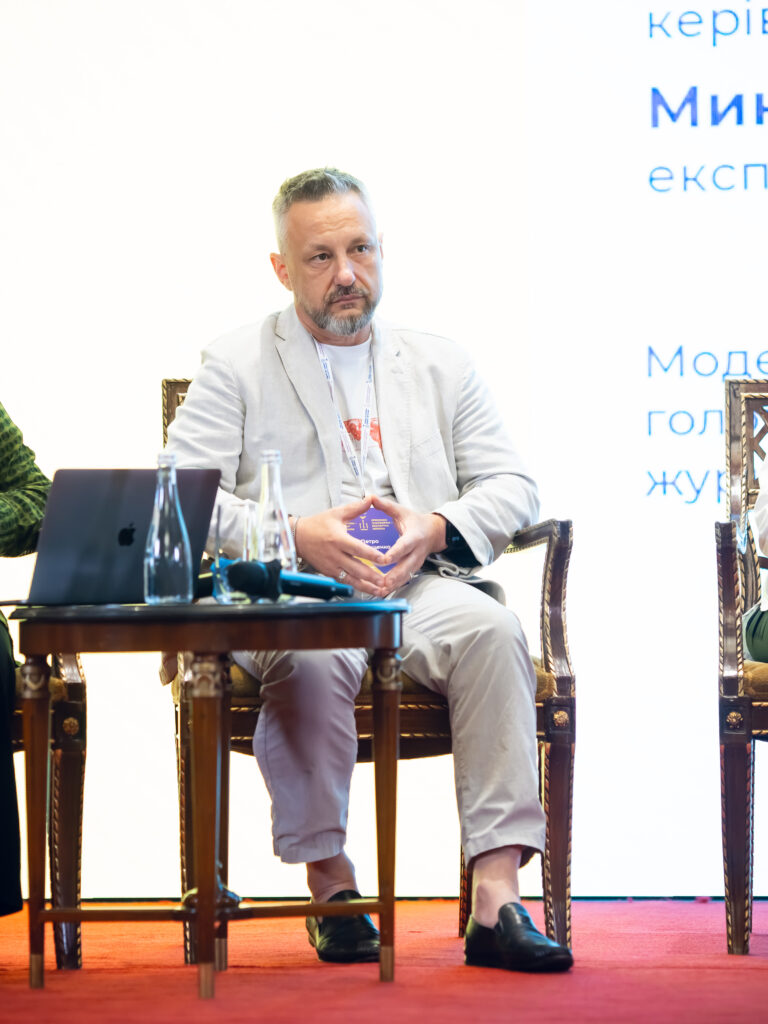
Petro Andriushchenko, Head of the Center for the Study of Occupation, emphasized that famine should be expected in the occupied territories as early as next year:
“We must talk about this now. Yet we, as a state, remain silent. Agricultural producers have been left without harvests — it was forcibly taken from them. And they have no money to buy new seeds. The second component is colonial policy. For instance, the Illich Steel and Iron Works in Mariupol could be operating, but Pushilin handed it over to Kadyrov. Bandit clans are settling accounts among themselves with our property. Instead of putting the plant back into operation, Kadyrov’s people are cutting it up for scrap,” Andriushchenko explained.
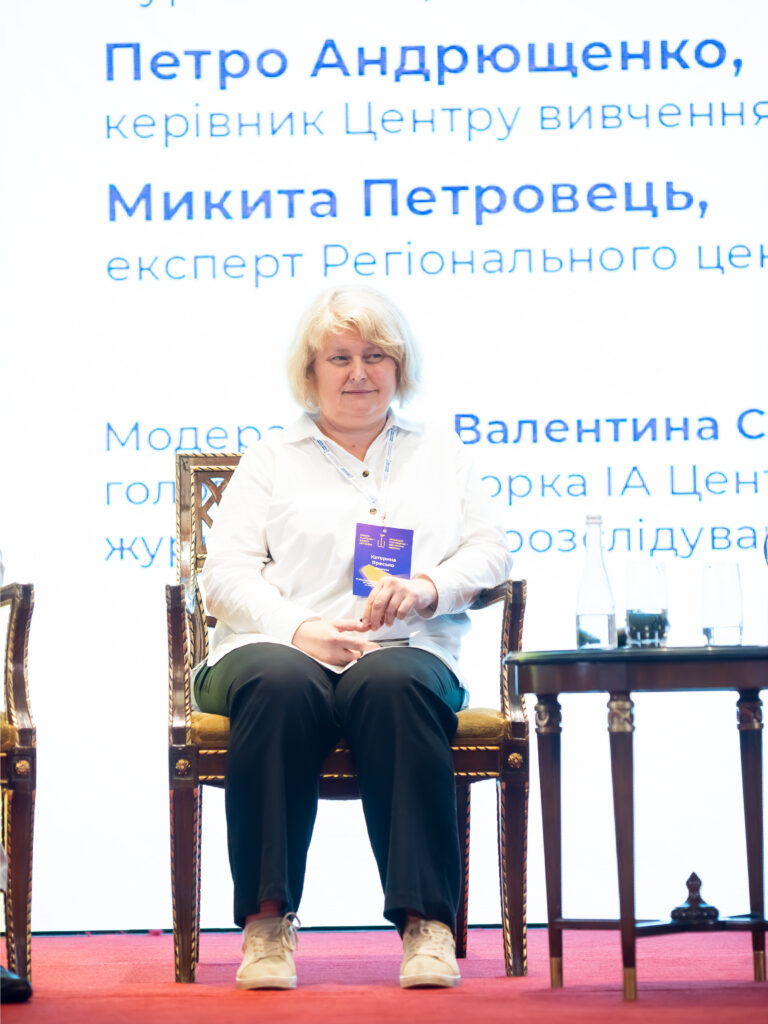
Kateryna Yaresko, journalist of the investigative project SeaKrime, noted that last year Russia exported a significant amount of grain from occupied Sevastopol. Investigations revealed that this grain had been stolen from Ukraine. She stressed that such actions constitute an international crime against Ukraine and must receive proper legal qualification.
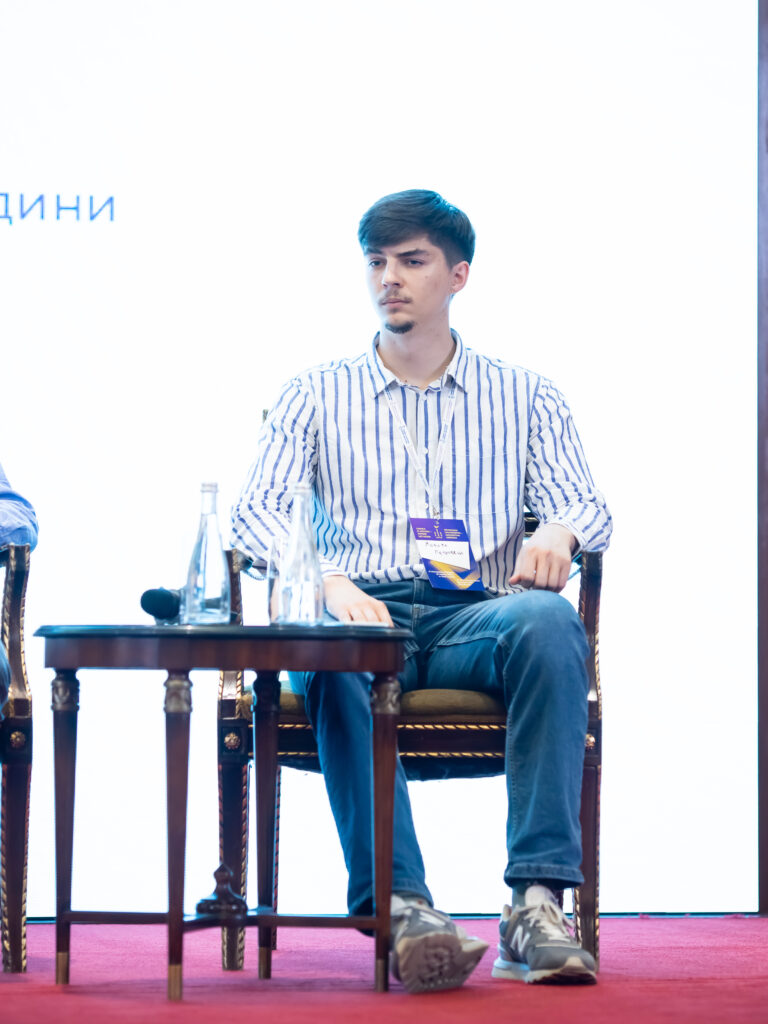
In turn, Mykyta Petrovets, representative of the Regional Center for Human Rights, stated that according to Russian occupation authorities, more than 2,600 facilities in the temporarily occupied territories had been “nationalized,” i.e., seized. Moreover, these properties are being sold at auctions, with proceeds already exceeding $42 million. These funds are being used to finance the war and pay members of the so-called “special military operation.”