24 January 2025
Luxembourg Parliament Condemns Human Rights Violations Against Crimean Tatars Under Russian Occupation in a Resolution
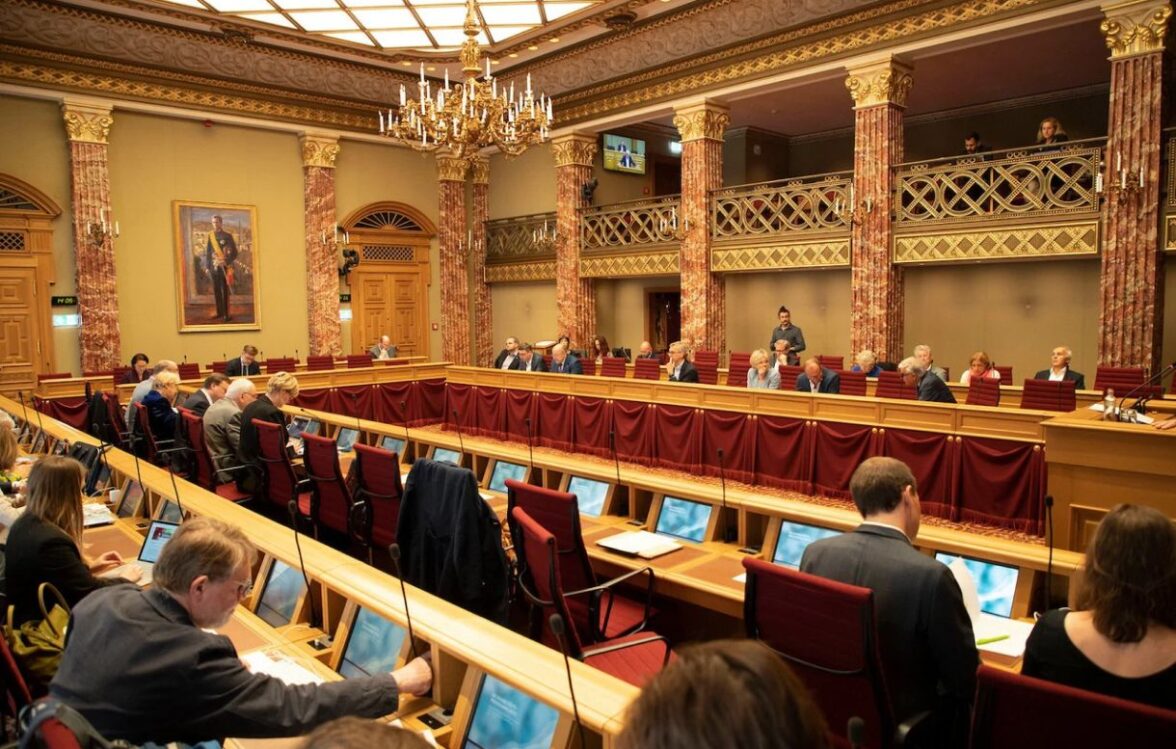
On January 23, 2025, the Chamber of Deputies of Luxembourg adopted a resolution strongly condemning systematic human rights violations against Crimean Tatars in the temporarily occupied peninsula. The document thoroughly outlines the repressive policies, historical crimes, and modern actions by the Russian Federation aimed at erasing the cultural and national identity of Ukraine’s Indigenous people.
The resolution condemns the tragic deportation of Crimean Tatars in 1944, orchestrated under Joseph Stalin’s orders. The entire Indigenous population was forcibly removed from Crimea to remote regions of the Soviet Union. This deportation resulted in mass mortality, with over 46% of the deported population perishing in the first years due to starvation, disease, harsh labor conditions, and inhumane living standards. The resolution emphasizes the importance of preserving the memory of these events and calls on the international community for their official recognition.
The document also highlights a new wave of persecution that began after Russia’s occupation of Crimea in 2014 and intensified following its full-scale invasion of Ukraine in 2022. The occupying administration conducts systematic policies to suppress Crimean Tatar identity through unlawful arrests, searches, threats, and persecution.
The resolution gives particular attention to actions conducted by the occupying administration aimed at erasing Crimean Tatar culture and language. The use of the native language is restricted, and the cultural and historical heritage of Crimea is falsified in school textbooks. Additionally, the occupiers unlawfully ban significant cultural and religious events vital for preserving national identity.
The resolution specifically addresses the illegal ban on the Mejlis of the Crimean Tatar People, the representative body of Ukraine’s Indigenous people. In 2016, Russia declared the Mejlis illegal despite a ruling by the International Court of Justice demanding the reversal of the ban. This move marked a step in the attempt to annihilate the political autonomy of Crimean Tatars.
The document underscores the systematic use of “judicial mechanisms” by the Russian occupying administration to persecute Crimean Tatars. Laws on “extremism” and “terrorism” are employed to justify illegitimate arrests, home raids, and repressions against lawyers defending the interests of the Indigenous population.
The resolution draws attention to the dismantling of independent media in occupied Crimea, mainly targeting journalists and outlets reporting on the rights violations of Crimean Tatars. These actions are part of Russia’s broader policy of suppressing free speech and erasing all forms of resistance to the occupation.
The resolution is grounded in key international instruments, including the UN Charter, the Universal Declaration of Human Rights, the European Convention on Human Rights, and the Constitution of Ukraine, which guarantee the rights of national minorities. The Luxembourg deputies stressed that Russia’s systematic violations of these norms must be internationally condemned.
The Chamber of Deputies of Luxembourg expressed solidarity with the Crimean Tatar people, calling for increased international support in the fight against human rights violations in the occupied territory. The document includes a call to intensify efforts for the de-occupation of Crimea and the cessation of repressions. Furthermore, Luxembourg reaffirmed its unwavering support for Ukraine in its struggle against Russian aggression.
The resolution will be officially transmitted to Ruslan Stefanchuk, Chairman of the Verkhovna Rada of Ukraine, as a symbol of solidarity with Ukraine. This underscores the close cooperation between Luxembourg and Ukraine in the fight for human rights and the protection of territorial integrity.