21 November 2024
The First Panel Discussion,”Becoming a Sustainable Peace Friend: How Could Non-Western Countries Contribute to Ending the Russian Aggression Against Ukraine?” at the Second International Crimea Global Conference
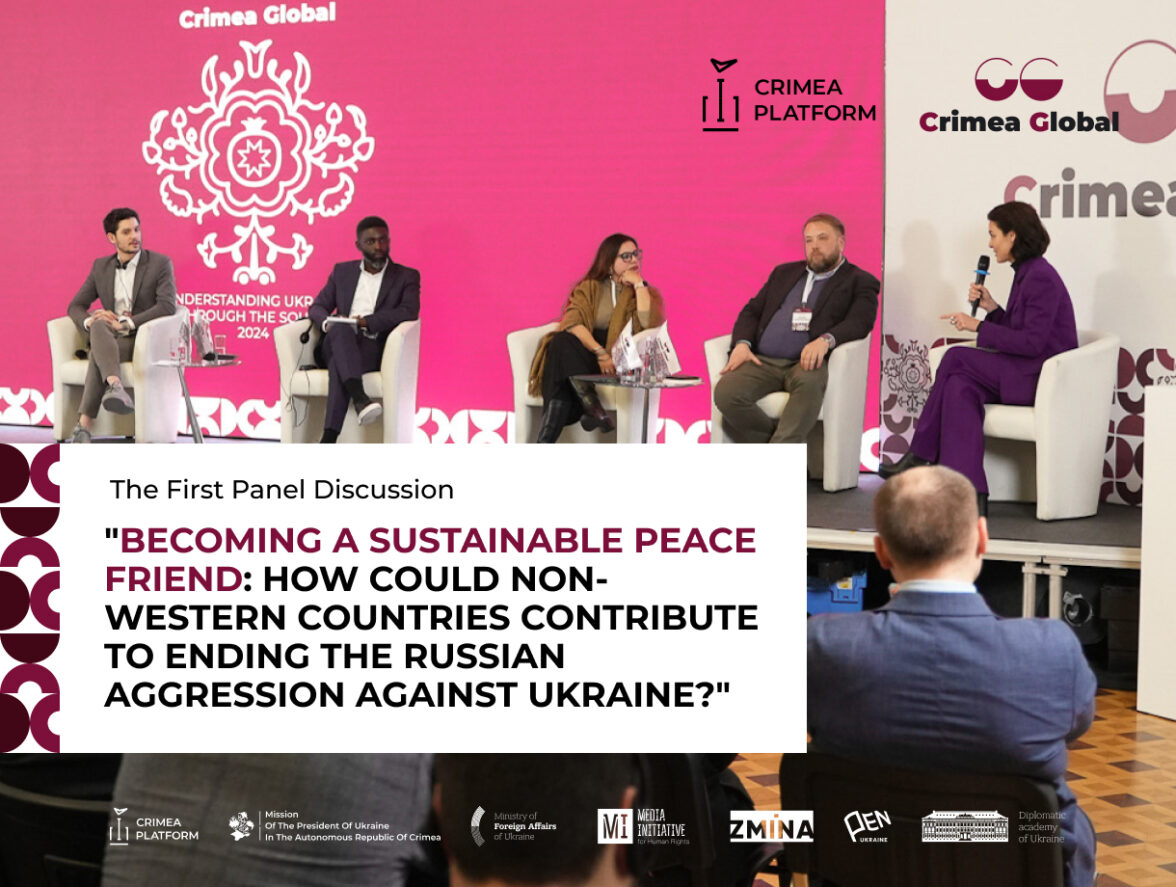
Within the framework of the Second International Conference Crimea Global: Understanding Ukraine through the South, the first panel discussion, “Becoming a Sustainable Peace Friend: How Could Non-Western Countries Contribute to Ending the Russian Aggression Against Ukraine?” was held.
The discussion featured Uriã Fancelli, an international political analyst and writer, and a political commentator for CNN Portugal from Brazil; Brian Oruta, Senior Digital Reporter for The Star newspaper from Kenya; Dr. Swasti Rao, Fellow at the Europe and Eurasia Centre at the Manohar Parrikar Institute for Defense Studies and Analyses, India; Dr. Dinna Prapto Raharja, Executive Director of Synergy Policies, Indonesia; Dariia Zarivna, Advisor to the Head of the Office of the President of Ukraine; and Andrii Kononenko, Deputy Secretary of the National Security and Defense Council of Ukraine.
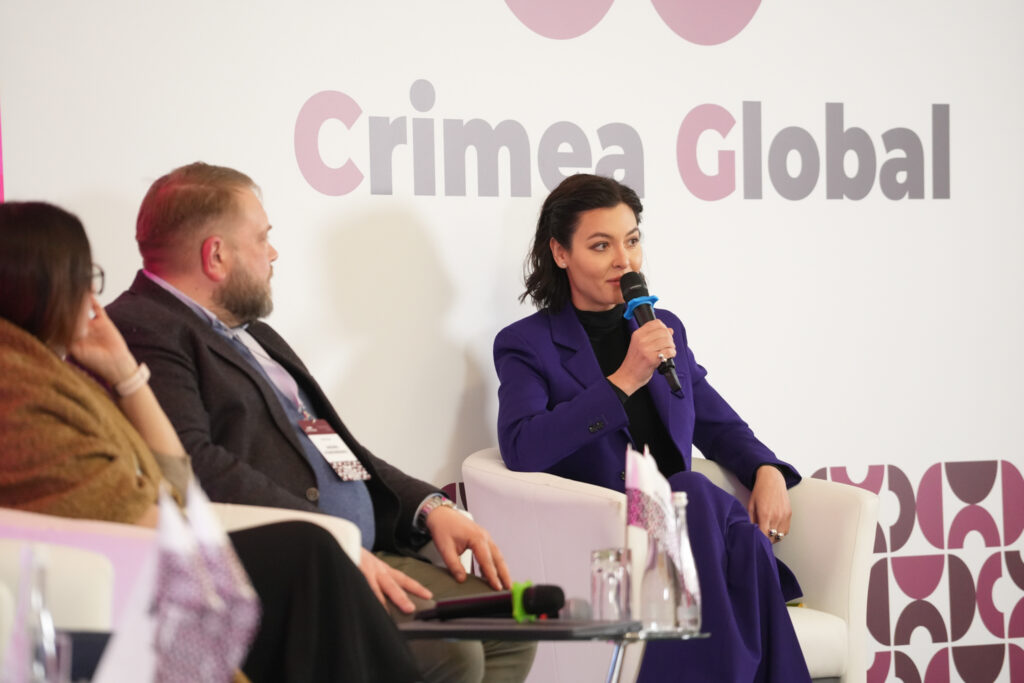
The discussion was moderated by Olha Rudenko, Chief Editor of The Kyiv Independent.
Uriã Fancelli, an international political analyst and writer, as well as a political commentator for CNN Portugal, stated during the discussion: “I believe that the Russian invasion is not only a local tragedy but also a symptom of significant systemic issues in international relations.” He emphasized the double standards sometimes exhibited by countries in North and South America, as well as certain European nations. Another issue, he noted, is the United Nations Security Council, which still includes “a country governed by a dictator who is a war criminal” as a member.
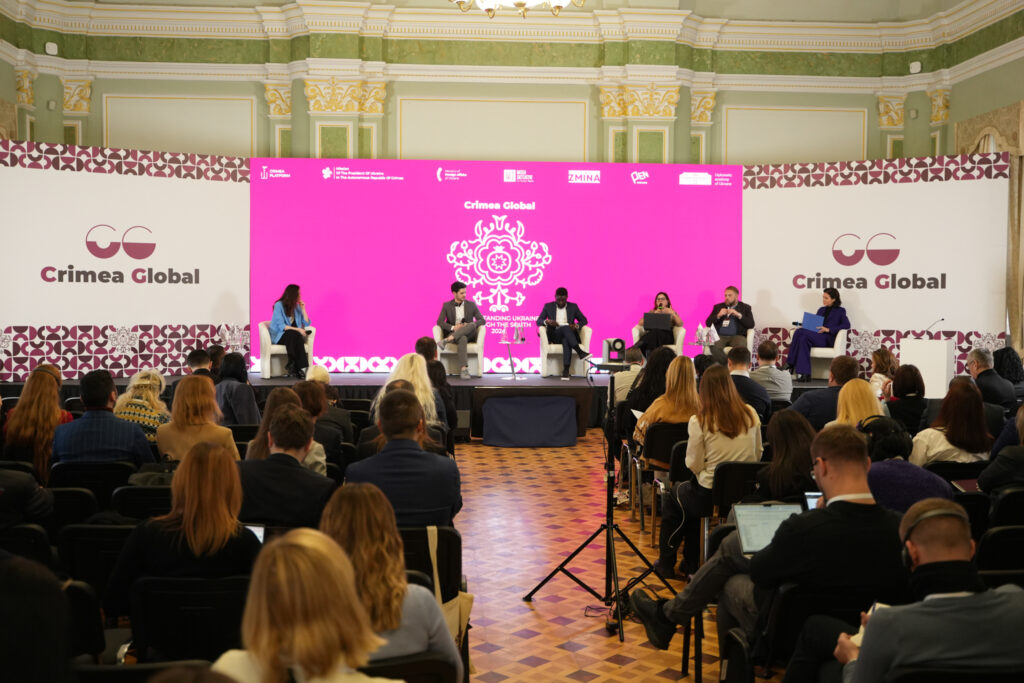
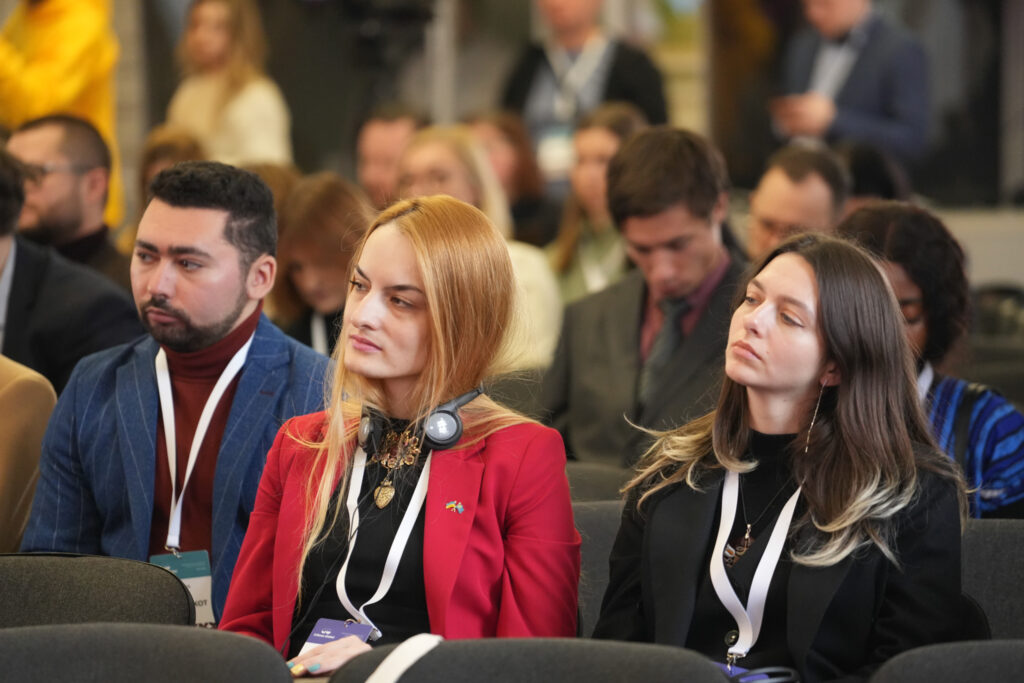
Brian Oruta, Senior Digital Reporter for Kenya’s The Star newspaper, in turn, remarked: “I am here to understand what Ukraine needs from the African region. I am here to understand what Ukraine is all about, particularly the Crimean Peninsula.” He highlighted the importance of Ukrainian grain exports to African countries and the need to explore ways to strengthen relations between African nations and Ukraine.
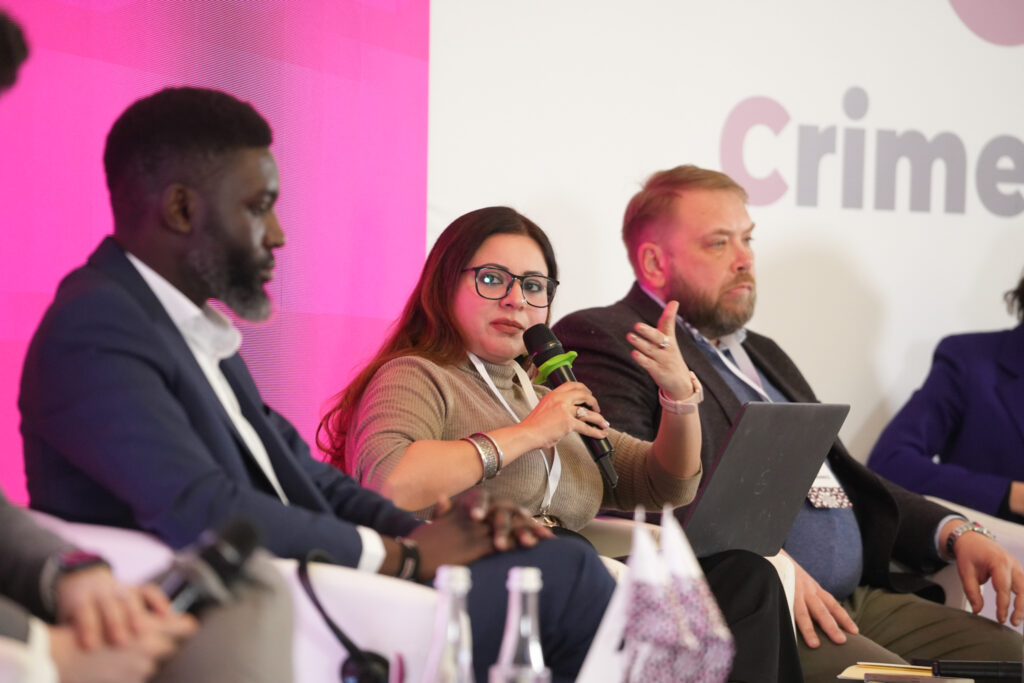
Dr. Swasti Rao, Fellow at the Europe and Eurasia Centre, Manohar Parrikar Institute for Defense Studies and Analyses, commented: “Understanding Ukraine through the South is extremely important.” She noted shifts in Ukraine’s relations with the Global South, citing Indian Prime Minister Narendra Modi’s visit as evidence. Dr. Rao also mentioned India’s interest in technical military cooperation with Ukraine, which began years ago, and stressed the importance of continuing dialogue to find innovative solutions.
Dr. Dinna Wisnu, Executive Director of Synergy Policies, Indonesia, shared: “If you ask why I am here, it’s because I care. It’s because Indonesia also cares about Ukraine and wishes for Crimea to be a part of Ukraine.” She underscored the shared responsibility of fostering solidarity between the Global South and Ukraine to end the war, highlighting the importance of diplomatic cooperation. Dr. Wisnu noted that Indonesia has already sent three humanitarian aid packages to Ukraine and intends to continue its support in the current unstable global environment.
Andrii Kononenko, Deputy Secretary of the National Security and Defense Council of Ukraine, remarked: “The name of our conference is very symbolic for me because, on one hand, it’s about one of the Ukrainian regions — Crimea. On the other hand, it’s a global issue because the attempted annexation of Crimea by the Russian Federation has greatly impacted global security.” He emphasized the importance of dialogue and trust as key tools to counter Russian aggression and highlighted the issue of cognitive resilience in combating Russian propaganda, especially in the Global South.
Dariia Zarivna, Advisor to the Head of the Office of the President of Ukraine, drew parallels between Russian aggression in Ukraine and Nazi Germany’s actions during World War II. She noted: “The war in Ukraine has already transcended Ukrainian borders. None of the foreign security plans we’ve heard about really offer guaranteed peace or address Putin’s motives.” Zarivna argued that the Russian war is less about territorial occupation and more about the destruction of Ukrainian national identity. She emphasized that President Volodymyr Zelenskyy’s Peace Formula is not only a means to end the war but also a framework to prevent future invasions, ensure Ukraine’s territorial integrity, and address global challenges like nuclear and food security, as well as the humanitarian impact of war.
During the discussion, moderator Olha Rudenko asked: “What can we emphasize in Ukraine’s message to different audiences, and what’s missing?” Uriã Fancelli, an international political analyst and writer, as well as a political commentator for CNN Portugal from Brazil, responded: “I think what’s missing is identifying specific points of common ground with each individual region. I don’t believe there’s a universal recipe that would work for every country.”
Brian Oruta, Senior Digital Reporter for The Star newspaper, added: “There is a need to counter the propaganda that spreads across Africa.” He pointed out one of the most effective narratives of Russian propaganda: “Russia is winning this war; Ukraine should simply surrender.”
In turn, Dr. Swasti Rao, Fellow at the Europe and Eurasia Centre of the Manohar Parrikar India, emphasized: “The entire world needs to come to Ukraine to understand what is happening here.”
Dr. Dinna Prapto Raharja, Executive Director of Synergy Policies, Indonesia, highlighted Indonesia’s efforts to continue dialogue and foster progress toward establishing peace in Ukraine. She stressed the need for countries to unite around achieving an effective resolution to the war.
Thanks to the speakers for participating in the discussion!
#CrimeaGlobal #CrimeaIsUkraine