25 September 2025
Summary of the Fifth Summit of the Crimea Platform
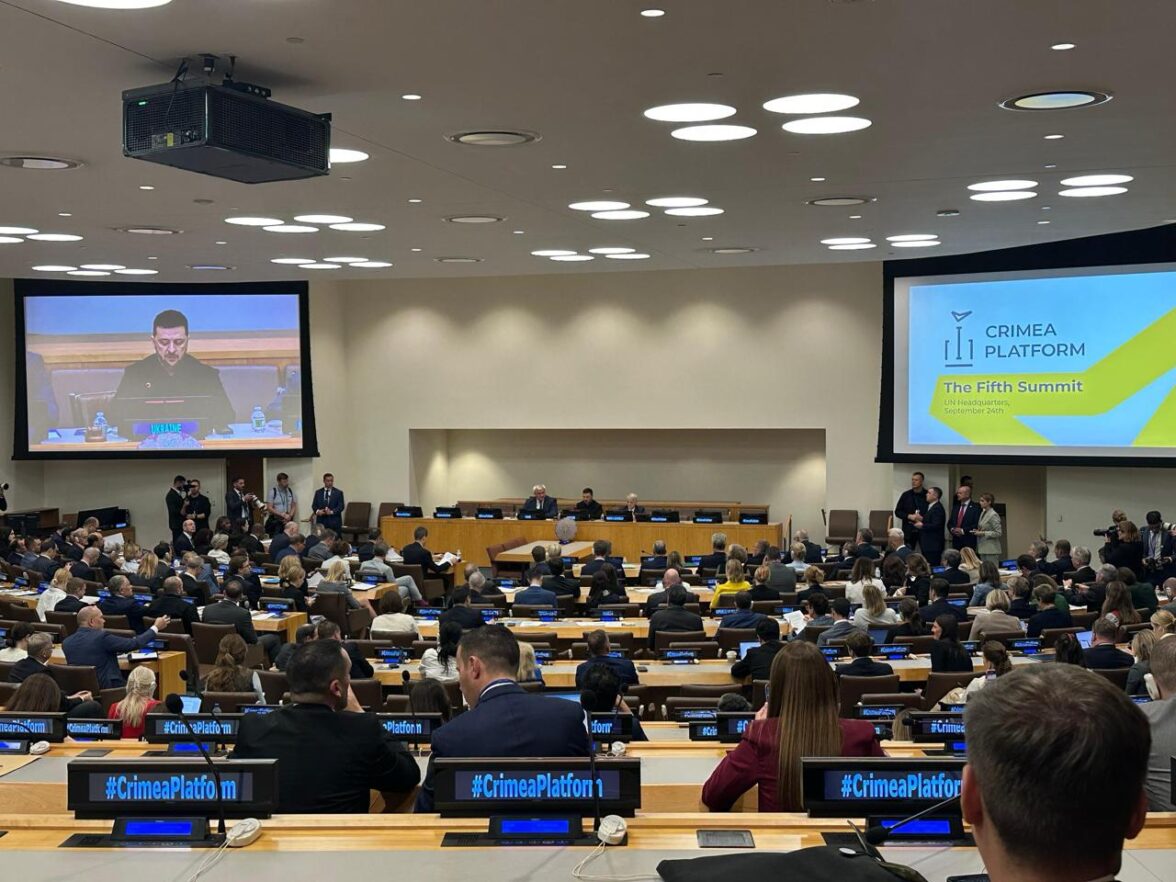
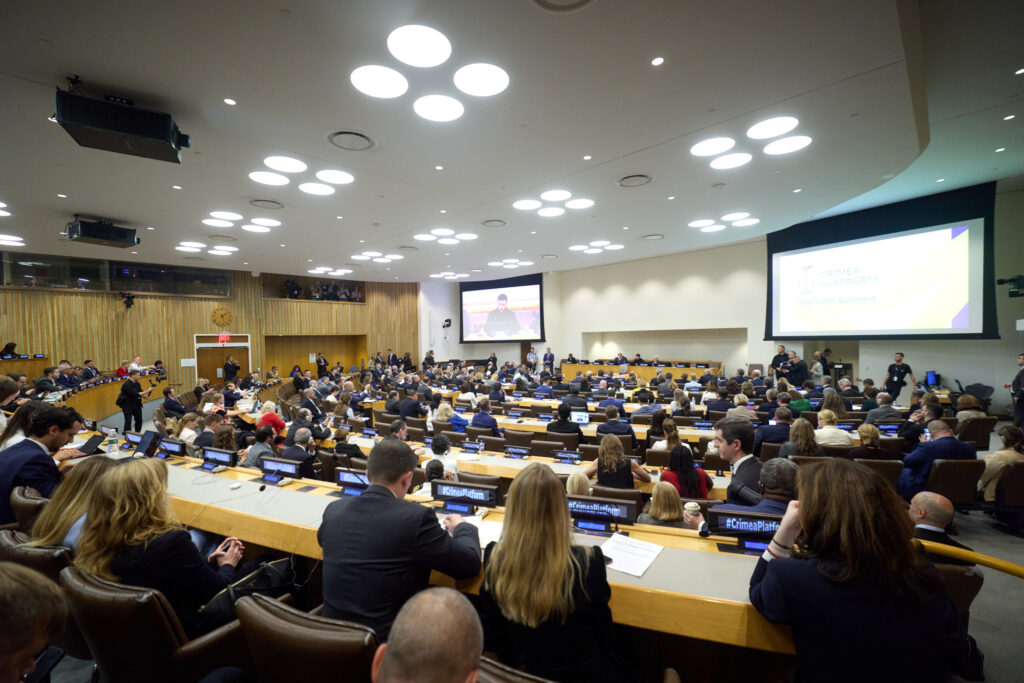
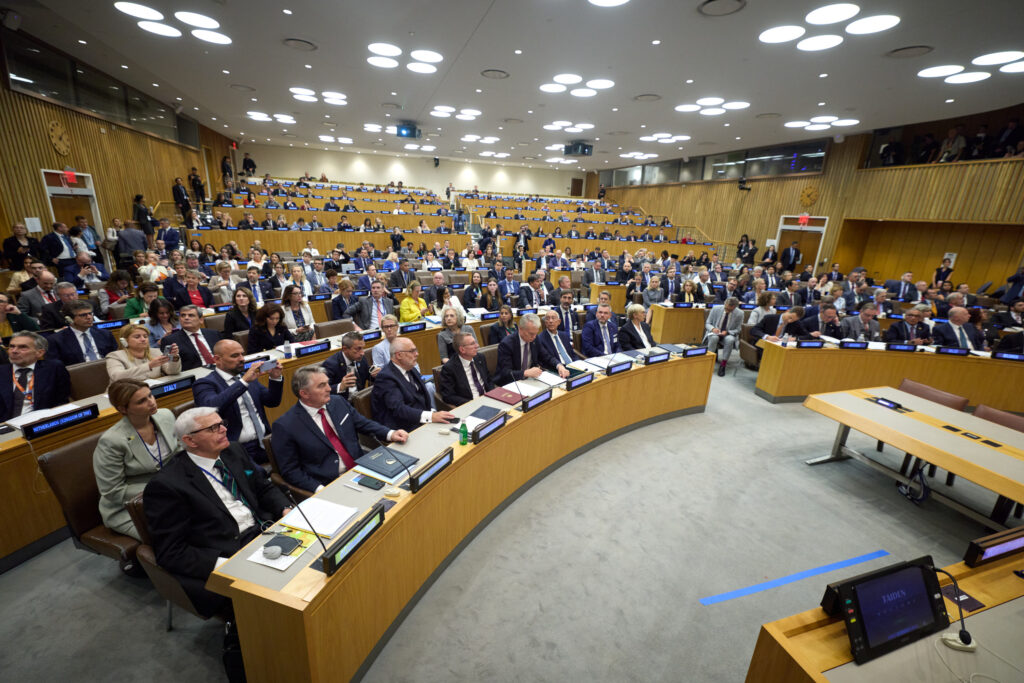
On September 24, 2025, the Fifth Summit of the Crimea Platform was held in New York, USA, bringing together a significant number of world leaders and senior officials. The event was attended by representatives of 54 countries and seven international organizations, encompassing all continents and regions of the world.
This year’s Summit took place within the framework of the United Nations General Assembly and coincided with the 80th anniversary of the signing of the UN Charter. It became a symbol of strengthened support for the fundamental principles of the Charter, including sovereignty, territorial integrity, and the peaceful settlement of conflicts. The Summit was marked by a significant expansion of participation compared to previous years, uniting leaders, senior officials, and international organizations from across the globe.
A broad range of countries, regions, and international organizations joined this year’s gathering. Among the participants were representatives of the Mejlis of the Crimean Tatar People, as well as officials from Bosnia and Herzegovina, the Republic of Estonia, the Republic of Latvia, the Republic of Lithuania, the Portuguese Republic, the Slovak Republic, the Republic of Slovenia, the Principality of Liechtenstein, the Kingdom of the Netherlands, the Principality of Andorra, the Kingdom of Belgium, Belize, the Republic of Bulgaria, Cabo Verde, Ireland, the Grand Duchy of Luxembourg, the Republic of Malta, the Republic of Türkiye, the Kingdom of Sweden, Japan, and 34 other countries.
International organizations were represented by the OSCE and six other global bodies.
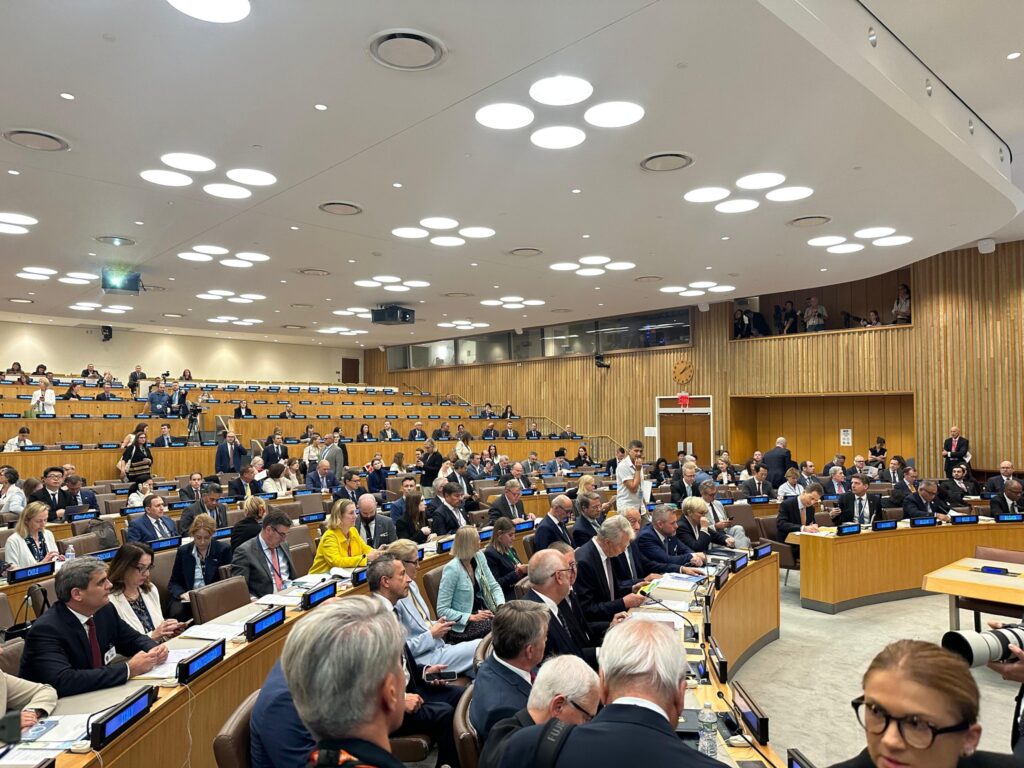
Special attention was devoted to the role of the UN General Assembly in defending the sovereignty and territorial integrity of states, the resolutions it has adopted to counter Russian aggression, and the significance of these documents in preventing new acts of aggression worldwide. The discussions also addressed security challenges in the Black Sea and Azov Sea regions, the human rights situation in occupied Crimea, and international efforts to achieve its de-occupation.
Following the Fifth Summit of the International Crimea Platform, the New York Declaration was adopted on September 24. Its symbolic importance is amplified by its adoption on the sidelines of the UN General Assembly during the 80th anniversary of the signing of the UN Charter. The Declaration reaffirms the commitment of participating states to the principles of the Charter—respect for sovereignty and territorial integrity, the renunciation of the use of force, and the peaceful settlement of disputes—recognizes the illegality of any territorial acquisitions resulting from aggression, and confirms the policy of non-recognition of the occupation and attempted annexation of Ukrainian territories, including the Autonomous Republic of Crimea and the city of Sevastopol. The document highlights violations of human rights and international humanitarian law in the occupied territories, supports UN General Assembly resolutions adopted since 2014, and encourages active participation in diplomatic efforts and coordination formats, including the International Crimea Platform, to achieve a comprehensive and lasting peace in Ukraine.
The New York Declaration can be accessed via the following link — https://cutt.ly/arNOWj6k.
Andriy Sybiha, Minister for Foreign Affairs of Ukraine, opened the Summit and emphasized the importance of international solidarity with Ukraine in countering Russian aggression. He noted the broad participation in the summit, demonstrating the relevance of the Crimea Platform and the steadfast commitment to the most fundamental principle of the UN — the territorial integrity of states.
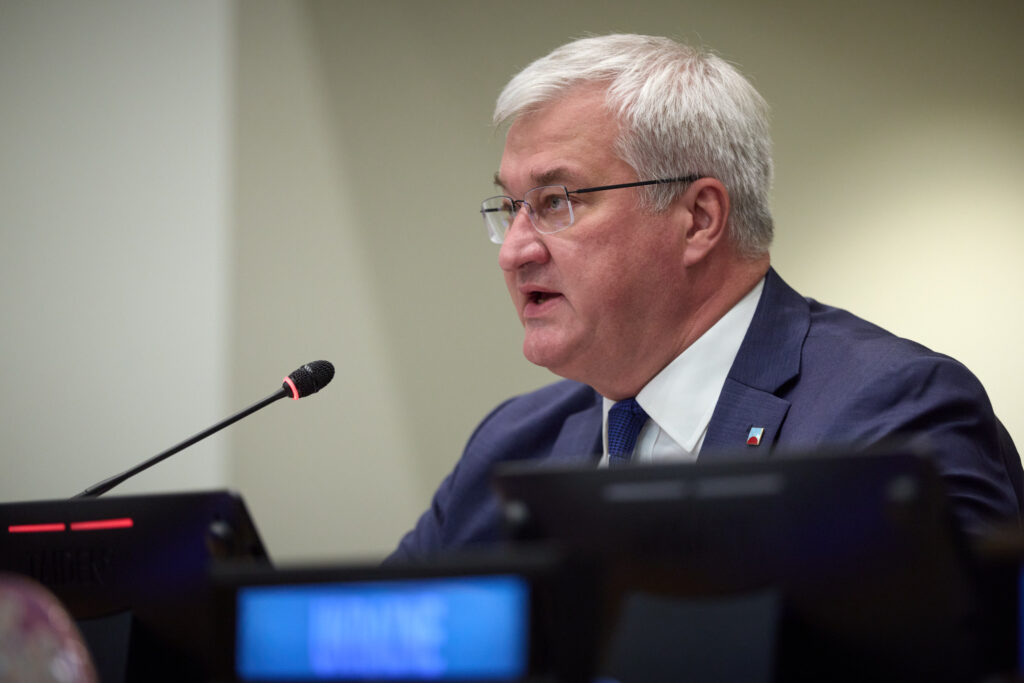
The Minister highlighted the significance of the New York Declaration, adopted within the framework of the UN General Assembly on the 80th anniversary of the signing of the Charter:
“For Ukraine, the UN Charter is not just a document, but the foundation of international law. The restoration of Ukraine’s territorial integrity is a necessary condition for restoring the authority of the Charter. International law must prevail. Peace must be restored and preserved. And this is possible only through strength.” Andriy Sybiha stressed that Ukraine will not be left alone with the aggressor and that the international community must stand for truth and justice.
Volodymyr Zelenskyy, President of Ukraine, in his address at the opening of the Fifth Crimea Platform Summit, emphasized the global threat posed by Russia’s occupation of Crimea and the danger of international inaction in response to aggression. He underlined that the occupation of the peninsula has created a dangerous precedent, showing other potential aggressors how easily a state’s sovereignty can be violated without immediate consequences.
“Crimea is not just a piece of land. For millions of Ukrainians — especially the residents of Crimea — it is home, identity, and a way of life. For Russia, territorial expansion has become a habit that is never satisfied. We must remember what Crimea truly means and act to ensure that Russia is held accountable. We will not forget. We will not forgive.”
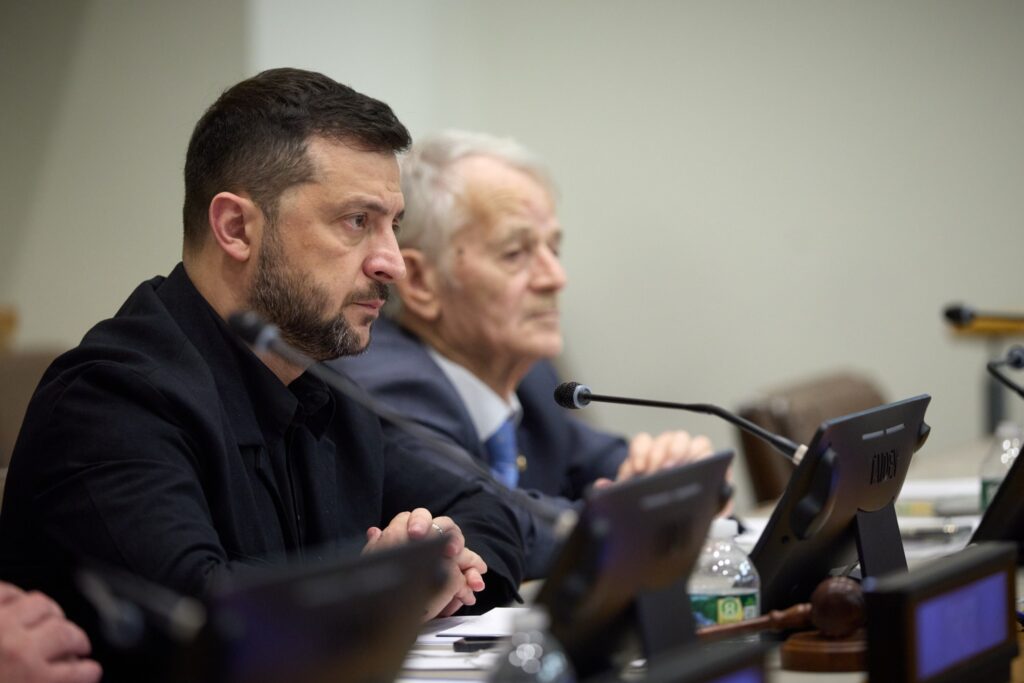
The President underscored the key goal: to prevent the normalization of Russian aggression. Humanity must not allow the creation of a world order in which illegal occupation becomes acceptable. Volodymyr Zelenskyy drew attention to the danger of Crimea being turned into a military base and to the repression of peaceful residents, particularly the Crimean Tatars. He thanked partners for their solidarity and called for maintaining the sanctions regime until Russia ends the war and the occupation of Ukrainian territories.
In his speech at the Summit, the leader of the Crimean Tatar people, Mustafa Dzhemilev, stressed that the liberation of Crimea is a matter of survival for the Crimean Tatars due to systematic persecution by the occupation administration. He emphasized that Russia is waging war not only against Ukraine but against the entire civilized world.
“The interests of certain countries allow them to ignore the moral and ethical principles of international law.”
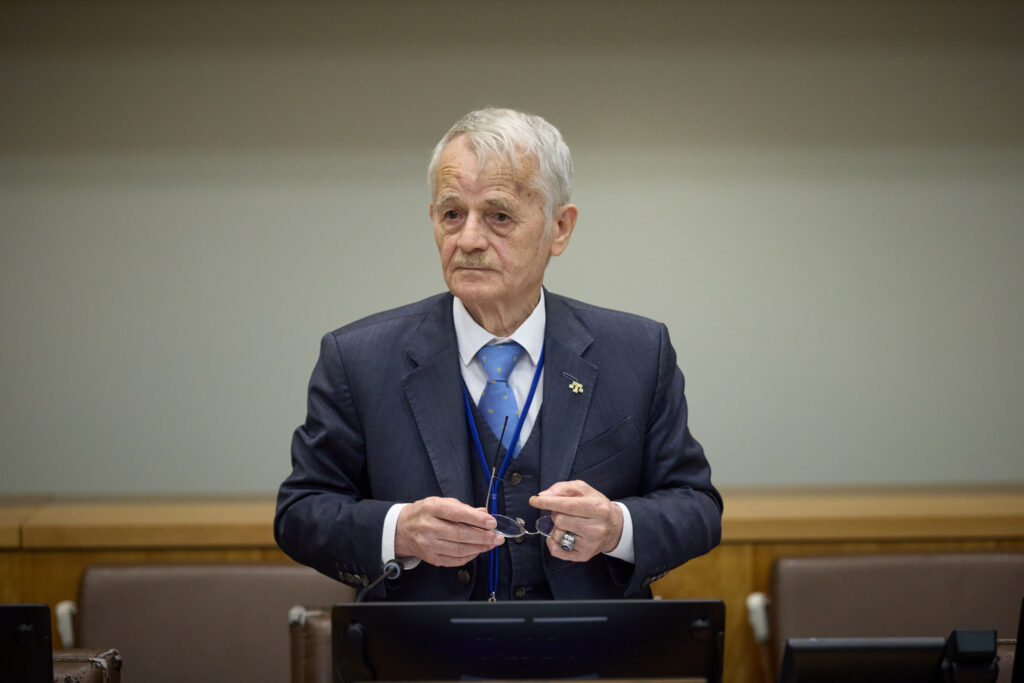
Mustafa Dzhemilev warned that any so-called ‘peace treaty’ imposed by Russia would only be a pause before a new, even bloodier war. He called on the international community to remain steadfast in its support for Ukraine and the Crimean Tatar people.
Željko Komšić, President of Bosnia and Herzegovina, in his speech, stressed that no state has the right to seize land, kill civilians, or carry out ethnic cleansing for political or commercial purposes. He emphasized the duty of all states to adhere to the UN Charter and to resolve conflicts peacefully.
“There can be neither happiness nor blessing in seizing land from other people, killing civilians and children, conducting ethnic cleansing or genocide for any political goals, national interests, or wars for commercial gain anywhere in the world.”
Željko Komšić recognized the Crimea Platform as an example of a multilateral approach aimed at protecting the sovereignty, independence, and territorial integrity of Ukraine, including Crimea and Sevastopol. He firmly rejected any attempts to legitimize the seizure of territories by force and called for perseverance, stressing that goodwill ultimately prevails over evil and destruction.
Alar Karis, President of the Republic of Estonia, delivering his speech at the Fifth Crimea Platform Summit, acknowledged the suffering of people living under occupation and emphasized the importance of independent media and access to reliable information on the peninsula. He highlighted the need for the international community to remain steadfast in its non-recognition of these actions:
“As long as Russia continues its aggressive war against Ukraine, occupying one-fifth of its territory and maintaining its occupation of Crimea, we must remain unwavering in our non-recognition of this.”
Estonian President Alar Karis drew attention to the fact that 50 people in occupied Crimea have already been sentenced by the Russian regime solely for exercising their right to freedom of expression. He stressed that this is an attempt by the occupiers to silence free voices and conceal the truth about the situation on the peninsula.
Edgars Rinkēvičs, President of the Republic of Latvia, emphasized in his address that the war against Ukraine did not begin in 2022, but in 2014, when Russia violated international law by attacking the territory, integrity, and independence of Ukraine. He underlined that the main goal of the Crimea Platform is to end the occupation of Crimea and to remind the world that Crimea is Ukraine.
“This is where the war started in 2014. The war did not begin in 2022; it began in 2014. The core idea of the Crimea Platform is to remind everyone that Crimea is Ukraine.”
The Latvian President reaffirmed Latvia’s unwavering support for Ukraine and stressed that his country does not recognize the attempted annexation of Crimea, Sevastopol, or any other Ukrainian territories. He pointed to the historical experience of Latvia and other Baltic states that restored their sovereignty after decades of Russian occupation, underscoring that Ukraine must not have to wait so long to regain its territorial integrity.
Gitanas Nausėda, President of the Republic of Lithuania, stressed in his speech that now is not the time to weaken sanctions against Russia, as the weak international reaction to the occupation of Crimea in 2014 contributed to Russia’s full-scale invasion in 2022. He highlighted that residents of Crimea, in particular the Crimean Tatars, face arbitrary arrests, political persecution, forced erasure of Ukrainian identity, and bans on the Ukrainian language. He also drew attention to cases of torture, sexual violence, and restrictions on access to medical care for prisoners.
“Supporting Ukraine means defending the fundamental principles of the UN Charter. Lithuania calls for the immediate release of all unlawfully detained citizens and urges the international community to ensure that their voices are heard.”
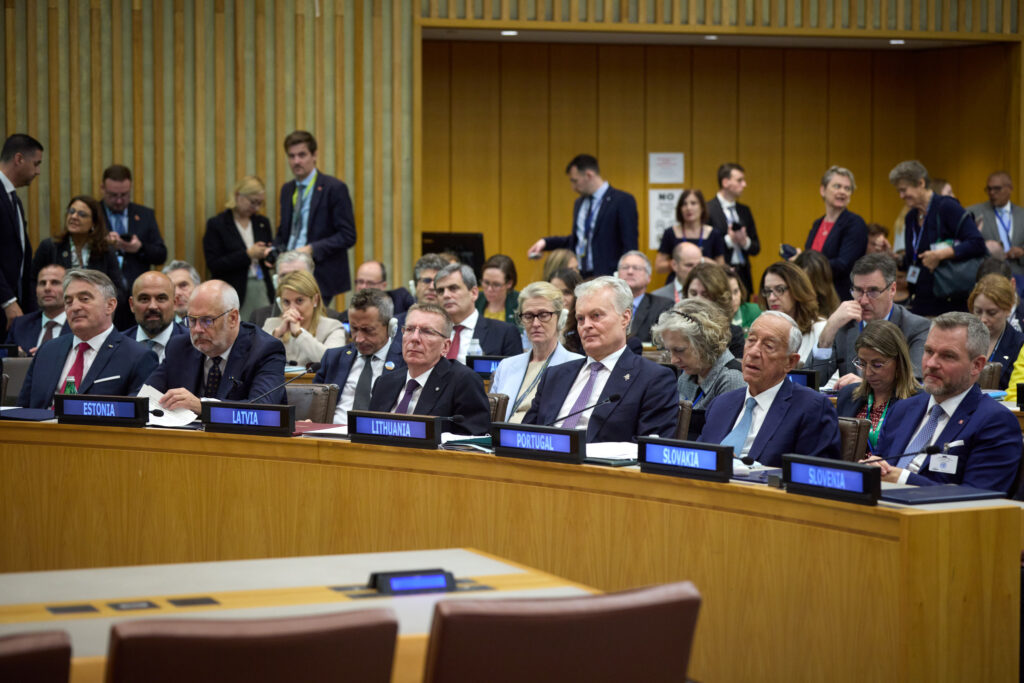
Nausėda stressed the importance of supporting the Crimean Tatars and restoring Ukraine’s territorial integrity as a key step for preserving international law and stability in Europe. Marcelo Rebelo de Sousa, President of the Portuguese Republic, speaking at the Fifth Summit of the Crimea Platform, unequivocally condemned the occupation of Crimea and fully supported the sovereignty, independence, and territorial integrity of Ukraine. He emphasized that any seizure of territory by force cannot be recognized as legitimate.
“We strongly condemn the occupation and fully support the independence, sovereignty, and territorial integrity of Ukraine. We categorically do not recognize any seizure of territory by force.”
He noted that the occupation of Crimea in 2014 marked the beginning of Russian aggression and a blatant disregard for international law, the UN Charter, and UN General Assembly resolutions. He condemned the unlawful deportation of Ukrainian children, the environmental damage caused by the militarization of Crimea and the Azov and Black Seas, and called for the return of detainees, compliance with humanitarian law, and the establishment of reliable humanitarian corridors.
Rebelo de Sousa reaffirmed Portugal’s support for military assistance to Ukraine and sanctions against Russia, stressing that Portugal will always stand with Ukraine and its people.
Peter Pellegrini, President of the Slovak Republic, emphasized that the UN Charter was not created “à la carte,” to adhere only to convenient principles while ignoring others.
“A world without rules, where violence and force determine the fate of others, is unacceptable.”
He stated that his country does not accept violations of international law or violent changes of borders. He underscored that the Crimea Platform is not only an international forum but also a symbol of solidarity: it shows the Ukrainian people that they are not forgotten and demonstrates to the world that international law matters even in the face of aggression.
Nataša Pirc Musar, President of the Republic of Slovenia, condemned the actions of the Russian Federation and stressed the need for the immediate, complete, and unconditional withdrawal of Russian troops from the territory of Ukraine.
“Any territorial acquisition achieved through the threat or use of force cannot be recognized as lawful.”
She highlighted the importance of adhering to the UN General Assembly resolutions adopted since 2014, which reject any attempts to legitimize the forcible change of borders. The Hereditary Prince of the Principality of Liechtenstein, expressed support for Ukraine at the Fifth Summit of the Crimea Platform. He emphasized that Ukraine’s territorial integrity is inviolable.
“Liechtenstein condemns the occupation of Crimea and other Ukrainian territories. We will not recognize or accept these attempts of illegal annexation. Ukraine’s territorial integrity cannot be questioned.”
Prince Alois highlighted the importance of continued support for Ukraine to ensure lasting peace in accordance with UN General Assembly resolutions. He called for respect for the rule of law and adherence to the principles regarding the use of force enshrined in the UN Charter, stressing Russia’s responsibility for political crimes.
The Prime Minister of the Kingdom of the Netherlands, Dick Schoof, in his address to the Fifth Summit of the Crimea Platform, stressed that the restoration of freedom and independence in Ukraine is possible only through decisive action by the international community. He underlined the importance of restoring human rights, the rule of law, and democracy for the people of Ukraine living under Russian occupation.
“One day, all Ukrainians will be able to celebrate their freedom and independence in peace. But it depends on all of us doing everything possible to stop the Russian war and ensure that Russia is never honored.”
He expressed respect for Ukrainians who bravely fight for victory and assured continued support for Ukraine until stable and long-lasting peace is established.
The Prime Minister of the Principality of Andorra, Xavier Espot Zamora, emphasized that Andorra will continue to support Ukraine and cooperate with the international community to ensure accountability, justice, and peace.
“Ukraine’s struggle is the defense of the common values that unite us as the international community.”
He stressed that after more than 1,300 days of full-scale invasion, the war must end. He called on the international community to remain united and resolute in condemning Russian aggression, emphasizing that this war is an attack not only on the Ukrainian people but also on human rights and international law.
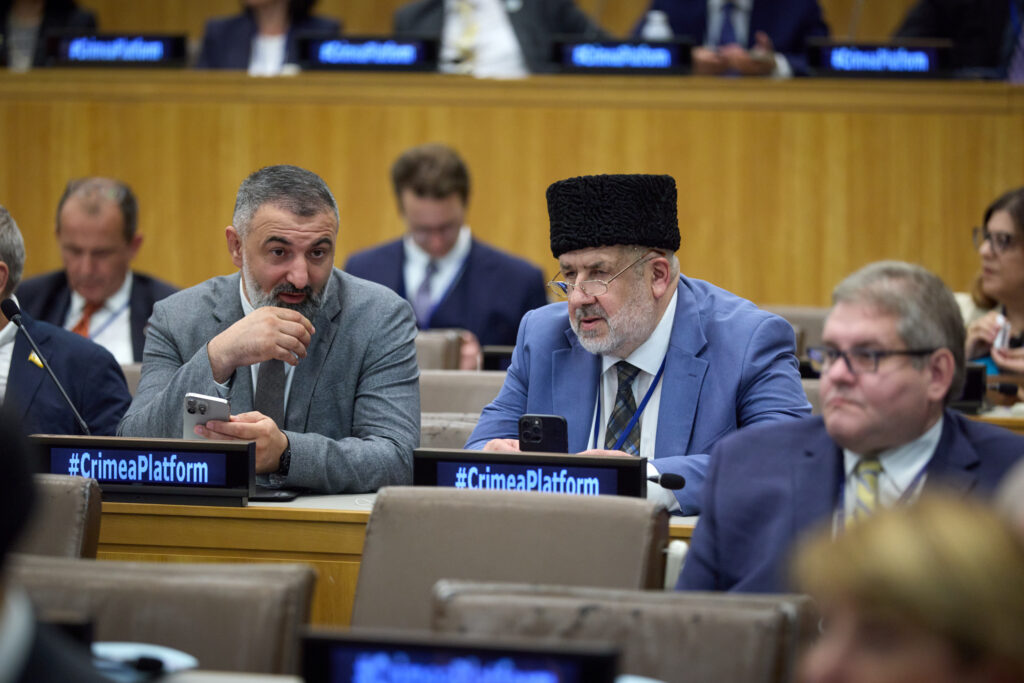
The Prime Minister of the Kingdom of Belgium, Bart De Wever, highlighted that the war in Ukraine is a shared struggle to protect the country’s sovereignty and territorial integrity, beginning with the first region victimized by modern Russian expansionism — Crimea.
“We must not forget that the war in Ukraine is our shared struggle to protect Ukraine’s sovereignty and territorial integrity, which also includes the struggle for the first region of the country that fell victim to modern Russian expansionism — Crimea.”
He stressed that the persecution of political prisoners in Crimea and violations of the rights of the Crimean Tatar people continue. He expressed gratitude for participation in the Crimea Platform and reaffirmed Belgium’s principled position that Crimea is an integral part of Ukraine.
The Prime Minister of Belize, Juan Antonio Briceño, in his address to the Fifth Summit of the Crimea Platform, stressed the importance of respecting the principles of sovereignty, territorial integrity, and peaceful dispute resolution.
“Crimea must be where it legally belongs — in Ukraine, and the international community must respect the principles of sovereignty, territorial integrity, and peaceful dispute resolution.”
He noted the role of small states in supporting each other and ensuring respect for fundamental principles of international law amid an unstable international climate.
The Prime Minister of the Republic of Bulgaria, Rosen Zhelyazkov, condemned the ongoing occupation as a blatant violation of international law, including the UN Charter and European security principles.
“We want to see Crimea as a place of rest, not war.”
He stressed that Bulgaria will never recognize Russia’s attempts to legitimize the occupation of Crimea and Sevastopol or to establish control over other parts of Ukraine. The Prime Minister supported international negotiations and emphasized the need for a just resolution of the war, including reliable security guarantees for Ukraine and the restoration of its territorial integrity.
The Prime Minister of Cabo Verde, Ulisses Correia e Silva, in his address to the Fifth Summit of the Crimea Platform, highlighted the importance of respecting territorial integrity:
“Respect for territorial integrity is a fundamental principle of peaceful relations between states, in accordance with international peace and security.”
He noted that his government has maintained a clear position on the Russia-Ukraine war since January 2022, and that position remains unchanged.
Cabo Verde, he said, respects international law, which applies equally to all states, and strongly supports Ukraine in its struggle for territorial integrity. The Taoiseach of Ireland, Micheál Martin, in his address to the Fifth Summit of the Crimea Platform, emphasized that Russia’s crimes in occupied Crimea must be firmly condemned:
“Russia’s attempts to alter the peninsula’s demographic composition, its assault on the Ukrainian language, culture, and identity, as well as the brutal suppression of the Crimean Tatar community, must be decisively condemned.”
He recalled that Russia’s aggression began with the illegal occupation of Crimea in 2014 and escalated into a full-scale war in 2022. He reaffirmed Ireland’s unwavering support for Ukraine’s sovereignty and territorial integrity, emphasizing that justice must remain the foundation of any lasting peace.
The Prime Minister of Luxembourg presented his country’s position at the Fifth Summit of the Crimea Platform, stressing that eleven years of Russia’s occupation of Crimea have meant eleven years of repression, systematic human rights violations, and suffering, constituting a direct breach of the principles of international law: sovereignty, territorial integrity, and the inviolability of borders.
“This is and remains a direct violation of the principles upon which our world is based.”
He highlighted the importance of condemning Russia’s aggression and using platforms such as the UN to draw attention to the suffering of occupied peoples and hold Russia accountable. He stressed that the borders of a sovereign state cannot be changed by force and assured that Luxembourg will continue to support Ukraine until peace and territorial integrity are restored.
The Prime Minister of the Republic of Malta, in his address to the Fifth Summit of the Crimea Platform, emphasized that restoring Ukraine’s territorial integrity will be a decisive step toward establishing comprehensive justice and lasting peace.
“Restoring Ukraine’s territorial integrity will be a decisive step toward achieving comprehensive justice and lasting peace in Ukraine.”
He stressed support for Ukrainian citizens living under Russian occupation. He highlighted the illegal imposition of Russian citizenship on Crimea’s residents, the erasure of Ukrainian and Crimean Tatar identity, demographic changes, restrictions on language and culture, and the militarization of the peninsula. He assured that Malta, together with the EU, will continue to support Ukraine’s sovereignty, independence, and territorial integrity within its internationally recognized borders.
The Minister of National Defense of Turkey, Yaşar Güler, in his address to the Fifth Summit of the Crimea Platform, emphasized that the rights of the Crimean Tatars are not only a matter of foreign policy but also a historical and moral duty. Turkey will continue to amplify their voice, protect their rights, and guarantee the freedom and dignity of the indigenous people.
“The rights of the Crimean Tatars are not only a matter of foreign policy for us, but also a historical and moral obligation. We will continue to tirelessly work to amplify their voice, protect their rights, and guarantee their freedom and dignity.”
He stressed that the Crimean Tatars are an inseparable part of Ukraine. Turkey has never recognized and does not recognize the occupation of Crimea, viewing it as a gross violation of international law. Since 2014, Turkey has systematically supported Ukraine, and the Crimea Platform will continue working toward the common goal of liberating the peninsula and establishing an independent, prosperous, and sovereign Ukraine.
The Chairperson-in-Office of the OSCE, Finland’s Minister of Foreign Affairs, Elina Valtonen, in her address, emphasized the inviolability of Ukraine’s territorial integrity and underscored that Crimea belongs to Ukraine. She condemned imperialist actions and expressed support for Ukraine and its people.
“Today, we once again stress: Crimea is Ukraine. Ukraine’s territorial integrity must be restored. There is no place for imperialism in the 21st century. We remain steadfast in our support for Ukraine and its people.”
She noted that the organization has made a significant contribution to documenting Russia’s violations of international law, including the deportation of children, arbitrary detentions of civilians, and the mistreatment of prisoners of war. Valtonen emphasized the prolonged occupation of Crimea, the necessity of restoring justice and international law, and the need to end gross human rights violations against Ukrainians and Crimean Tatars.
Swedish Minister of Foreign Affairs Maria Malmer Stenergard, in her address at the Fifth Summit of the Crimea Platform, emphasized that Russia shows no interest in peace, as evidenced by its ongoing attacks on civilians. She stressed the need to increase pressure on Russia and to support Ukraine in its legitimate pursuit of a just and lasting peace.
Japanese Foreign Minister Takeshi Iwai, speaking on behalf of Prime Minister Shigeru Ishiba, conveyed Japan’s position in support of Ukraine’s sovereignty and territorial integrity, including Crimea. He highlighted Tokyo’s firm stance against Russian aggression and reminded participants of the additional sanctions against Russia announced on September 12.
“Japan supports the sovereignty and territorial integrity of Ukraine, including Crimea.”
The Minister emphasized that Japan will continue, together with the international community, to steadfastly support Ukraine, aiming for a ceasefire and a just and lasting peace. He also noted that assistance to Ukraine will include reconstruction and recovery through public-private partnerships and measures to strengthen the country’s economic situation.
We sincerely thank all participants of the Fifth Summit of the Crimea Platform — leaders, prime ministers, foreign ministers, parliamentarians, and diplomats — who continue to stand with Ukraine and ensure that Crimea is not forgotten. Their dedication demonstrates that freedom, international law, and the rights of the Crimean Tatar people are stronger than any aggression, and that joint efforts are directed toward restoring justice and the international legal order.