21 August 2024
Deceased in Crimea but Alive in Ukraine: How a Ukrainian Journalist Organized for Her Parents a Funeral on the Peninsula
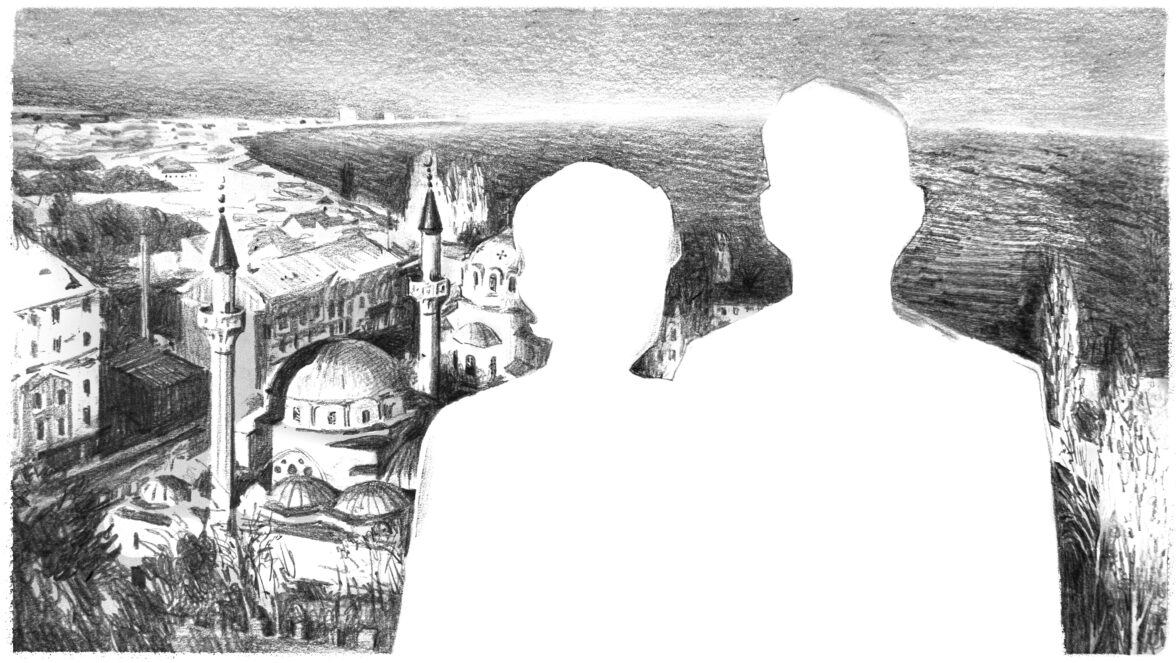
“What does it mean to die in occupied Crimea? When you’re lying in a dusty ward, they decided to repair it in the ninth year of the “restitution.” Or when narcotic painkillers are sold in only one pharmacy in the city—and suddenly they are not available—you only dream of hospitalization because the clinic will give them to you. Or when you are standing in line for an X-ray together with “wounded” “special military operation soldiers” because of whom there are no places in the wards, and you are offered a gurney in the corridor.”
Mariia Pedorenko, a journalist from Crimea, organized for both of her parents a funeral under the occupation two years apart. They died of cancer, but their two experiences of death were radically different—from a distant participation in a funeral to a bribe in a Crimean morgue.
Now, she faced the need to “bury” her parents again, this time putting her thoughts down on paper because Ukrainian law requires verification of death certificates issued in the temporarily occupied territories. This is a difficult task from a moral and bureaucratic point of view. Mariia told Suspilne News about her experience in a story.
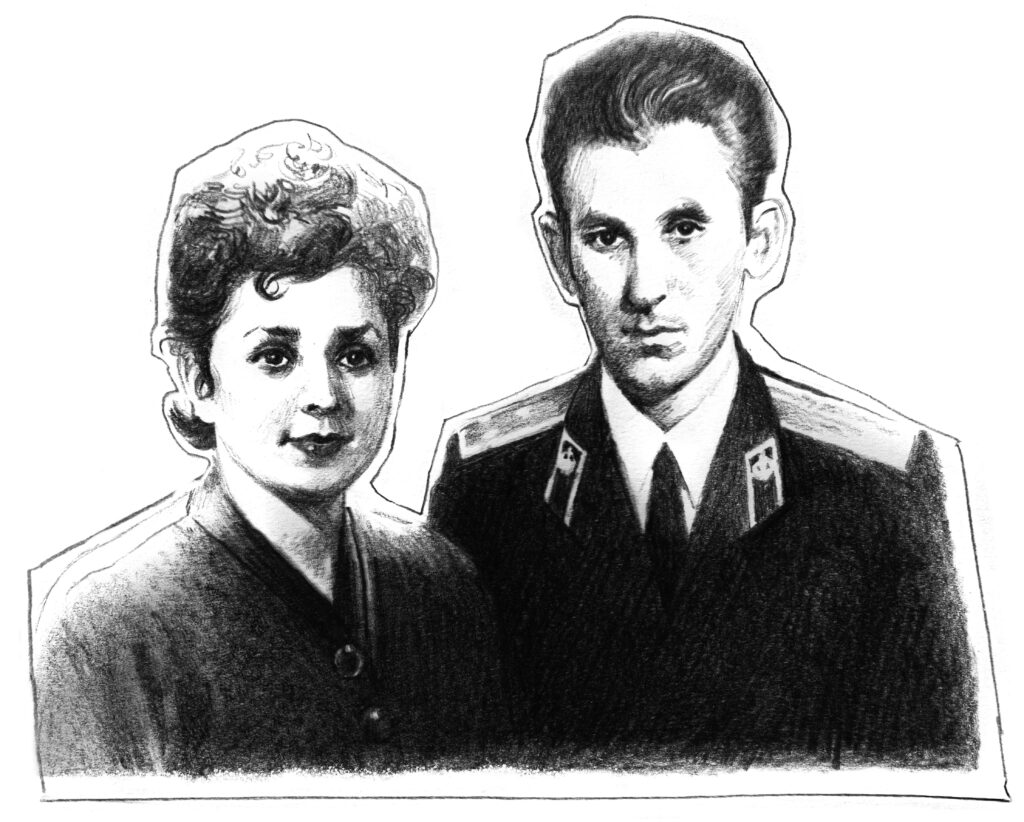
In the story, Mariia explained that her biological parents passed away when she was a child. Her biological mother died of cancer when she was barely three years old. She did not know her father at all. Since childhood, she was told that he was a Serbian and died in the early 1990s during the war in what was then Yugoslavia.
“I was not abandoned—I stayed with my aunt and uncle’s family, who took me from Kherson to Crimea while my mother was fighting for her life. De jure, I was an orphan with a guardian uncle, but de facto, I had a full-fledged family and people I called ‘mom’ and ‘dad’ all my life,” says Mariia.
Her foster father died in 2020 under occupation. The official cause of his death was a pandemic. The occupiers denied the scale of the epidemic at the time. Although the deceased ones were buried in airtight bags in mainland Ukraine, her father, a retired Soviet army officer, was paid the last tribute, and volleys were fired over the grave. Mariia was able to visit his grave six months after his burial. She knew she could enter the occupied peninsula with registration at the Crimean address but could not leave because she did not have a Kyiv one.
The foster mother passed away six months after the start of the full-scale invasion. Like her biological mother, Mariia’s aunt died of cancer. Mariia arrived in occupied Crimea a month and a half before February 24, 2022, when it became clear that her mother was dying. She left in October, a week after the explosion on the bridge across the Kerch Strait. Mariia managed to organize a funeral for her mother in Crimea on her own. All things left were death certificates that needed to be verified in Ukraine.
“We do not recognize any decisions of the occupation administrations,” Tasheva emphasized,” nor any documents issued there. But of course, life in Crimea went on, and various documents followed it—all of them need to be verified.”
Mariia notes that those certificates can be verified at the registry office at the place of residence.
“But even the state authorities note that the documents issued under occupation have no legal force, and the registry office (civil status registration office—Ed.) will not accept them,” the media worker adds.
According to her, there is a way out of this situation—to go to court to have the fact of death established at the official level. At the same time, a court fee must be paid, photo and video evidence of graves must be collected, and testimonies of people who can confirm the time and place of death must be obtained.
“I still haven’t gone to the registry office. The official reason is that there is no time. The unofficial reason is that I don’t have the mental strength. I don’t want to prove to anyone that my parents really died. I don’t want to collect eyewitness evidence or ask my friends in Crimea to take pictures of the grave. I do not want to establish their death through the court, which the Civil Procedural Code of Ukraine regulates. I do not want to bury them a second time, even if it is on paper, at least for now,” Mariia Pedorenko said.