28 August 2025
Despite russia turning Crimea into a closed zone, Ukraine must find ways to speak about life under occupation
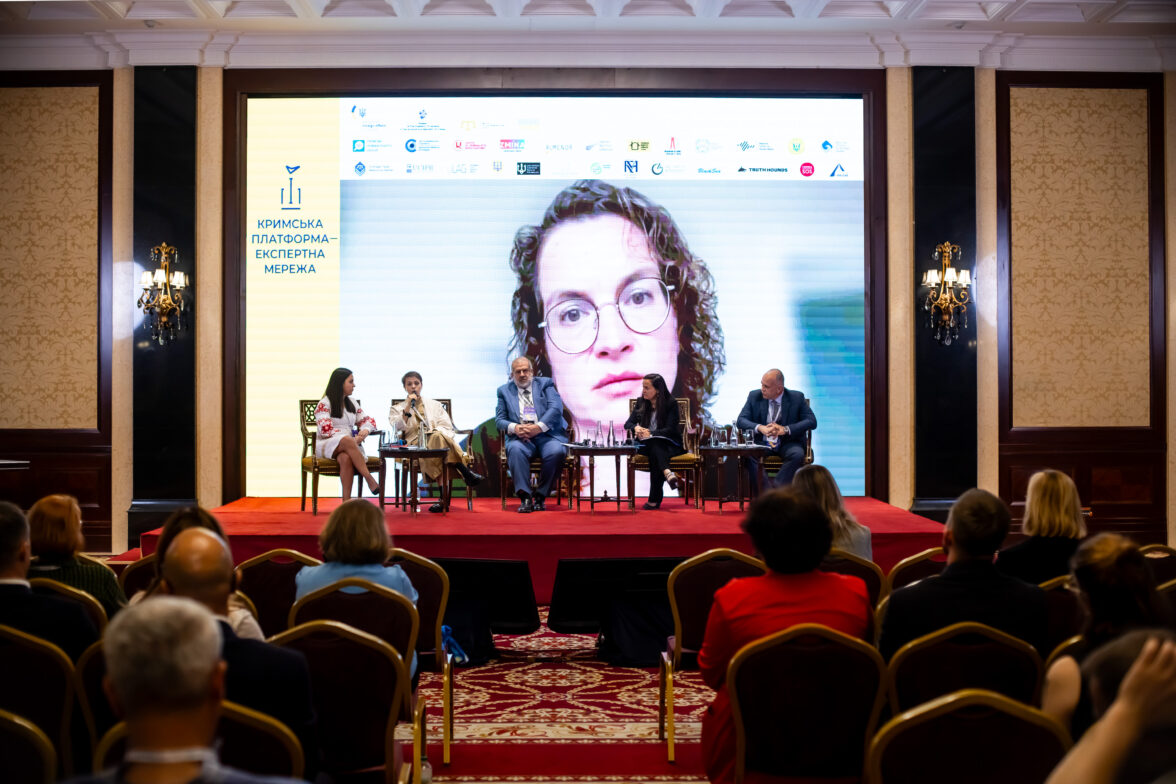
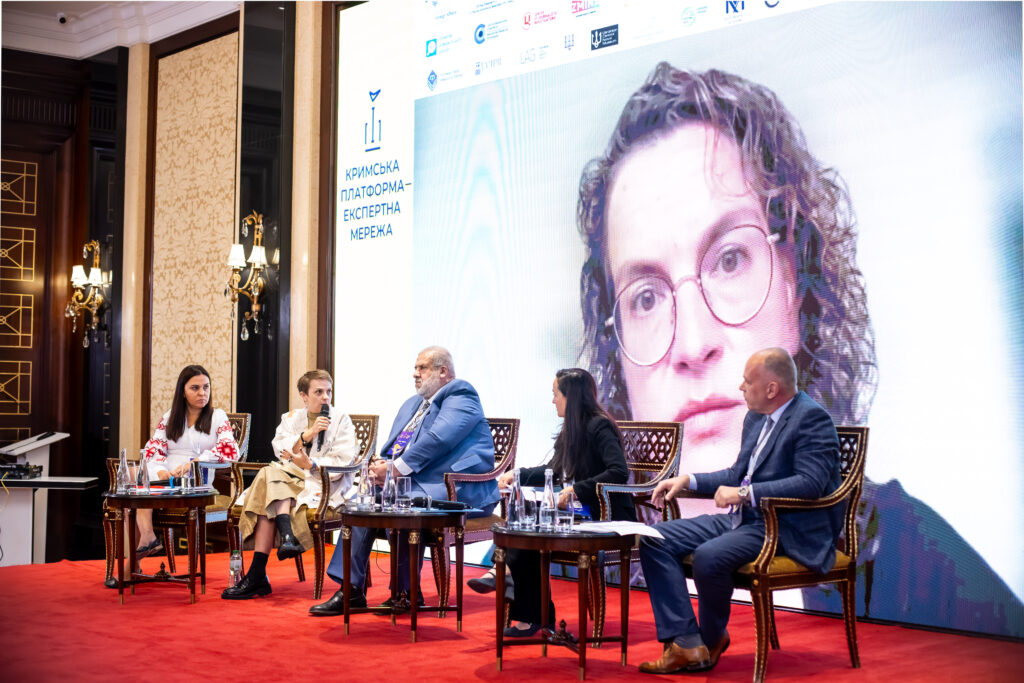
During the fourth and final panel of the Fourth International Forum of the International Crimea Platform Expert Network, experts discussed how states, intergovernmental organizations, human rights defenders, the diplomatic corps, academic circles, and analytical centers can cooperate to keep international partners focused on the topic of occupation and russia’s large-scale crimes in Crimea.
Refat Chubarov, the chairman of the Mejlis of the Crimean Tatar People, emphasized that hundreds of thousands of people in occupied Crimea await liberation and remain loyal to the Ukrainian state. However, they also need assurances that international law will be enforced and that they will not be forgotten.
“For twelve consecutive years, these people have lived with the hope that Ukraine will return. We must be very attentive to these people. Thanks to Ukrainian diplomacy and our partners, almost all decisions made at the highest level are quite precise and fair. However, these decisions are not being implemented, and there are no mechanisms to force the aggressor country to comply with the decisions of international institutions. This is deeply disheartening for people under occupation,” stated Chubarov.
Serhii Shablii, Head of the Council of Europe, Human Rights and Gender Coordination Division of the Department of International Organisations, emphasized that over the years, Ukraine has established platforms for documenting and recording crimes committed by Russia in temporarily occupied territories. These records will carry significant weight internationally.
“These figures, derived from internationally recognized monitoring mechanisms, are crucial for holding the aggressor country accountable on the global stage,” he emphasized.
Chiara Dezzi Bardeschi, the head of the UNESCO office in Ukraine, noted that, despite lacking access to the territory, UNESCO has been monitoring the situation in occupied Crimea since 2014, relying on information collected through partners.
“The occupation profoundly impacts the functioning of scientific institutions and the ability of scientists to participate in regional and global events. The occupation also severely restricts freedom of expression, the rights of access to information in Crimea, and the safety of journalists. We know that 18 journalists are still being detained. This is in addition to the numerous cases of accusations that are being recorded. In all, there are over 900 such cases,” she emphasized.
Dezzi Bardeschi stressed that UNESCO has verified over 500 sites of cultural and artistic heritage in the occupied territory that russia has interfered with.
Nataliya Gumenyuk, a Ukrainian journalist and the executive director of the Public Interest Journalism Lab, as well as the co-founder of the initiative “The Reckoning Project: Ukraine Testifies”, added that Ukrainian media should pay more attention to life in occupied territories.