30 October 2025
Russia Tightens Censorship in Temporarily Occupied Crimea: Residents Forced to Switch to the Controlled Messenger “МАХ”
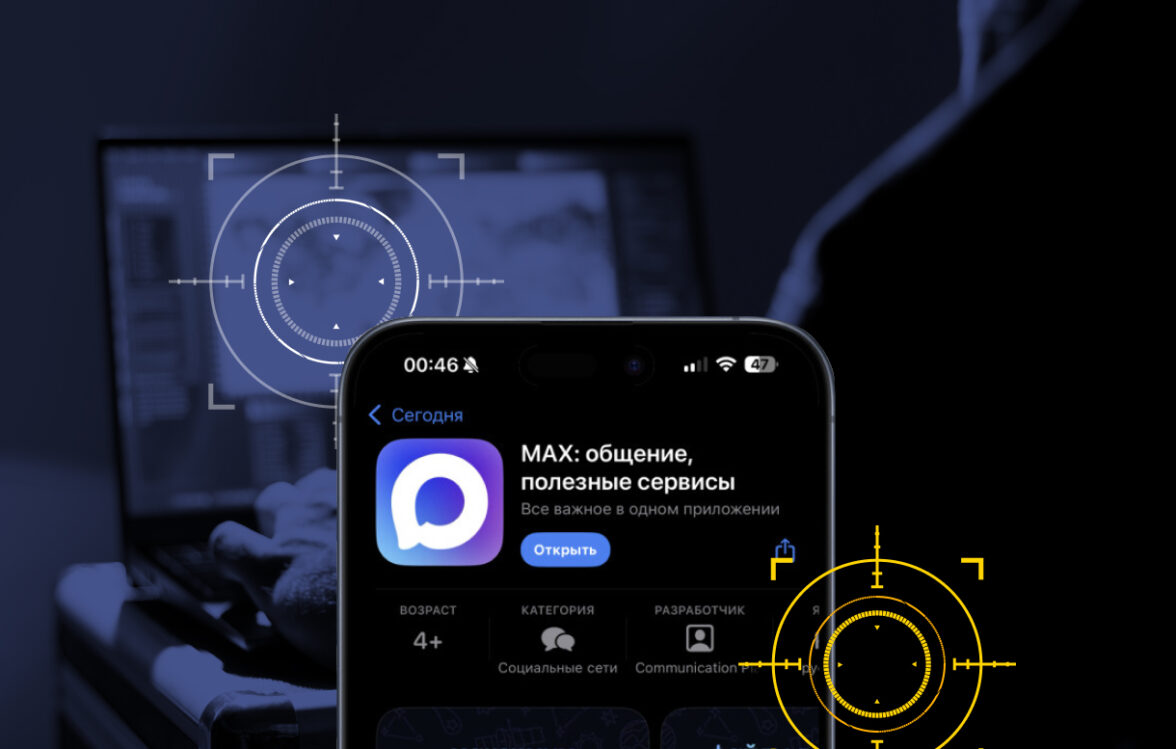
Another wave of restrictions on freedom of speech and access to independent information has been recorded in the temporarily occupied Crimea. Russian occupation authorities announced the “partial restriction” of popular messaging apps Telegram and WhatsApp — one of the few remaining communication channels available to residents of the peninsula.
The blocking, initiated by Roskomnadzor, extends to all Russian telecommunications providers, including those operating in occupied Crimea. At the same time, the so-called “Ministry of Information of the Republic of Crimea” urged citizens to install the Russian messenger “МАХ,” allegedly offering “stable communication” and “ease of use.” These calls are being actively promoted across all occupation-controlled media outlets, which have also been required to create official channels on МАХ.
Government resources and occupation administrative structures have already established their channels on the platform. In this way, the occupation administration is deliberately seeking to redirect information traffic from independent platforms to a controlled environment where information can be fully monitored.
This represents a coordinated campaign to strengthen digital surveillance over residents of the temporarily occupied peninsula. Under the pretext of “convenience” and “national security,” Russia is creating conditions in which people in Crimea lose the ability to communicate safely, access reliable news, or express their own opinions.
Occupation media are actively spreading propaganda messages encouraging users to switch to МАХ. This information campaign is part of Russia’s systemic policy of suppressing freedom of speech through fear of punishment, censorship, persecution, and monopolization of the information space. All of these efforts are aimed at eradicating any signs of civic resistance and establishing total control over public opinion in the temporarily occupied territory.
The creation of “domestic” controlled platforms is another element of Russia’s total propaganda apparatus, designed to maintain dominance over public consciousness.
These actions reflect the occupiers’ fear of civilian resistance — even in private conversations. Russia is attempting to exercise total control over every word and communication channel, as any expression of independent thought or discussion of the real situation of war and occupation is perceived as a direct threat. By forcing Crimean residents to switch to state-controlled messengers, the regime effectively reveals its fear of personal dialogue — the very space where resistance, solidarity, and the desire for freedom are born.
The reaction of Crimea’s residents to these restrictions is telling. In Telegram channels accessible via VPNs, Crimeans have been openly expressing their disagreement with the imposition of МАХ. Locals ridicule the situation and criticize the coercive measures. Despite the risk of persecution, people are finding technical ways to bypass the blocks and refuse to install the controlled app — demonstrating the same civic resistance that the occupiers fear most.
The restoration of a free information space and the guarantee of freedom of speech on the peninsula will only be possible after its de-occupation.