29 January 2025
ATESH Movement Tracks Russian Fuel Supply Routes in Occupied Crimea
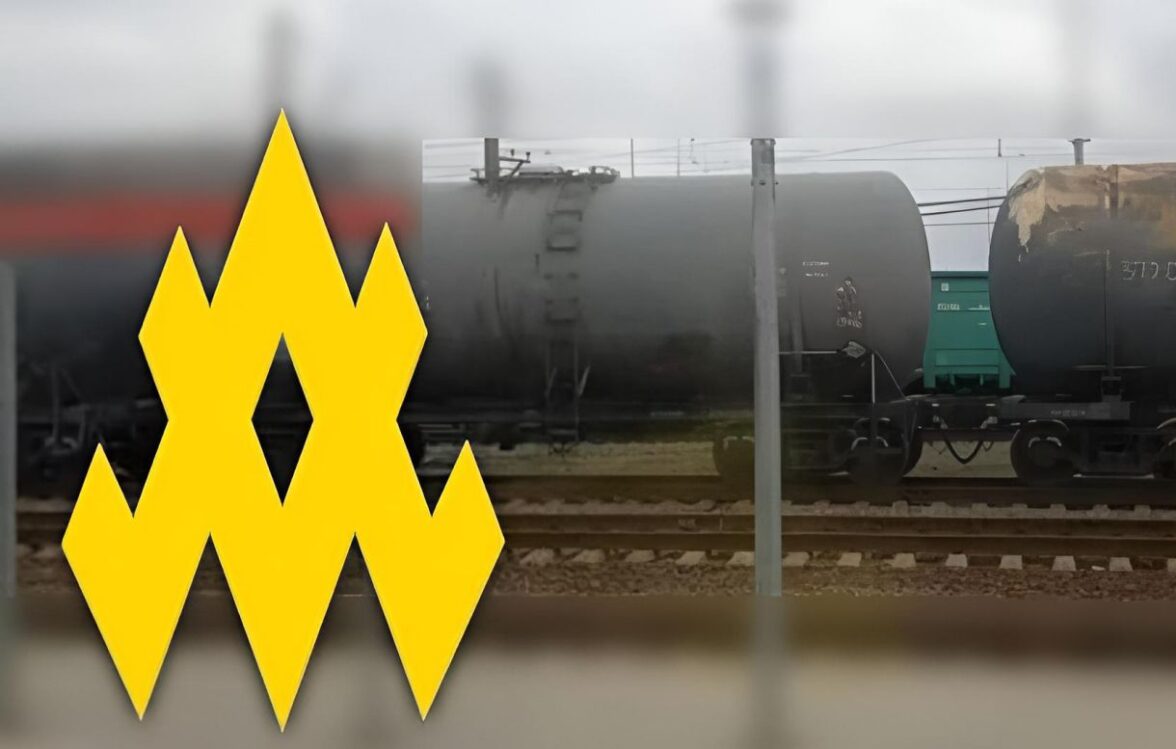
Agents of the partisan movement ATESH continue to actively track the logistical routes of Russian occupiers in Crimea. Special attention is given to the movement of fuel and automotive lubricants, which are critically important for maintaining enemy forces’ combat effectiveness. The command of the occupying troops is attempting to establish an effective supply chain through the peninsula while simultaneously minimizing risks—large fuel depots are no longer being created, as they have become prime targets for high-precision strikes by Ukrainian drones.
A significant shift in logistics has been observed, particularly in the geography of fuel supplies. Due to a series of successful attacks on Russian oil refineries in border and rear regions, the enemy has been forced to revise its strategy. Railway convoys carrying fuel are currently arriving in Crimea from more remote areas of Russia, which considerably complicates transportation, increases delivery time, and raises financial costs.
This situation has also affected the civilian sector: logistical disruptions have continuously increased fuel prices at gas stations across Crimea, and certain regions are experiencing periodic fuel shortages.
The ATESH partisan movement continues to gather intelligence on the occupiers’ logistics routes and regularly transmits this data to the Defense Forces of Ukraine. This intelligence enables the Ukrainian military command to plan strikes on critical enemy supply infrastructure, thereby complicating the occupiers’ ability to conduct military operations.