19 June 2026
Seven Years in Prison: Tofik Abdulgaziev Reaches His 45th Birthday Behind Bars
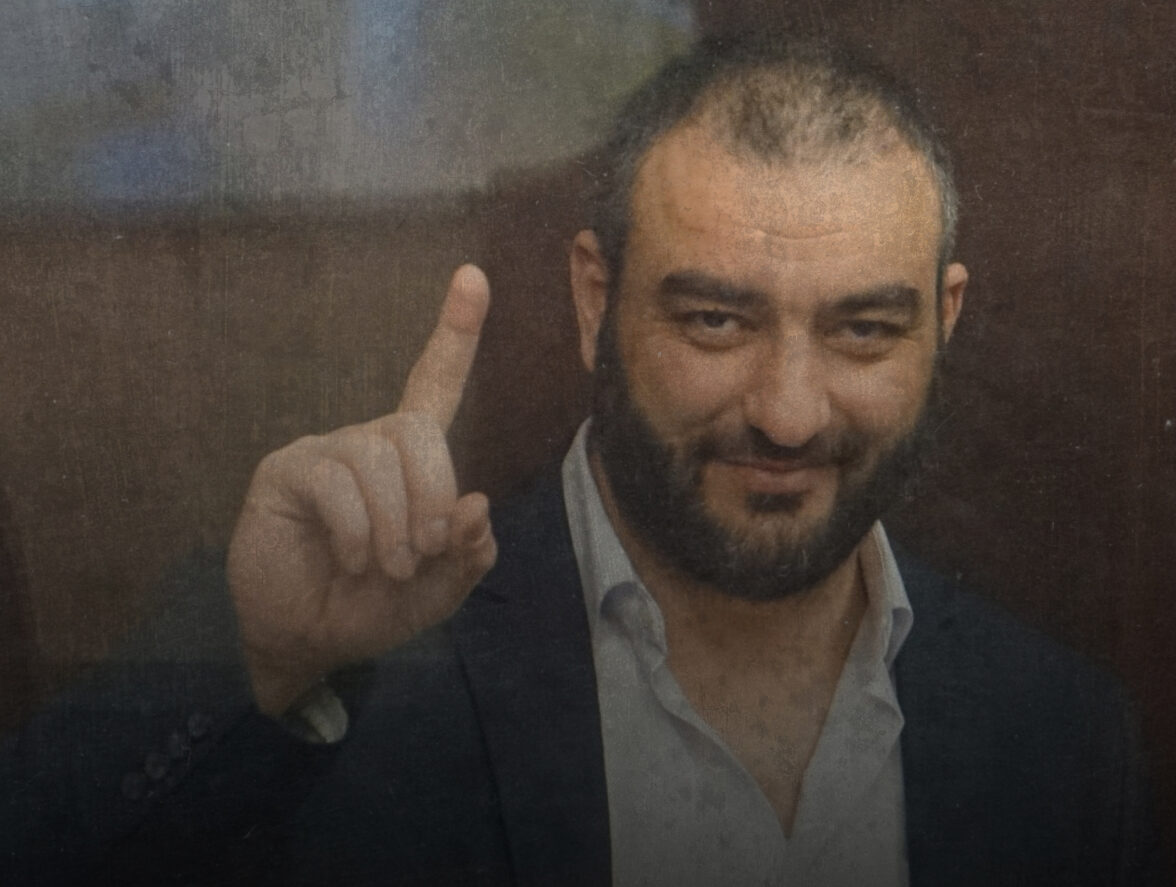
Today, political prisoner Tofik Abdulgaziev turns 45 – it is his seventh birthday behind bars.
Russian security forces first raided his home on May 4, 2017. He was subsequently detained following a second search in 2019. Abdulgaziev was accused of participating in the organization Hizb ut-Tahrir, which Russia designated as “terrorist” and banned in 2003, and after the occupation of Ukrainian territories, illegally extended the application of its legislation to those territories.
In May 2022, a Russian court in Rostov-on-Don sentenced him to 12 years of imprisonment in a maximum-security penal colony, the first five years of which he served in prison. The defense’s appeal was rejected, and the sentence was upheld.
Over the years of his imprisonment, due to inadequate conditions of detention, Tofik Abdulgaziev was diagnosed with a number of illnesses: bilateral pneumonia, left-sided hydrothorax (fluid accumulation in the lungs), moderate anemia, and more. In 2025, his wife reported that he had been diagnosed with a malignant brain tumor and was experiencing gradual vision loss.
In March 2026, the Russians forced Tofik Abdulgaziev to sign a document, the contents of which he only learned about later in court. The document stated that, according to the conclusion of doctors at the prison hospital, Abdulgaziev was allegedly “completely healthy and had no objections or complaints regarding his transfer back from the hospital to the penal colony”. Despite the occupiers’ claims, Abdulgaziev himself complains of constant, unbearable headaches, loss of consciousness, and other symptoms. The Russians’ pressure on him has not ceased – in April, a new criminal case was opened against him, this time for alleged “contempt of court”.
The story of Tofik Abdulgaziev shows that persecution in the temporarily occupied territories continues unabated, and that Russia’s repressive system continues to use fabricated cases, pressure, and disregard for people’s health as tools of intimidation and suppression of dissenting views.