23 November 2024
Sixth Panel Discussion: “Soviet Heritage in Non-Western Countries: Should Ukraine Claim Its Ownership?” within the Framework of the Second International Crimea Global Conference
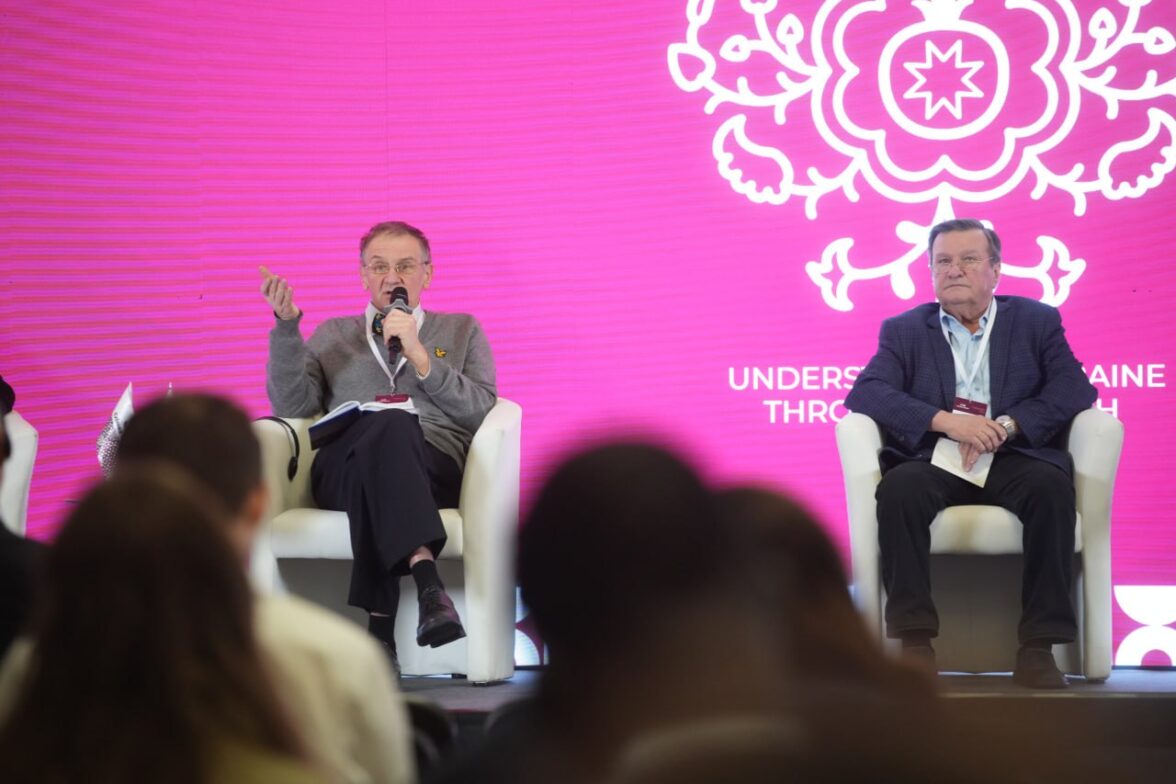
As part of the Second International Conference Crimea Global. Understanding Ukraine through the South, the sixth panel discussion, titled “Soviet Heritage in Non-Western Countries: Should Ukraine Claim Its Ownership?,” was held.
Panelists: Oleh Bielokolos, Director of the Center for National Resilience Studies, political expert, diplomat, and Chargé d’Affaires of Ukraine in Kenya (2008–2010); Oleksii Haran, Professor of Political Science at the National University of Kyiv-Mohyla Academy and Research Director of the Democratic Initiatives Foundation; Mridula Ghosh, Associate Professor at the National University of Kyiv-Mohyla Academy and Chairperson of the Board of the Eastern European Development Institute; Yevhen Mykytenko, Advisor to the Minister of Foreign Affairs of Ukraine and former Ambassador of Ukraine to Saudi Arabia, Jordan, Syria, the UAE, Sudan, Qatar, and Egypt; and Dzvinka Kachur, Vice President of the World Congress of Ukrainians in Africa and co-founder of the Ukrainian Association of South Africa.
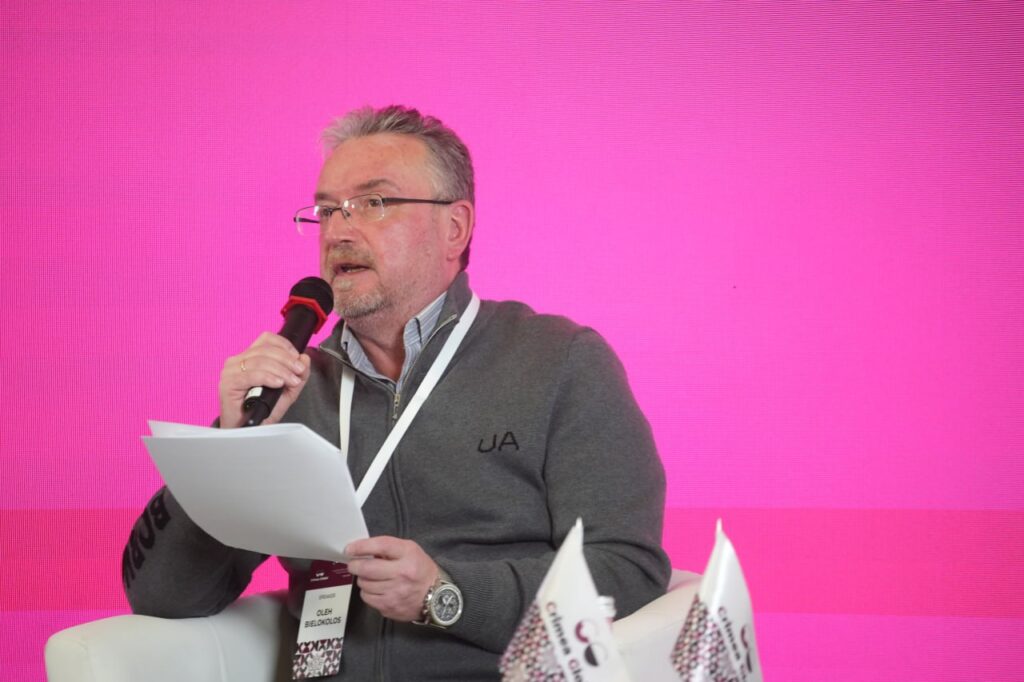
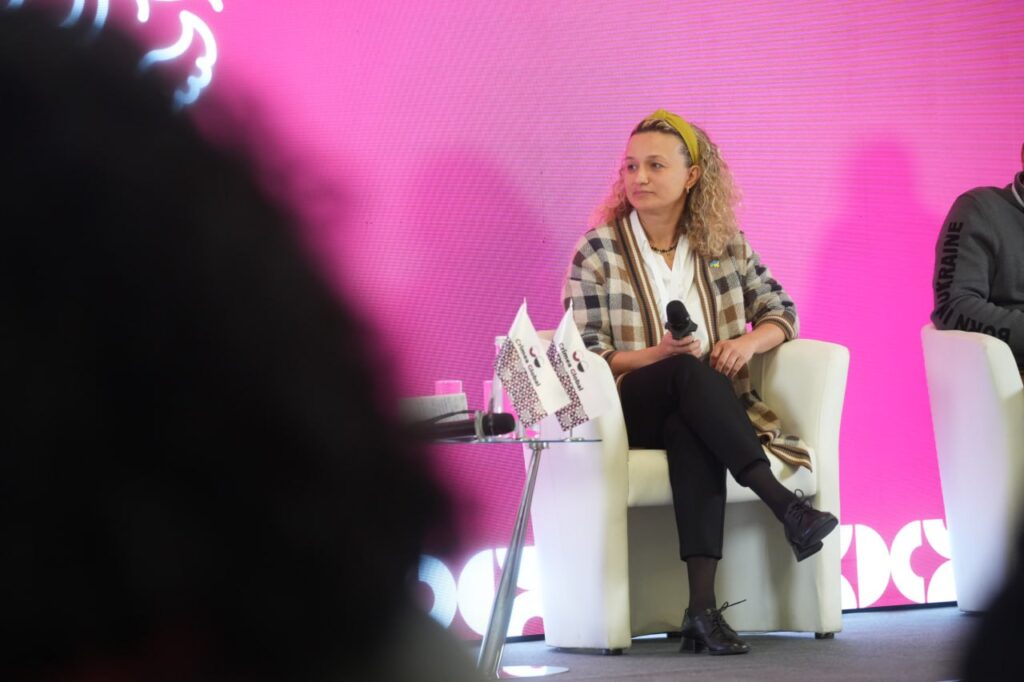
The discussion was moderated by Maria Tomak, Head of the Crimea Platform Department.
Yevhen Mykytenko shared the results of Ukraine’s effective cooperation with African countries, highlighting Ukraine’s supply of goods and implementation of high-tech projects. He elaborated on how Ukraine’s “Pivdenmash” contributed to launching a satellite for Egypt and participated in constructing the Aswan Dam. He also noted that Egypt was Ukraine’s first African trade partner, achieving a mutual trade turnover of $2.2 billion, predominantly driven by Ukrainian exports.
Oleh Bielokolos emphasized Ukraine’s historical role in economic cooperation with African and Middle Eastern countries. He pointed out that agricultural machinery, fertilizers, and equipment were shipped to Africa through Ukrainian ports, fostering the region’s economic development. Bielokolos stressed that these partnerships not only built long-term relationships but also opened new opportunities for cooperation, serving as a significant benchmark for modern Ukraine.
“These historical relationships underscore Ukraine’s long-standing role in supporting the development of African countries. While it’s easy to focus on the contributions of the entire USSR, Ukraine’s unique industrial and logistical capabilities played a critical role in establishing these partnerships. Therefore, when discussing Ukraine’s position today, it is vital to remember this legacy of cooperation and mutual benefit,” said Oleh Bielokolos.
Mridula Ghosh focused on the relations between India and Ukraine. She recalled numerous trade negotiations between the two countries in the 1990s, particularly in the military sector. She also highlighted the involvement of Ukrainian specialists in establishing key technological facilities in India during the Soviet era. In conclusion, she emphasized two factors well-understood in India that should guide Ukraine’s efforts in the region: the shared experience of famine and the issue of language and identity.
Dzvinka Kachur noted the challenges Ukraine faces in replacing the legacy of the 15 Soviet republics in the minds of Africans, especially as Russia exploits the USSR’s heritage for propaganda and influence. She stressed the importance of explaining Ukraine’s unique identity, using historical facts such as Ukraine’s support for the fight against apartheid and its cooperation with leaders of the African National Congress. Kachur also highlighted initiatives like creating a Ukrainian section in Freedom Park in Pretoria, which helps dissociate Ukraine from the Russian narrative and solidify its historical role in the struggle for freedom and human rights.
“We must condemn the oppressive system of the Soviet Union, but we cannot remain silent when Russia uses this distorted narrative to attack Ukraine,” Dzvinka Kachur emphasized.
Oleksii Haran concluded the discussion by stressing the importance of understanding the colonial policies of the Soviet Union towards Ukraine to explain that modern Ukraine is not responsible for the USSR’s crimes, including the war in Afghanistan and the support of communist regimes in Africa. He noted that these issues should be communicated delicately, given the positive image of the USSR in many countries, while highlighting facts that portray Ukraine as a victim of Soviet imperialism.
#CrimeaGlobal #CrimeaIsUkraine