25 March 2025
WEEKLY UPDATE ON THE SITUATION IN OCCUPIED CRIMEA ON MARCH 25, 2025
Main news of the week
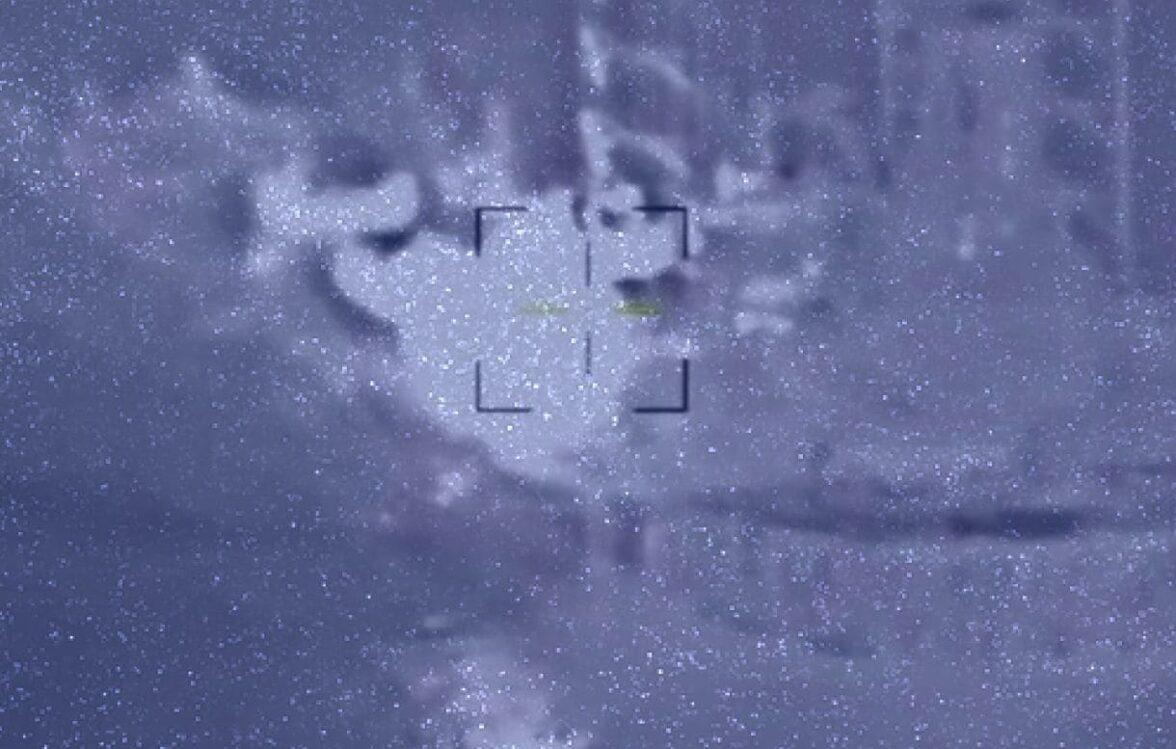
▶ On 19 March, the Main Intelligence Directorate of Ukraine’s Ministry of Defence reported strikes on a number of Russian radar systems in temporarily occupied Crimea. The affected systems included: two 48Ya6-K1 Podlyot radars, two 1L125 Niobiy-SV, three 39N6 Kasta-2E2, 9S19 Imbir, Nebo-SV, S-300VM, Nebo-M, 59N6-E Protivnik-GE, and the Mys shipborne radar. Also hit were an S-300SV launcher, command posts of the ST-68 radar and the 39N6 Kasta-2E2, three Pantsir-S1 air defence systems, a Project С4236 transport tug, the multipurpose tug Fyodor Uryupin, and a Mi-8 helicopter belonging to the Russian occupiers.
▶ Ukraine’s Defence Intelligence also reported that Russia continues to unlawfully appropriate Ukrainian cultural heritage. At least 164 archaeological artefacts have been removed from temporarily occupied Crimea. These items were excavated illegally from the ancient cities of Nymphaion and Panticapaeum on the peninsula.
Crimes committed by the Russian Federation
▶ As of March 2025, Russia has illegally imprisoned 220 people in occupied Crimea on ethnic, religious, and political grounds, including 133 Crimean Tatars.
▶ Political prisoner Ruslan Mesutov was transferred to a hospital after four months of unlawful detention under harsh conditions and in punitive isolation cells in a Russian penal colony. For an extended period, the colony administration denied him access to necessary medical care, despite frequent episodes of unconsciousness, untreated hepatitis, and severe spinal pain. Instead of providing medical assistance, the administration fabricated disciplinary violations, which led to a significant deterioration in his health. At the same time, the colony has openly expressed its intention to finalize a fabricated case of allegedly “systematic” violations to transfer Ruslan to a prison facility. Even after sentencing, Russian occupiers continue to exert psychological and physical pressure on political prisoners from Crimea, grossly violating their human rights.
▶ On 20 March, in the village of Morske near Sudak in occupied Crimea, Russian security forces seized the trailer of Crimean Tatar movement veteran Rustem Useinov, which served as his home after the illegal demolition of his house. Useinov’s home was destroyed by order of the occupation administration in November 2021. The man, who fought for the return of his people from the unlawful deportation of 1944, has once again been left without shelter as a result of the illegal actions of the Russian occupiers.
The use of occupied Crimea as a springboard for attacks on Ukraine and the militarization of the peninsula
▶ Agents of the ATESH resistance movement report that Russian shipbuilding enterprises in occupied Sevastopol are in critical condition. The shipyards, which previously served the Russian naval fleet, are now being converted into storage facilities and repair bases for damaged equipment. Following strikes by Ukrainian UAVs, the occupiers have lost major contracts, funding has been reduced, and allocated resources are being embezzled. Instead of building new vessels, the facilities are now focused solely on attempting to restore damaged military equipment.
▶ Monitoring groups report increased movement of Russian military equipment on roads across temporarily occupied Crimea. Specifically, two launchers from the S-300/S-400 air defense system and a 96L6E radar station were observed being transported toward the occupied city of Saky. Additionally, three D-20 howitzers were moved through the Perekop district toward the Kherson region. Military truck convoys have been spotted on various routes across Crimea—some transporting ammunition and personnel, others moving empty. The number of vehicles per convoy ranges from 3 to 10.
▶ According to the Air Force of the Armed Forces of Ukraine, Russian occupiers launched a series of attacks across Ukraine over the past week. These included 703 strike UAVs of the Shahed type and other unidentified drones, as well as three Iskander-M ballistic missiles—some launched from occupied Crimea and the waters of the Black Sea.
Since Russia launched a full-scale invasion and spread its armed aggression throughout Ukraine, occupied Crimea has been used by Russia as a military base for spreading aggression in various forms. From the peninsula, the occupiers continue to launch attacks on the territory of Ukraine, including on civilian infrastructure.
The resistance movement of Ukrainian citizens in occupied Crimea
▶ Russia has already prosecuted 1279 people in occupied Crimea for expressing solidarity with Ukraine, who are being subjected to administrative penalties in the form of illegal fines and arrests.
▶ A resident of Yalta expressed opposition to the Russian occupation of Crimea in a messaging app, posting pro-Ukrainian slogans and voicing support for the Armed Forces of Ukraine. Russian occupation security forces detained the woman, and an unlawful administrative protocol was drawn up against her for allegedly “discrediting the Armed Forces of Russia.” The case materials were handed over to an occupation “court” for review and further action.
▶ A resident of Kurman district expressed support for Ukraine and criticised Russian occupiers on social media. Russian security services detained the man for allegedly “discrediting the Russian Armed Forces, ” and forwarded the case to an occupation “court.”
▶ A resident of Dzhankoi publicly expressed support for Ukraine on social media. Russian occupation forces unlawfully detained him, accusing him of allegedly “discrediting the Russian Armed Forces” and “spreading extremist materials.”
▶ Activists of the Yellow Ribbon movement distributed patriotic stickers and posters in occupied cities of Crimea, including Simferopol, Yalta, and Yevpatoriia. They also reported that in March, occupiers intensified checks at checkpoints near Armiansk, on the administrative border with Crimea. Yellow Ribbon activists noted mass detentions of women traveling from the occupied Kherson region to obtain medicine and essential goods. These women were subjected to thorough inspections and accused of “espionage” or links to the Ukrainian military. Even the presence of apps such as Instagram, Facebook, or Signal on their phones could serve as grounds for detention.
▶ Activists of the Crimean Combat Seagulls movement continue monitoring the activities of Russian occupiers in Crimea.
▶ The Zla Mavka resistance movement continues publishing their diaries, sharing insights into daily life under occupation. In addition, activists distributed flyers in occupied Simferopol reminding residents that Crimea is Ukraine.
The full-scale invasion was marked by a rapid increase in solidarity and resistance actions by residents of occupied Crimea against the Russian occupiers. Residents of occupied territories unite in resistance movements, such as the above-mentioned Yellow Ribbon, Crimean Combat Seagulls, Zla Mavka, and ATESH, or act individually. To suppress the resistance movement of residents in the temporarily occupied territory of Crimea after February 24, 2022, the occupiers actively began to prosecute and bring to administrative responsibility Ukrainian citizens under the article on the so-called “discrediting the Russian army”.
De-occupation of Crimea is integral to ending the war and restoring peace. Ukrainians are doing everything they can to stop the aggressor and protect the entire world from Russia’s criminal actions. This is not a local or regional issue but a threat to the world and international order.