28 January 2025
WEEKLY UPDATE ON THE SITUATION IN OCCUPIED CRIMEA ON JANUARY 28, 2025
Main news of the week
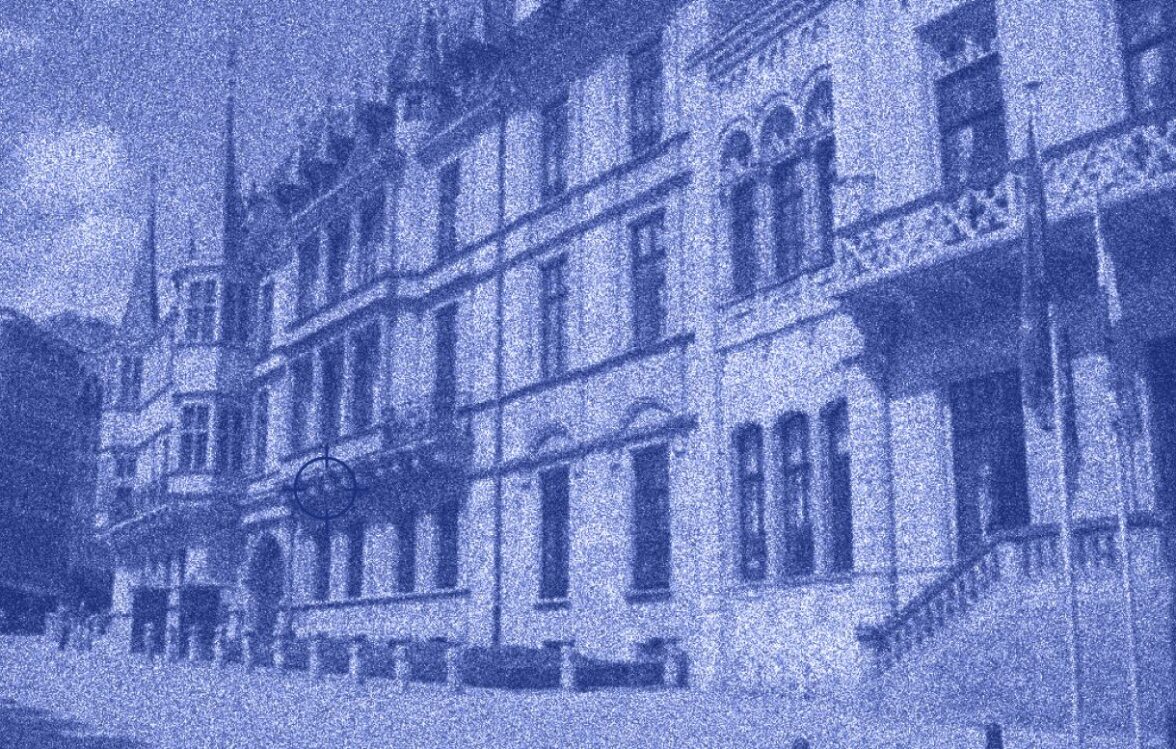
▶ The Chamber of Deputies of Luxembourg adopted a resolution condemning the violation of Crimean Tatars’ rights in Russian-occupied Crimea. The document highlights historical repressions, including the deportation of Crimean Tatars in 1944, as well as modern-day oppression, such as the ban on the Mejlis, restrictions on the use of the Crimean Tatar language and culture, mass arrests, and searches. The resolution recognizes these actions as part of Russia’s systematic efforts to erase the cultural and historical identity of the Crimean Tatars. Luxembourg called for justice and accountability for those responsible for these crimes.
Crimes committed by the Russian Federation
▶ As of January 2025, Russia has illegally imprisoned 218 people in occupied Crimea on ethnic, religious, and political grounds, including 132 Crimean Tatars.
▶ Edem Smailov, a Crimean Tatar unlawfully convicted in the so-called “Second Bakhchysarai Group” case, has been forcibly transferred to a Russian correctional colony in Kostroma, over 2,000 kilometers from Crimea. Upon arrival, the political prisoner was immediately placed in a high-security cell block with harsher conditions, without justification.
▶ Vadym Siruk, unlawfully sentenced by Russian occupiers to 12 years in prison, reported that in the Russian colony in Bashkortostan, all copies of the Quran in Arabic have been confiscated from Muslim prisoners. His Quran, despite previously passing inspection and bearing the required seals, was also taken. This persecution on religious grounds highlights ongoing oppression even after unlawful arrests.
▶ Appaz Kurtamet, the youngest Crimean Tatar political prisoner sentenced by the Russian occupation regime, has made contact with his family for the first time in a long while. Currently held in a colony in the Sebezh district of Pskov region, Russia, over 2,000 kilometers from home, Appaz has taken up a paid job in the colony but earns only 1,000 rubles per month, effectively constituting forced labor. Moreover, he has been prohibited from studying due to the political nature of his unlawful case.
▶ Oleksandr Sizikov, a visually impaired Muslim Crimean political prisoner unlawfully sentenced to 17 years, reported unacceptable conditions during his forced transfer from Crimea to Krasnoyarsk Krai, Russia. At an interim stop, he and other prisoners were forced to sleep in a train car. Later, he was placed in a quarantine cell with even worse conditions than before: cold and damp. This transfer has taken Sizikov over 4,000 kilometers away from occupied Crimea to Novosibirsk.
▶ A 32-year-old resident of the Kerch district in occupied Crimea is facing trial after being unlawfully accused of “treason” by the occupiers for opposing Russia’s aggressive war against Ukraine. Allegedly, he shared information on social media about the location of Russian military forces on the occupied peninsula. Under international humanitarian law, the occupying state is prohibited from imposing its laws on occupied territories or prosecuting civilians.
▶ Seiran Khairedynov, a resident of Bakhchysarai unlawfully sentenced to 12 years in prison, has been forcibly transferred to a Russian prison in Vladimir, nearly 2,000 kilometers from occupied Crimea. During the transfer, his health deteriorated, highlighting the harsh conditions political prisoners from Crimea endure.
▶ Crimean civic journalist and political prisoner Seiran Saliiev, unlawfully convicted, continues to be held in a punishment cell in a Russian colony in Tula region since November last year. His detention is driven purely by political motives, without clear formal grounds. His family and lawyers are working to defend his rights legally and are calling on journalists, public figures, and politicians to provide informational support and public reactions, which could influence his situation.
The use of occupied Crimea as a springboard for attacks on Ukraine and the militarization of the peninsula
▶ Activists of the ATESH movement report that Russian occupiers have converted a civilian facility in occupied Yevpatoriia into their military headquarters. Military equipment and personnel have been stationed near the headquarters. This constitutes another war crime by Russia and a violation of the Geneva Conventions, which prohibit the use of civilian facilities for military purposes. However, Russian occupiers continue to exploit civilians in occupied Crimea as human shields. Additionally, ATESH agents uncovered a concealed depot in the Saky district of occupied Crimea, where Russian forces are repairing their equipment. The coordinates of this site were provided to the relevant Ukrainian authorities. Activists also report that the occupiers are preparing for a possible landing by Ukraine’s Armed Forces and are constructing fortifications on Crimean beaches. Near Yevpatoriia, agents observed the construction of fortifications, bunkers, trenches, and personnel positioning. Access to these sites is strictly controlled. The collected intelligence has been handed over to Ukraine’s Armed Forces.
▶ In Yany Kapu, occupied Crimea, the Russian occupation regime plans to establish new military-sports training grounds in all schools by September 1, 2025. The occupiers continue their practice of militarizing the educational process on the occupied peninsula. Russia’s militarization of education and its imposition of ideology within the educational and broader social spheres in temporarily occupied Crimea are aimed at altering children’s identities and raising them in the spirit of “Russian patriotism.” The militarization of children in occupied territories is a violation of international humanitarian law and the Geneva Conventions.
▶ The Crimean Monitoring Group reports that Russians are constructing fortifications at the Belbek airfield near Sevastopol to protect against potential Ukrainian strikes. Satellite imagery reveals the changes, showing the construction of defensive structures using reinforced concrete, which provides significantly better protection for aircraft against large debris and nearby explosions. Additionally, lightweight frame structures are being built at parking areas to shield aircraft from drone attacks.
▶ According to the Ukrainian Air Force, Russian occupiers conducted a series of attacks across Ukraine over the past week. This included 303 strikes using Shahed UAVs and unidentified drones, launched from occupied Crimea and the Black Sea region. The attacks caused damage to residential buildings, resulting in civilian casualties.
Since Russia launched a full-scale invasion and spread its armed aggression throughout Ukraine, occupied Crimea has been used by Russia as a military base for spreading aggression in various forms. From the peninsula, the occupiers continue to launch attacks on the territory of Ukraine, including on civilian infrastructure.
The resistance movement of Ukrainian citizens in occupied Crimea
▶ Russia has already prosecuted 1139 people in occupied Crimea for expressing solidarity with Ukraine, who are being subjected to administrative penalties in the form of illegal fines and arrests.
▶ A resident of Simferopol district published videos on social media in support of Ukraine and the Armed Forces of Ukraine. The occupiers detained the man, filed a protocol, and referred the case to an occupation “court.”
▶ Activists of the Yellow Ribbon movement carried out new resistance actions in occupied Crimea. On Ukraine’s Unity Day, Ukrainian symbols reappeared in occupied cities such as Simferopol, Sevastopol, Yalta, Kerch, Alushta, Armiansk, and Yevpatoriia. Local residents reminded Russian occupiers that Ukraine is united and indivisible. Activists also reported that approximately 340,000 Russians, or 43% of the city’s population, have been relocated to occupied Sevastopol. Additionally, they revealed plans by the occupiers to develop the Arabat Spit, where a residential city is to be built. However, local residents will not have access to this housing, as the occupation administration announced it would be exclusively for citizens of the Russian Federation.
▶ Activists of the Crimean Combat Seagulls movement marked Ukraine’s Unity Day with a reminder to Russian occupiers that Ukraine is indivisible, and any attempts to change this are doomed to fail.
▶ The Zla Mavka resistance movement continues to maintain its diaries, providing insights into life under occupation. On Ukraine’s Unity Day, the activists also reminded Russian occupiers that Ukraine is united, Crimea is Ukraine, and the presence of occupiers on the peninsula is temporary. They emphasized that there are no safe places for the occupiers in Crimea.
The full-scale invasion was marked by a rapid increase in solidarity and resistance actions by residents of occupied Crimea against the Russian occupiers. Residents of occupied territories unite in resistance movements, such as the above-mentioned Yellow Ribbon, Crimean Combat Seagulls, Zla Mavka, and ATESH, or act individually. To suppress the resistance movement of residents in the temporarily occupied territory of Crimea after February 24, 2022, the occupiers actively began to prosecute and bring to administrative responsibility Ukrainian citizens under the article on the so-called “discrediting the Russian army”.
De-occupation of Crimea is integral to ending the war and restoring peace. Ukrainians are doing everything they can to stop the aggressor and protect the entire world from Russia’s criminal actions. This is not a local or regional issue but a threat to the world and international order.