22 September 2026
The EU and Ukraine’s partner states have condemned Russia’s sham elections in the temporarily occupied territories
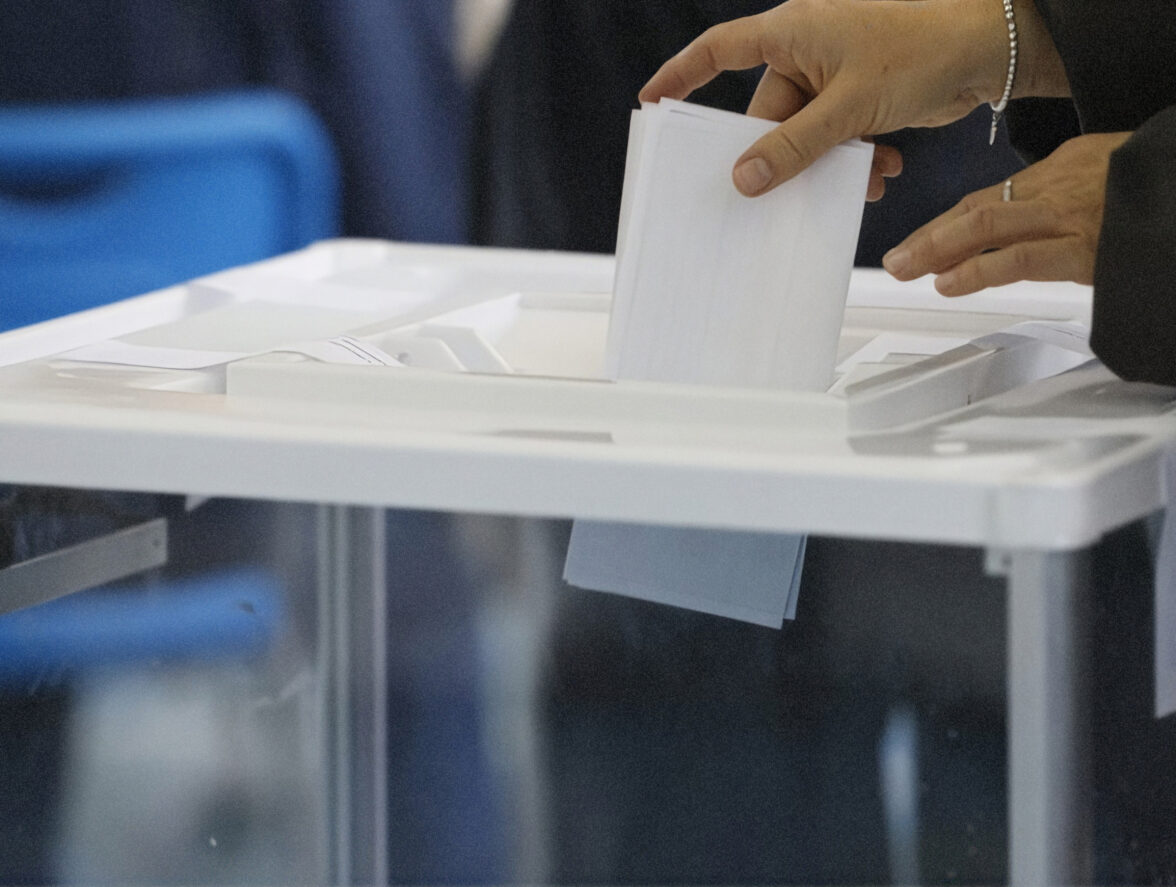
The European Union, as well as Australia, Canada, New Zealand, Norway, and the United Kingdom have condemned Russia’s holding of so-called elections to the State Duma of the Russian Federation in the temporarily occupied territories of Ukraine – in the Autonomous Republic of Crimea and the city of Sevastopol, as well as in the occupied parts of the Donetsk, Luhansk, Zaporizhzhia, and Kherson regions.
In a joint statement, Australia, Canada, New Zealand, Norway, and the United Kingdom emphasized that the holding of Russian elections in the occupied territories constitutes a gross violation of Ukraine’s sovereignty and independence, as well as the UN Charter. The states called on the international community to prevent the normalization of the Russian occupation and reaffirmed that the holding of sham elections does not alter the status of these territories under international law.
The European Union stated that it does not and will never recognize either the holding of these so-called elections in the temporarily occupied territories of Ukraine, or their results. The EU also reaffirmed its unwavering support for Ukraine’s independence, sovereignty, and territorial integrity within its internationally recognized borders.
France issued a separate national statement condemning Russia’s holding of sham elections in the temporarily occupied territories of Ukraine and emphasizing that it does not recognize either their conduct, or their results. France also reaffirmed its support for Ukraine’s sovereignty, independence, unity, and territorial integrity.
International partners emphasized that the Ukrainian territories temporarily occupied by Russia remain an integral part of Ukraine, and that attempts to use sham elections to normalize or legitimize the occupation have no legal consequences for their international status.