07 July 2026
The Permanent Representative took part in the 13th round of Ukraine-EU consultations on legal consequences of temporary occupation of certain territories of Ukraine, including Crimea
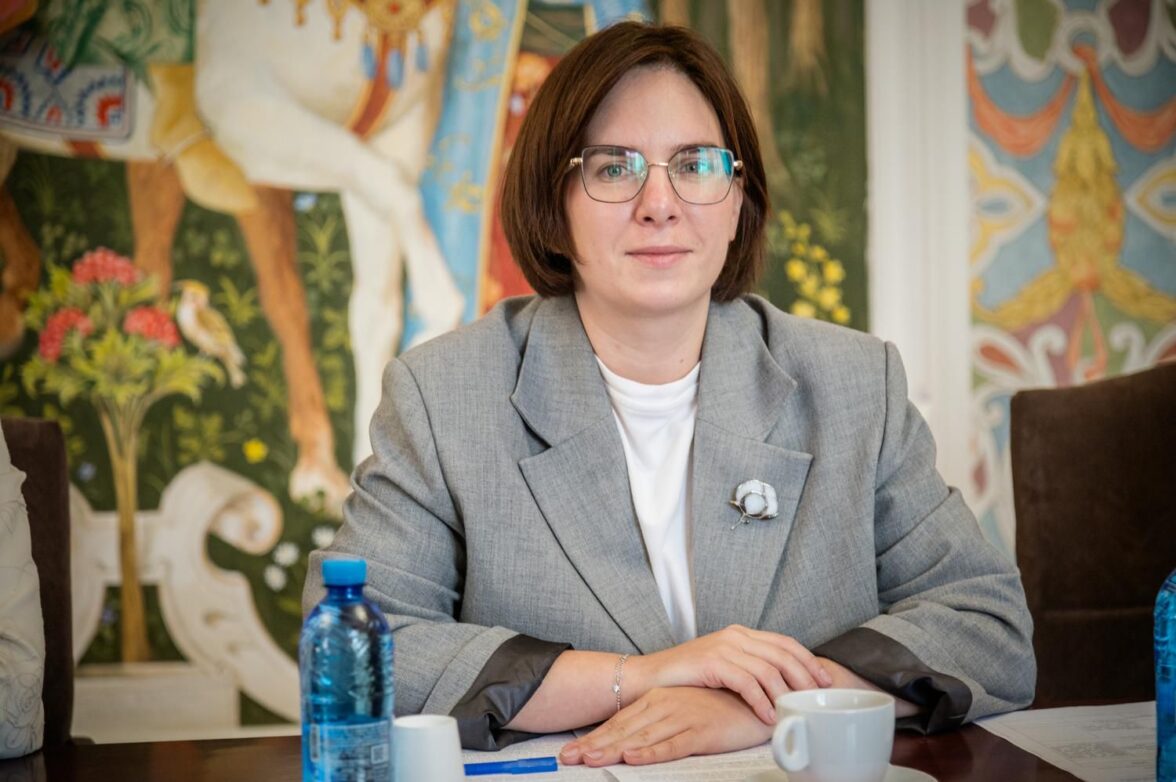
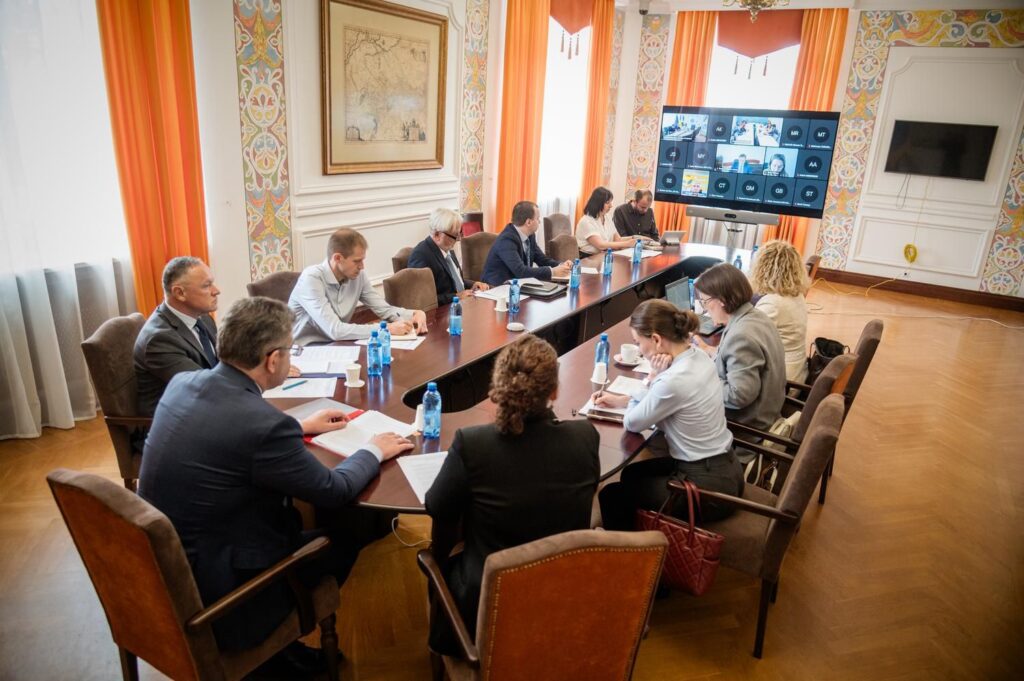
The 13th round of Ukraine-EU consultations on legal consequences of temporary occupation of certain territories of Ukraine, including Autonomous Republic of Crimea and the city of Sevastopol, was held in a hybrid format.
The Ukrainian delegation was led by the Deputy Minister of Foreign Affairs of Ukraine Yevhen Perebyinis, while the European Union delegation was headed by Audrone Perkauskienе, Deputy Managing Director for Eastern Europe and Central Asia of the European External Action Service. The event was attended by the Permanent Representative of the President of Ukraine in the Autonomous Republic of Crimea Olha Kuryshko, and representatives of relevant Ukrainian authorities and EU institutions.
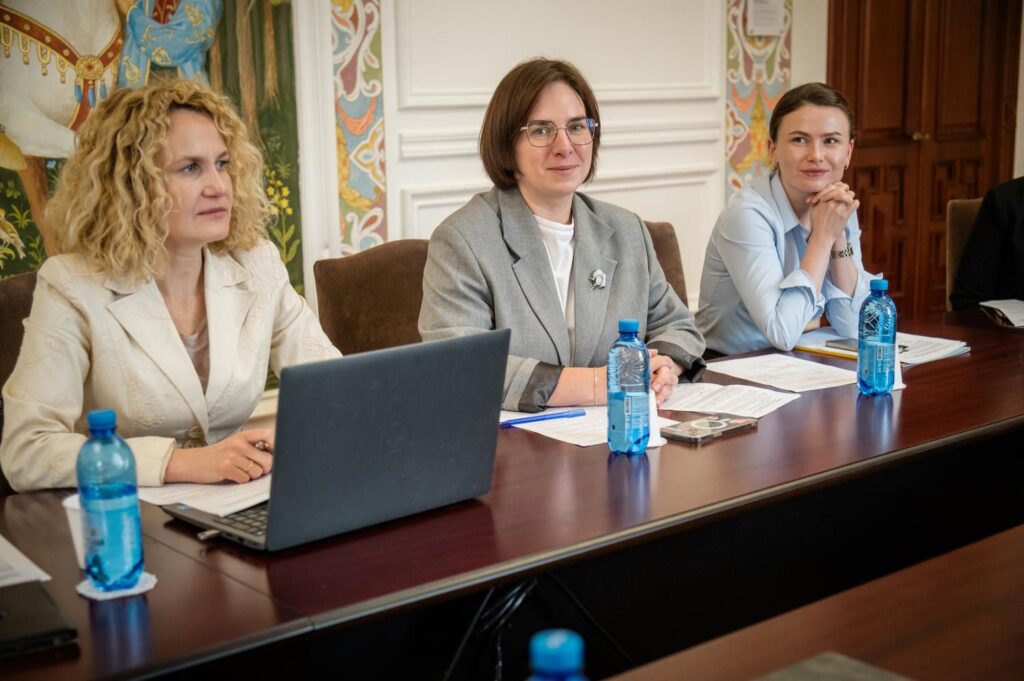
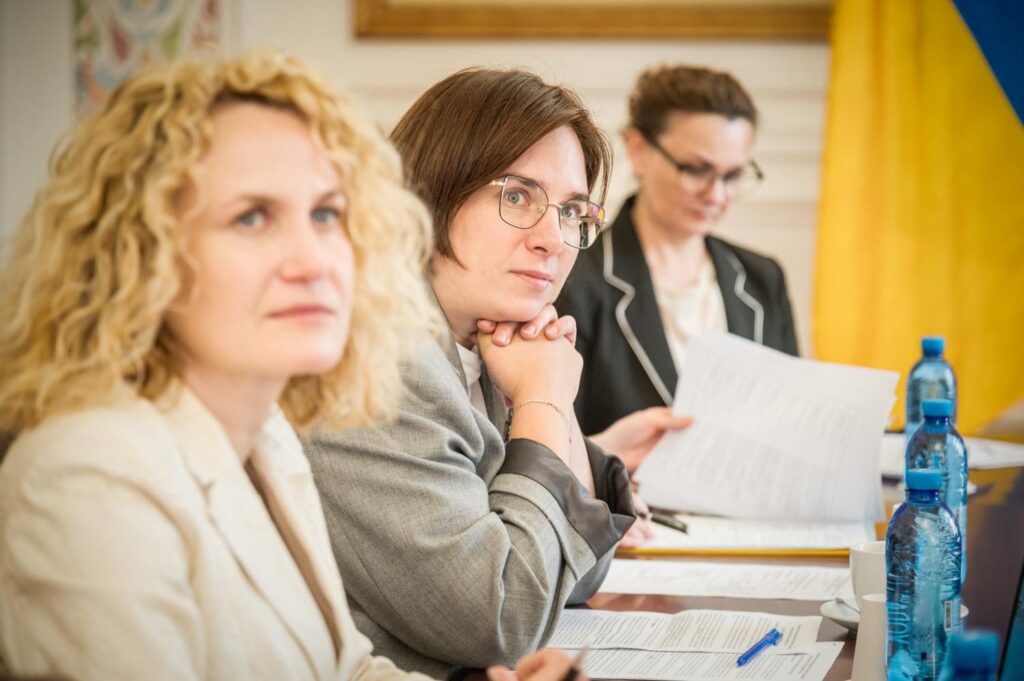
In her address, Olha Kuryshko elaborated on the activities of the National Office of the Crimea Platform, as well as on formats to enhance the prominence of the Crimean agenda through initiatives such as the Advocacy Mentorship Program for Crimean political prisoners, the Global Coalition of Ukrainian Studies, and the international conference Crimea Global. She also outlined the human rights situation in occupied Crimea, emphasizing the increasing number of individuals subjected to judicial persecution, religious persecution, and the suppression of Ukrainian and Crimean Tatar identities.
The Ukrainian side reaffirmed its unwavering position on the non-recognition of any attempts by the Russian Federation to alter the internationally recognized borders of Ukraine or to impose a different status on the temporarily occupied territories.
Particular attention was paid by the participants to Russia’s unlawful actions against Ukrainian children, including their militarization, forced integration into the Russian educational and social environment, the imposition of Russian citizenship, and illegal deportation to the Russian Federation.
The parties agreed to continue systemic cooperation to ensure Russia is held accountable for international crimes and to further developing international legal mechanisms to combat impunity. In this context, were also discussed options for strengthening sanctions and visa restrictions against individuals involved in the aggression against Ukraine.
The EU side provided an update on the preparation for the adoption of the 21st package of European Union sanctions against the Russian Federation, which is set to become one of the most comprehensive since the beginning of the full-scale Russian aggression. Its introduction will serve as further confirmation of the unity among EU member states in supporting Ukraine and continuing the policy of increasing pressure on the aggressor state.