24 September 2026
The Sixth Summit of the International Crimea Platform: Key Messages and Highlights
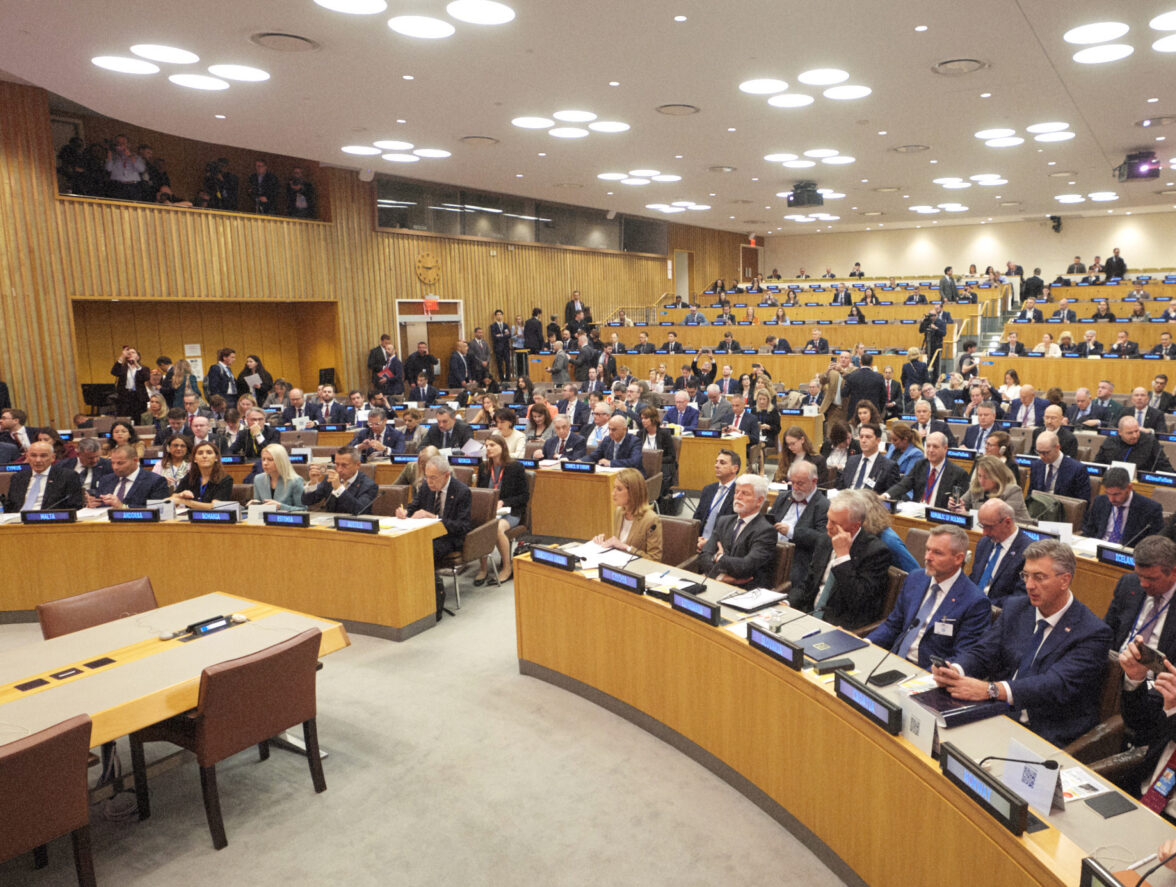
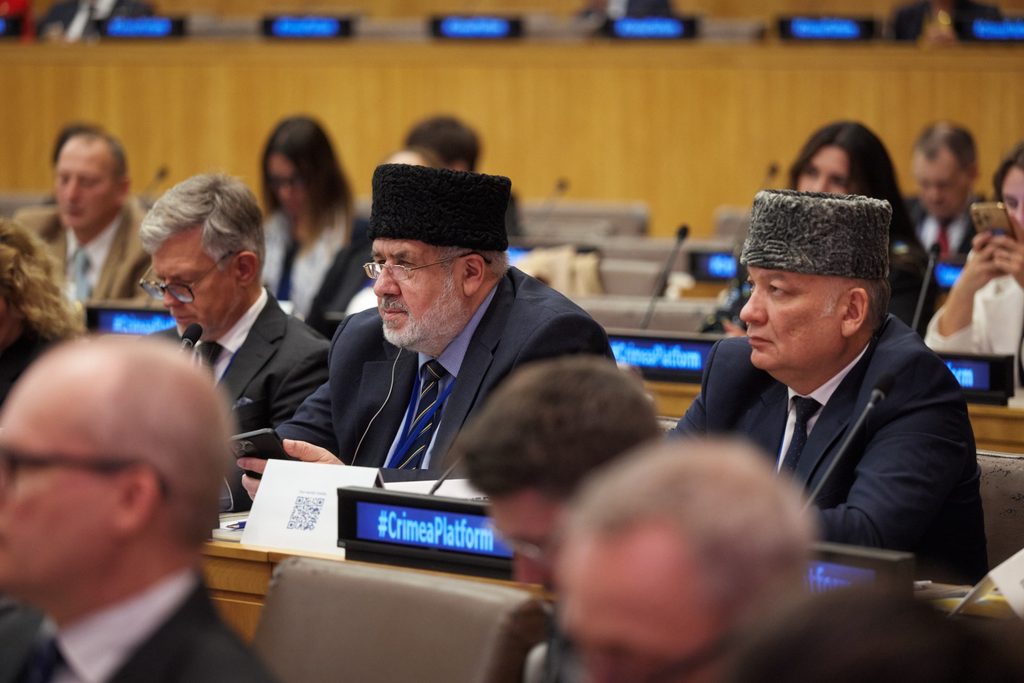
On 23 September 2026, the Sixth Summit of the International Crimea Platform was held in New York. For the second year in a row, the Summit took place on the margins of the United Nations General Assembly – this time during its 81st session. The event brought together representatives of more than 60 states, with Panama and Trinidad and Tobago participating in the Crimea Platform Summit for the first time.
The Summit was attended by the Presidents of Austria, Estonia, Latvia, Lithuania, Romania, Slovakia, Czechia and Montenegro; the Prime Ministers of Andorra, Malta, Norway, Slovenia and Croatia; the First Deputy Prime Minister of North Macedonia; the Deputy Prime Ministers of Georgia, Italy and Moldova; the Hereditary Prince of Liechtenstein; the Grand Chancellor of the Sovereign Order of Malta; the President of the European Parliament; the Secretary General of the Council of Europe; government officials from Bosnia and Herzegovina, Iceland, Canada, Costa Rica, the Netherlands and Sweden; as well as representatives of Poland and Japan.
The key focus of this year’s Summit was on the imperative to prevent the normalisation of Russia’s occupation, the restoration of Ukraine’s territorial integrity, the protection of the principles enshrined in the UN Charter and international law, the human rights situation in temporarily occupied Crimea, politically motivated persecution, the militarisation of the peninsula, the indoctrination of children and youth, the release of political prisoners, the return of deported Ukrainian children, and ensuring accountability for Russia’s international crimes.
President of Ukraine Volodymyr Zelenskyy stressed that the Crimea Platform is not merely an annual meeting, but an ongoing reaffirmation of respect for the fundamental principles of international law. The President noted that Russia’s aggression began with the occupation of Crimea in 2014, and that its consequences now extend far beyond Ukraine, affecting security in the Black Sea, as well as food and energy security.
“There can be no full return to normality without Crimea – without restoring security, protecting people and lives, freeing the prisoners Russia is holding, and returning to the basic principles of international law. Territorial integrity matters. The sovereignty of states matters. Human lives matter,” President of Ukraine Volodymyr Zelenskyy said.
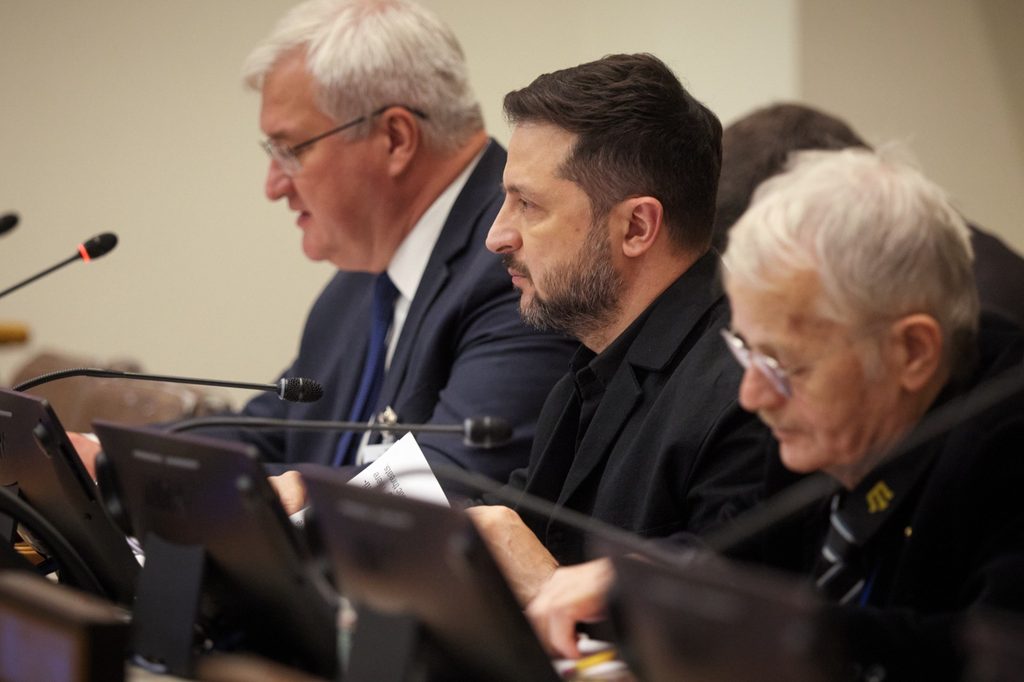
Minister of Foreign Affairs of Ukraine Andrii Sybiha focused on three dimensions of the work of the International Crimea Platform – security, humanity and dignity. He stressed that the liberation of Crimea is a kind of “crash test” for the United Nations, and that restoring Ukraine’s territorial integrity is essential to restoring respect for the UN Charter. The Minister paid particular attention to politically motivated persecution: as of 22 September, 316 people were being subjected to such persecution in occupied Crimea, including 169 Crimean Tatars and one Karaite.
“The phrase ‘Crimea is Ukraine‘ has become more than a political statement. ‘Crimea is Ukraine’ is an universal motto of dignity,” Andrii Sybiha stressed.
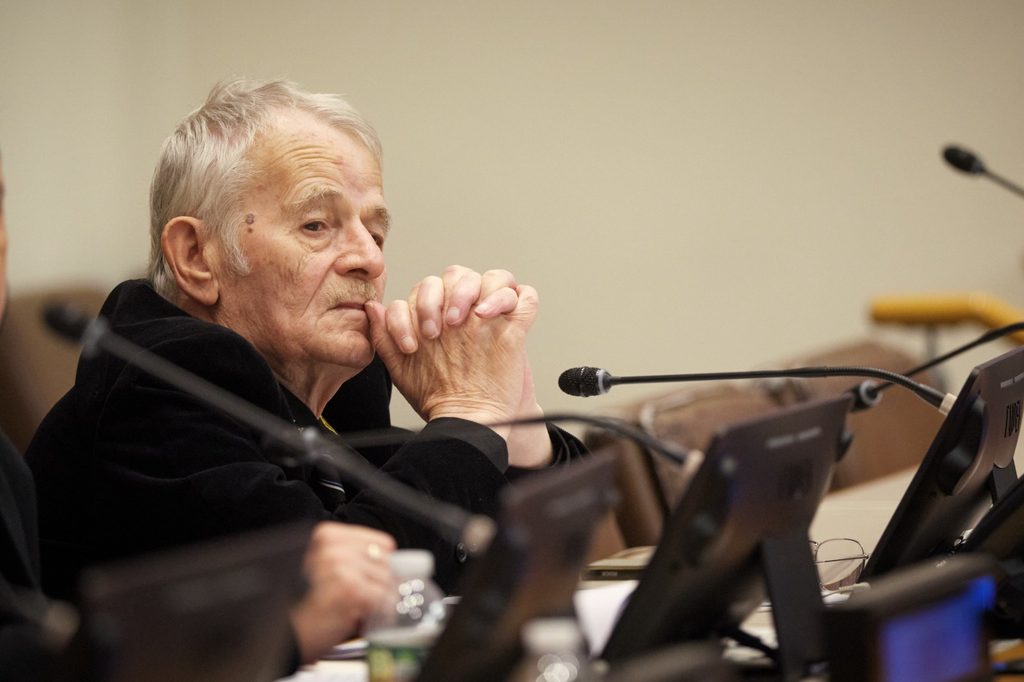
Leader of the Crimean Tatar People, Member of Parliament of Ukraine, Mustafa Dzhemilev drew attention to the consequences of the insufficiently resolute international response to the occupation of Crimea in 2014 and the growing scale of Russian repression on the peninsula. He stressed that representatives of the Crimean Tatar people, Indigenous People of Ukraine, continue to face particularly severe pressure from the occupation administration.
“New Ukrainian territories have been occupied, rivers of blood have been shed, more than a million people have been killed, and cities and villages have been destroyed. The scale of repression by the occupation authorities in Crimea against all those who dissent, and particularly against representatives of the indigenous people, has increased dramatically,” Mustafa Dzhemilev stated.
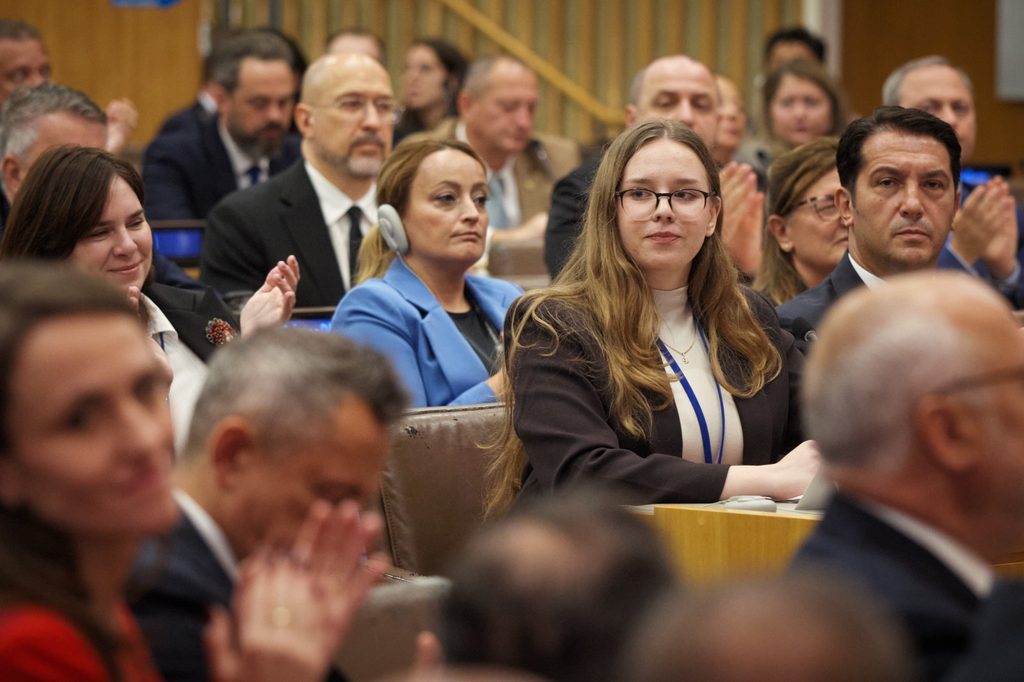
An important voice at this year’s Summit was Daria Fursova, who was born in Simferopol and grew up under Russian occupation. She spoke about a generation of children and young people who are being systematically influenced by Russia through education, propaganda, and the imposition of Russian culture and identity as the only possible reality. Daria highlighted that young people from temporarily occupied Crimea need to know that they have not been forgotten and that their future matters.
“Our goal is to liberate Crimea. Because Crimea is not just a piece of territory on a map. Crimea is people. Crimea is home,” Daria Fursova stressed.
In the statements of international partners, one of the key messages was that the time cannot legitimize occupation, and that the seizure of territory by force cannot create new legal realities. Participants stressed that the issue of Crimea goes far beyond Ukraine, as it concerns the effectiveness of international law, the sovereignty of states, and the principle of the inviolability of borders.
President of the Republic of Austria Alexander Van der Bellen stressed the need for a just and lasting peace based on the UN Charter and international law. He also drew attention to the plight of civilians who have been unlawfully detained or deported, including Ukrainian children. He specifically highlighted violations of the rights of the Crimean Tatar People under occupation.
President of the Czech Republic Petr Pavel emphasised that Crimea is not only a matter of Ukraine’s sovereignty, but also a test of the international community’s ability to uphold the principles underpinning international peace and security. He stressed that the path to the full-scale war began in Crimea in 2014, and that a just and lasting peace cannot be based on accepting territorial gains achieved by force.
President of the Republic of Latvia Edgars Rinkēvičs drew attention to systematic repression, deportations, abductions, the persecution of Crimean Tatars, and Russia’s attempts to eradicate Ukrainian identity. He reaffirmed Latvia’s commitment to supporting a united, sovereign and free Ukraine.
President of the Republic of Lithuania Gitanas Nausėda stressed that Russia’s war against Ukraine began in 2014 with the occupation of Crimea. He called for continuing the policy of non-recognition, keeping Crimea high on the international agenda, strengthening monitoring of human rights violations and political repression, increasing international pressure on Russia, and continuing support for people who remain under occupation.
«This war started with Crimea and must ultimately end with Crimea’s return to Ukraine,» — stated Gitanas Nausėda.
President of Montenegro Jakov Milatović stressed that Ukraine’s struggle extends far beyond Europe, as it concerns the defence of the fundamental principles enshrined in the UN Charter. He also reaffirmed Montenegro’s support for Ukraine in its struggle for sovereignty, freedom, dignity, and a just and lasting peace.
President of the Slovak Republic Peter Pellegrini stressed that his country’s position on Crimea remains unchanged. Slovakia does not recognise Russia’s occupation of the peninsula or the so-called “elections” conducted by Russia in the temporarily occupied territories of Ukraine, as such actions cannot alter their status under international law.
«Сrimea is a part of Ukraine. Ukraine’s sovereignty and territorial integrity within its internationally recognized borders must be fully respected.For Slovakia, this is a matter of principle,» — stated Peter Pellegrini.
President of the Republic of Estonia Alar Karis referred to the historical experience of the Baltic states, which endured decades of Soviet occupation. He stressed that the passage of time does not make aggression lawful and that the international community must not allow the normalisation of Russia’s occupation of Crimea. He also expressed his support for the people of the temporarily occupied peninsula, in particular Crimean Tatar People.
«The question therefore is wider than Crimea or even Ukraine. It is whether in Europe or around the world force can determine borders and whether an aggression can simply wait for the world to grow tired. Our answer must be resounding no», – stated Alar Karis.
Hereditary Prince Alois of the Principality of Liechtenstein stressed that the insufficient response of the international community to the occupation of Crimea in 2014 created conditions that paved the way for Russia’s full-scale invasion in 2022. Liechtenstein reaffirmed that it will not recognise any attempts at illegal annexation and will continue to support international efforts aimed at ending Russia’s aggression.
«In standing up for Crimea, we are also making an essential and far-reaching statement to support international law», – stated Hereditary Prince Alois.
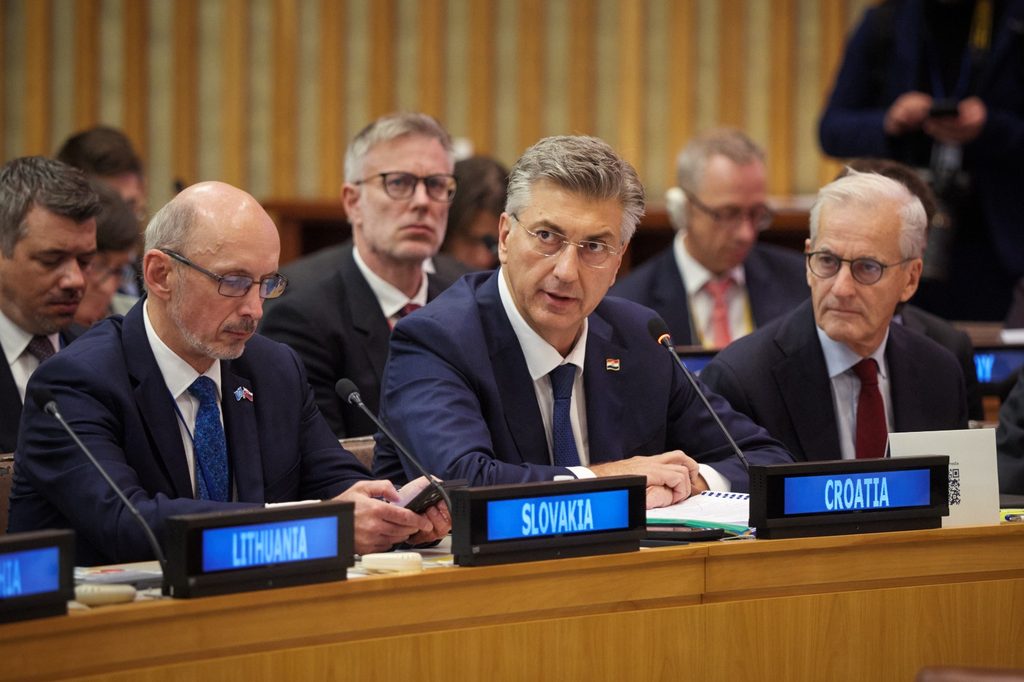
Prime Minister of the Republic of Croatia Andrej Plenković stressed that 12 years of Russian occupation of Crimea have been marked by arbitrary detentions, enforced disappearances, torture, and the systematic suppression of dissent. He placed particular emphasis on the fundamental importance of the policy of non-recognition and adherence to the UN Charter.
«Occupation must never become ordinary and time must never turn force into right. Nonrecognition is not passivity, but keeps the door open to peace and justice», – highlighted Andrej Plenković.
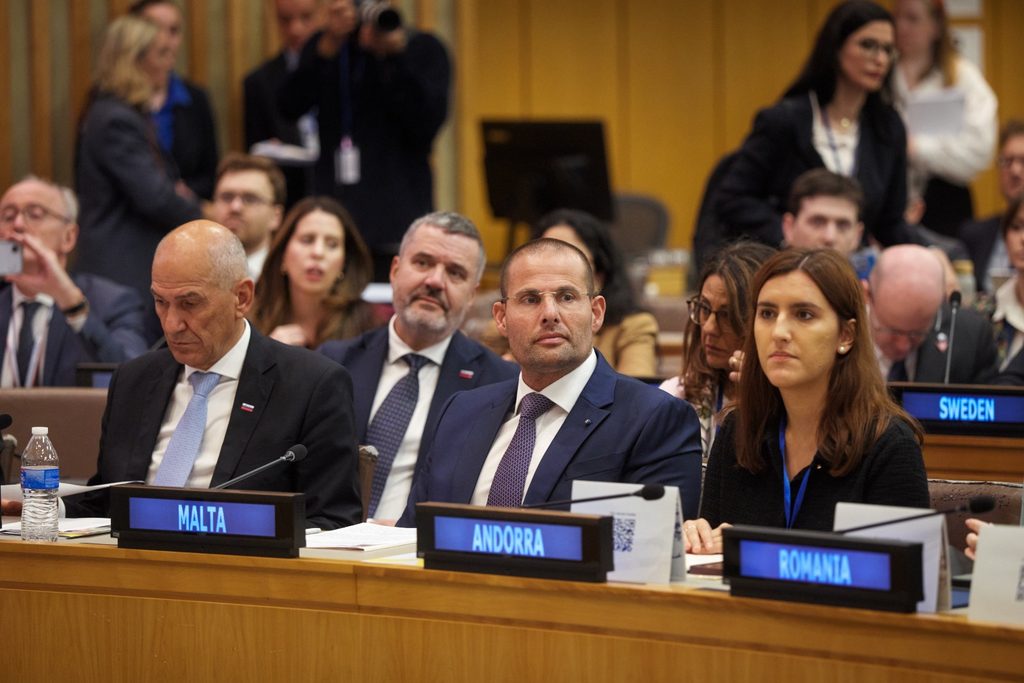
Prime Minister of the Republic of Malta Robert Abela drew attention to the repression of residents of the occupied territories, deportations, the forced imposition of Russian citizenship, restrictions on freedom of expression, the militarisation of young people, and the unlawful transfer of Ukrainian children. He reaffirmed Malta’s support for international courts, tribunals, and other accountability mechanisms.
Prime Minister of the Republic of Slovenia Janez Janša stressed that the principles of sovereignty, territorial integrity, and the prohibition of the seizure of territory by force must apply equally to every state, regardless of its geographic location, size, or power. He also called for maintaining pressure on Russia and rejecting any attempts to normalise occupation or territorial conquest.
Prime Minister of Andorra Xavier Espot Zamora reaffirmed his support for Ukraine and stressed that respect for international law and multilateralism remain the foundation for achieving lasting peace. He also highlighted Andorra’s support for the Crimea Platform as a mechanism for upholding international law, human rights, and international humanitarian law.
Prime Minister of the Kingdom of Norway Jonas Gahr Støre stressed the danger of the international community gradually becoming accustomed to prolonged occupation and underscored the need for independent documentation of human rights violations in Crimea.
«The risk today is not that the world condemns the occupation too little – we do. It is that the world grows used to it. That is what we have to work against and that is why this platform is so important. This war has to end. Russia must end its aggression and withdraw from the entire territory of Ukraine including Crimea», – stated Jonas Gahr Støre.
First Deputy Prime Minister and Minister for European Affairs of the Republic of North Macedonia Bekim Sali stressed that the unity of the international community must be reflected not only in words but also in consistent and decisive action. He called for continued efforts to protect civilians and cultural heritage, ensure accountability, address the consequences of occupation, and secure the return of Ukrainian children.
Deputy Prime Minister and Minister of Foreign Affairs of Georgia Maka Botchorishvili stressed that the issue of Crimea and Ukraine is of particular importance to Georgia in light of its own experience of Russian occupation. She highlighted the role of the International Crimea Platform in keeping international attention focused on Ukraine and turning shared political commitments into concrete action.
«We to know all too well what it means when the state’s sovereignty and territorial integrity are violated. That is precisely why the united and resolute position of the international community in support of Ukraine’s sovereignty and territorial integrity is of particular importance», – stressed Maka Botchorishvili.
Deputy Prime Minister of the Republic of Moldova Mihai Popșoi reaffirmed Moldova’s support for Ukraine’s sovereignty and territorial integrity, including Crimea, and stressed that Moldova does not recognise attempts to alter borders through the use of force. He also emphasised that international peace and security depend on respect for international law, the sovereignty of states, and the principle of non-use of force.
Minister for Foreign Affairs of the Kingdom of Sweden Maria Malmer Stenergard stressed the inseparable link between justice and accountability. She highlighted the need to secure the return of Ukrainian children unlawfully transferred from Ukraine, the release of civilians arbitrarily detained, and continued efforts to establish a Special Tribunal for the Crime of Aggression against Ukraine and an International Claims Commission for Ukraine.
Minister of Foreign Affairs of Costa Rica Manuel Tovar Rivera stressed the global significance of the issue of Crimea for the international legal order. He emphasised that recognising the outcomes of territorial seizure by force would set a dangerous precedent for all states, particularly smaller countries whose security depends directly on the effectiveness of the UN Charter.
«Defending Crimea is defending the Charter of the United Nations, and defending the Charter is defending the principle that no border can be redrawn by force», – highlighted Manuel Tovar Rivera.
In a written message to the Summit participants, Prime Minister of Japan Sanae Takaichi reaffirmed Japan’s unwavering support for Ukraine’s sovereignty and territorial integrity, including Crimea. She stressed that unilateral attempts to change the status quo by force are unacceptable, underscored the need for international coordination to achieve a just and lasting peace, and called for continued support for Ukraine and sanctions against Russia.
Grand Chancellor of the Sovereign Military Hospitaller Order of Saint John of Jerusalem, of Rhodes and of Malta Riccardo Paternò di Montecupo reaffirmed solidarity with the people of Ukraine and a commitment to international and humanitarian law. He stressed the importance of preserving diplomatic and multilateral mechanisms and emphasised that humanitarian assistance cannot substitute for lasting peace.
Following the Sixth Summit of the International Crimea Platform, its participants adopted a Joint Statement. In the document, heads of state and government, representatives of states and international organisations reaffirmed their unwavering support for the independence, sovereignty, and territorial integrity of Ukraine within its internationally recognised borders, as well as the policy of non-recognition of Russia’s attempted illegal annexation of Crimea. They also stressed that the temporary occupation of Ukrainian territories does not create any legal grounds for changing their status.
The Summit participants expressed their conviction that the liberation of Crimea is an integral part of restoring Ukraine’s territorial integrity and an essential prerequisite for achieving a comprehensive, just and lasting peace and strengthening international security.
The Joint Statement also condemns violations of international humanitarian law and human rights in the temporarily occupied territories documented by international monitoring mechanisms, including arbitrary detention, torture, enforced disappearances, politically motivated persecution, discrimination, and restrictions on fundamental freedoms. The participants specifically condemned the deportation and forcible transfer, unlawful adoption, russification, indoctrination, and militarisation of Ukrainian children, and reaffirmed the need to protect the rights of Ukrainians, the Crimean Tatar People, and other Indigenous Peoples of Ukraine.
The document calls on the international community to strengthen sanctions against the Russian Federation and coordination to prevent their circumvention; ensure the protection of civilians in the temporarily occupied territories and access for international monitoring; intensify efforts to secure the release of all unlawfully detained civilians and political prisoners; and facilitate the safe and unconditional return to Ukraine of Ukrainian children who have been unlawfully deported or forcibly transferred.
The participants called for stronger efforts to counter forced assimilation, indoctrination, and attempts to alter the Ukrainian identity of children and young people in the temporarily occupied territories; to continue documenting violations of international law in order to build the evidence base necessary to hold those responsible accountable; to protect Ukraine’s cultural heritage; and to advance international research on Ukraine, including Crimean and Crimean Tatar studies.
The Joint Statement also calls on the Russian Federation to immediately end its armed aggression against Ukraine and withdraw all its troops and occupation administrations from all temporarily occupied territories of Ukraine. The participants reaffirmed their readiness to continue providing Ukraine with political, diplomatic, economic, humanitarian, and other support, as well as to act jointly to ensure Russia’s accountability and uphold the international legal order.
In the concluding section of the document, the participants reaffirmed their conviction that the liberation of all temporarily occupied territories of Ukraine, including the Autonomous Republic of Crimea and the city of Sevastopol, and the restoration of Ukraine’s territorial integrity and sovereignty are decisive steps towards restoring international peace and security, strengthening the international legal order, and ensuring respect for the fundamental norms of international law.
The Joint Statement of the participants of the Sixth Summit of the International Crimea Platform is available here: https://cutt.ly/yyvYqeAB
The Sixth Summit of the International Crimea Platform once again demonstrated that, despite the prolonged Russian occupation, Crimea remains firmly on the international agenda. The statements delivered by participants consistently reaffirmed the non-recognition of the occupation, the protection of international law, support for Ukraine’s territorial integrity, the need to hold Russia accountable, and the importance of the liberation of Crimea as part of restoring a comprehensive, just and lasting peace.
We sincerely thank all participants of the Sixth Summit of the International Crimea Platform – heads of state and government, ministers, parliamentarians, diplomats, representatives of international organisations, and all international partners who continue to support Ukraine and ensure that the issue of Crimea remains on the international agenda. Your solidarity and steadfast commitment are essential to upholding international law, protecting the rights and freedoms of people in temporarily occupied Crimea, and restoring Ukraine’s territorial integrity.
We would also like to express our gratitude to the International Renaissance Foundation and the Partnership Fund for a Resilient Ukraine for their support in preparing for the Sixth Summit of the International Crimea Platform.
We thank every state and international organisation that continues to stand with Ukraine. We thank everyone who continues to speak about Crimea, support people living under occupation, and work to restore justice. Crimea is Ukraine.
The goal of the Crimea Platform is the de-occupation of Crimea and contributing to the strengthening of European and global security.