22 November 2024
The Third Panel Discussion: “Challenges for Indigenous Peoples Worldwide: Can We Build Solidarity and Achieve Justice?” at the Second International Conference Crimea Global
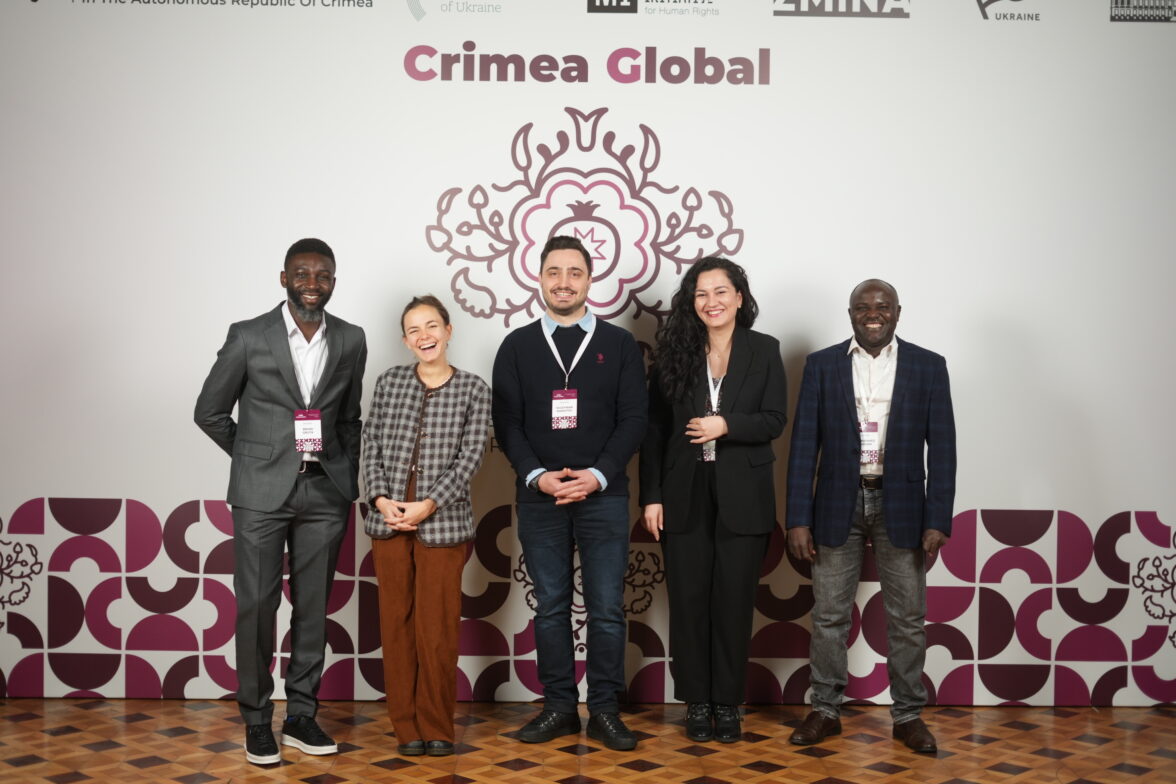
As part of the Second International Conference Crimea Global. Understanding Ukraine through the South, the third panel discussion, titled “Challenges for Indigenous Peoples Worldwide: Can We Build Solidarity and Achieve Justice?”, was held.
The panel discussion featured the following participants: Refat Chubarov, Head of the Mejlis of the Crimean Tatar People; Natia Navruzov, Executive Director of Yazda NGO, lawyer, and representative of the Yazidi people from Iraq; Marina Slesarenko-Barreto, researcher at the Law and Democracy Cluster of the Brazilian Center for Analysis and Planning (CEBRAP) and political analyst; Mohammed Hassan, Executive Director of the Darfur Network for Human Rights (DNHR) from Sudan; and Cristine Takuá, representative of the Maxakali people and co-founder of the Maraka Institute for Indigenous Advocacy in Brazil. The discussion was moderated by Suleyman Mamutov, member of the UN Permanent Forum on Indigenous Issues.
Refat Chubarov emphasized that the Crimean Tatar people have been exiled from their homeland for nearly half a century and are now systematically working to restore their rights in Ukraine.
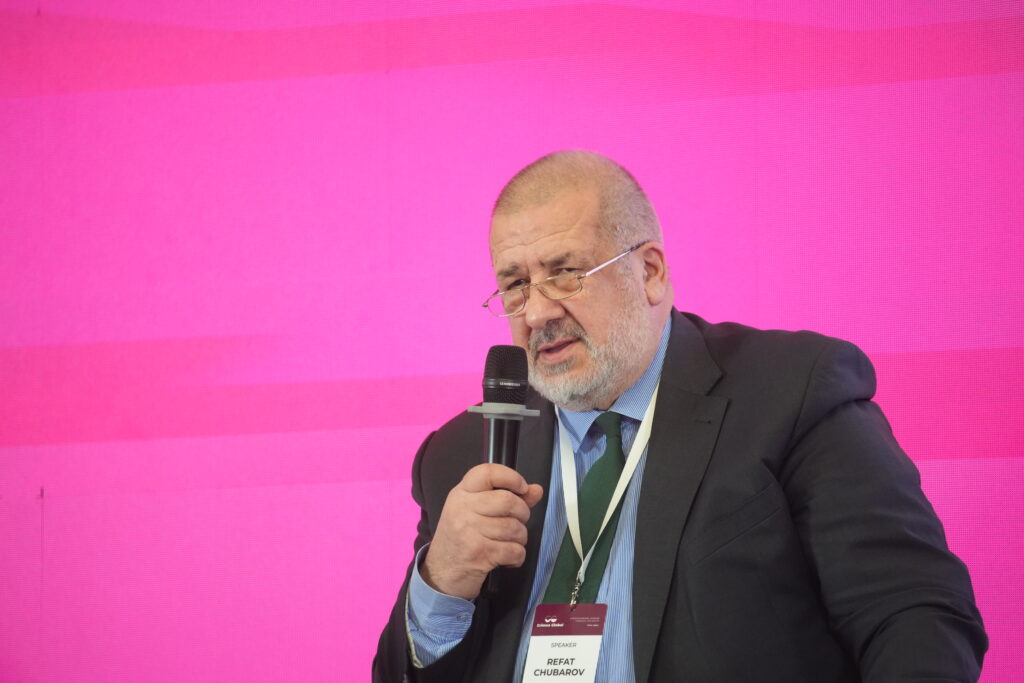
“The main challenge for the Crimean Tatar people is the occupation of their land by the Russian enemy, which has been destroying our people for decades,” said Refat Chubarov.
He also noted progress in the global recognition of Indigenous Peoples’ rights to live on their lands, communicate in their languages, and meet their needs. Chubarov mentioned the 23rd session of the UN Permanent Forum on Indigenous Issues, whose report obliges member states to report to the UN on their treatment of Indigenous Peoples.
Concluding his speech, Refat Chubarov read an excerpt from a study by the UN Permanent Forum on Indigenous Issues, co-authored by the discussion moderator Suleyman Mamutov. The excerpt stated that indigenous autonomy is not merely a political ideal but a necessity.
Natia Navruzov highlighted that one of the key lessons for Indigenous Peoples is the importance of speaking out about their rights and doing everything possible to be heard.
“It is crucial to document everything that happens to Indigenous Peoples and the paths they take. By having evidence of crimes against indigenous populations, we strive to reach the international community and gain their support,” said Natia Navruzov.
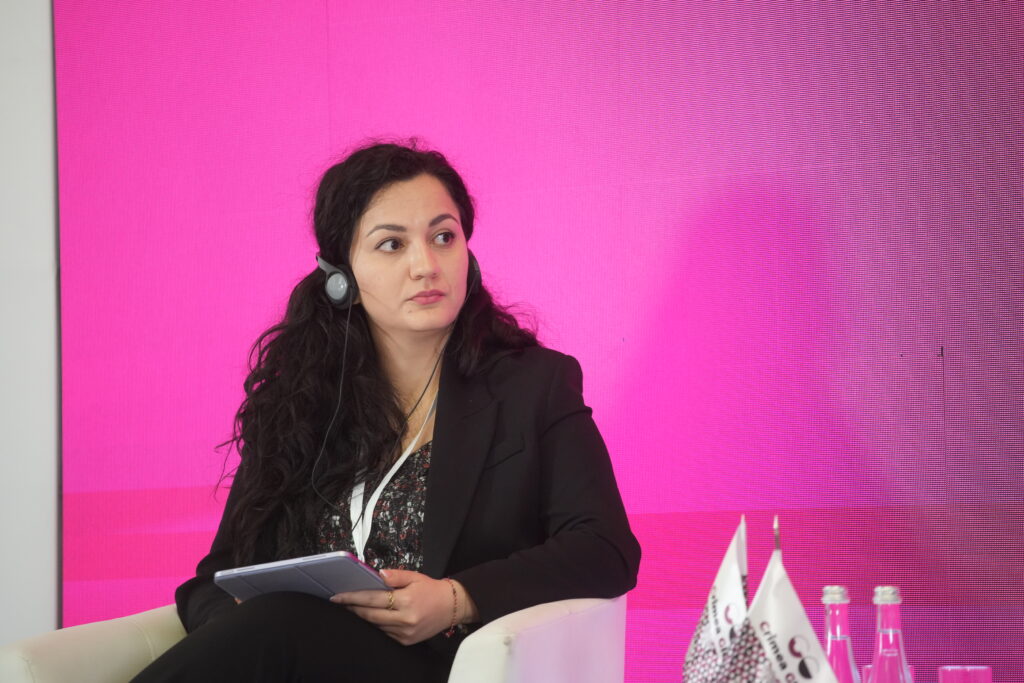

Marina Slesarenko-Barreto shared the history of Brazil’s Indigenous Peoples, who endured decades of colonization and, like the Crimean Tatar people, were forcibly displaced from their lands.
“These peoples had no choice when they were stripped of their rights to their own land, and they still suffer today. The country’s government remains a pressing issue, but we continue to fight for the rights of Brazil’s indigenous population,” said Marina Slesarenko-Barreto.
Mohammed Hassan stressed the importance of involving Indigenous Peoples in resolving conflicts, as grassroots movements and initiatives can help achieve justice.
“Our people live in refugee camps. We lack education and food, and for 20 years, people have been unable to return to their homeland. This is a major challenge for us. However, it is also important that Indigenous Peoples are not only seen as victims by the international community but also participate in achieving justice,” said Mohammed Hassan.
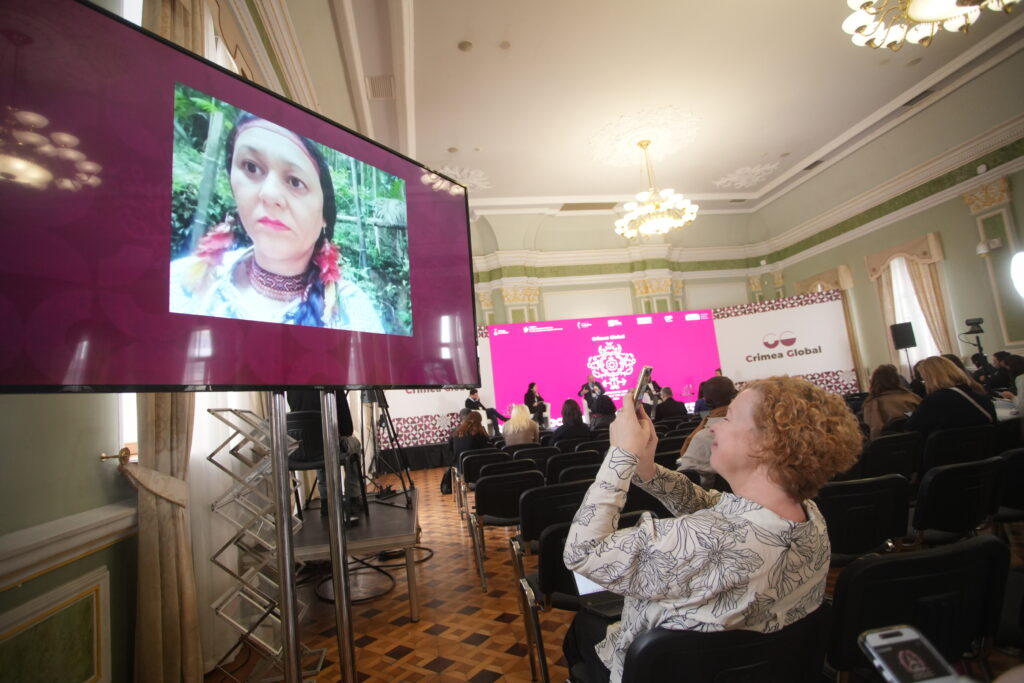
Cristine Takuá, a representative of the Maxakali people and co-founder of the Maraka Institute for Indigenous Advocacy, joined the panel discussion online.
She drew attention to environmental protection and described her people’s deep connection to Brazil’s forests and the impact of ecocide on them. Concluding her speech, Cristine Takuá sang a traditional song of the Maxakali people.
“We see the forests and plants around us not just as flora but as spirits. Nature gives us strength and wisdom, and we communicate with it. But now, forests are being actively destroyed in Brazil, which is a colossal problem,” said Cristine Takuá.
The participants emphasized the importance of addressing indigenous issues at the international level, especially in today’s world, where many indigenous communities face oppression, destruction of their identity, and deportations. .
Thank you to the speakers for participating in the discussion!
#CrimeaGlobal #CrimeaIsUkraine