03 December 2025
Analytical Brief “CRIMEA: A Transit Hub for the Transfer and Ideological Indoctrination of Children” Presented in Kyiv
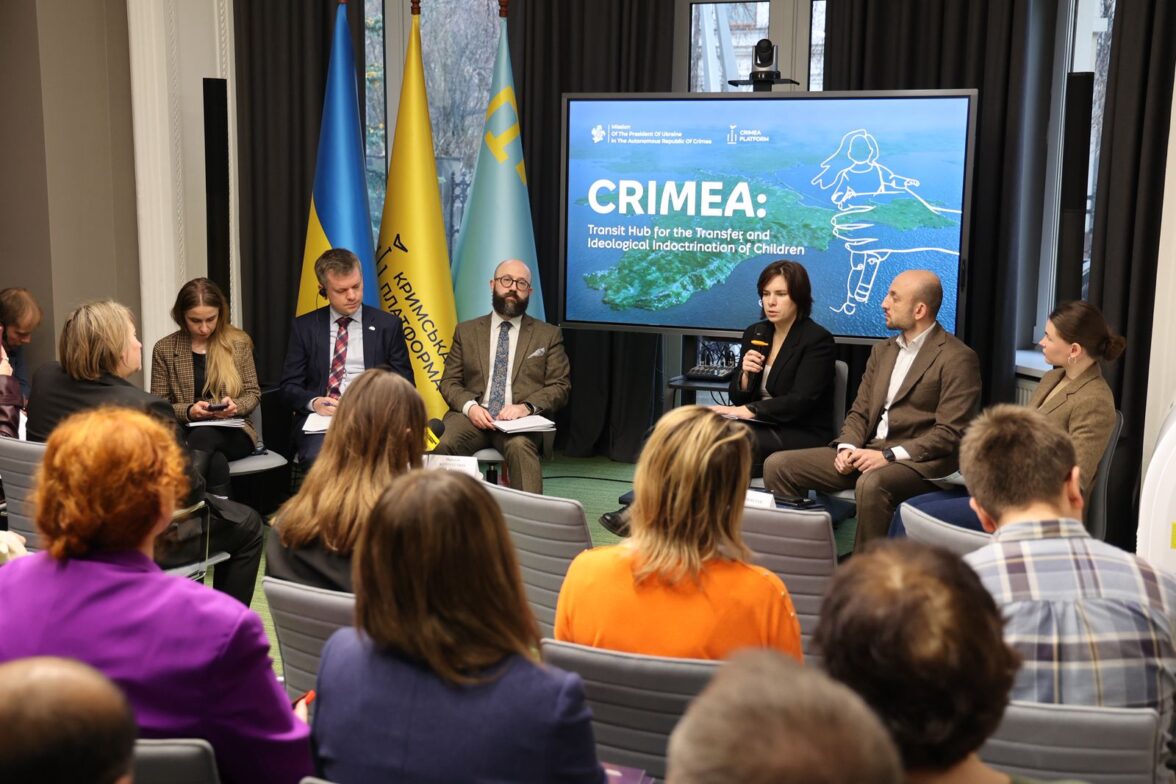
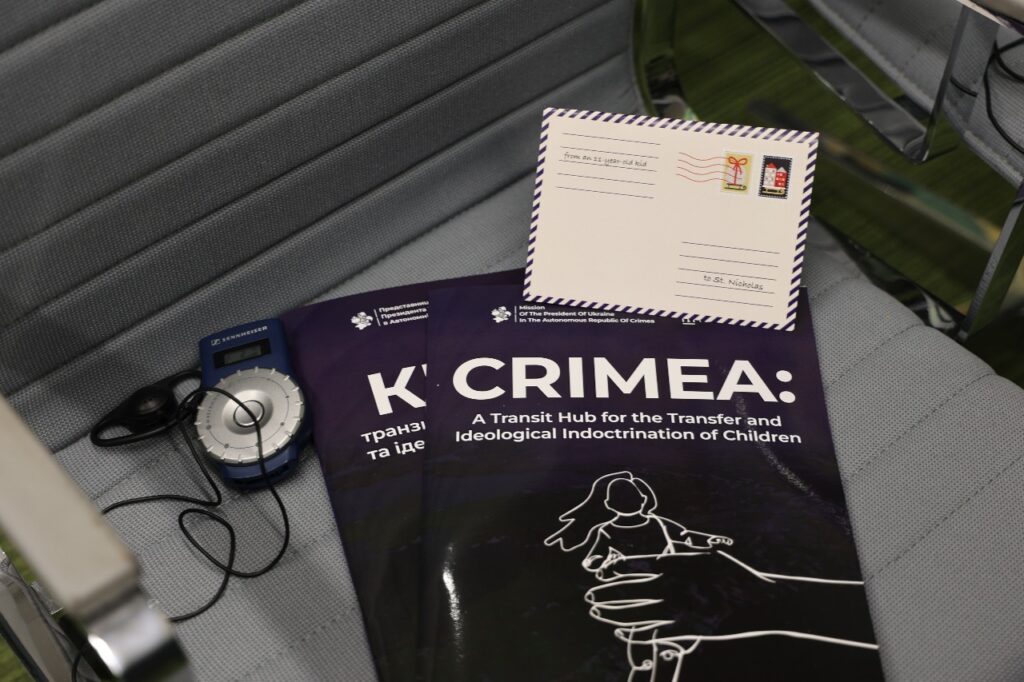
On December 3, the office of the President of Ukraine’s Representation in the Autonomous Republic of Crimea hosted the presentation of the analytical brief “CRIMEA: A Transit Hub for the Transfer and Ideological Indoctrination of Children.” The purpose of the publication was to systematize information and demonstrate that the systematic practice of abduction and unlawful transfer of Ukrainian children began with the occupation of Crimea in 2014. The comprehensive brief examines how Russia uses Crimea for the transfer and militarization of children and provides specific examples of occupation practices. More information is available at: https://cutt.ly/gtuEN0nV
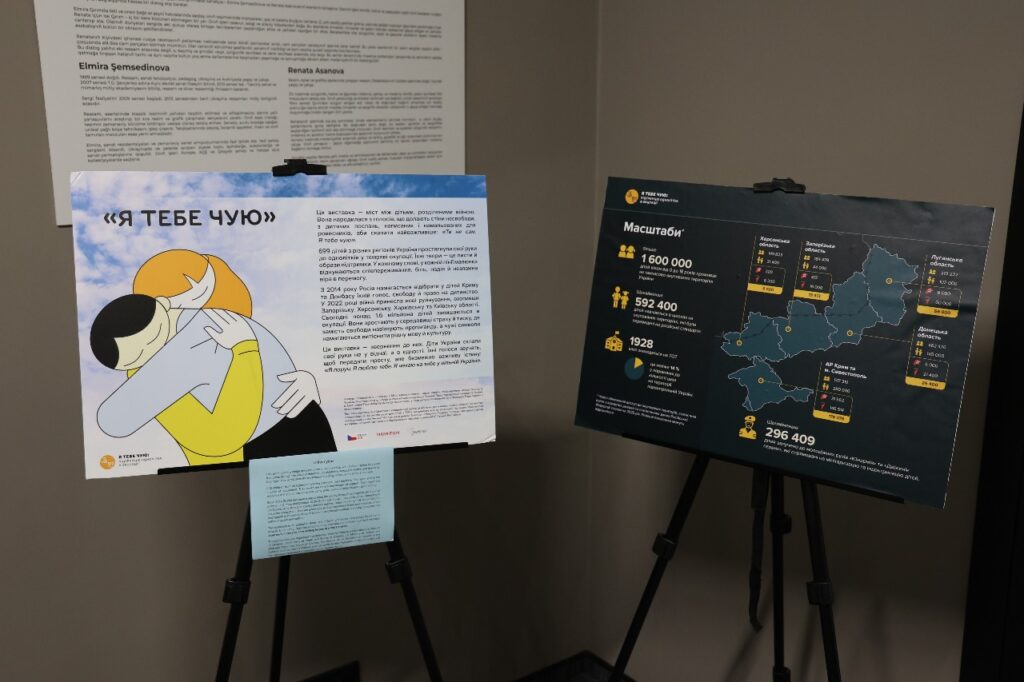
An exhibition titled “I Hear You,” prepared by the Almenda Center for Civic Education, was also held during the event. It presents messages from children addressed to their peers from the temporarily occupied territories. Their voices resonate with a simple yet powerful truth: “I am here with you. I love you. I am waiting for you in a free Ukraine.”
The event also featured a panel discussion with the participation of Maksym Kononenko, Ambassador-at-Large of the Department-General for International Organizations of the Ministry of Foreign Affairs of Ukraine; Marharyta Sokorenko, Government Agent before the European Court of Human Rights; Vegard Stensrud, Political Advisor at the Royal Norwegian Embassy in Ukraine; Vitalii Sekretar, Acting Head of the Prosecutor’s Office of the Autonomous Republic of Crimea and the City of Sevastopol; and Oleksandra Dvoretska, Head of Policy at Bring Kids Back UA.
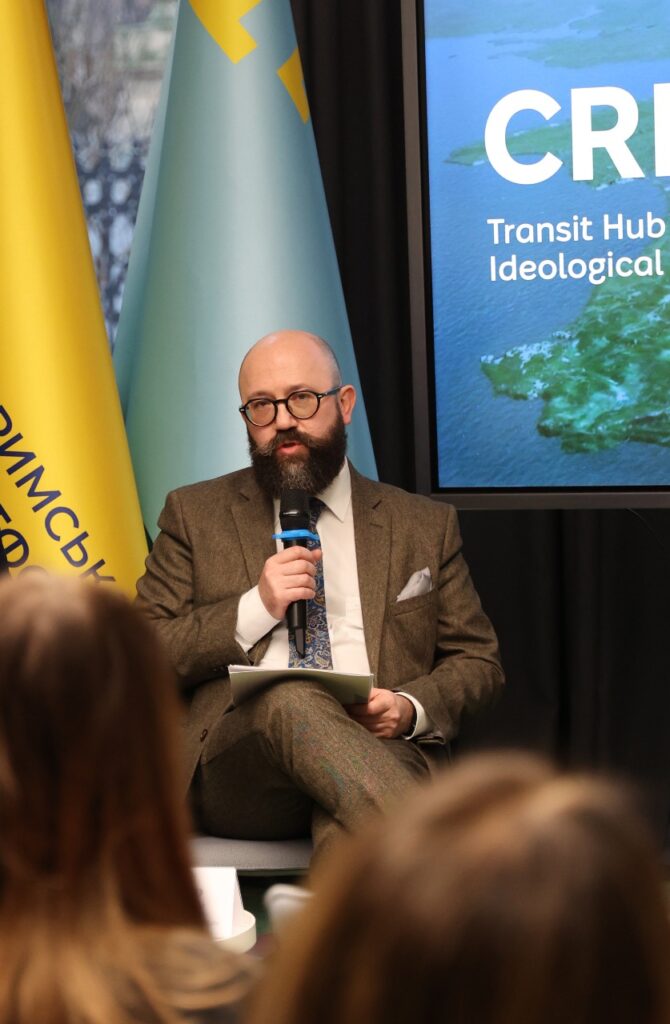
The discussion was moderated by Nelia Hrynyshyn, Head of the Service for Ensuring the Activities of the Crimea Platform.
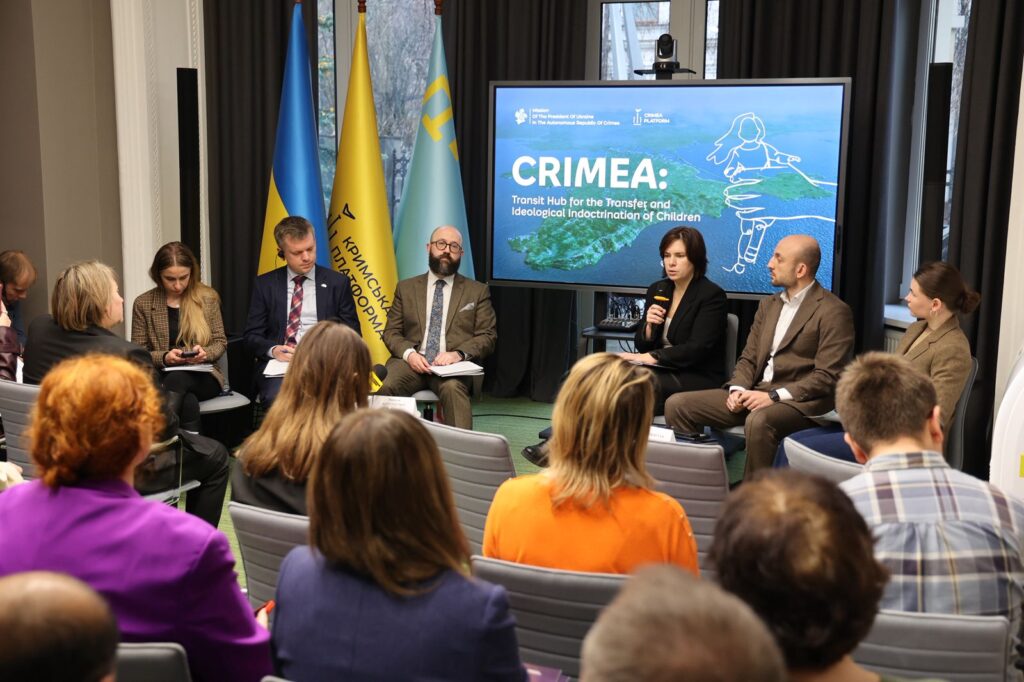
In her opening address, Permanent Representative Olha Kuryshko emphasized that it was crucial for the Representation’s team to prepare such a publication, as analyzing the role of Crimea in the mechanisms used for the deportation of Ukrainian children is essential for understanding the scale of the threat. It is from Crimea that Russia has been spreading its occupation practices.
“Crimea effectively became a testing ground where Russia had been developing models of forced removal, militarization, and ideological indoctrination of Ukrainian children long before the full-scale invasion”.
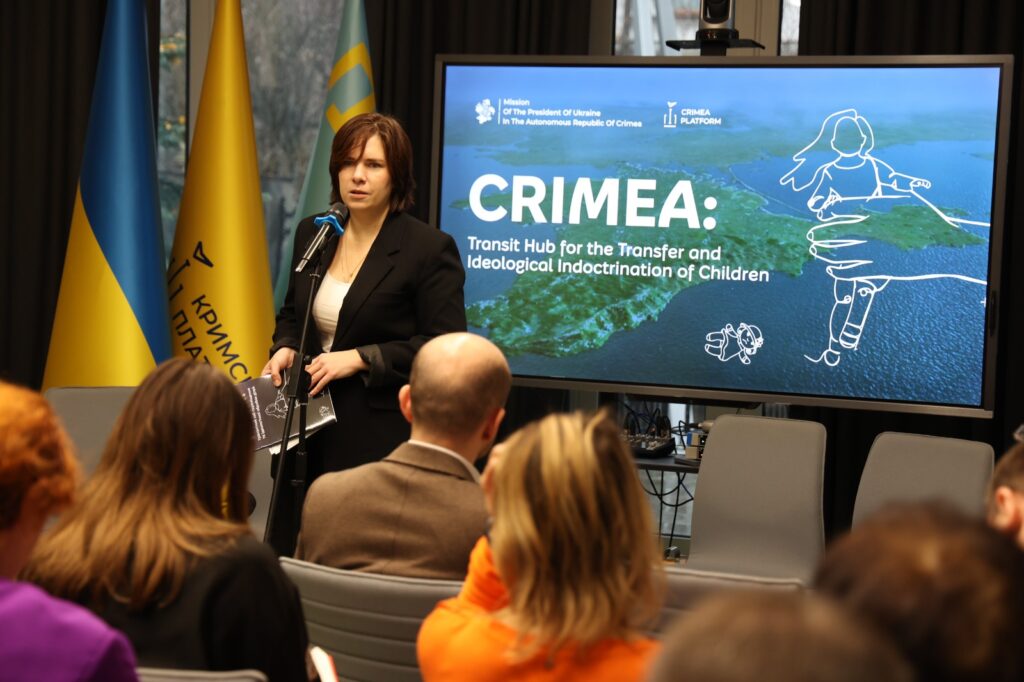
The Permanent Representative also stressed the importance of ensuring coordination among state institutions, international partners, and civil society organizations to strengthen mechanisms for searching for and returning children, as well as continuing to document all crimes committed by Russia against them.
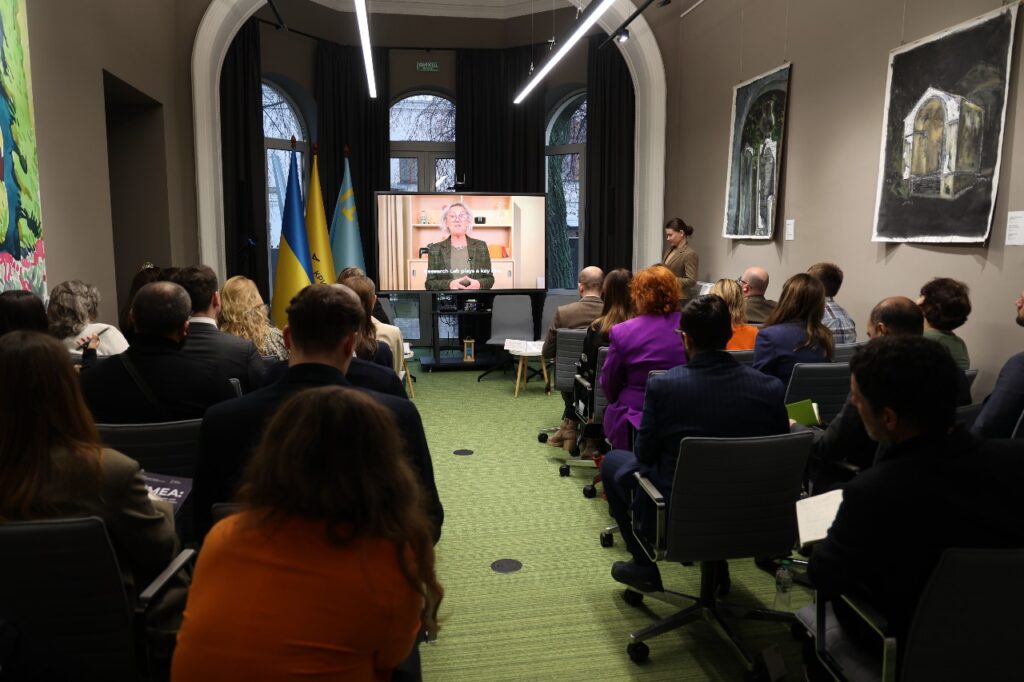
The participants were also addressed via video message by Karina Odenbrink, Special Representative on the Abduction and Illegal Deportation of Ukrainian Children and Member of the Swedish Riksdag. She emphasized that abducted Ukrainian children have been subjected to systematic Russification, psychological pressure, and ideological indoctrination, which constitutes a gross violation of international law and a crime against humanity.
“But words are not enough. They must be followed by decisive action. Russia must face harsher and more targeted sanctions until these crimes stop and all those responsible are held to account,” she stated.
Vitalii Sekretar emphasized that since 2014, the Prosecutor’s Office of the Autonomous Republic of Crimea and the City of Sevastopol has been doing and continues to do everything possible to collect and systematize information on the deportation and militarization of Ukrainian children at both the national and international levels. He noted that this work goes beyond documenting crimes and also concerns bringing Russian perpetrators and pseudo-patriotic organizations to justice.
“When we began documenting Russian crimes in 2014, we clearly understood that Russia would do everything possible to conceal the truth about its actions on the peninsula,” he said.
Marharyta Sokorenko noted that since 2014, the Ministry of Justice of Ukraine has been working to hold Russia accountable for the abduction and unlawful transfer of Ukrainian children to the territory of the Russian Federation, including at the international level.
“In its judgment, the European Court of Human Rights recognized the systemic practice of unlawful transfer of children to the territory of Russia, facilitation of their adoption, as well as the continuous sequence of such actions since the beginning of Russian aggression and occupation. This is a crucial step toward bringing those responsible to international justice,” she emphasized.
In his remarks, Maksym Kononenko stated that more than 500 Russian institutions are currently involved in systemic schemes of abduction and deportation of Ukrainian children, alongside a targeted policy aimed at destroying Ukrainian identity. This policy began with the occupation of Crimea in 2014 and later spread to all seized territories. He also reported that Ukraine has already returned 1,859 children and provided them with the necessary support for their reintegration. Separately, Maksym Kononenko called on countries to join the International Coalition for the Return of Ukrainian Children and to support Ukraine’s efforts at international platforms.
“Every day, thousands of children live in a situation where they can be abducted at any moment, forcibly involved in the activities of various militarized organizations, or even into the ranks of the occupation army. Russia’s current actions constitute the largest crime against children in modern history. And this is not a mistake, as they attempt to portray it. It is a systemic policy,” he stressed.
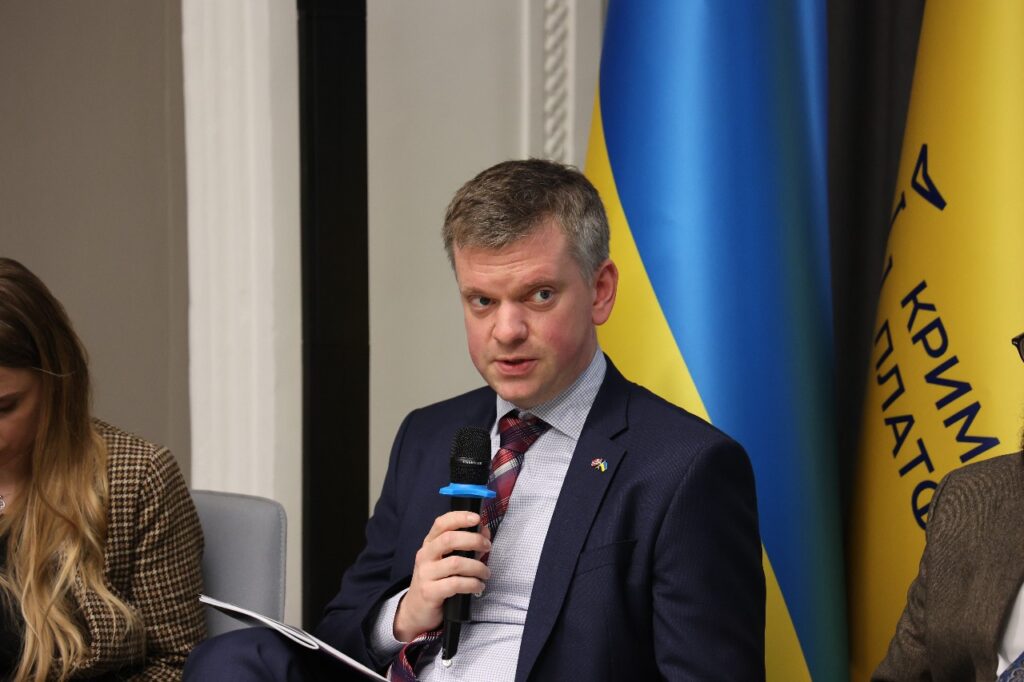
Vegard Stensrud spoke about Norway’s support for Ukraine, emphasizing the consistent position of the Kingdom of Norway on the need to hold Russia accountable for the deportation of Ukrainian children. He underscored that Norway will continue to support international efforts aimed at returning unlawfully transferred children and documenting Russian crimes. He also noted Norway’s participation in the International Coalition for the Return of Ukrainian Children.
“Ukrainian children must return home, and the international community must not retreat until this happens,” he said.
Oleksandra Dvoretska emphasized that Russia has turned Crimea into a testing ground for experiments on the local population. She stressed that behind every criminal case is the story of a real child affected. She also noted that Russia not only abducts children but also deliberately obstructs their return to Ukraine by creating bureaucratic barriers, restricting access to information, and exerting psychological pressure. In particular, she cited specific examples and stories of teenagers from the occupied territories whom Russia attempted to abduct and who were successfully returned to Ukraine.
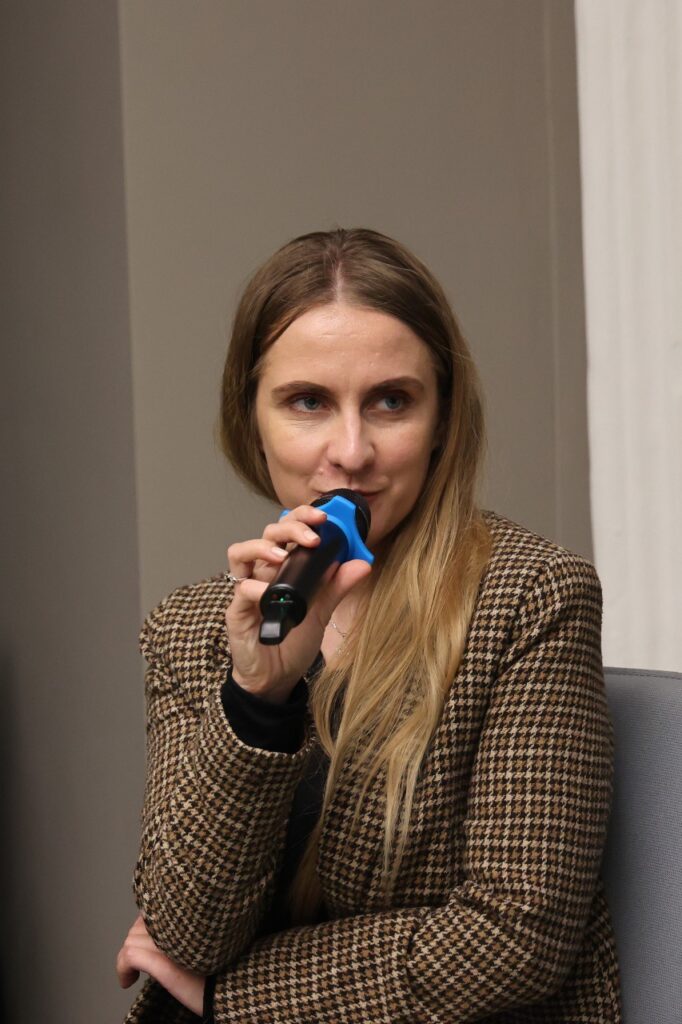
The participants of the discussion also emphasized the importance of strengthening sanctions, as well as economic, political, and diplomatic pressure on Russia, to ensure the return of Ukrainian children.
The Representation expresses its gratitude for the information provided for the preparation of the publication to the Secretariat of the Verkhovna Rada Commissioner for Human Rights, the Defense Intelligence of the Ministry of Defense of Ukraine, the Security Service of Ukraine, the Foreign Intelligence Service of Ukraine, the Office of the Prosecutor General, the Ministry of Internal Affairs of Ukraine, the Ministry of Education and Science of Ukraine, and the Kherson Regional Military Administration.
We thank all participants of the event for their attention to the topic and their joint efforts to protect Ukrainian children. We also express our gratitude to the Partnership for a Strong Ukraine Programme, funded by the governments of the United Kingdom, Estonia, Canada, Norway, Finland, Switzerland, and Sweden, for their support in organizing the event.