Forum on the Day of Resistance to the Occupation of the Autonomous Republic of Crimea and the City of Sevastopol Was Held in Kyiv
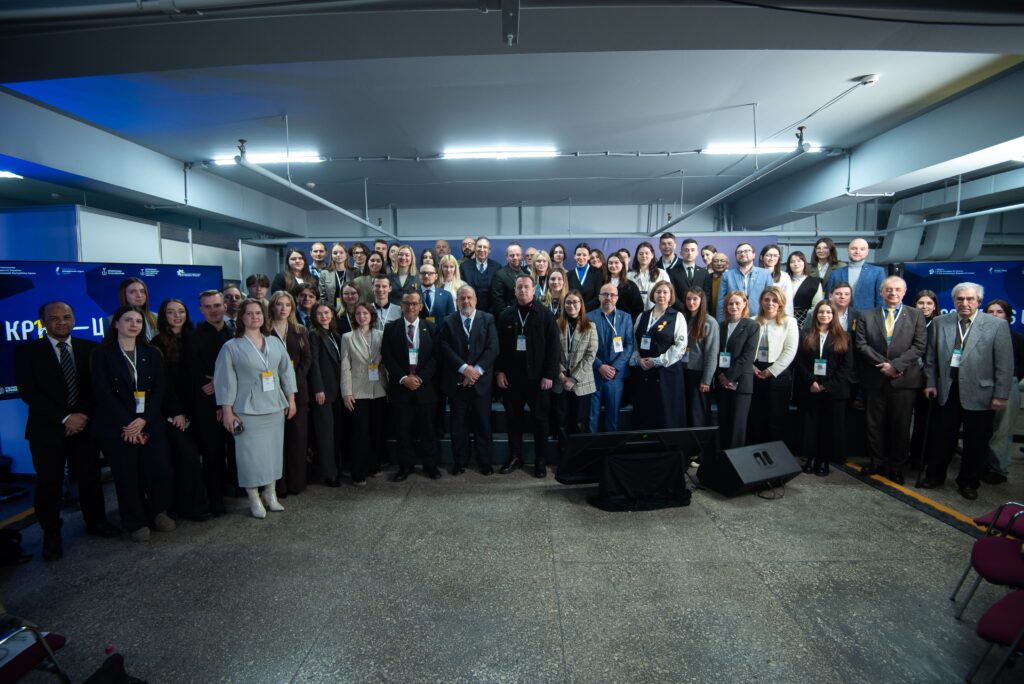
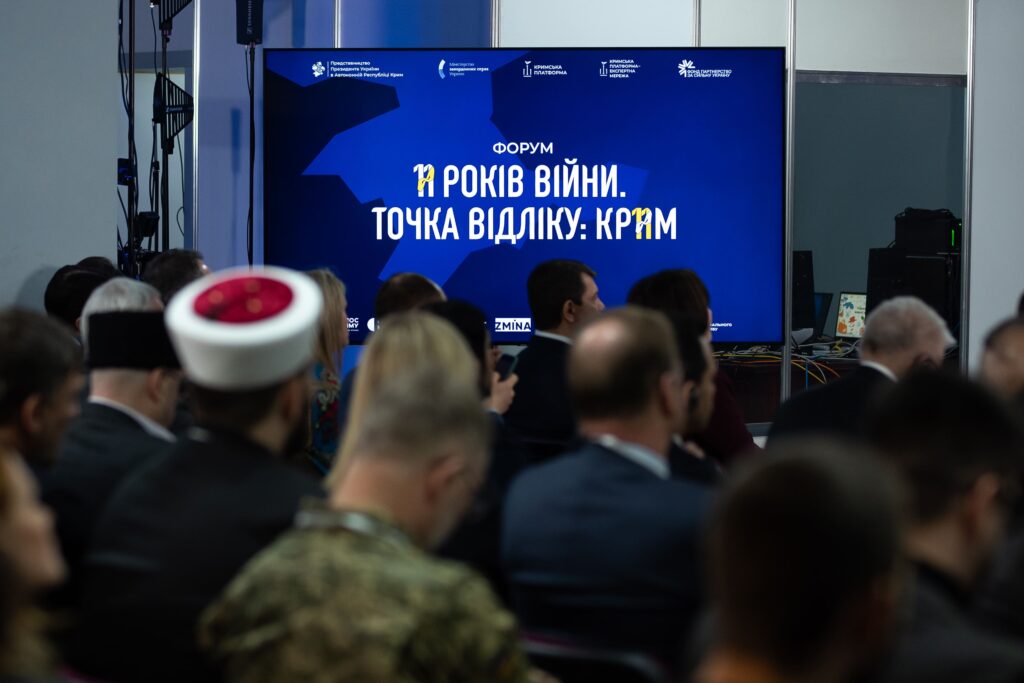
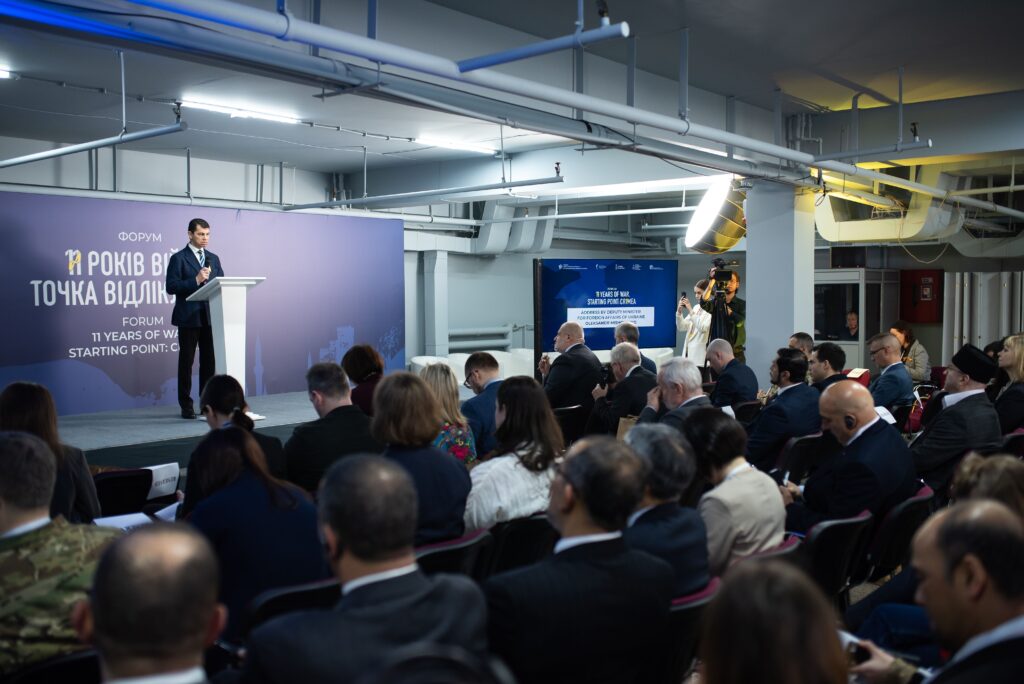
On February 26, 2025, the Forum 11 Years of War.Starting Point: Crimea was held at the Ukrainian Chamber of Commerce and Industry to mark the Day of Resistance to the Occupation of the Autonomous Republic of Crimea and the City of Sevastopol. The event gathered more than 180 participants, including diplomats from partner countries, representatives of international organizations, Ukrainian government institutions, human rights and civil society organizations, academic and educational institutions, media, military structures, and religious communities.
This year’s Forum focused on human stories and experiences of Ukrainians living under the conditions of war, which began 11 years ago with the occupation of Crimea. Special attention was given to the challenges posed by the Russian occupation for Ukraine and ways to overcome its consequences.
The event was organized by the Mission of the President of Ukraine in the Autonomous Republic of Crimea / Office of the Crimea Platform, in cooperation with the Ministry of Foreign Affairs of Ukraine and the Crimea Platform Expert Network, with the support of the the Partnership Fund for a Resilient Ukraine (PFRU), funded by aid from the governments of United Kingdom, Estonia, Canada, the Netherlands, Norway, the United States of America, Finland, Switzerland, Sweden. Information partners included Crimea Daily, ATR, Voice of Crimea, CEMAAT, Radio Quresh, QIRIM.News, Crimea.Realities, Suspilne Crimea, the ZMINA Human Rights Center, and the National Resistance Center of Ukraine.
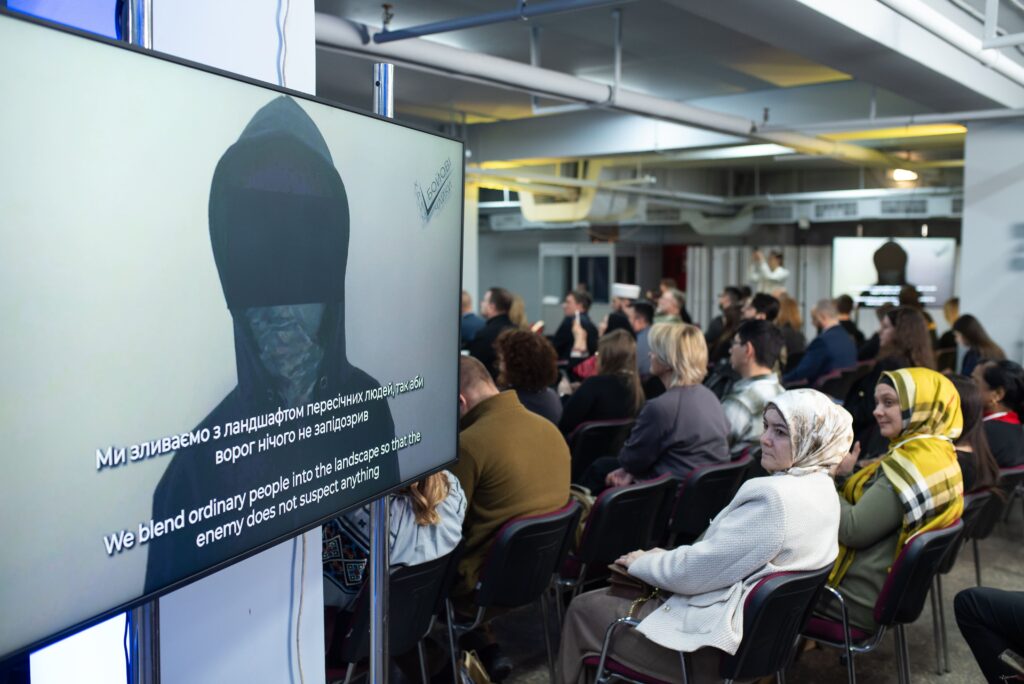
As part of the Forum, three panel discussions were held, where speakers addressed the challenges Ukraine faces in the process of Crimea’s de-occupation and ways to overcome the consequences of the eleven-year-long occupation. Between the panel discussions, participants had the opportunity to attend a theatrical performance dedicated to resistance in Crimea, organized by the Babylon Theater of the Ukrainian State University named after Mykhailo Drahomanov, as well as to watch video messages from resistance movements in Crimea.
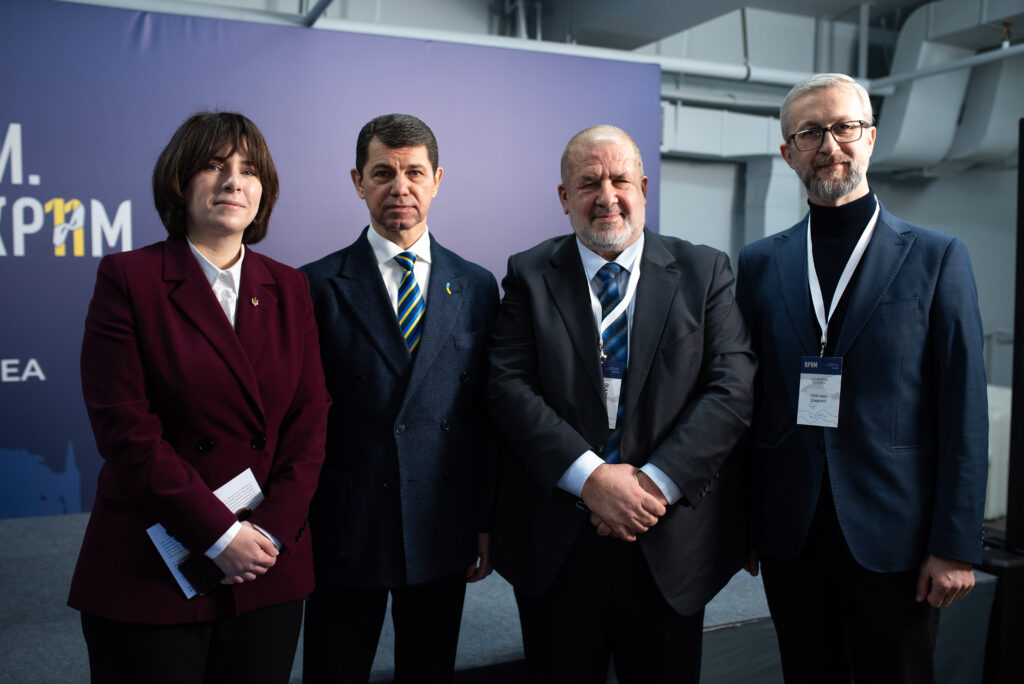
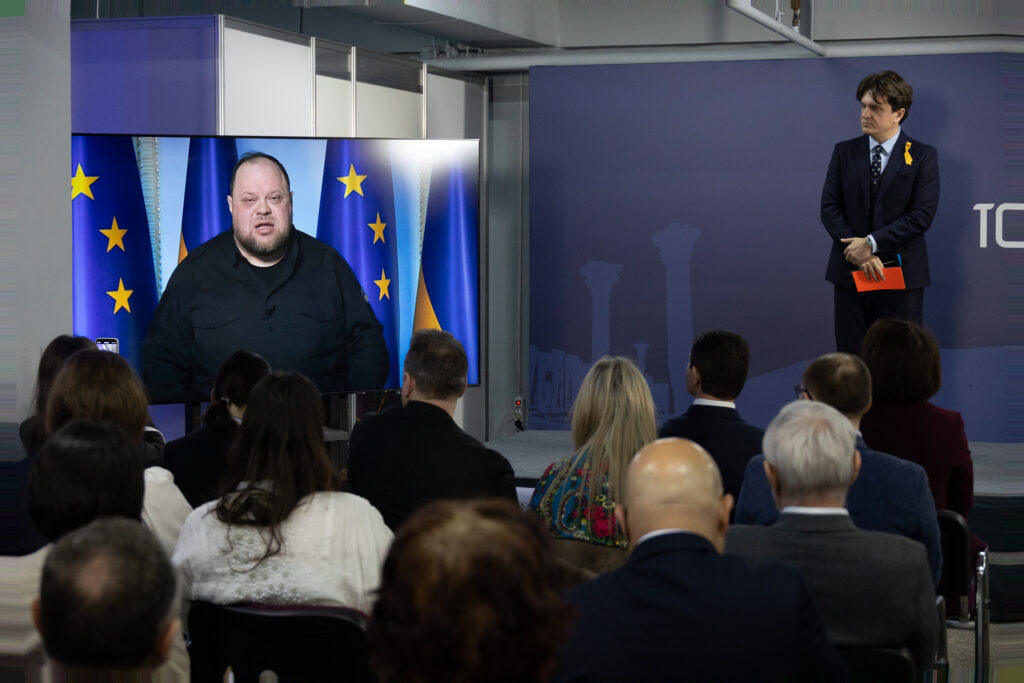
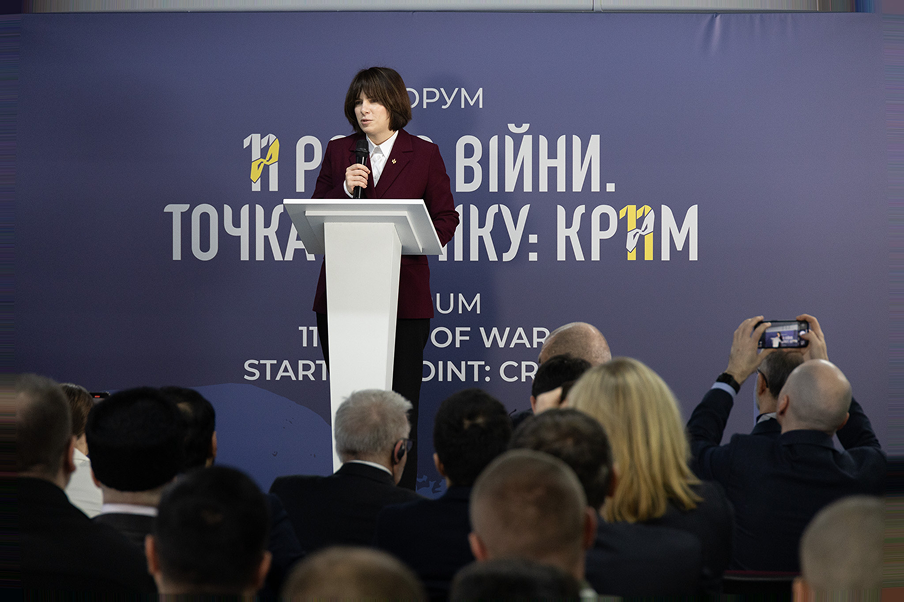
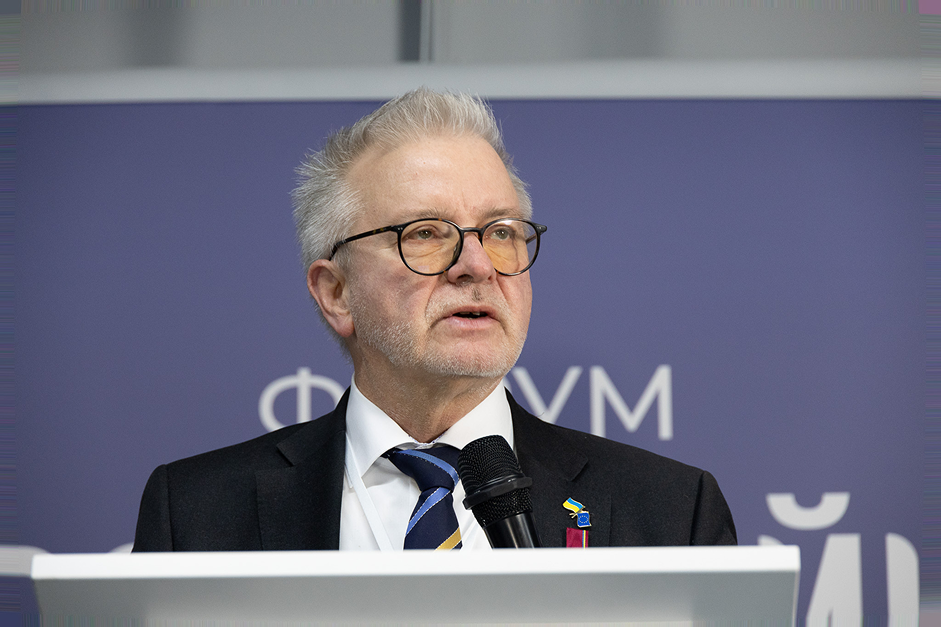
During the opening session, welcoming remarks were delivered by Ruslan Stefanchuk, Chairman of the Verkhovna Rada of Ukraine; Oleksandr Mishchenko, Deputy Minister for Foreign Affairs of Ukraine; Olha Kuryshko, Permanent Representative of the President of Ukraine in the Autonomous Republic of Crimea; Refat Chubarov, Chairman of the Mejlis of the Crimean Tatar People; Michael Gahler, Member of the European Parliament; and Pina Picierno, Vice-President of the European Parliament.
During his speech, Chairman of the Verkhovna Rada of Ukraine Ruslan Stefanchuk also highlighted activists who have faced repression due to their pro-Ukrainian stance, including Halyna Dovhopola, who was sentenced to twelve years in prison, and Hennadii Afanasiev, a Crimean native and former political prisoner. Hennadii Afanasiev later joined the Armed Forces of Ukraine and, in 2022, sacrificed his life for Ukraine. His struggle has become a symbol of the resilience of the Ukrainian people.
“Russia’s war against Ukraine has lasted for 11 years, and its starting point was February 26, 2014. On that day, thousands of Ukrainians and Crimean Tatars came to the streets to oppose the Russian invasion and defend their right to live in a free, democratic Ukraine. This struggle continues to this day,” stated Ruslan Stefanchuk.
Deputy Minister for Foreign Affairs of Ukraine Oleksandr Mishchenko, in his speech, emphasized that only a systematic and resolute policy aimed at increasing international pressure on Russia, strengthening Ukraine’s defense capabilities, and consolidating global support will bring the liberation of Crimea closer. He also stressed the importance of not allowing the aggressor to impose the perception of occupation as an irreversible reality, underscoring the need to continue the fight for justice and the restoration of Ukraine’s territorial integrity.
“For 11 years, we have consistently reaffirmed that Crimea is Ukraine—on every possible platform and at every level, in every capital and headquarters. We do not tire of insisting on this, and most importantly, we continue to act and fight for our Crimea, for our justice,” emphasized Oleksandr Mishchenko.
In her speech, Olha Kuryshko, Permanent Representative of the President of Ukraine in the Autonomous Republic of Crimea, emphasized that Crimea neither remains silent nor surrenders; on the contrary, it continues to be a symbol of unity and freedom. She underscored that, despite the repressions imposed by the Russian occupation administration, the residents of Crimea continue to resist. The Permanent Representative recalled the events of February 26, 2014—the day when Crimeans gathered for a mass protest in Simferopol to defend Ukraine’s territorial integrity and prevent the legitimization of Russia’s attempt to seize the peninsula.
Olha Kuryshko further stated that Crimea has been under occupation for eleven years, and the occupiers have turned it into a veritable prison. She highlighted the names of Ukrainian political prisoners illegally detained by Russia, including Asan Akhtemov, along with hundreds of others who have been deprived of their freedom solely for their pro-Ukrainian stance.
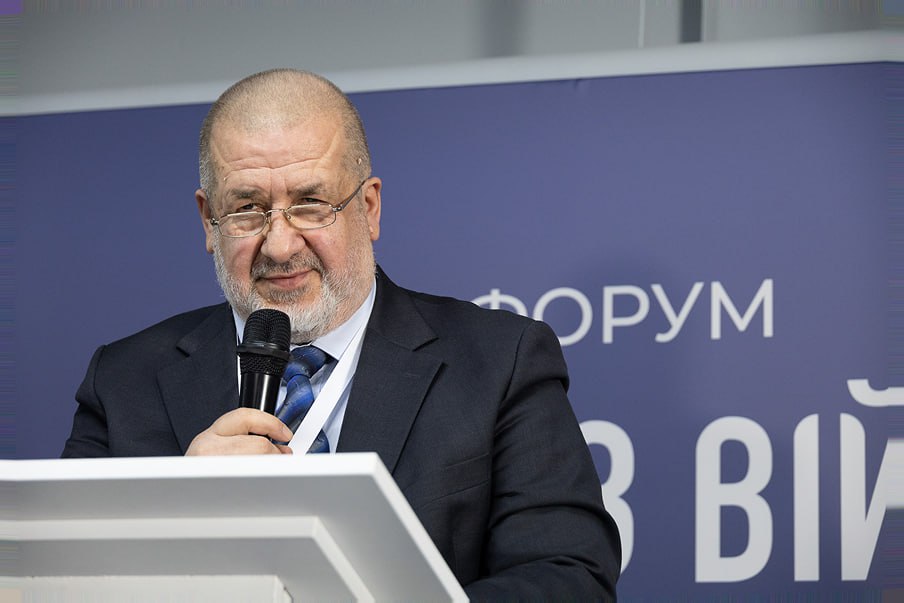
Refat Chubarov, Chairman of the Mejlis of the Crimean Tatar People, expressed gratitude to Ukraine’s international partners for their steadfast support in the struggle for freedom and independence. He also acknowledged those who have joined Ukraine’s Security and Defense Forces and those who, despite the occupation, remain loyal to Ukraine. Refat Chubarov urged the President of Ukraine and global leaders to recognize Crimea as the cradle of the Crimean Tatar people, their ancestral homeland, and an inseparable part of Ukraine. He stressed that any territorial concessions are unacceptable, as the liberation of Crimea is essential for achieving lasting peace that guarantees freedom and security for all Ukrainian citizens.
“On the Day of Resistance, we reaffirm: the issue of Crimea must remain a priority, despite Russia’s attempts to present it as a settled matter. We call on the international community to ensure that any discussions about Crimea and Ukraine take place only with the involvement and consent of the Crimean Tatar people and the Ukrainian state. Crimea is Ukraine—nothing about Ukraine without Ukraine, nothing about Crimea without the Crimean Tatar people,” Refat Chubarov stated.
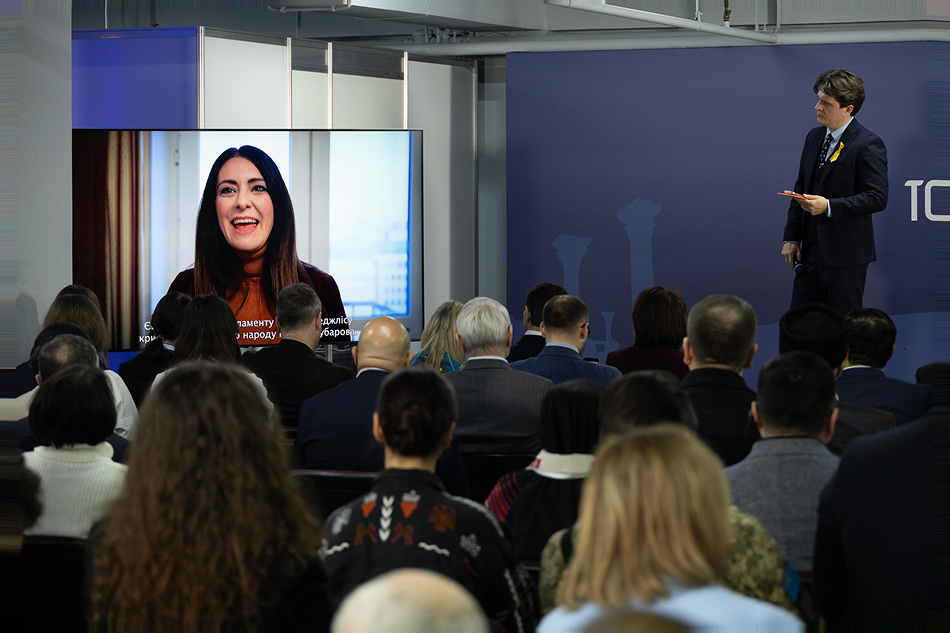
In her video address, Pina Picierno, Vice-President of the European Parliament, called on EU member states to take immediate action to support Ukraine and deter Russia, in order to prevent similar threats in the future. She also stressed the importance of learning from history and taking all available actions to counter aggression.
“On behalf of the European Parliament, I want to firmly state: Russia’s occupation of the Autonomous Republic of Crimea and the city of Sevastopol is illegal, and, most importantly, it marked the beginning of Russia’s atrocities,” declared Pina Picierno.
Michael Gahler, Member of the European Parliament, emphasized that the issue of Crimea remains central to the international community, which continues to consolidate global support for Ukraine and insists on the non-recognition of the illegal occupation of the peninsula. He reaffirmed that the European Parliament and its international partners demand the release of all political prisoners, pro-Ukrainian activists, and human rights defenders unlawfully imprisoned in Crimea. Gahler underscored the unwavering support of the global community for Ukraine, noting that every step—whether small or significant—brings Ukraine closer to victory.
“For eleven years, Ukrainian citizens have heroically resisted Russian aggression, defending their freedom. Crimea shares this goal with the rest of Ukraine, demonstrating to the international community the unity of the Ukrainian nation,” Gahler stated.
Following the opening ceremony, a video message from resistance movements in Crimea was presented. Representatives of the women’s nonviolent resistance movement Zla Mavka addressed the forum participants, declaring: “Zla Mavka is on the line! Despite all the pressure, Mavka does not surrender. As long as we exist, so does the resistance. Glory to Ukraine!” Additionally, a representative of the resistance movement Crimean Combat Seagulls emphasized: “We carry out various actions, often situational—spreading messages and posters that serve as a reminder that Crimea is Ukraine.”
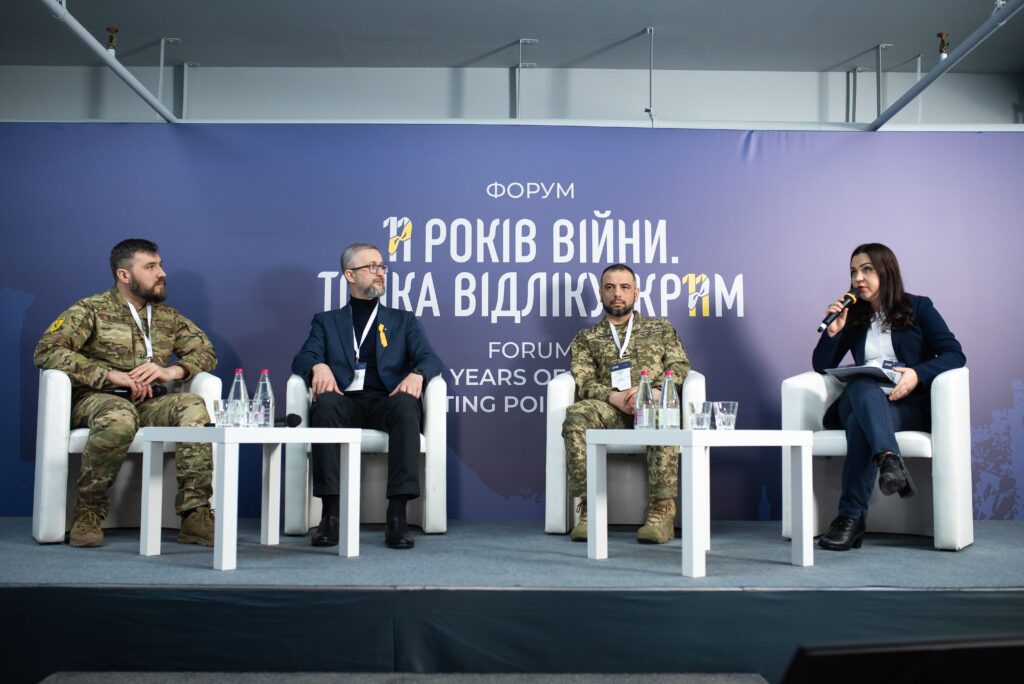
During the first panel discussion, Resistance to Occupation: What Does It Look Like?, the speakers included Nariman Dzhelyal, First Deputy Chairman of the Mejlis of the Crimean Tatar People; Colonel Ali Bekirov of the Armed Forces of Ukraine and Advisor to the Minister of Defense of Ukraine; Senior Combat Medic of the 80th Air Assault Brigade Khrystyna Krys; and Tetiana Pechonchyk, Chairperson of the Board of the ZMINA Human Rights Center. The discussion was moderated by Ruslan Khalikov, project manager of Religion on Fire project and a serviceman of the 12th Special Forces Brigade Azov of the National Guard of Ukraine.
The speakers shared real-life stories of resistance and heroism, shedding light on the various dimensions of the struggle of Crimean residents for freedom and human rights. In particular, Nariman Dzhelyal recounted his experience of unlawful imprisonment in a Russian prison:
“My imprisonment was not accidental: there were warnings and threats, and I ended up behind bars in a state of active resistance. I knew what I was fighting for and what I wanted to achieve. The realization that I was acting justly, supported by thousands of people, helped me endure this path and prove that the occupation of Crimea is a crime, and the fight for Crimea continues—even inside the prison walls.”
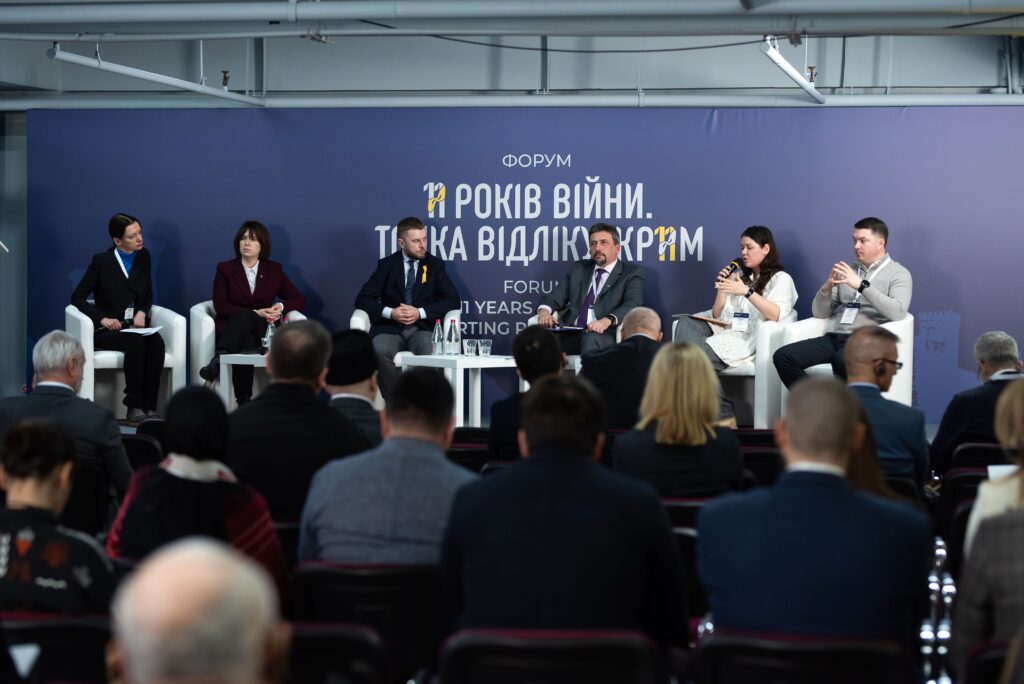
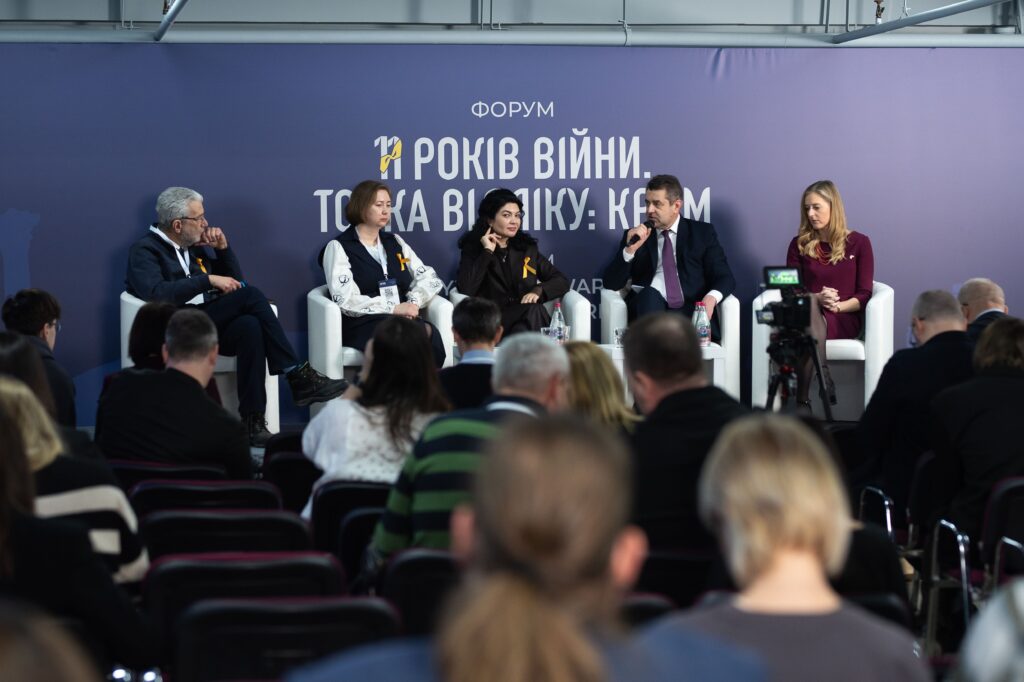
The second panel discussion, Overcoming the Impact of Crimea’s Occupation: Achievements and Future Priorities, featured key experts and representatives of state and international institutions, including Olha Kuryshko, Permanent Representative of the President of Ukraine in the Autonomous Republic of Crimea; Ihor Ponochovnyi, Head of the Prosecutor’s Office of the Autonomous Republic of Crimea and the city of Sevastopol; Maciej Janczak, Head of the Council of Europe Office in Ukraine; and Mariia Sulialina, Head of the Center for Civic Education “Almenda.” The discussion was moderated by journalist Khrystyna Berdynskykh.
Participants examined existing governmental strategies for the reintegration of temporarily occupied territories and explored the key aspects of protecting the rights of those affected by the occupation.
During her speech, Permanent Representative Olha Kuryshko emphasized that Ukrainian society must continue its struggle for the return of Crimea to Ukraine and for the restoration of justice.
“The ongoing occupation of Crimea, which has lasted for eleven years, has inflicted profound damage across various spheres of life on the peninsula. Primarily, it has had a political impact: hundreds of Ukrainian political prisoners are unlawfully detained both in temporarily occupied Crimea and on the territory of Russia—this is a cynical attempt to suppress Ukrainian resistance and erase national identity,” emphasized Permanent Representative Olha Kuryshko.
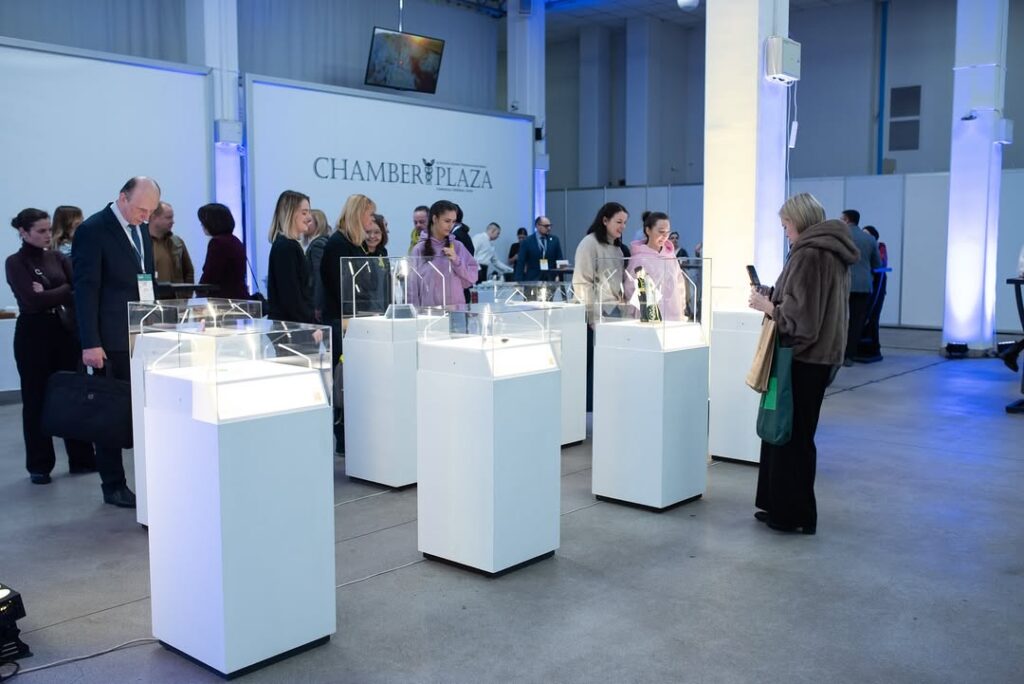
On the sidelines of the forum, The Power of Resistance exhibition was presented by the War Childhood Museum. The exhibition showcased seven stories of children who experienced repression by the Russian occupying administration in Crimea and were forced to leave. The exposition highlighted how the occupiers militarize education and distort history to manipulate the younger generation. Despite these challenges, the children’s testimonies reflect their resilience and determination to preserve their cultural identity.
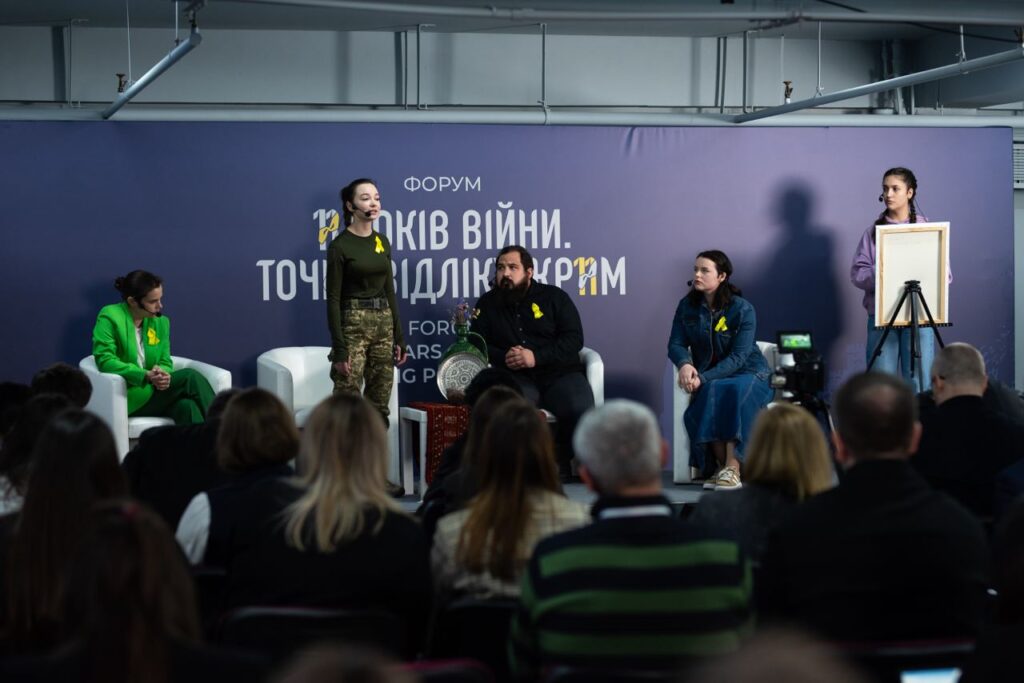
During the break between panel discussions, forum participants had the opportunity to attend the theatrical performance Five Stories of Resistance, dedicated to the resistance against the occupation of Crimea. The play presented stories of frontline defenders, political prisoners who have become symbols of resilience, and members of resistance movements operating under occupation. The audience learned about the activities of the underground movement Zla Mavka, which operates behind enemy lines, as well as other resistance initiatives such as ATESH, Yellow Ribbon, and Crimean Combat Seagulls, all of which exemplify the creativity and determination of Ukrainians in their struggle against the occupiers.
The performance was presented by the Babylon Theater of the Ukrainian State University named after Mykhailo Drahomanov. The cast included Anna Tkachenko, Ivanna Rudenko, Sofiia Bevza, Anhelina Maltseva, and Oleksii Bordunov, who brought to life the characters of Antonina Romanova, Mariia “Sakura,” Iryna Danylovych, Zla Mavka, and Hasan Isenadzhiev. The play was directed by Iryna Savchenko.
The third panel discussion, Crimea: How to Keep the World’s Attention, brought together experts from various fields—including diplomacy, human rights, media, culture, and academia. The panelists shared their experiences and practical recommendations on maintaining stable international support for Crimea’s de-occupation amid global geopolitical crises.
Tamila Tasheva, Member of the Parliament of Ukraine, spoke about the resolution adopted by the Verkhovna Rada of Ukraine that day, addressed to the parliaments of other states and international organizations, calling for continued support for Ukraine’s territorial integrity. She also expressed gratitude to those parliaments that have officially recognized the deportation of Crimean Tatars as an act of genocide.
“We must use all possible tools to tell the story of Crimea: from culinary diplomacy to legal proceedings. When we launch major information campaigns, we must always remember that these are our territories and our people,” concluded Tamila Tasheva.
Yevhen Perebyinis, Deputy Minister for Foreign Affairs of Ukraine, emphasized that Ukraine’s stance on Crimea has always been consistent and unwavering.
“The task of Ukrainian diplomacy has been to keep Crimea in the focus of international attention. And we have succeeded—there is not a single civilized country in the world that recognizes Crimea as Russian,” stated Yevhen Perebyinis.
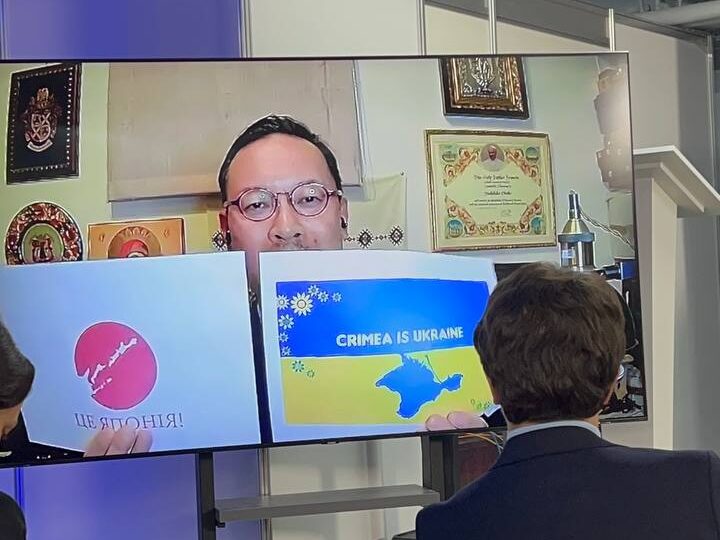
The final segment of the forum featured a HARDtalk What Can Be Done to Make Crimea’s Issue Resonate Louder? An Outside Perspective. The session included international experts, such as French journalist Stéphane Siohan; British scholar, philologist, and historian Jade McGlynn; Professor Yoshihiko Okabe of Kobe Gakuin University, Japan (online); and a representative from a Latin American country (online).
We extend our gratitude to all participants for their engagement in the topic of the resistance movement, their dedication to Ukraine’s territorial integrity, and their commitment to the liberation of Crimea from occupation!