07 October 2025
At the International Forum on Cultural Diplomacy, the “Wave / Dalğa” Award for the Promotion of the Ukrainian and Crimean Tatar Languages Was Presented for the First Time
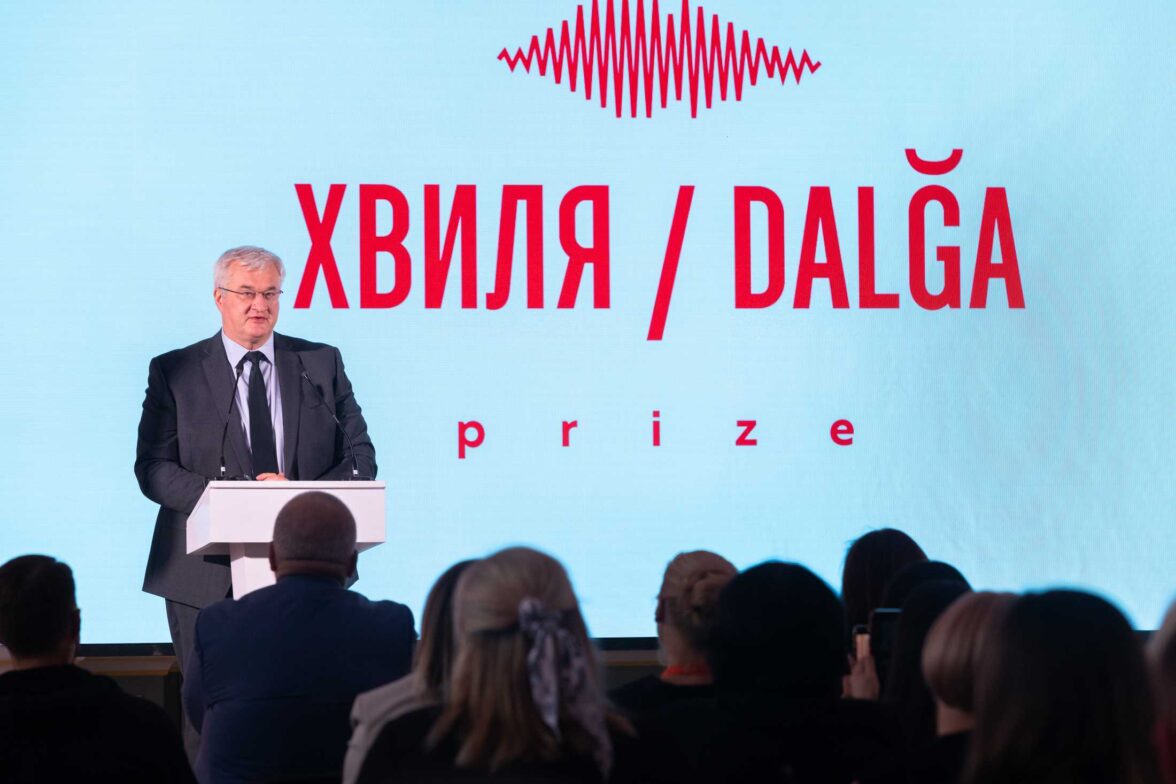
On October 6, as part of the framework of the International Forum of Cultural Diplomacy organized by the Ukrainian Institute with the support of the Ministry of Foreign Affairs of Ukraine, the establishment and first presentation of the Wave / Dalğa Award for the Promotion of the Ukrainian and Crimean Tatar Languages Worldwide took place. A total of 44 nominees from 18 countries competed for the award.
The first laureates of the Wave / Dalğa Award were:
Marta Jenkala — Lecturer in Ukrainian at University College London;
Nariye Seydametova — Lecturer in Crimean Tatar at the University of Istanbul.
Opening remarks were delivered by Andrii Sybiha, Minister for Foreign Affairs of Ukraine; Alim Aliev, Deputy Director of the Ukrainian Institute; Refat Chubarov, Head of the Mejlis of the Crimean Tatar People; and Iryna Kliuchkovska, Chair of the Award Jury and Director of the International Institute of Education, Culture, and Diaspora Relations at Lviv Polytechnic National University.
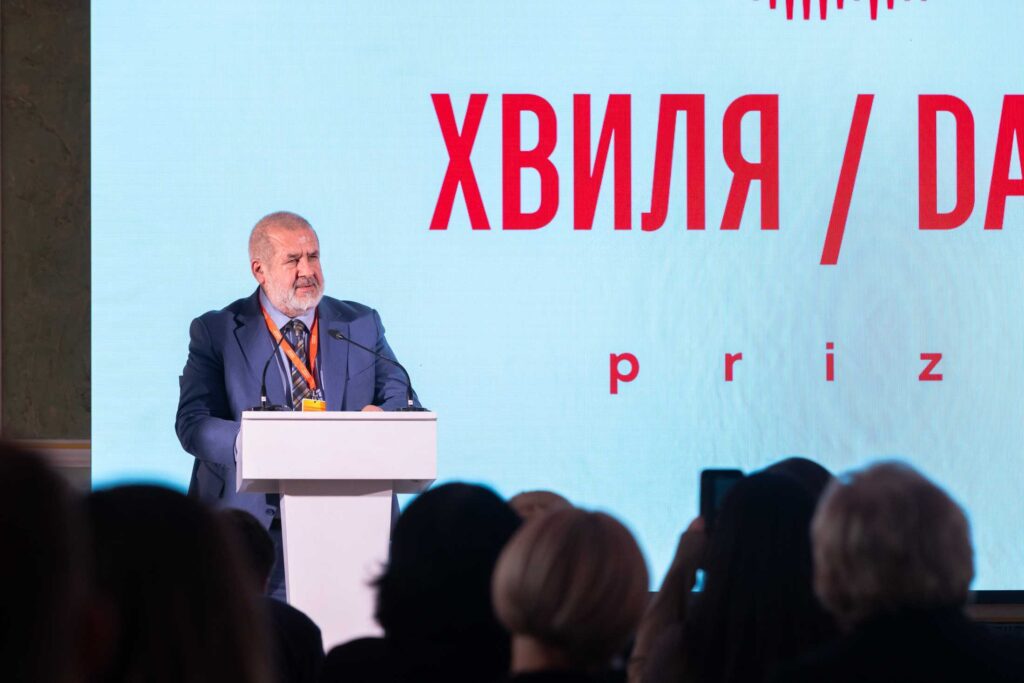

The ceremony was moderated by TV presenter Vadym Karpiak and journalist Gulsum Khalilova.
In his address, Andrii Sybiha emphasized the importance of establishing this award as part of the broader effort to preserve and support the Crimean Tatar language:
“In today’s realities, strengthening Ukrainian and Crimean Tatar cultures means reaffirming our roots and our identity — and language is the fundamental element of that identity.”
Alim Aliev noted that each year sees a growing number of events, initiatives, and individuals who give new voice to Ukrainian and Crimean Tatar culture — developing their languages, translating, publishing books, and creating music and films in their native tongues:
“We are doing everything to ensure that the Ukrainian and Crimean Tatar word continues to resonate around the world.”
Iryna Kliuchkovska highlighted the role of all Ukrainians — soldiers, teachers, volunteers, and cultural figures — who, over recent years, have worked tirelessly to make the Ukrainian language heard across the globe — in schools, research centers, military units, and on world stages.
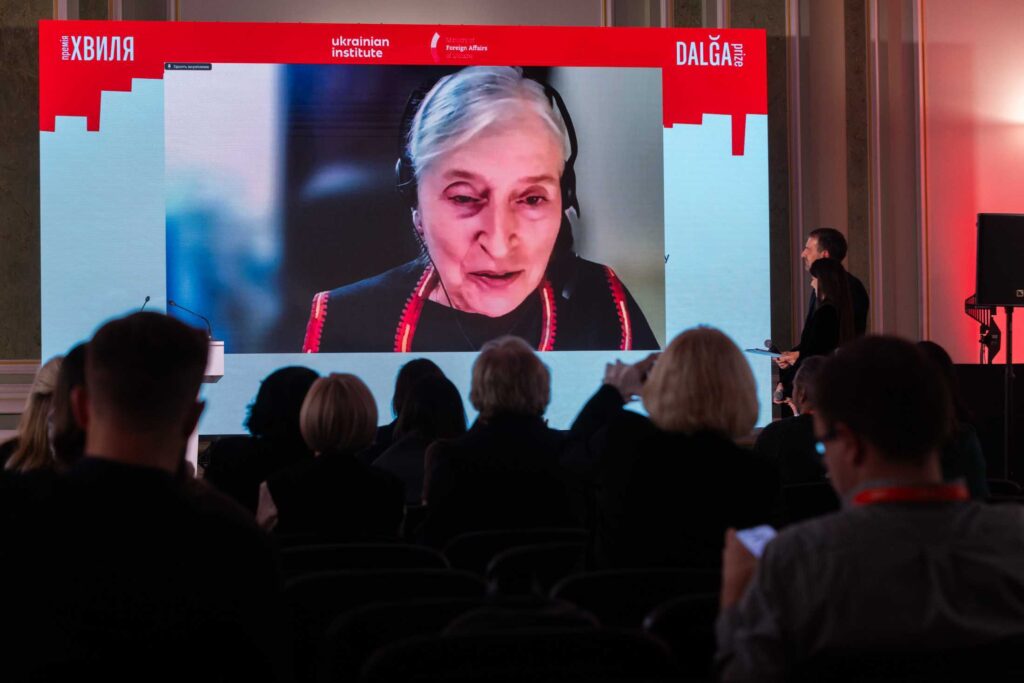
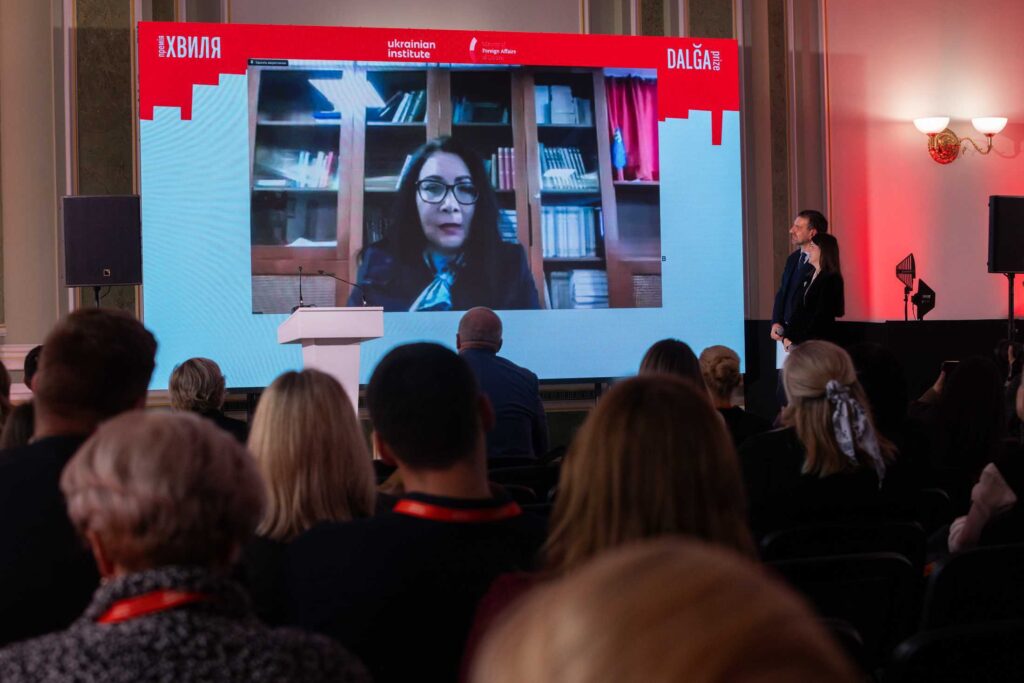
Refat Chubarov spoke about the challenges of reviving the Crimean Tatar language after years of repression. He emphasized the state’s contribution to this process and underscored the importance of returning the language to the Latin alphabet, despite Russia’s complete ban on the study of the native language in occupied Crimea:
“The development and functioning of Ukraine’s state language, and the revival of the languages of Ukraine’s Indigenous peoples, are all acts of protection — our kalqan, our shield. As long as we safeguard it, we will endure.”
The ceremony concluded with a performance by the Kyiv Camerata Orchestra.