19 November 2024
A Discussion on Ukraine’s Resilience Amid War Held at the Crimea Platform Office with Over 20 Guests from Africa, Asia, and Latin America
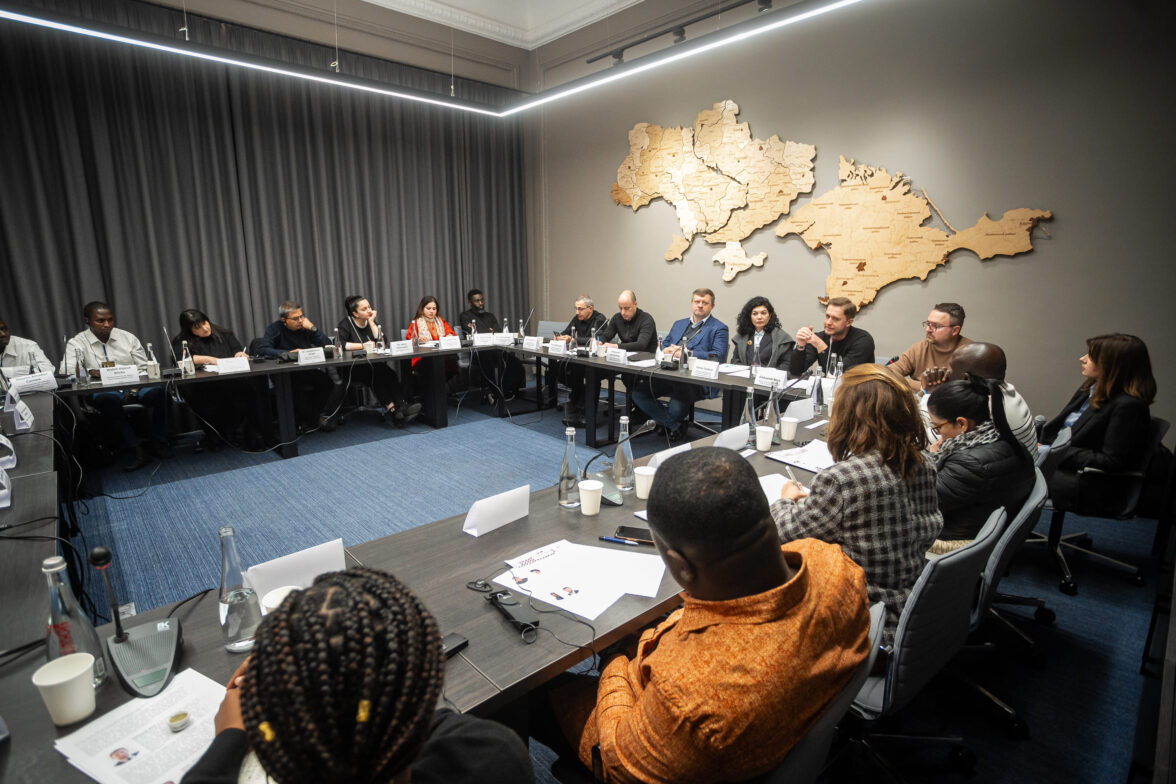
At the Crimea Platform Office, a discussion titled “In the Turmoil of War: How the Ukrainian State Sustains” took place. During the event, Ukrainian officials and representatives from various branches of government shared their perspectives on how Ukraine is countering Russian aggression and what makes the Ukrainian state and society resilient in the face of contemporary challenges and threats.
Participants included the Permanent Representative of the President of Ukraine in the Autonomous Republic of Crimea, Tamila Tasheva; First Deputy Speaker of the Verkhovna Rada of Ukraine, Oleksandr Korniienko; Adviser to the Head of the Office of the President of Ukraine, Oleksandr Bevz; Ambassador-at-Large of the Ministry of Foreign Affairs of Ukraine, Anton Korynevych; Head of the Department for Countering Crimes Committed in the Conditions of Armed Conflict at the Office of the Prosecutor General of Ukraine, Yurii Belousov; and Head of the Department of International Legal Cooperation at the Office of the Prosecutor General, Zurab Adeishvili. The discussion was moderated by Olena Removska, journalist and host at Suspilne Broadcasting.
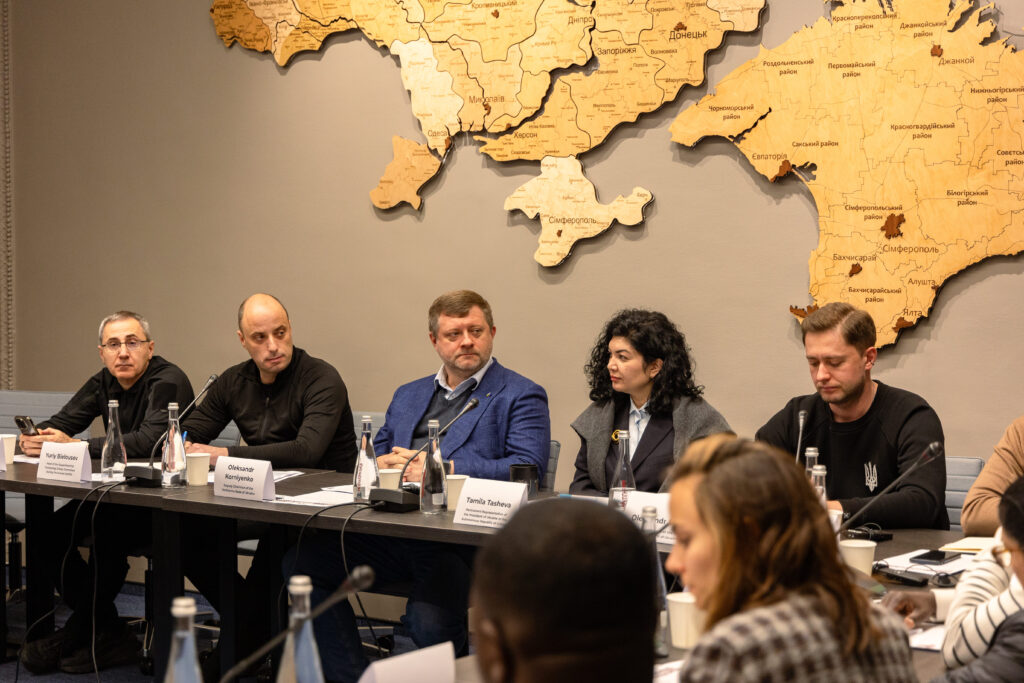
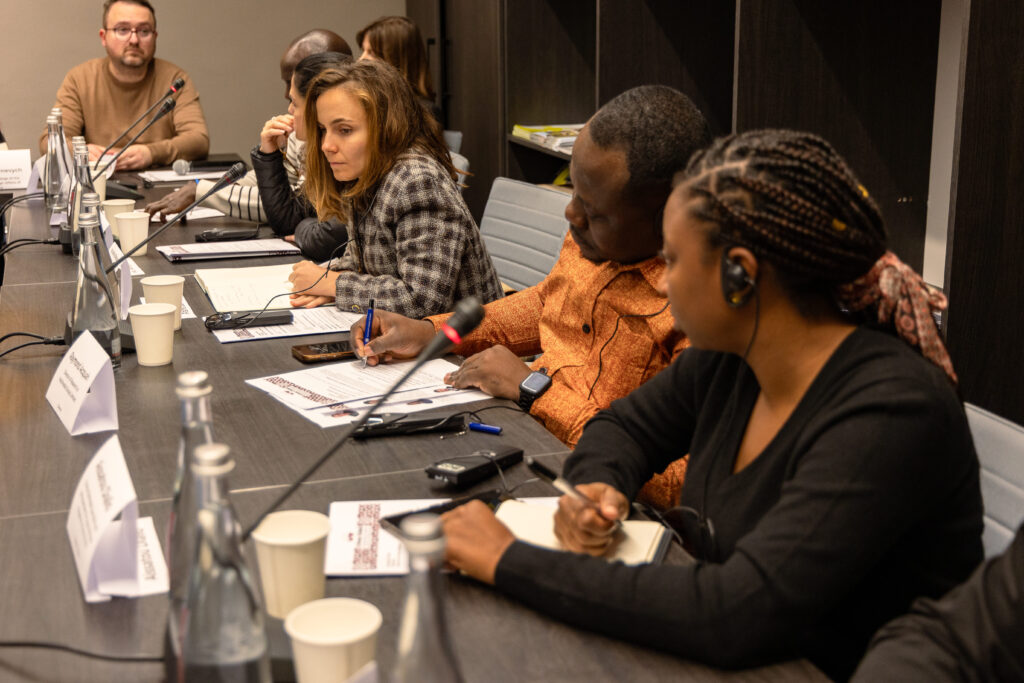
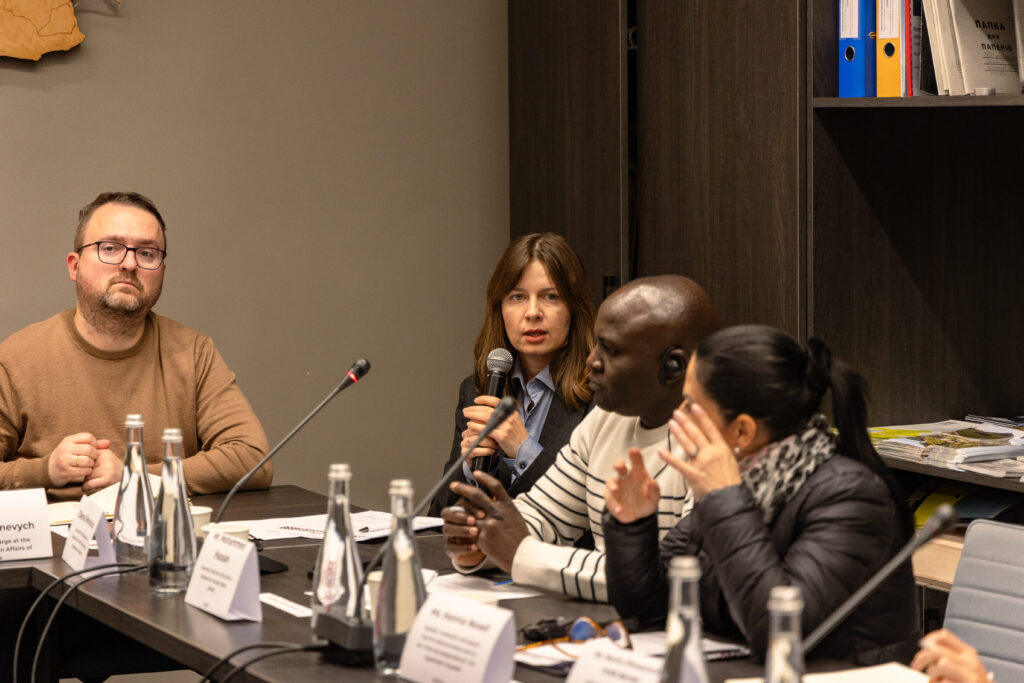
Leading journalists, experts, and opinion leaders from India, Kenya, Brazil, Sudan, Iraq, and Mexico, visiting Ukraine to participate in the Second Conference, Crimea Global. Understanding Ukraine through the South, were briefed on the challenges caused by Russia’s aggression against Ukraine. A delegation of journalists from African countries, whose visit was organized by the Ministry of Foreign Affairs of Ukraine, also joined the event.
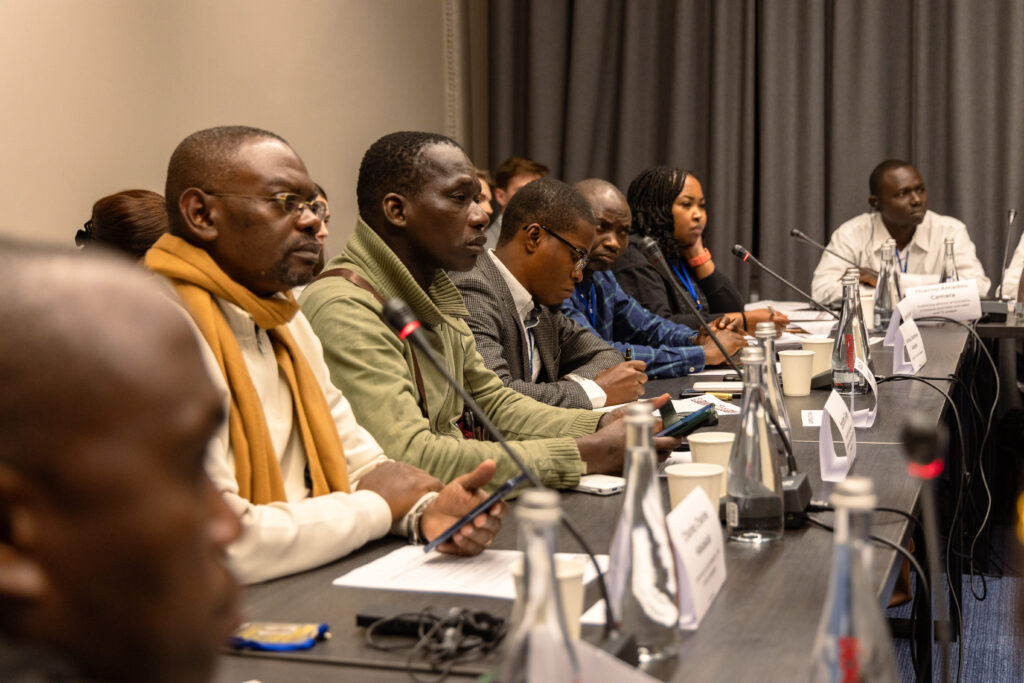
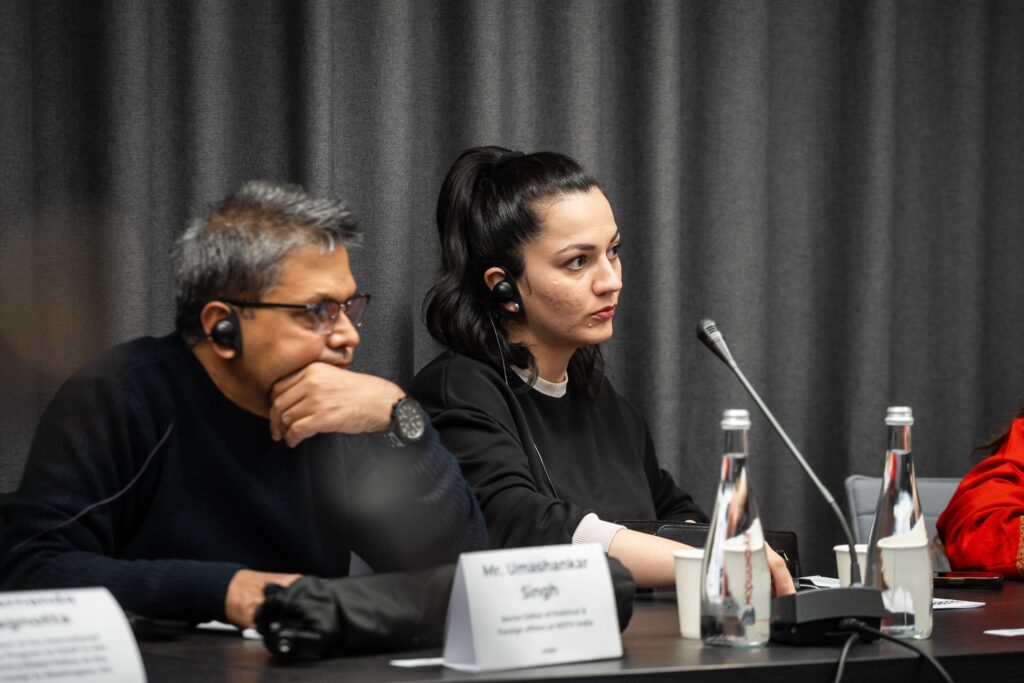
Speakers provided participants with insights into Russia’s crimes and the global challenges arising from the war, particularly in the areas of food security and the humanitarian crisis. They emphasized the importance of consolidating international efforts to counter Russian aggression and the necessity of holding the aggressor state accountable for its crimes.
First Deputy Speaker of the Verkhovna Rada of Ukraine, Oleksandr Korniienko, informed international guests about the recent massive missile and drone attacks on Ukraine, referencing the tragic events in Sumy and Odesa. He also noted that November 19 marks 1,000 days since the beginning of the full-scale invasion. Oleksandr Korniienko highlighted the role of parliamentary diplomacy in strengthening Ukraine’s cooperation with countries in Africa, Asia, and Latin America.
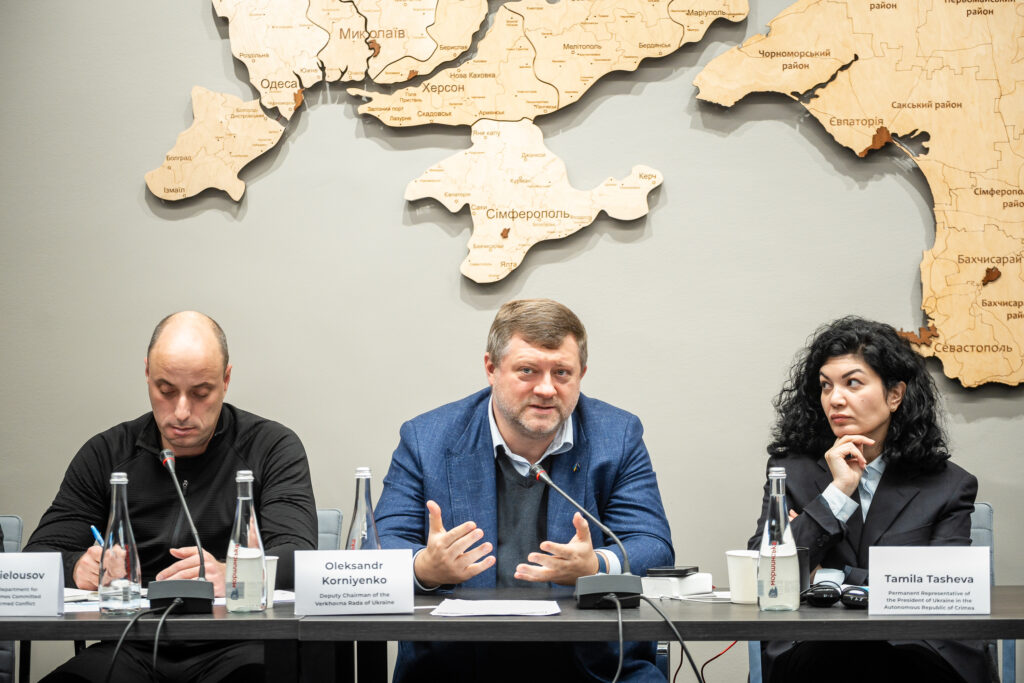
Tamila Tasheva, Permanent Representative of the President of Ukraine in the Autonomous Republic of Crimea, emphasized that Russia’s war against Ukraine began with the occupation of Crimea in 2014, from where the aggressor state initiated its crimes before extending them to newly occupied territories.
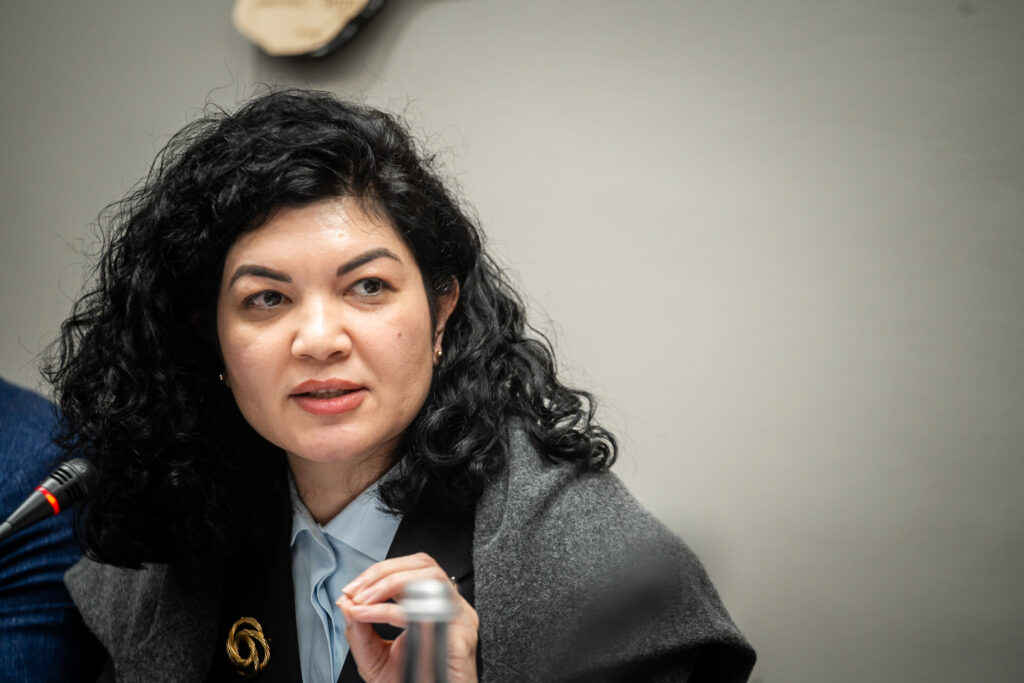
“Illegal detentions, persecution, arrests, the deportation of children, the colonization of territories, and the unlawful transfer of people—these are the atrocities Russia is currently committing in the occupied territories. We always state that the war started in Crimea, and it must end in Crimea. The return of all our territories is the key to a just peace. And we are not only speaking about liberating our land but also about freeing our people who are waiting for Ukraine and resisting the occupiers,” noted Tamila Tasheva.
Oleksandr Bevz, Head of the Security and Defense Department of the Office of the President of Ukraine, said that Russia continues to behave like a colonial power, trying to impose its will on Ukraine and determine its future. He emphasized that support for Ukraine is based on the universal values of freedom and justice. Addressing the international community, Mr. Bevz stresses the importance of reforming organizations that are currently unable to effectively counteract aggression and warned against the consequences of ignoring the threats posed by Russia.
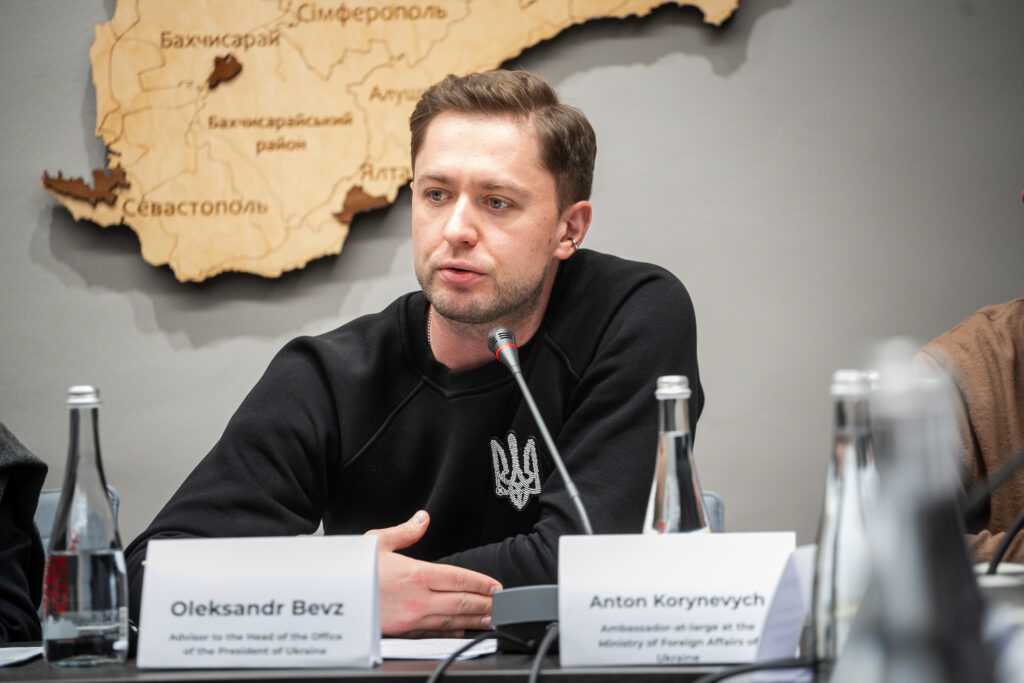
“Russia perceives Ukraine as a colony and thinks that it can determine our fate, but the world must realize that concessions to the aggressor only push it to new crimes,” said Oleksandr Bevz.
Ambassador-at-Large of the Ministry of Foreign Affairs of Ukraine Anton Korynevych emphasized the critical need to ensure accountability of the Russian Federation for numerous violations of international law committed against Ukraine and other states. He emphasized that the international community should implement a comprehensive accountability mechanism.
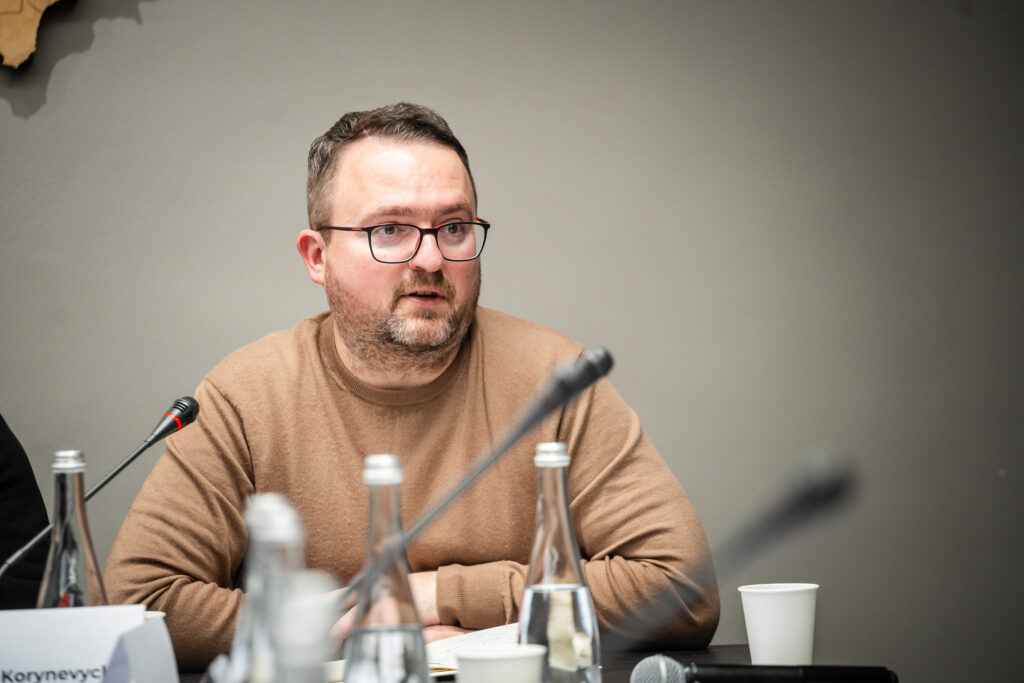
“If Russia’s aggression goes unpunished, it will send a signal to other dictators that such crimes may not be tolerated by the international community,” emphasized Anton Korynevych. He emphasized the importance of international cooperation, including support from Latin American, African, and Asian countries, to establish the Special Tribunal and achieve justice.
Yurii Belousov, Head of the Department for Combating Crimes Committed in the Context of Armed Conflict of the Office of the Prosecutor General of Ukraine, said that Russia systematically commits war crimes against Ukraine, including attacks on civilian infrastructure, cultural monuments, acts of violence, deportations and the destruction of our identity. He emphasized that Russian propaganda, which tries to diminish Ukrainian history, culture, and language, is part of a centuries-old policy of colonialism.
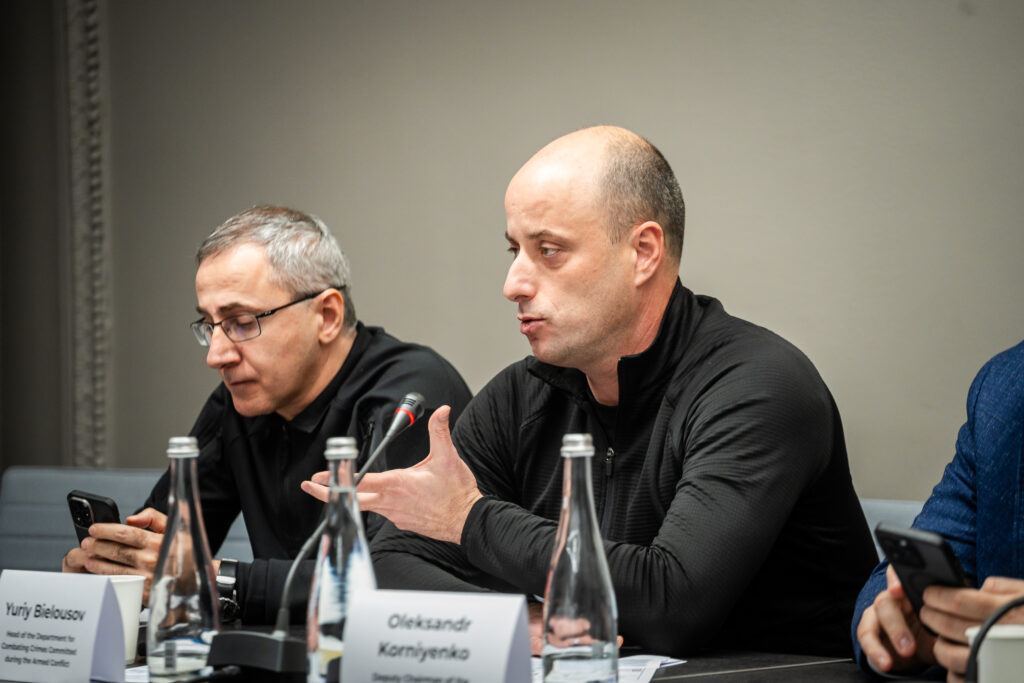
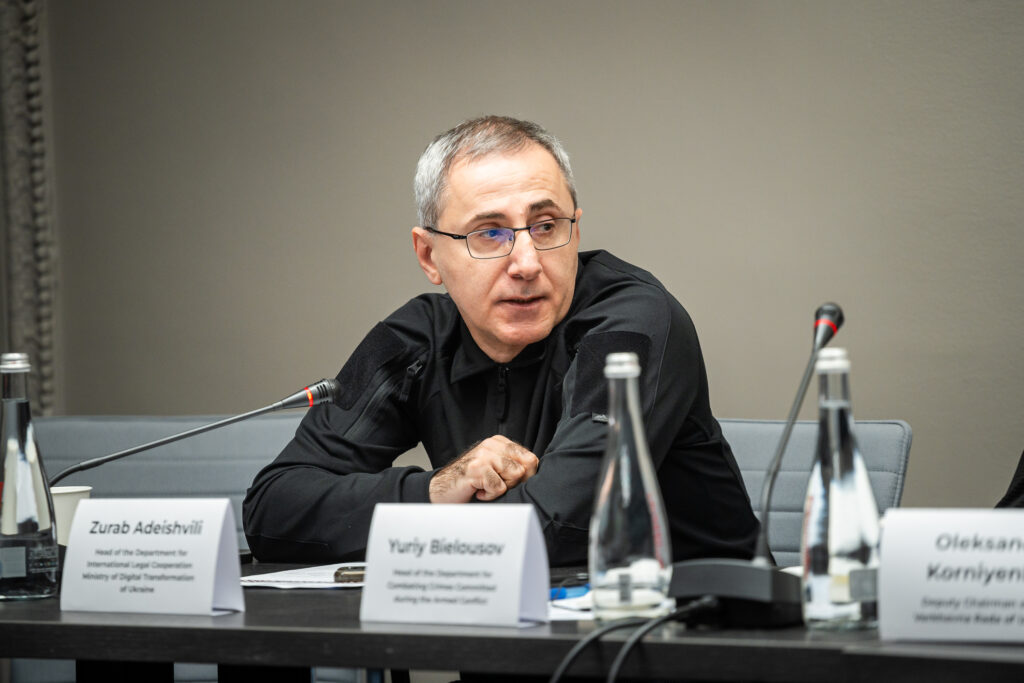
Zurab Adeishvili, Head of the International Legal Cooperation Department of the Prosecutor General’s Office, drew attention to the importance of international cooperation in investigating and prosecuting Russia for crimes committed against Ukraine. He emphasized that Ukraine is actively cooperating with countries such as Poland, Slovakia, Latvia, and international organizations to collect evidence, exchange information, and document cases of deportations, infrastructure destruction, and other crimes.
The guests were interested in the mechanism of bringing Russia to justice for international crimes, the position of various non-Western countries on their role in achieving peace and maintaining international order, the prospects for relations between Ukraine and countries in Africa, Asia, and Latin America, and the prospects for reforming international structures to ensure their ability to ensure international security.
On November 21-22, participants will gather at the same venue to discuss current challenges and prospects for cooperation between Africa, Asia, Latin America, and Ukraine. Crimea Global 2024 is a unique and large-scale event aimed at sharing experiences and visions between different countries, disseminating information about Ukraine, including Crimea as an integral part of it, and promoting the Peace Formula.
Photo: Artem Galkin, Kateryna Doroshenko