24 October 2024
The First Part of the Plenary Session Was Held Within the Framework of the Third Parliamentary Summit of the Crimea Platform
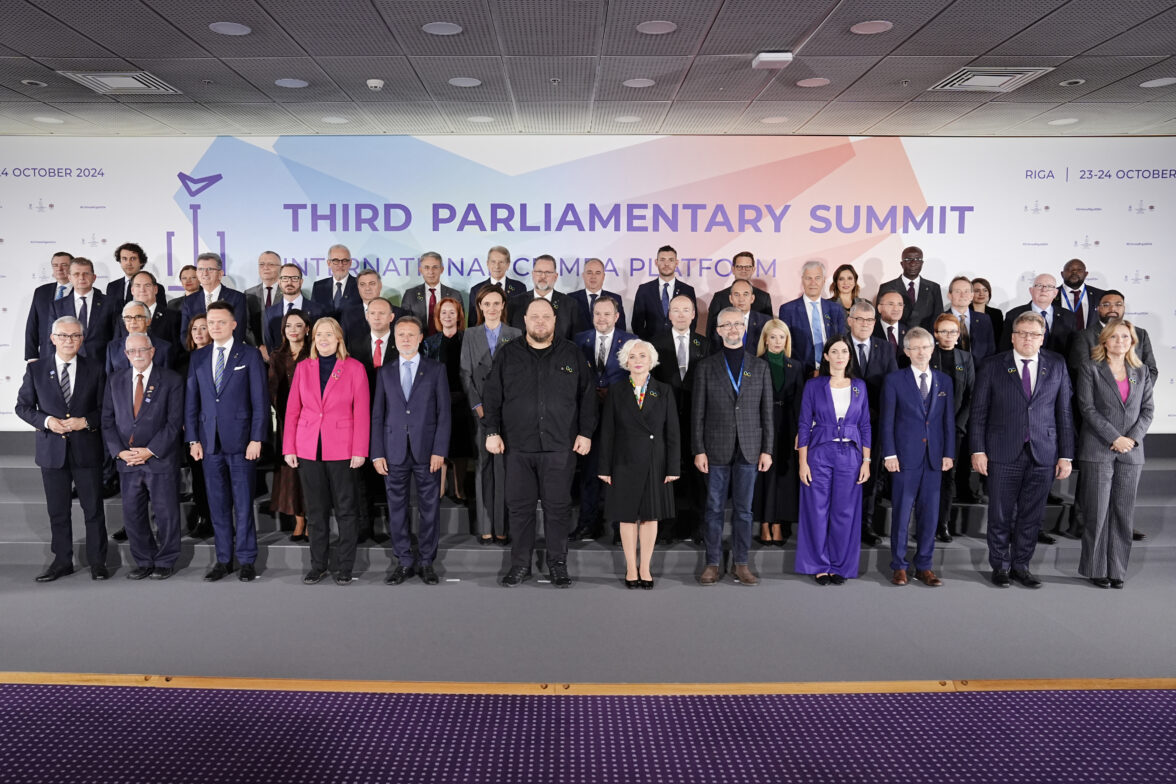
The first part of the Plenary Session was held within the framework of the Third Parliamentary Summit of the Crimea Platform. The plenary session began with a speech by Bohdan Bernatskyi, the Crimea Platform Expert Network representative, who highlighted the issues related to sanctions and their political dimension.
“Thanks to hard work and consistent support, we can see that a large number of Russian propagandists, war criminals, and industrial complex workers are affected by sanctions,” Bohdan Bernatskyi emphasized.
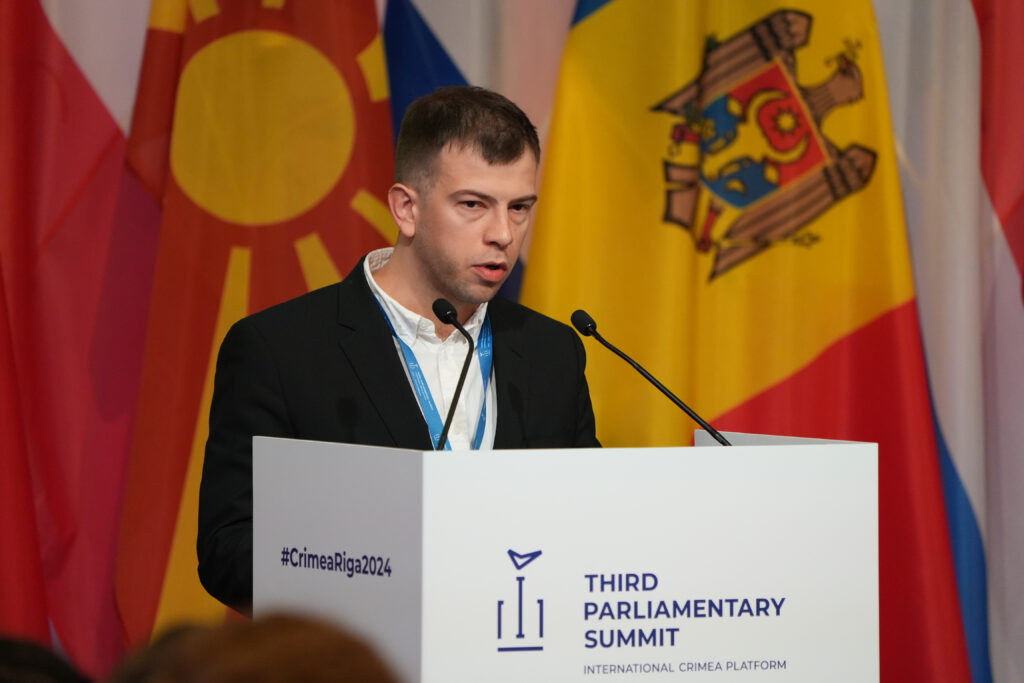
The representative of the Expert Network emphasized the need to strengthen sanctions policy at the parliamentary level and called for intensified cooperation with the countries of the Global South to encourage them to adopt legislative measures aimed at supporting sanctions against Russia. He also noted that both personal and sectoral sanctions should be expanded, making them more targeted and effective in achieving strategic goals.
The Speaker of the Chamber of Deputies of the Czech Republic, Marketa Pekárová Adamová, emphasized the importance of continuing to support Ukraine and the occupied territories of Ukraine, including Crimea: “Crimea occupies an important place, and we must do everything possible to keep the topic of the occupation of Crimea in the public eye. We are convinced that we will return freedom to the residents of Crimea.”
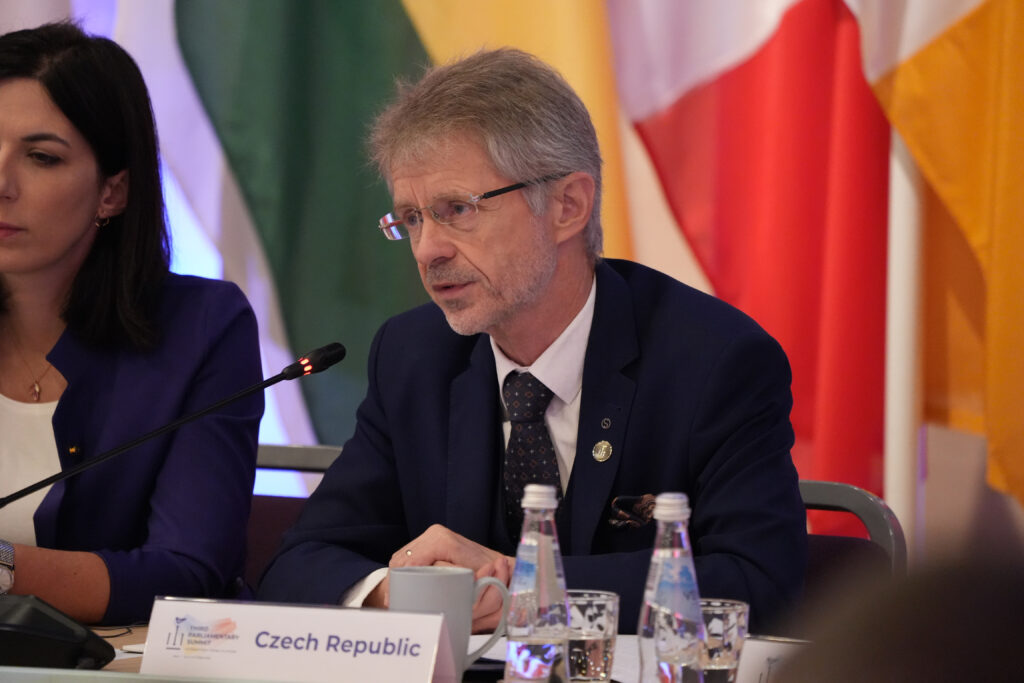
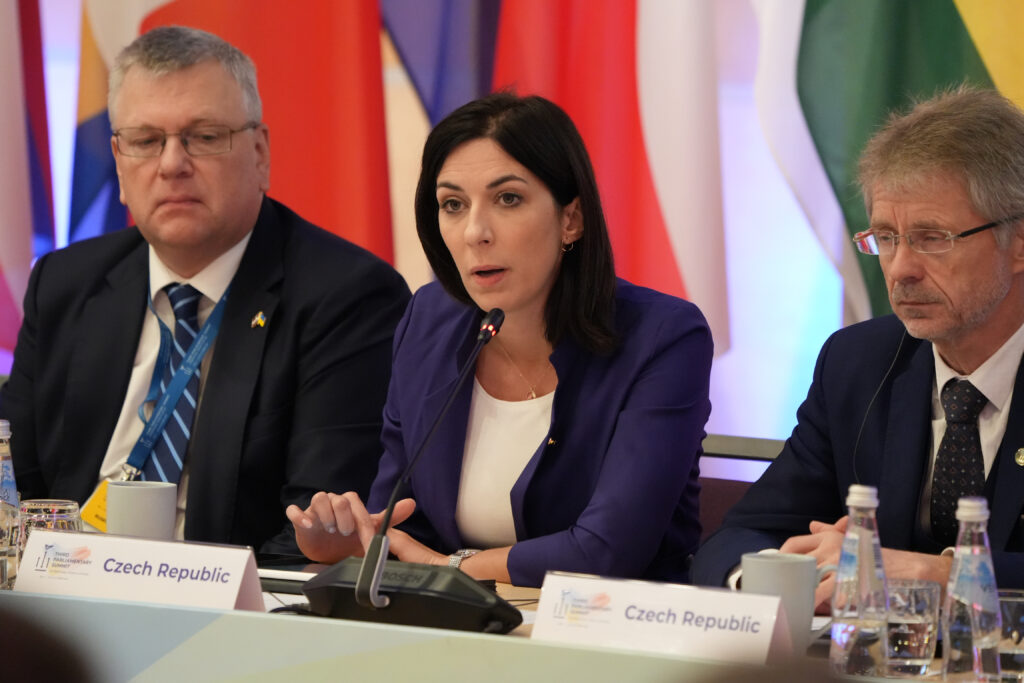
Miloš Vystrčil, the Speaker of the Senate of the Czech Republic, emphasized that 80 years after Stalin’s deportation of the Crimean Tatar people, after 10 years of Russian aggression against Ukraine, almost 3 years after the beginning of Russia’s full-scale invasion of Ukraine, it is time for the international community to recognize its mistakes and reconsider its policy of coexistence and economic ties with non-democratic states such as Russia, and to consolidate its support for Ukraine and the liberation of the occupied territories of Ukraine.
“Ukraine is fighting for all of us, and the future of Ukraine is our future. If Ukraine loses, we all lose,” emphasized Miloš Vystrčil.
Gordan Jandroković, the Speaker of the Parliament of Croatia, took the floor next. He emphasized that in addition to the war in Ukraine, the Kremlin continues to spread disinformation narratives and manipulative information that threatens European values.
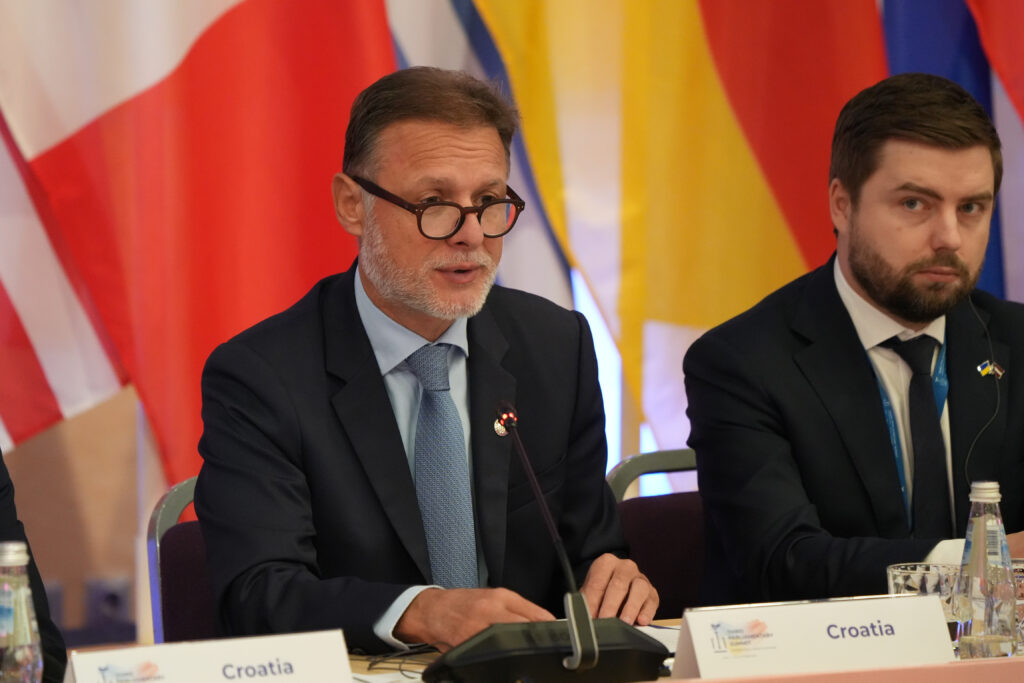
“Authoritarian regimes are actively cooperating. In response, we must strengthen our partnership. Today’s summit is a great opportunity to do so. We must remain strong in our support for Ukraine to protect respect for international law and order,” said Gordan Jandroković, Speaker of the Parliament of Croatia.
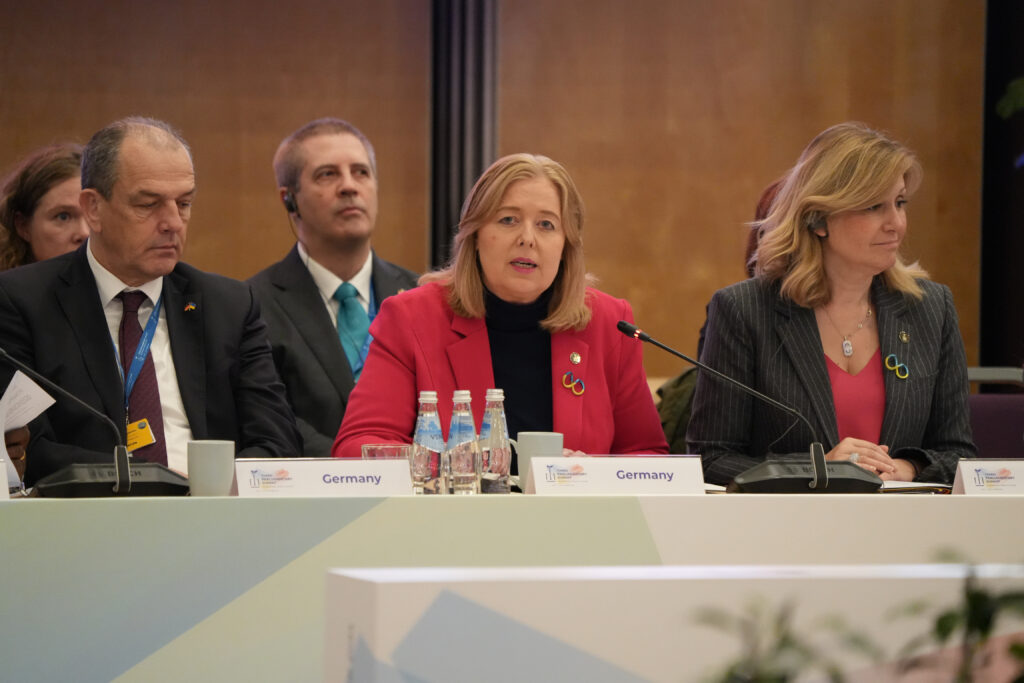
Speaker of the German Bundestag Bärbel Bas emphasized that Russia’s aggressive actions are an attack on both European and international security. She emphasized gross human rights violations by the Russian occupiers, torture, abduction of Ukrainian children and their deportation to Russia, as well as systematic suppression of Ukrainian identity. In addition, the Speaker urged the release of all political prisoners held in Russian captivity.
“The international community has never recognized and will never recognize the occupation of Crimea, which is illegal under international law,” Speaker of the German Bundestag Bärbel Bas emphasized.
In his speech, the Speaker of the Sejm of Poland, Szymon Hołownia, noted that the Russian occupation of Crimea is a violation of international law and that the international community should not remain silent about this crime. He emphasized that world parliamentarians should become the voice of those whom Russia is trying to destroy, in particular the Mejlis of the Crimean Tatar people, which is the representative body of the Indigenous people of Ukraine.
“Crimea is Ukraine; what Russia is doing in Crimea now is a crime against humanity, and what Soviet Russia did in 1944 was genocide,” emphasized Szymon Hołownia.
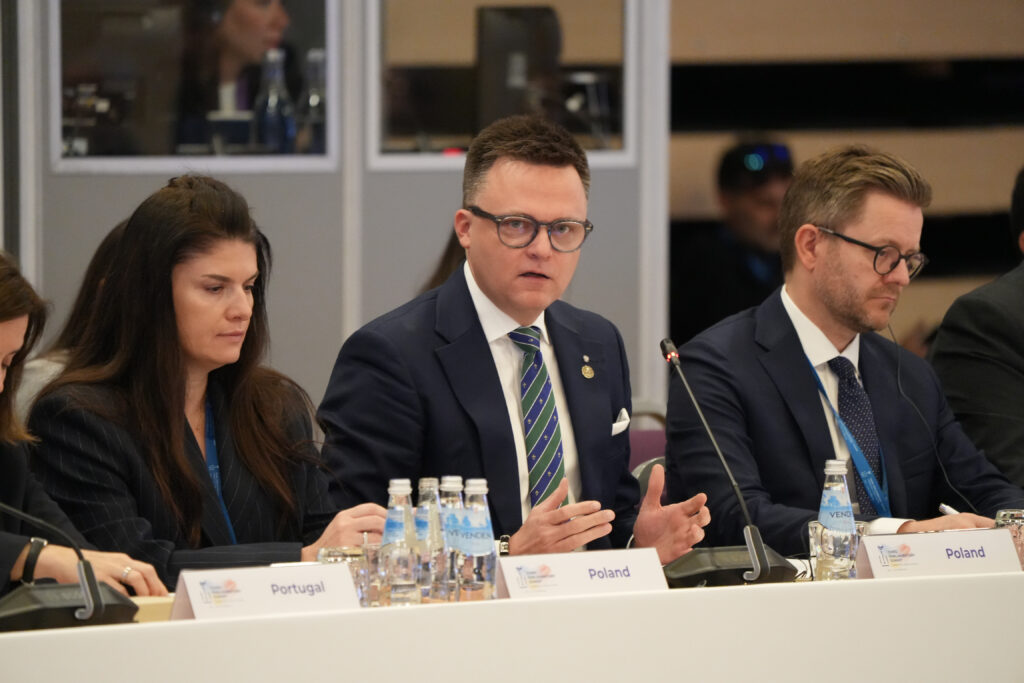
The speaker called on the international community to continue supporting Ukraine, as the security of Europe depends on the security and peace in Ukraine.
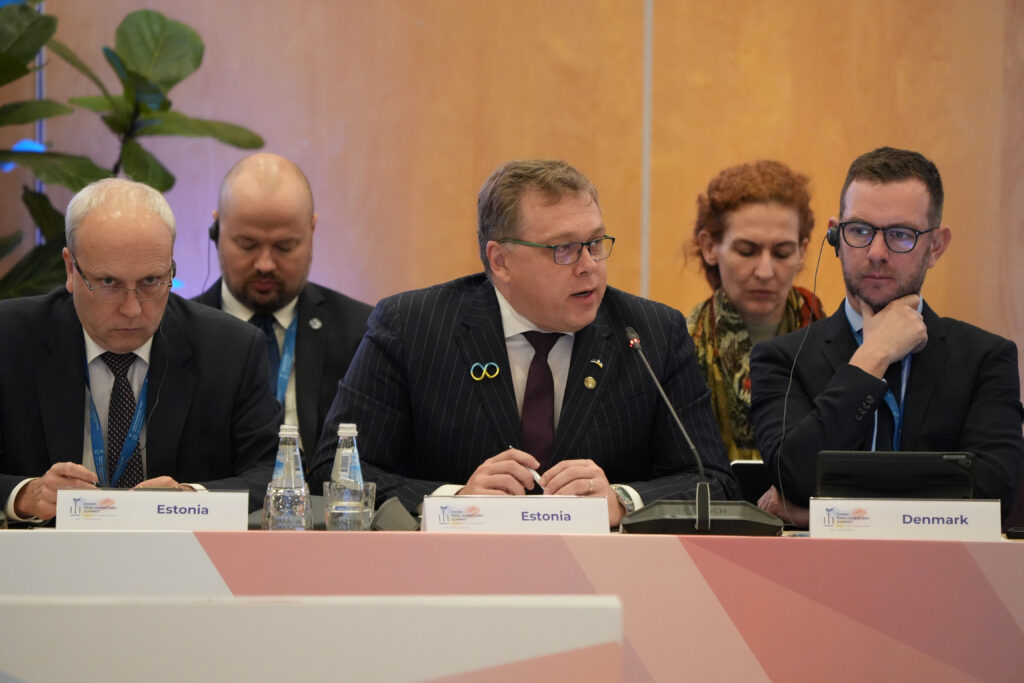
In his speech, Lauri Hussar, Speaker of the Estonian Parliament, emphasized Estonia’s unwavering stance in supporting Ukraine in the military, economic, and political spheres until Ukraine wins the war, and even more until Ukraine becomes a member of the EU and NATO.
“We must overcome the obstacles, such as military, psychological, and practical barriers, that delay Ukraine’s victory. We need to give Ukraine permission to use long-range weapons against legitimate military targets in Russia,” emphasized Lauri Hussar.
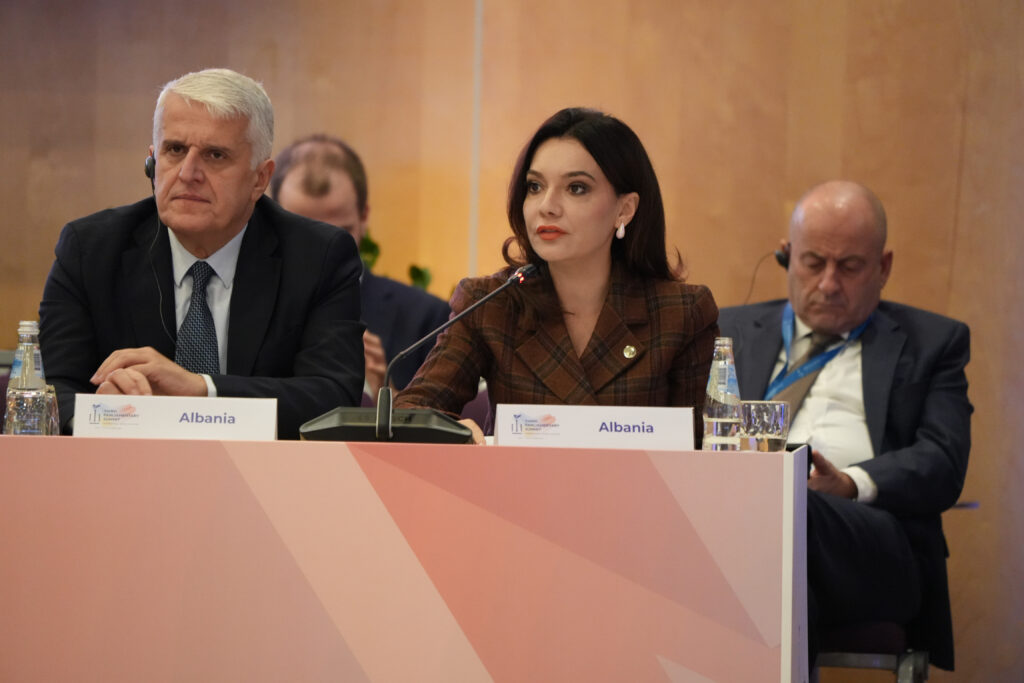
Elisa Spiropali, Speaker of the Parliament of Albania, emphasized the importance of supporting Ukraine’s plan for a just peace to reject the constant threat to common security in Europe and the world.
“Ukraine is fighting not only for its liberation, sovereignty, and territorial integrity but also for the preservation of our shared rules, values, and way of life. These principles are seriously threatened by an authoritarian regime that uses not only military methods but also disinformation, cyberattacks, threats to food security, interference in elections, and other deliberate acts of malice against all of us,” emphasized Elisa Spiropali, the Speaker of the Albanian Parliament.
She also added that Albania has been and remains a reliable partner and one of the first countries to join the sanctions against Russia and provide military equipment to Ukraine.
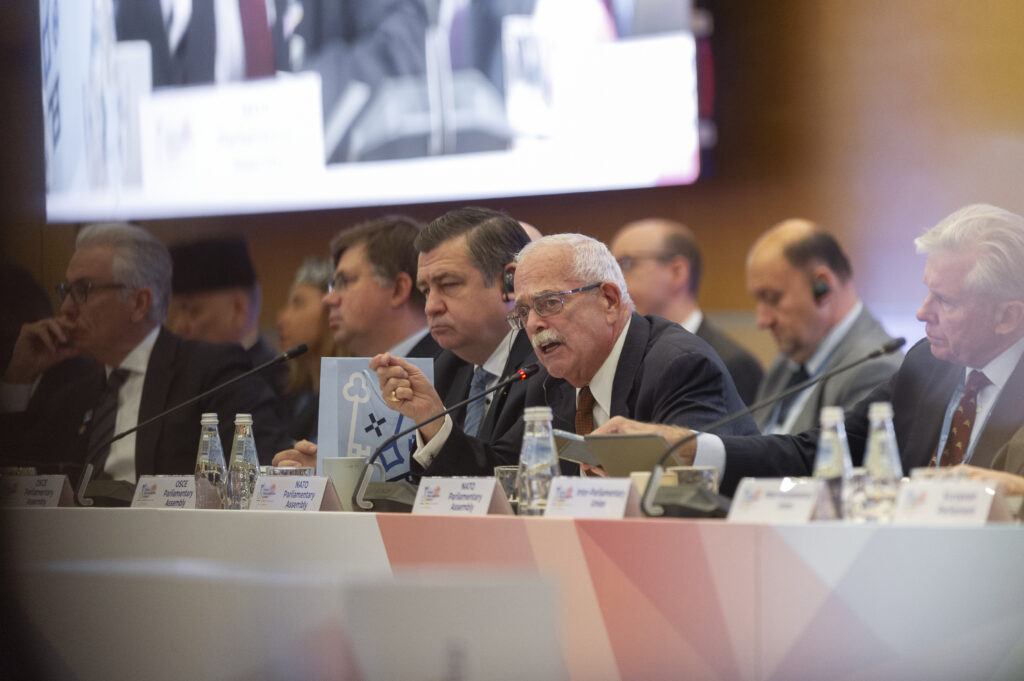
The President of the NATO Parliamentary Assembly, Gerald E. Connolly, reminded that the unwillingness of European states to respond decisively to armed aggression in the 1930s shook the system of collective security in Europe and led to the outbreak of World War II. He warned against repeating this mistake and assured the Euro-Atlantic community would support Ukraine consistently.
“We are telling the depraved sociopathic dictator from the Kremlin: we will not give up! We will stand firmly by Ukraine!” Gerald E. Connolly emphasized.
Yaël Braun-Pivet, Speaker of the National Assembly of France, began her speech with a reminder: “It has been 10 years since Crimea and part of Donbas fell under Russian occupation, 10 years of shameless disregard for the UN Charter. As the name of this Summit reminds us, Russian aggression began long before February 24, 2022.”
The Speaker affirmed France’s unwavering support for Ukraine and emphasized that European democracies back Ukraine’s future in NATO and the EU.
“The world cannot remain indifferent; violations of Ukraine’s territorial integrity and the attack on its sovereignty are unacceptable. What Russia is doing in Ukraine is not just Ukraine’s problem—it is the world’s problem,” stressed José Pedro Aguiar-Branco, the Speaker of the Parliament of Portugal.
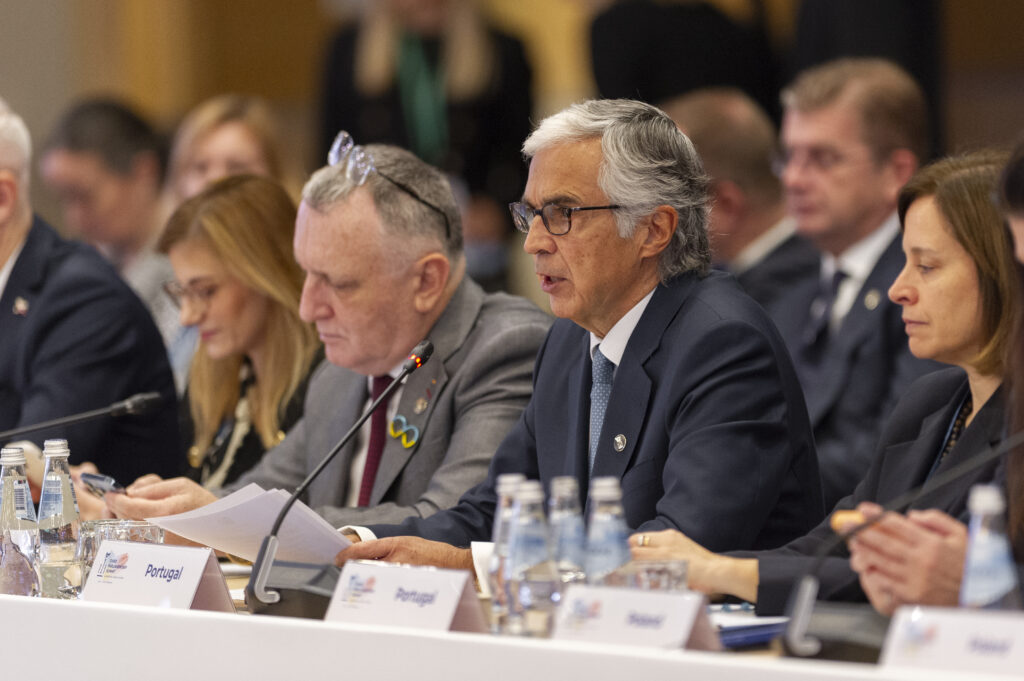
José Pedro Aguiar-Branco highlighted that peace cannot be achieved while part of Ukrainian territory remains occupied, highlighting that Ukraine’s territorial integrity, including the de-occupation of Crimea, is paramount.
Greg Fergus, Speaker of the House of Commons of Canada, emphasized in a video address that Russian aggression extends far beyond Ukraine, making increased international cooperation and the defense of Ukraine critical for the global community. This includes upholding bilateral agreements and strengthening international security institutions to hold Russia accountable.
“The Ukrainian DNA is deeply rooted in Canada, thanks to millions of Ukrainian immigrants who helped build our country. We promise to stand with Ukraine in victory and in recovery—Canada is with Ukraine forever,” Greg Fergus emphasized.
Viktorija Čmilytė-Nielsen, the Speaker of the Seimas of Lithuania, noted that parliamentarians must use every effort to support Ukraine in repelling Russian aggression.
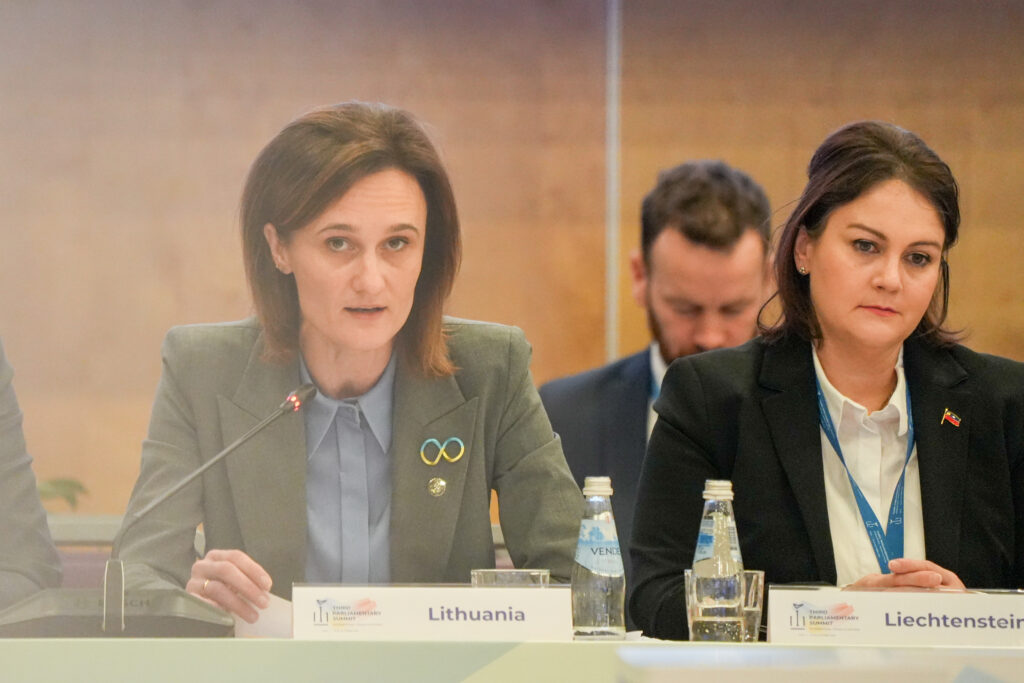
Additionally, the Speaker of the Seimas of Lithuania reminded: “The war started over 10 years ago in Crimea, and it continued with a full-scale invasion in 2022. We understand this, and our countries, alliances, and unions are helping Ukraine. The cost of war is bearable for us; sanctions do not have a decisive effect, but Ukrainians have not only lost their homes—they are holding back the flood of Russian violence. If it weren’t for them, Europe would be drowning in it.”
President of Ukraine Volodymyr Zelenskyy, in a video address, emphasized that the Russian attack on the international legal system began with the occupation of Crimea. He highlighted that the UN Charter is based on achieving real peace, not normalizing war.
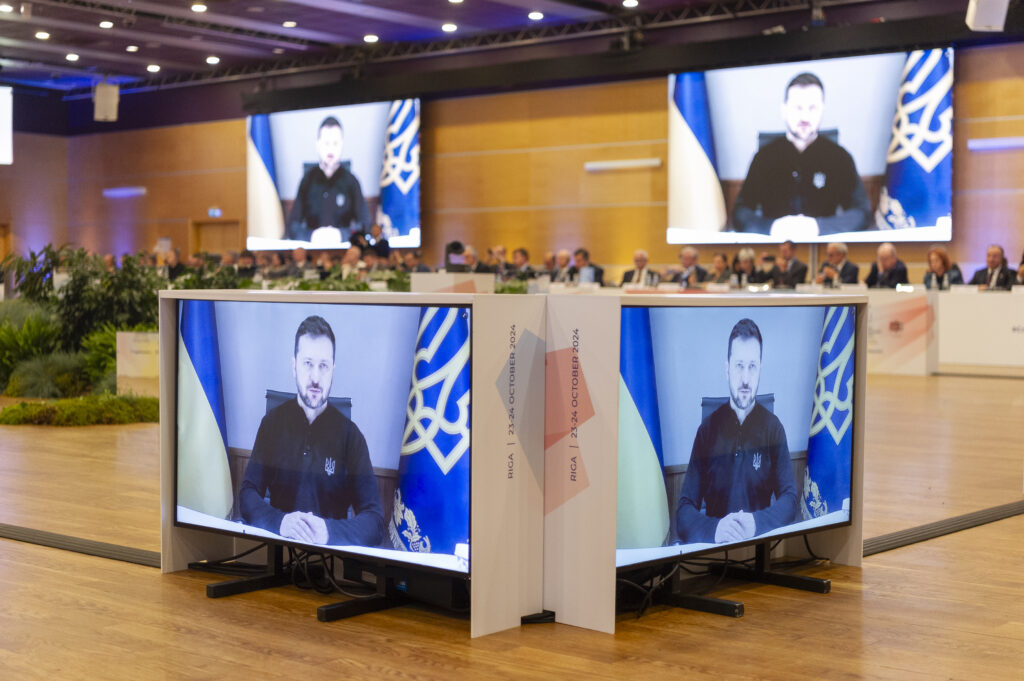
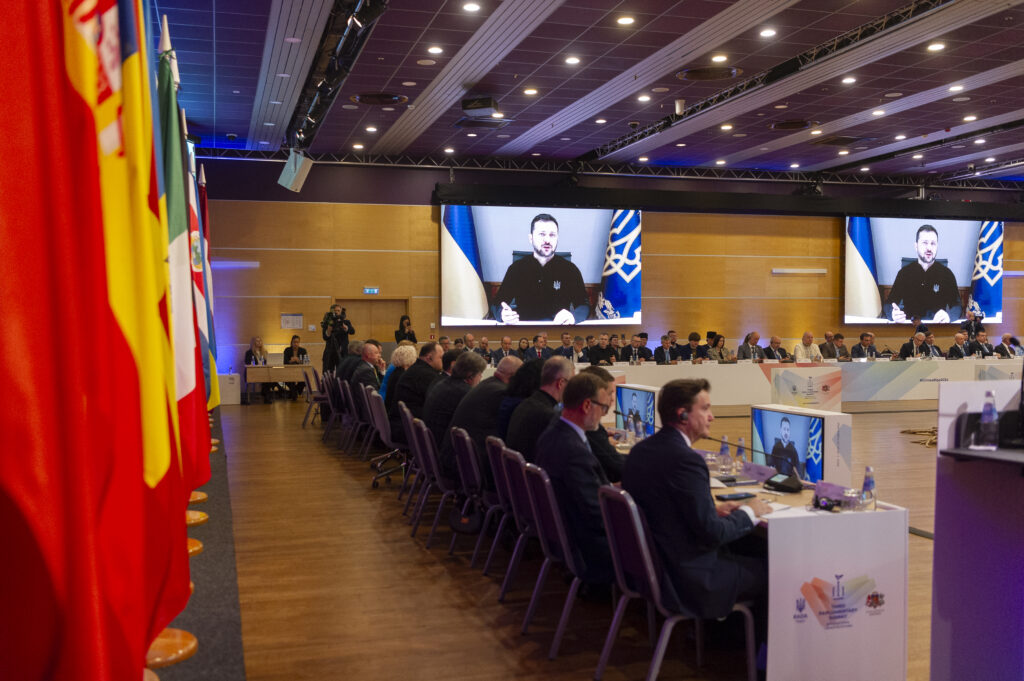
He noted that if the war ends justly, every nation in the world can be confident that the world has the strength and unity to uphold international law. The President of Ukraine stressed that the implementation of the Victory Plan is a crucial step toward achieving peace in Ukraine.
“Nowhere in the world should words like occupation, captivity, and deportation hold power. We must achieve real peace,” emphasized President of Ukraine Volodymyr Zelenskyy.
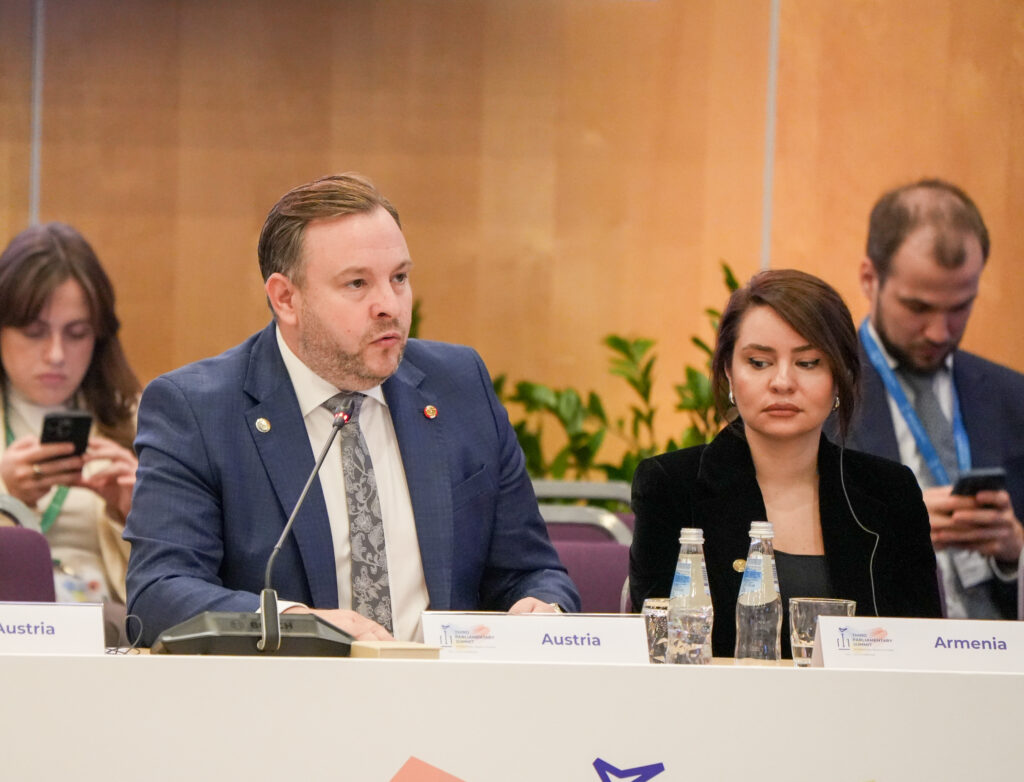
President of the Federal Council of Austria, Franz Ebner, emphasized that while Austria is militarily neutral, it firmly supports Ukraine in its fight against the Russian aggressor and in restoring its sovereignty. Franz Ebner also strongly condemned the human rights violations by the Russian occupation regime in the occupied territories of Ukraine, particularly in Crimea: “We condemn the ongoing militarization of the Crimean Peninsula, forced passportization, the suppression of Ukrainian identity and language, as well as the persecution and discrimination of the Indigenous Crimean Tatar people.”
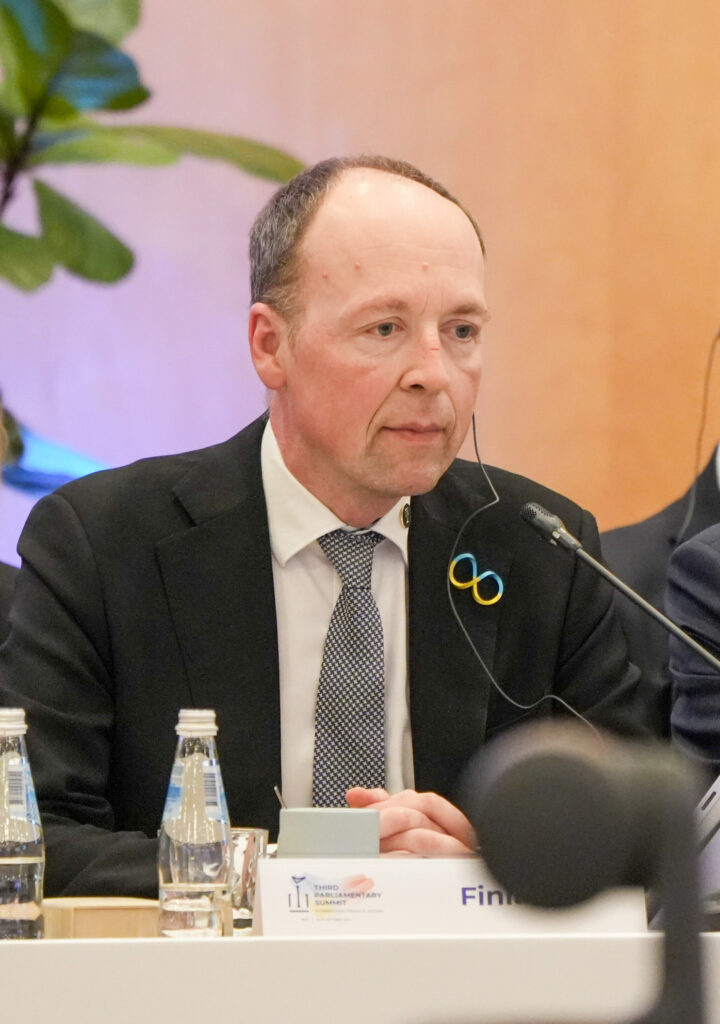
In his speech, Speaker of the Finnish Parliament Jussi Halla-aho reminded that for two years, European leaders have repeated that they will support Ukraine “as long as it takes.” However, he emphasized that words are not enough, as the ultimate goal of supporting Ukraine is victory.
“If we want to end this war and prevent future aggression from Russia, we must make it clear to Putin that time is not on his side, and we will not run out of resources or resolve,” stressed the Speaker of the Finnish Parliament.
In a video address, Speaker of the New Zealand Parliament Gerry Brownlee expressed solidarity in condemning Russian aggression against Ukraine. He emphasized that while New Zealand is geographically distant, it continues to stand with Ukraine in these difficult times. “We reaffirm our commitment to maintaining the rules-based international system that has allowed the free world to thrive economically and socially. That is why it is crucial to see Russia defeated,” noted Gerry Brownlee.
#Crimea #CrimeaPlatform #CrimeaIsUkraine #CrimeaRiga2024