28 August 2025
Ukraine Must Place Greater Focus on the Information Dimension of Support for the Temporarily Occupied Territories, Particularly Crimea
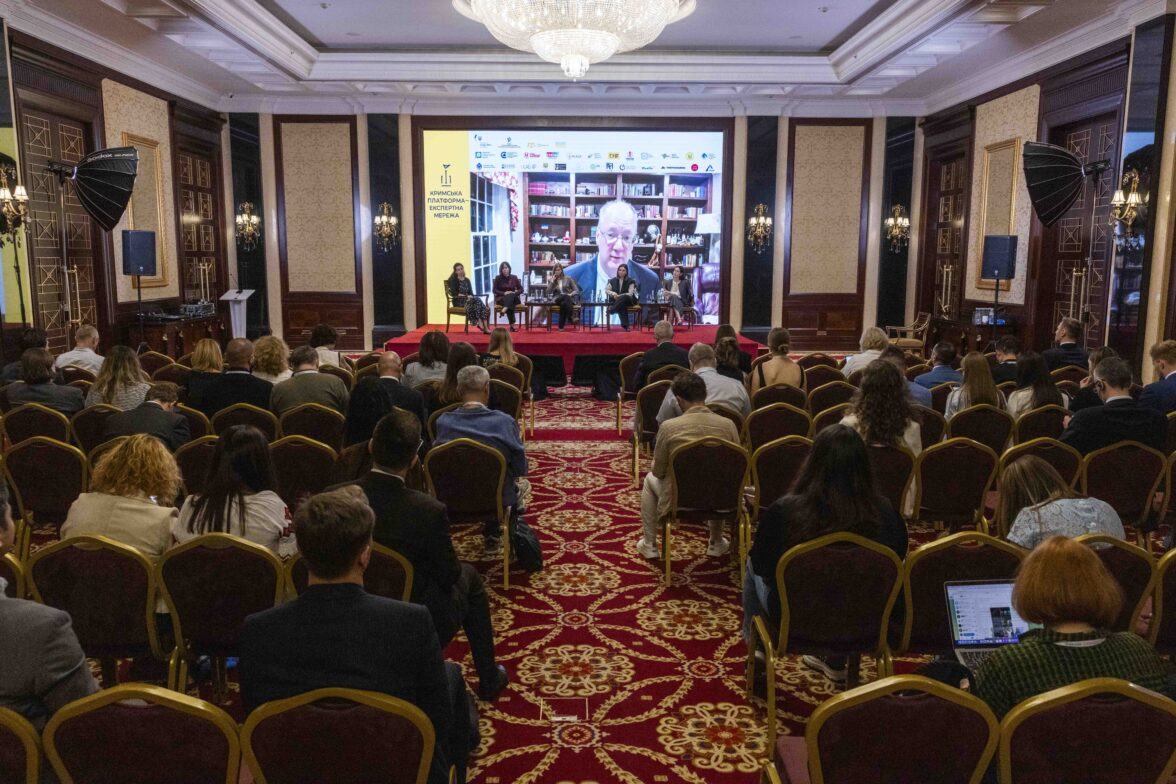
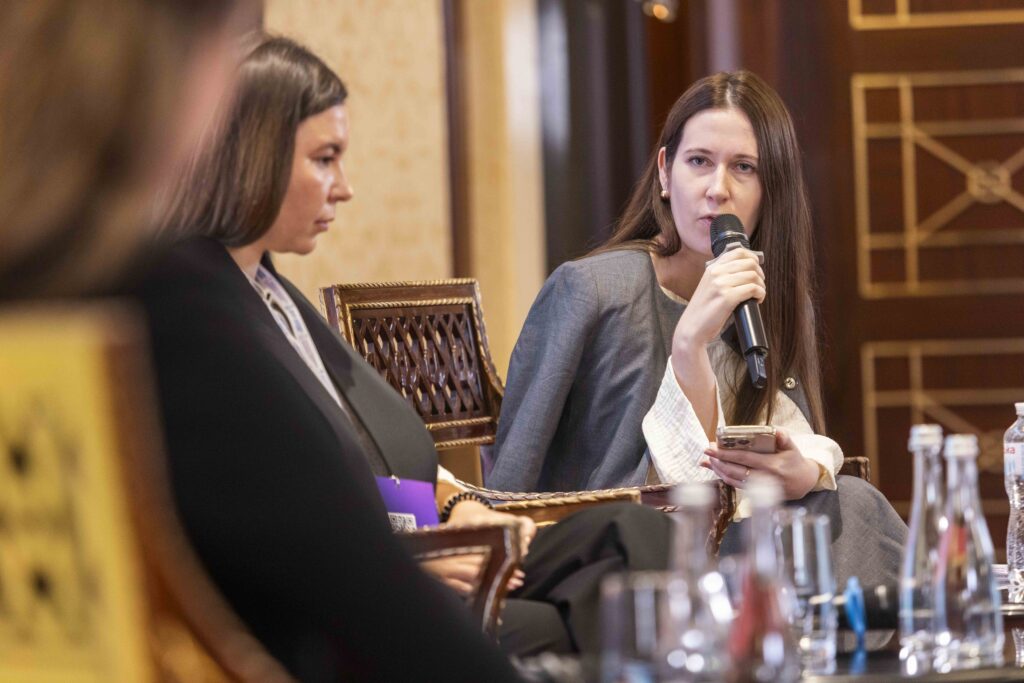
During the second panel discussion, “The Crimean Precedent — A Key to a Just Peace,” experts focused on the consequences of the occupation of Crimea, which in 2014 set a precedent that undermined the foundations of international law and global security. As a result of years of work by the state and the human rights community, the occupation of Crimea — accompanied by large-scale human rights violations and international crimes — has received an unprecedented assessment in numerous decisions of international courts.
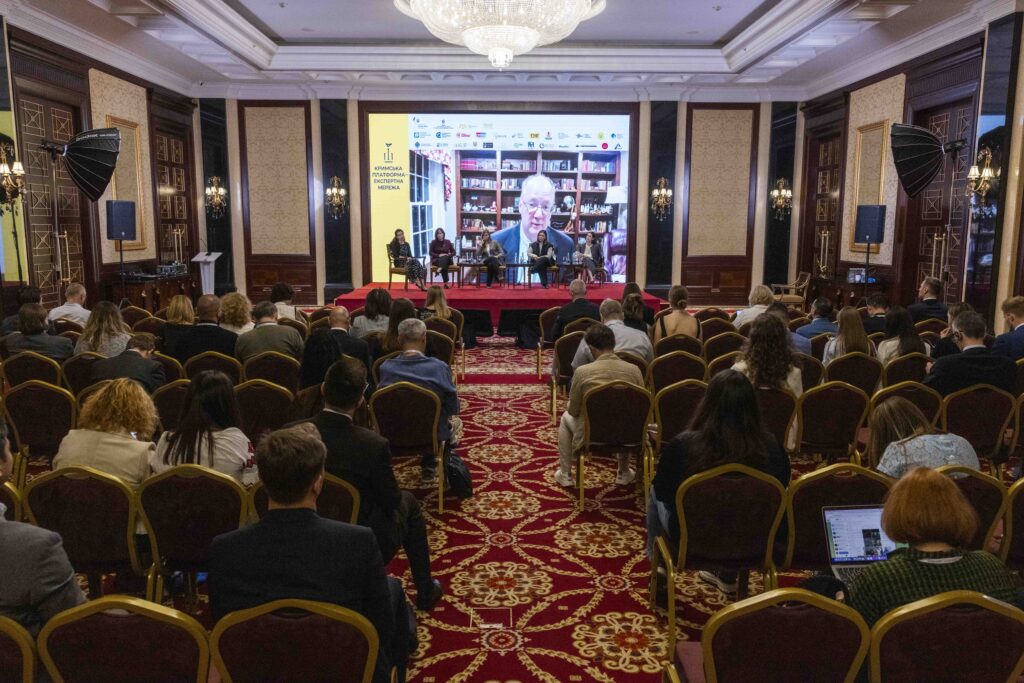
For the first time in history, Ukraine has received a ruling from an international human rights court before the active phase of a war had ended. Kyiv successfully demonstrated in court that Russia forcibly occupies Crimea and continues to commit systematic human rights violations. The European Court’s judgment, issued while hostilities are ongoing, marks an unprecedented precedent in international judicial practice, according to Marharyta Sokorenko, Government Agent for Matters before the European Court of Human Rights, who spoke at the Fourth International Forum of the International Crimea Platform Expert Network.
Olha Kuryshko emphasized that a report is currently being prepared on the most brutal crimes committed by representatives of the occupation administration, including torture and rape as crimes against humanity.
“In cases where the civilian population in the temporarily occupied territories refuses to collaborate with the occupiers, they are subjected to crimes against humanity. These crimes are often senseless — people with power and weapons feel impunity and express it in inhuman ways. But the torture procedure follows the same playbook. We can now say that this is the state policy of russia,” the expert noted.
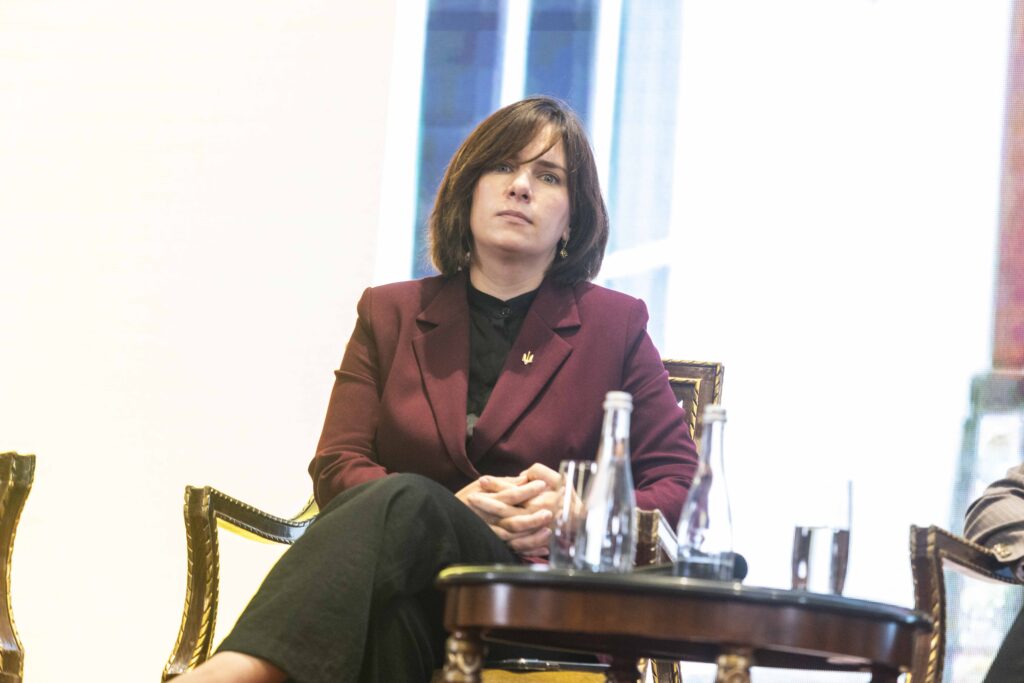
Ukraine needs to modernize and strengthen its information policy regarding russia-controlled territories, as current information across and about these areas remains insufficient. This assessment was made by Maria Krasnenko, an expert on internal displacement and integration, at the Fourth International Forum of the International Crimea Platform Expert Network.
“We need to engage in the information space on a person-to-person level. Now, in the 12th year of russia’s aggression, we are seeing a weakening in the development of policy toward the occupied territories. This trend has been apparent since last fall. The strategic direction that once defined what the state prioritizes has faded, and this will have negative consequences for both reintegration and eventual de-occupation,” Krasnenko said.