07 July 2025
Pre-premiere Screening of the Film “People of Freedom’s Color” Held
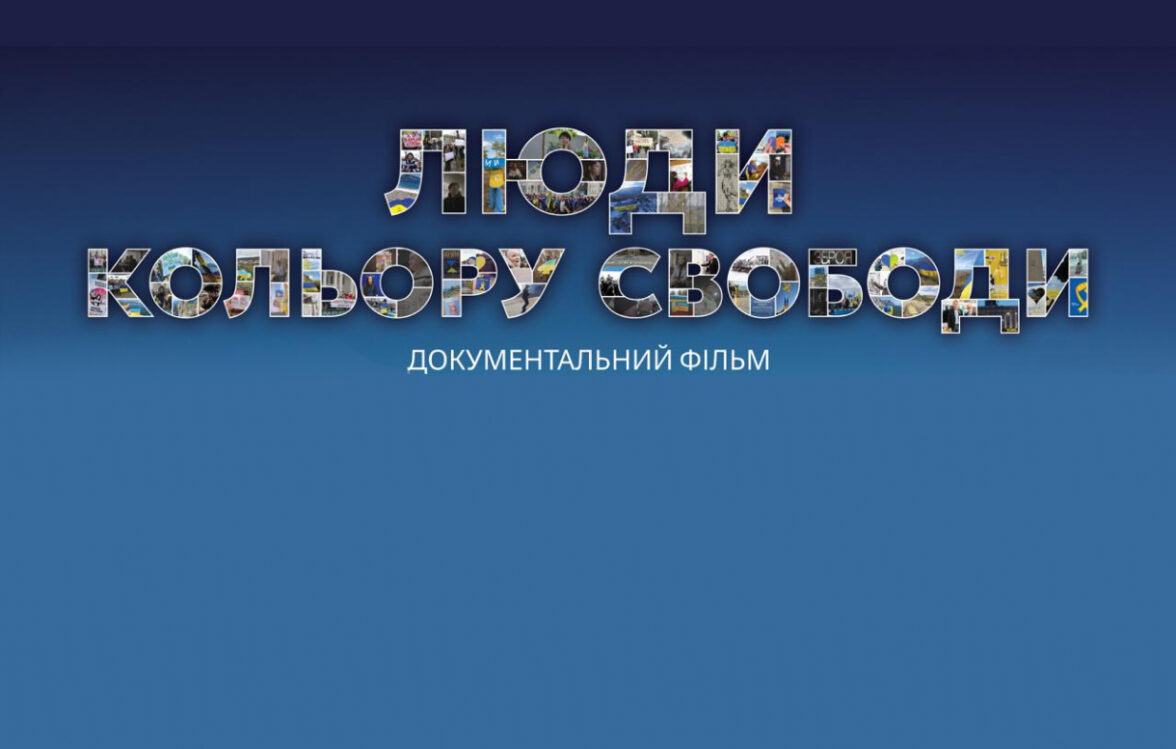
A pre-premiere screening of the film People of Freedom’s Color was held at the National Museum of the History of Ukraine in the Second World War in Kyiv. The documentary tells the story of resistance by residents of occupied Crimea to Russian aggression and occupation. The film was created by the creative team of the NGO Tuteshni with the support of the Special Operations Forces of the Armed Forces of Ukraine and the International Renaissance Foundation. Filming took place from January to March 2025. The screening was accompanied by a portrait exhibition featuring civilian women imprisoned for their pro-Ukrainian stance.
The film highlights numerous tragic stories of individuals affected by Russian aggression. One of the most harrowing cases from the early days of the occupation is that of Reshat Ametov, a Crimean Tatar activist who became the first civilian victim of Russia’s invasion of the peninsula. He was abducted on 3 March 2014 during a solo peaceful protest in central Simferopol, where he publicly opposed the occupation of Crimea. Twelve days later, on 15 March, his body was discovered in the Bilohirsk district bearing signs of brutal torture: multiple injuries, his mouth taped shut, and his eyes gouged out. According to his brother, the fatal blow was inflicted with a knife to the eye area. Reshat Ametov’s story has become a symbol of courage and nonviolent resistance to occupation.
The film sheds light on the harsh reality of life under occupation: one of the first decisions typically imposed by the occupation administration is the automatic recognition of all Ukrainian citizens residing in Crimea as citizens of the Russian Federation. Once forcibly deemed Russian, individuals are required to obtain a Russian passport — without it, living on the occupied territory becomes virtually impossible. This practice is part of a broader strategy: the imposition of a foreign identity and the erasure of Ukrainian and Crimean Tatar resistance, as well as the suppression of cultural and civic space on the peninsula.
A separate section of the film is dedicated to the nonviolent resistance of people who continue to live under occupation. According to the film’s producer and screenwriter, and head of the board of the NGO Tuteshni, Anna Sliusarenko, the team developed a special questionnaire and distributed it through secure channels to give residents of the occupied territories — including Donetsk, Luhansk, Sevastopol, Kherson, Melitopol, and Henichesk — an opportunity to share their stories of resistance.
Particular attention is given to the story of a young woman from Sevastopol. She has lived in occupied Crimea for over 11 years and completed her schooling there after 2014. Yet her language is flawless Ukrainian, and every evening she reads Kobzar by Taras Shevchenko. More than just preserving her linguistic identity, she secretly teaches Ukrainian to anyone willing to learn. Her story is a powerful example of quiet and resilient resistance.The film People of Freedom’s Color is a testament to the spirit of Ukrainians and Crimean Tatars who, despite persecution and repression, continue their struggle for freedom, truth, and the liberation of Crimea from the occupiers.