23 November 2024
A Side Event “Building Trust and Strengthening Dialogue Between Ukraine and Brazil: Lessons from the Past and Visions for the Future” Was Held
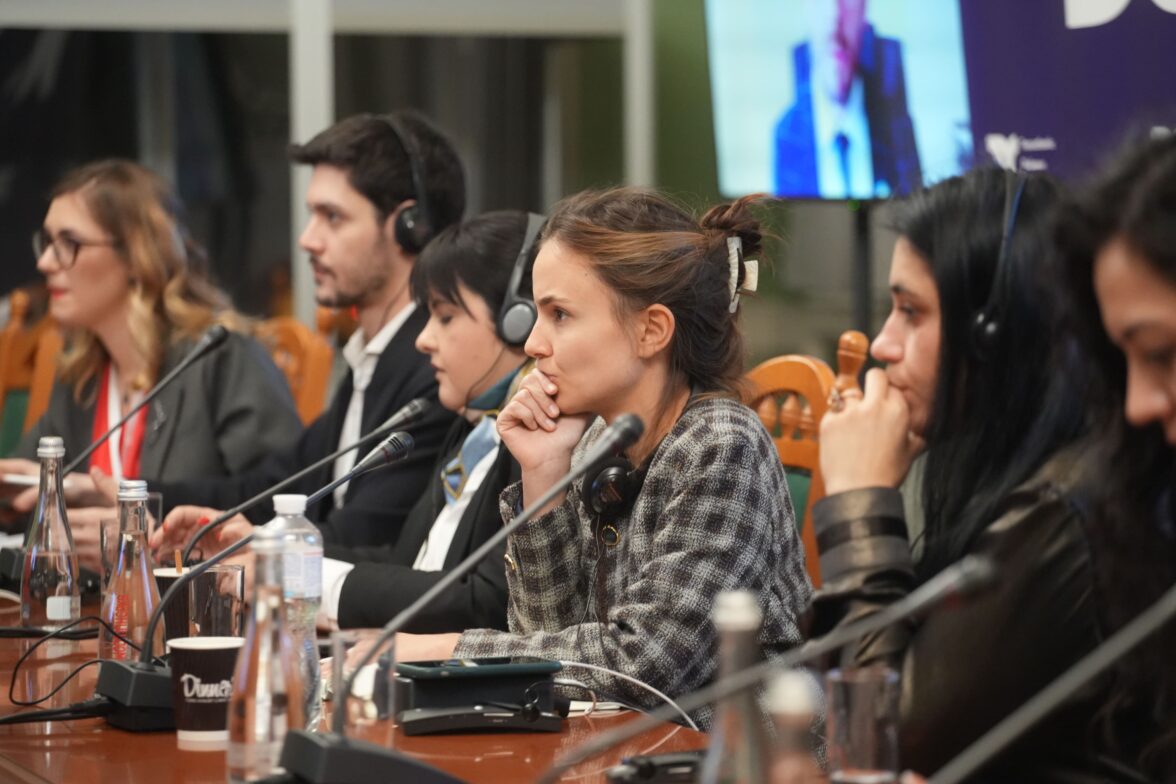
As part of the Second International Conference Crimea Global. Understanding Ukraine through the South, a side event titled “Building Trust and Strengthening Dialogue Between Ukraine and Brazil: Lessons from the Past and Perspectives for the Future” was organized by the Center for Transatlantic Dialogue.
The discussion featured international political analyst, author, and CNN Portugal political commentator Uriã Fancelli; coordinator of the FAAP International Relations Program, senior researcher at CEBRI, global fellow at the Wilson Center, and CNN Brazil analyst Fernanda Magnotta; researcher in the Law and Democracy Cluster of the Brazilian Center for Analysis and Planning (CEBRAP) and political analyst Marina Slhessarenko Barreto; and Counselor of the Embassy of Ukraine in Brazil Andrii Borodenkov. The discussion was moderated by political scientist Diana Maslianchuk from the Center for Transatlantic Dialogue.
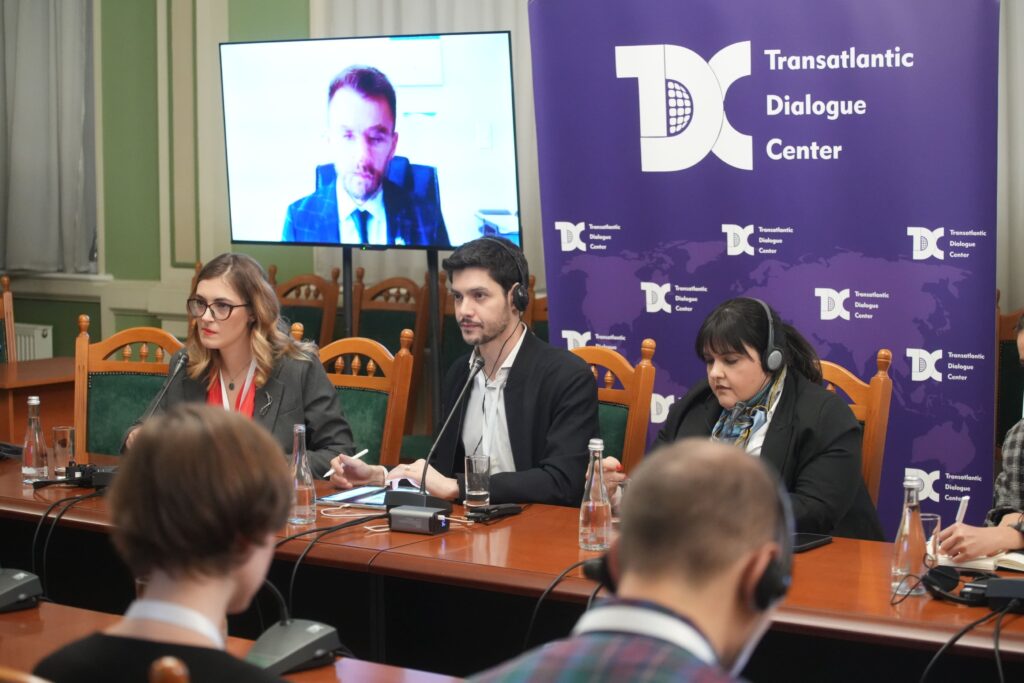
Uriã Fancelli emphasized that Ukraine must remain free and has the right to fight for its existence, and no imperialist country has the right to encroach upon it.
Andrii Borodenkov, Counselor of the Embassy of Ukraine in Brazil, highlighted that the history of Ukraine-Brazil relations dates back to Ukrainian emigration in the 19th century:
“The Ukrainian community in Brazil preserves its language and culture while successfully integrating into Brazilian society. Official relations between our countries began in 1990. We can collaborate in agriculture, energy, and high technologies, but we have yet to fully realize our potential,” noted Andrii Borodenkov.
“Brazil has a long tradition of maintaining peace and territorial integrity and is an important player on the international stage as a large and peaceful nation. There are two views in Brazil: that we should have access to all sides of negotiations, and that we should focus on our internal affairs,” emphasized Fernanda Magnotta.
She added that people aiming to make Brazil influential on the global stage believe that international policy should be pragmatic. The country should engage with various partners to secure itself in any situation. This sometimes makes it difficult to understand Brazil’s position, but it’s a survival strategy. Magnotta explained that this complicates Brazil’s stance on Ukraine, as the country’s foreign policy is heavily influenced by its domestic politics.
Marina Slhessarenko Barreto remarked, “Ukraine can become a model of democracy, whether through its democratic society or, for instance, IT democracy.” She also pointed out that there isn’t just one “Brazil”; the country’s institutional policies and civil society can differ significantly.
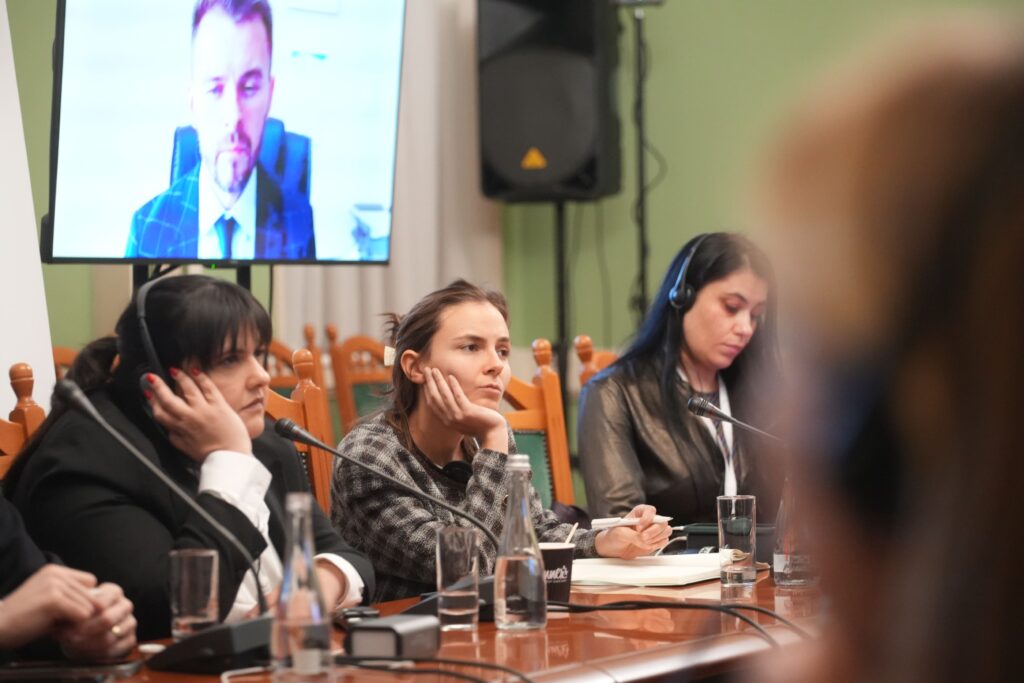
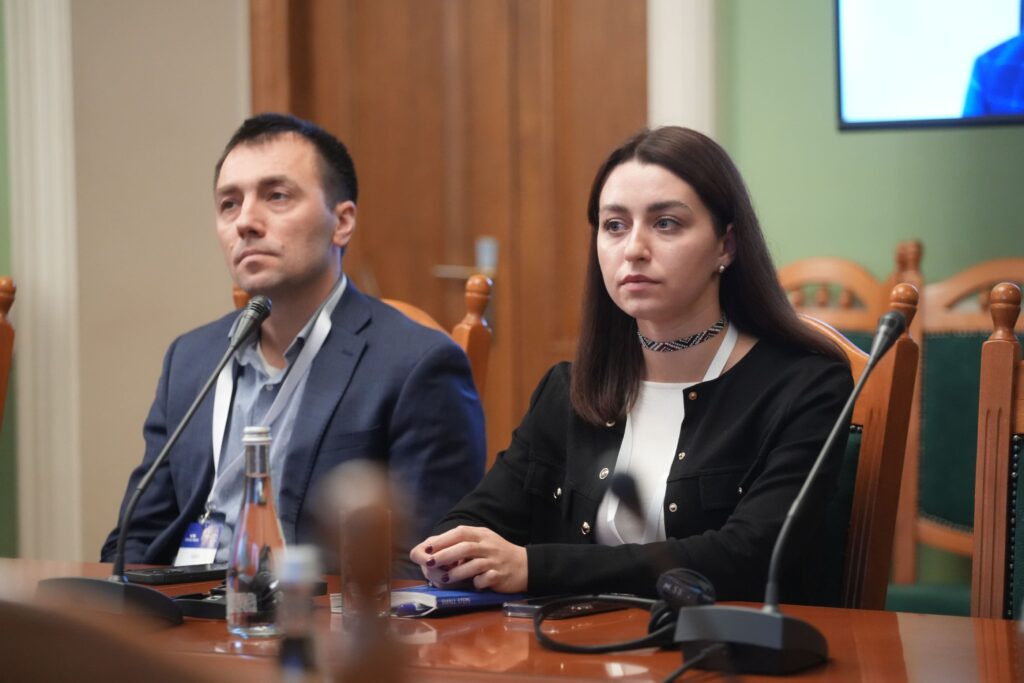
Slhessarenko Barreto noted that Ukraine has interesting initiatives in digitalization, and it’s important to engage in discussions on such topics, exchange experiences, and highlight Ukraine’s strengths in these areas.
In conclusion, Fernanda Magnotta summarized the key takeaways from the discussion:
“You need to engage with Brazil’s current government and communicate that both you and they face similar political crises. I’ve noticed we share many common points: democracy, building business opportunities, and so on,” Magnotta stated.
She emphasized that sometimes one needs to cross the ocean to realize something as simple as how much we have in common. She also underscored that Ukraine might be the only country today suffering as a victim of the failure of the current global security system, which failed to protect it.
#CrimeaGlobal #CrimeaIsUkraine