24 February 2025
Congratulating Estonia on the 107th Anniversary of Independence
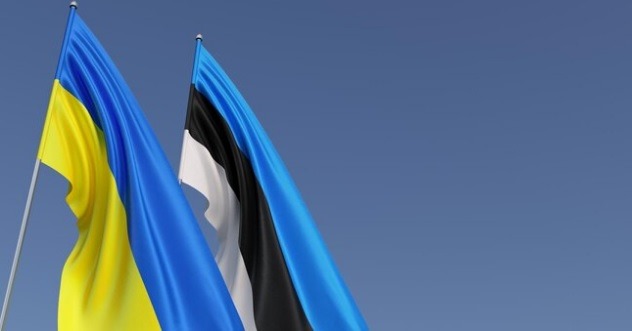
On February 24, Estonia celebrates Independence Day (Eesti Vabariigi aastapäev). Notably, on this very day three years ago, Russia launched its full-scale invasion of Ukraine, and Estonia has remained a steadfast partner in the struggle against the aggressor. In 1918, the proclamation of the “Manifesto to All the Peoples of Estonia” marked a pivotal moment in the establishment of an independent state, laying the legal and political foundations of the Estonian nation. This event represents not only a historical act of self-determination but also an enduring struggle for sovereignty and the preservation of national identity.
Estonia’s experience of national revival, shaped by the dramatic geopolitical transformations of the 20th century, including the period of Soviet occupation, makes the country particularly sensitive to the contemporary colonial practices of Russia, which persist in the 21st century. These practices manifest most notably through aggression against Ukraine and the ongoing occupation of Crimea.
We extend our gratitude to Estonia for its consistent and principled policy of supporting Ukraine, particularly within the framework of the Crimea Platform, demonstrating not only diplomatic engagement but also a conceptual commitment to the restoration of Ukraine’s territorial integrity. Estonia remains a key advocate for Ukraine on the international stage, actively strengthening our defense capabilities and promoting stricter sanctions against the aggressor.
A particularly significant step in affirming Estonia’s commitment to truth and historical justice was the adoption of the Statement by the Estonian Parliament (Riigikogu) on October 16, 2024, recognizing the 1944 deportation of the Crimean Tatar people as an act of genocide. This decision underscores an understanding that totalitarian regimes, including both the Soviet Union and modern Russia, employ similar instruments of repressive violence aimed at eradicating the national identities of subjugated peoples.
This resolution also serves as a clear signal to the international community that crimes perpetrated by totalitarian regimes must not remain without legal assessment and accountability. It reaffirms Estonia’s position as a state that views its support for Ukraine not only through a military-political lens but also within a broader societal dimension.
Today, as Estonia celebrates 107 years of independence, Ukraine extends its heartfelt congratulations to a nation that has endured a difficult path to self-affirmation and fully understands that sovereignty is never a given but must be won through struggle. Estonia’s historical experience holds deep significance for Ukraine, which is currently waging its own war for freedom. The shared values, historical parallels, and strategic interests between our nations only strengthen this bond.