18 September 2025
Japan tightens sanctions against Russia due to war in Ukraine
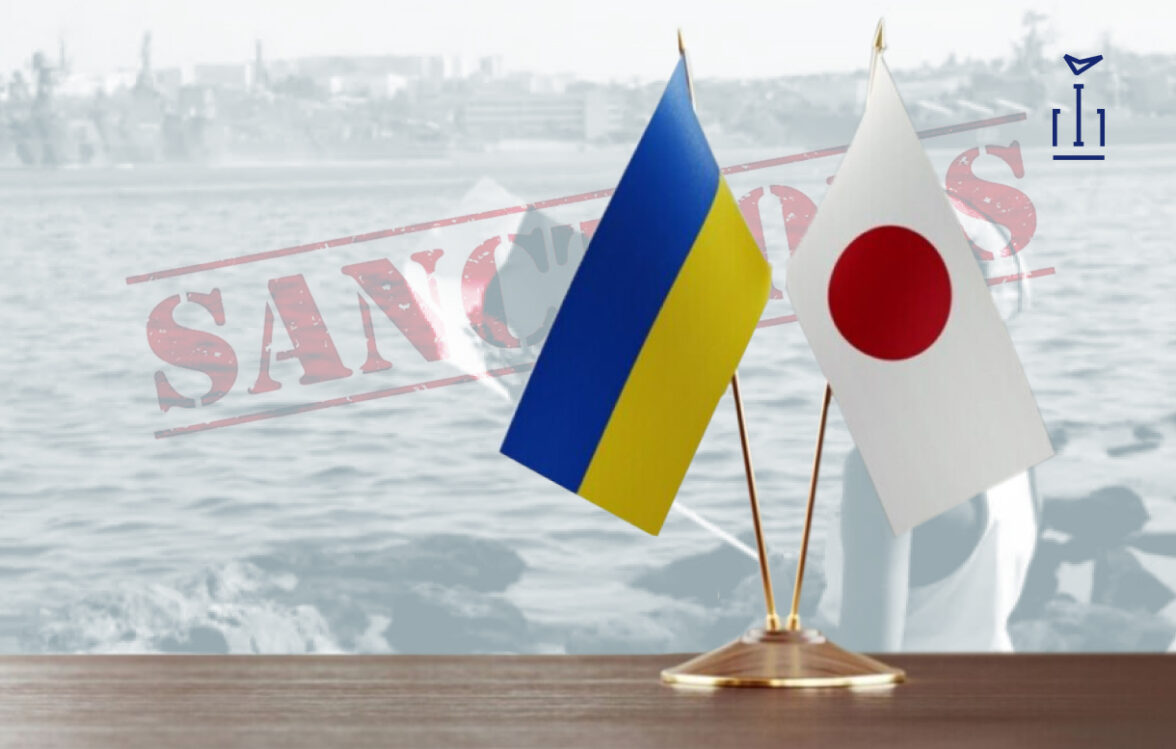
On September 12, the Japanese government adopted additional restrictive measures under the Foreign Exchange and Foreign Trade Act to step up international pressure on Russia in response to its aggression and the illegal occupation of Ukrainian territories. Under the new decision, sanctions were imposed on 47 Russian organizations and 9 individuals, as well as 5 individuals and 1 organization from the temporarily occupied areas of eastern and southern Ukraine directly involved in Russia’s so-called “integration” of these territories. In addition, restrictions targeted 3 organizations from third countries that support the Kremlin’s aggression. These entities will face asset freezes and will require government authorization for financial transactions, making it more difficult for them to access resources and financing channels.
The measures also extend to individuals and entities involved in the occupation of the Autonomous Republic of Crimea and the city of Sevastopol, as well as in the destabilization of eastern and southern Ukraine. In particular, they include Valentina Lavrik, the self-styled “minister of education, science, and youth of the Republic of Crimea,” and the International Children’s Center “Artek,” both of which are actively engaged in the occupation and unlawful “incorporation” of Crimea.
Separately, the Japanese government imposed an export ban on two Russian entities and nine additional organizations from third countries linked directly or indirectly to Russia’s military-industrial complex. This measure is designed to limit Moscow’s ability to circumvent sanctions through intermediaries and reduce its access to technologies and resources that could be used in its war against Ukraine.
Another key step was Tokyo’s decision to lower the price cap on Russian oil from $60 to $47.6 per barrel. This applies both to direct imports of Russian energy and to maritime transport-related agreements. According to the Japanese government, the new price will apply to contracts signed after September 12, while oil already shipped will remain subject to the old cap until October 17 to avoid abrupt disruptions in trade flows.
Japan stressed that all measures are coordinated with G7 partners and form part of the joint strategy to intensify economic pressure on the Kremlin. The aim is to cut off resources that Russia could use to sustain its aggression, including financing of occupation administrations in Crimea and other temporarily seized Ukrainian territories.